
Key Takeaways
- Oral glutathione showed modest melanin reduction in clinical trials (500 mg daily for 4 weeks), but results are limited to short-term studies and long-term effects remain unclear.
- Injectable glutathione for skin lightening is not FDA-approved and carries serious risks including anaphylaxis, organ damage, and Stevens-Johnson syndrome—avoid unregulated cosmetic injections entirely.
- Combined oral and topical glutathione produced better results than either method alone in one 2021 study, though evidence remains insufficient for firm clinical treatment recommendations.
- Oral glutathione is generally well-tolerated with only mild side effects like bloating and loose stools reported, but long-term safety during pregnancy and medication interactions need further research.
- Sun protection, hydration, proper nutrition, and sleep remain the foundation of skin health; glutathione at best serves as an adjunct, not a standalone solution for pigmentation concerns.
- Discuss glutathione use with your primary care provider before starting any supplement to assess safety, medication interactions, and realistic expectations tailored to your individual health history.
Bright, even-toned skin is one of the most common wellness goals patients bring up during checkups. Glutathione, a naturally occurring antioxidant, has become a popular topic in skincare and wellness conversations across Tampa and Riverview. But how much of the hype is backed by science, and how should you approach it safely? This guide breaks down what glutathione can realistically do for your skin, what the research actually shows, and how to talk to your primary care provider about it before trying any product or treatment.
Many patients search for quick fixes to dark spots, uneven tone, or dullness. Glutathione is often marketed as a solution, sometimes with bold promises that go beyond what evidence supports. At InCare, our approach centers on giving you accurate information and safe, medically supervised options rather than unverified trends.
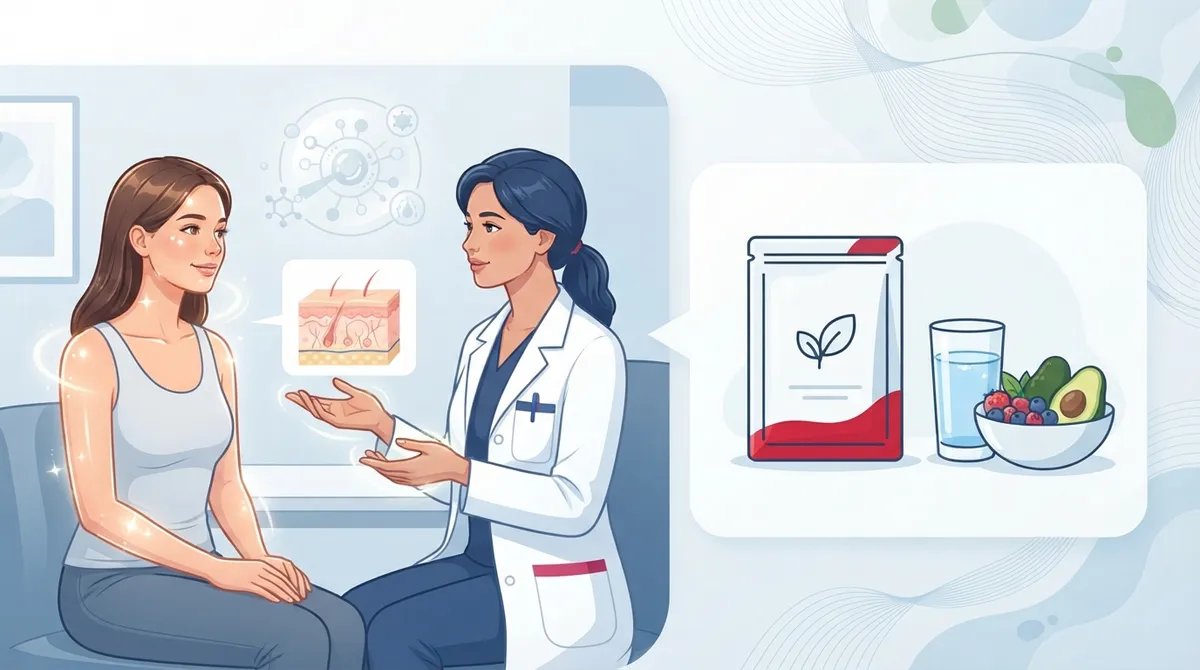
What Is Glutathione and How Does It Affect Skin?
Glutathione is a molecule your body makes naturally. It helps protect cells from damage caused by oxidative stress. It also plays a role in how your body produces melanin, the pigment responsible for skin color.
Researchers believe glutathione may shift melanin production toward a lighter type called pheomelanin. This is why some people use it hoping for brighter or more even-toned skin. However, glutathione is not an approved treatment for general skin conditions, and it does not "detoxify" the skin in the way some marketing claims suggest.
The Science Behind Pigmentation and Antioxidants
Your skin tone is shaped by genetics, sun exposure, hormones, and inflammation. Antioxidants like glutathione may help reduce oxidative stress linked to some of these factors. But skin tone itself is a normal human trait, not a condition that needs to be "fixed."
If you're dealing with unwanted dark spots, melasma, or sun damage, it helps to understand what current research actually supports before starting any regimen.

What Does Clinical Research Say About Oral Glutathione?
Several small studies have looked at oral glutathione and its effects on skin pigmentation. The results are promising but limited.
- A 2010 randomized, double-blind, placebo-controlled study gave 60 participants 500 mg of oral glutathione daily for four weeks.
- Melanin measurements dropped more than placebo at two sites, including the face and a sun-exposed forearm (p=0.021 and p=0.036).
- A 2021 controlled study found that combining oral and topical glutathione produced better results than either method alone (P0.05).
- A 2025 review noted that most studies used daily doses between 250 mg and 500 mg, but sample sizes remained small.
- Long-term safety and how long results last after stopping treatment remain unclear.
These findings suggest modest, short-term effects. They do not prove glutathione permanently changes skin tone or treats specific conditions like melasma.
Common Side Effects Reported in Studies
Oral glutathione has generally been well tolerated in short clinical trials. Still, some people report mild issues, including:
- Temporary bloating or gas
- Loose stools
- Mild stomach discomfort
- Rare allergic-type reactions
Because long-term studies are limited, questions remain about safety during pregnancy and interactions with certain medications. This is exactly why a conversation with a primary care provider matters before starting supplementation.
How Does Topical Glutathione Compare to Oral Use?
Topical formulas, including oxidized glutathione creams and lotions, are also being studied for skin brightness, hydration, and reducing UV-related damage.
|
Method |
Reported Benefits |
Evidence Level |
Safety Notes |
|---|---|---|---|
|
Oral Glutathione |
Modest melanin reduction in some studies |
Small, short-term trials |
Generally well tolerated; mild GI effects possible |
|
Topical Glutathione |
Possible brightness, hydration, reduced UV effects |
Limited, varies by formulation |
Mild redness reported in rare cases |
|
Combined Oral + Topical |
Greater melanin index reduction than either alone |
Single controlled study (2021) |
Needs more research for confirmation |
|
Injectable/IV for Skin Lightening |
Marketed for whitening, unsupported by approval |
Not clinically validated for this use |
Serious safety concerns; not FDA-approved for this purpose |
A 2025 systematic review of topical glutathione screened 446 records and included only clinical trials. It found some signals of benefit for pigmentation, transepidermal water loss, and wrinkles. However, the review concluded that evidence is still insufficient for firm treatment recommendations.
What About a 2% Oxidized Glutathione Lotion?
In one small trial, 30 participants used a 2% oxidized-glutathione lotion without significant adverse reactions. Only one person developed mild redness that resolved within four days. This is encouraging, but small sample sizes mean more research is needed before broad claims can be made.
Why Injectable Glutathione Raises Serious Safety Concerns
Injectable or intravenous glutathione for cosmetic skin lightening is not something InCare recommends as a routine wellness service. Regulatory bodies have not approved this use, and the risks are significant.
Reported risks associated with unregulated glutathione injections include:
- Severe allergic reactions, including anaphylaxis
- Liver or kidney damage
- Stevens–Johnson syndrome, a rare but serious skin reaction
- Product contamination or infection from unsafe administration
- No standardized dosing protocols for cosmetic use
The U.S. Food and Drug Administration has not approved injectable glutathione for skin lightening. The Philippine FDA issued Advisory No. 2019-182, warning that no published clinical trials establish safe cosmetic dosing for injectable glutathione. If you or someone you know is considering this treatment, it deserves a serious conversation with a licensed medical provider first.
Warning Signs That Require Immediate Medical Attention
If you have received a glutathione injection and experience any of the following, seek care right away:
- Skin rash or hives
- Difficulty breathing
- Yellowing of the skin or eyes (jaundice)
- Abdominal pain
- Reduced urination
Our team at InCare encourages patients to disclose any cosmetic injections during visits so we can monitor your health closely. Learn more about how our providers approach whole-body wellness safely.
How Should You Approach Skin Health at a Primary Care Clinic?
Rather than chasing trends, a smart approach starts with a conversation with your doctor. Here's how to move forward responsibly:
- Schedule a wellness visit to discuss your skin goals and overall health history.
- Ask about evidence-based options for pigmentation concerns, including sun protection and topical treatments.
- Request lab work or a DNA gene test to understand your unique health profile.
- Discuss any supplements, including glutathione, before starting them.
- Avoid unregulated injectable products marketed online or at unlicensed clinics.
- Consider complementary wellness services like IV hydration and vitamin drips under medical supervision.
- Follow up regularly to track any changes in your skin and overall health.
Sun Protection Still Comes First
No antioxidant, oral or topical, replaces the basics of skin health. Broad-spectrum sunscreen, protective clothing, and treating underlying inflammation remain the foundation of pigmentation care. Glutathione, at best, may serve as an adjunct rather than a stand-alone solution.
What Role Does Whole-Body Wellness Play in Skin Health?
Skin health rarely exists in isolation. Nutrition, hydration, sleep, and metabolic health all influence how your skin looks and feels. This is why a comprehensive approach works better than isolated treatments.
Services like body composition analysis and metabolic breath analysis can help identify underlying factors that affect skin, energy, and overall wellness. When your body is functioning well internally, it often reflects externally too.
|
Wellness Factor |
Potential Skin Impact |
|---|---|
|
Hydration Levels |
Affects skin elasticity and texture |
|
Nutrient Deficiencies |
Can contribute to dullness or slow healing |
|
Chronic Inflammation |
Linked to uneven tone and breakouts |
|
Sleep Quality |
Impacts skin repair and appearance |
Patients interested in this kind of proactive, whole-body approach often explore weight loss programs or general wellness visits alongside skin-focused questions. It's all connected.
How Can You Talk to Your Doctor About Glutathione?
Bring up glutathione honestly during your appointment. Share what you've read, what products you're considering, and any symptoms you've noticed. Good questions to ask include:
- Is oral glutathione safe given my current health history?
- Are there interactions with medications I'm already taking?
- What realistic results should I expect, and how long would it take?
- Are there safer, evidence-based alternatives for my specific skin concern?
- Should I avoid injectable products entirely?
Our physicians, including those featured on our providers page, are trained to give you honest, evidence-based guidance rather than pushing unproven treatments.
Why Location Matters for Follow-Up Care
Having a nearby clinic makes it easier to monitor any new supplement or treatment over time. Whether you visit our Tampa or Riverview location, our team can track your progress and adjust recommendations as needed. Consistent follow-up is part of what makes wellness plans actually work.
Patients often share their experiences with our care team online. You can visit us on Google — InCare to read reviews from real patients about their visits and results.
What Should You Avoid When Considering Glutathione?
Marketing claims around glutathione can be misleading. Be cautious of any product or provider that promises:
- Permanent skin whitening
- Guaranteed reversal of aging
- Disease prevention claims without evidence
- Fast, dramatic results with no medical oversight
- Injectable treatments sold without a prescription
Responsible skin care counseling should always use respectful, non-stigmatizing language. Skin tone is not a flaw to be corrected, and treatment discussions should focus on your actual health goals, not unrealistic promises.
Bringing It All Together for Safer Skin Wellness
Glutathione shows some promise for pigmentation support, but the science is still developing. Short-term studies suggest modest benefits with oral and topical use, while injectable formulas carry real risks without proven benefits. The safest path forward is working with a licensed provider who can guide you based on current evidence, not internet trends.
At InCare, we combine advanced diagnostics with honest medical guidance to help you make informed decisions about your skin and overall health. You can follow our latest wellness tips and patient stories on Facebook, see behind-the-scenes clinic content on Instagram, or catch quick health tips on TikTok.
If you're ready to talk about your skin health goals with a trusted primary care team in Tampa or Riverview, our staff is here to help. Reach out to our team today to schedule a consultation, or go ahead and book your appointment now to get started on a safer, more informed approach to skin wellness.
FAQs
Q: Does glutathione actually improve skin health or lighten pigmentation?
A: Small clinical studies suggest oral glutathione may modestly reduce melanin measurements in some people. However, evidence remains limited to short-term trials, and results are not guaranteed or permanent for everyone.
Q: Is oral glutathione safe, and what side effects can it cause?
A: Oral glutathione has generally been well tolerated in short studies, with mild effects like bloating or loose stools reported occasionally. Long-term safety, pregnancy use, and medication interactions require further research and a conversation with your doctor.
Q: Are glutathione injections safe for skin lightening?
A: No. Injectable glutathione for cosmetic skin lightening is not FDA-approved and carries serious risks, including allergic reactions, organ damage, and infection. This method should be avoided outside of proper medical supervision and approved uses.
Q: Does topical glutathione help melasma, dark spots, or uneven skin tone?
A: Some studies show potential benefits for brightness and hydration, but evidence for treating melasma specifically remains limited and inconsistent. Formulation, concentration, and individual skin type all affect results significantly.
Q: How long does it take for glutathione to affect skin pigmentation, and are results permanent?
A: Clinical studies have shown changes within four weeks of consistent use, but researchers have not confirmed how long these effects last after stopping treatment. Sun protection and ongoing skin care remain essential regardless of supplement use.