Key Takeaways
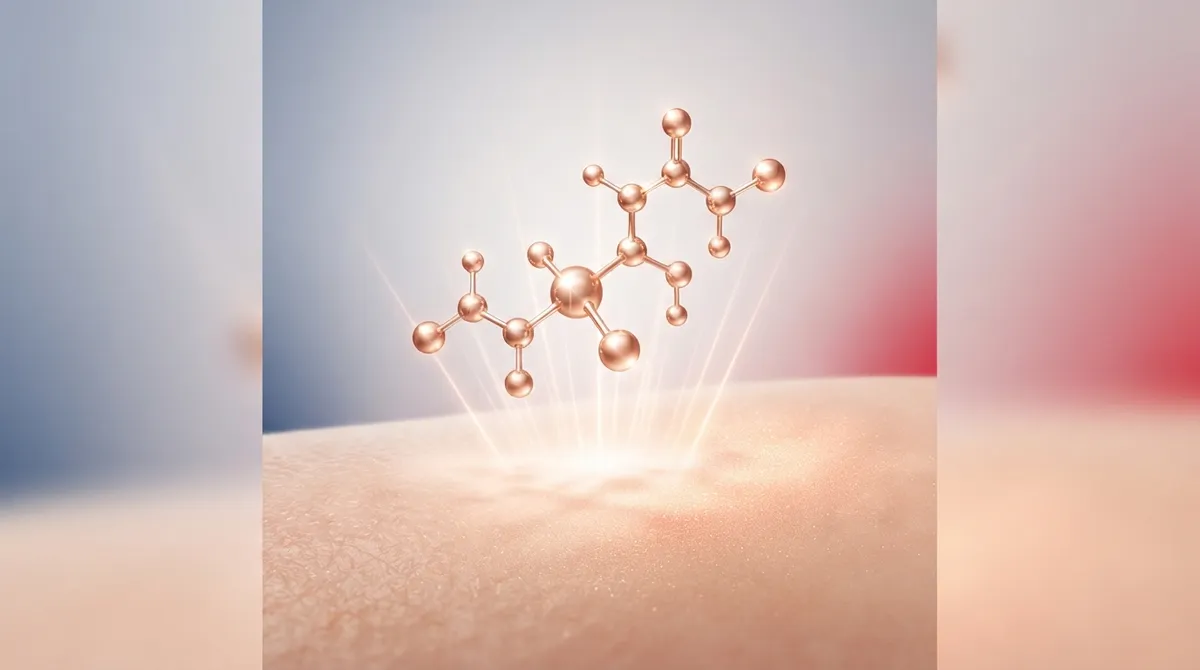
- GHK-Cu is a naturally occurring copper peptide that declines with age; topical application helps signal skin cells to produce more collagen and elastin, supporting firmness and elasticity.
- Clinical research shows topical GHK-Cu delivers measurable results: 20-30% increase in skin firmness, 55.8% reduction in wrinkle volume, and improved skin density within 8-12 weeks of consistent use.
- Start with a patch test, use once daily on clean dry skin, pair with sunscreen, and allow 8-12 weeks to see visible results; consistency matters more than speed.
- A 1998 study found GHK-Cu outperformed both vitamin C and tretinoin in boosting procollagen synthesis, though results vary by individual and product concentration.
- Injectable and oral GHK-Cu forms lack strong evidence; stick with well-studied topical formulas unless a healthcare provider specifically recommends other routes.
- Combine GHK-Cu skincare with broader wellness practices like adequate hydration, nutrition, sleep, and stress management for optimal long-term skin aging results.
Skin aging worries many people who visit wellness clinics in Tampa and Riverview. You may have heard about a copper peptide called GHK-Cu skin cream or serum. It promises firmer skin, fewer fine lines, and a healthier glow. But does the science back these claims? This guide breaks down what GHK-Cu can really do for your skin, how it works, and how to use it safely as part of your wellness routine.
GHK-Cu is short for glycine-histidine-lysine bound to copper. It is a small peptide your body makes naturally. As you age, levels drop. This is one reason skin loses firmness and elasticity over time. Adding GHK-Cu back through skincare products may help support your skin's natural repair process. At InCare, our team believes in combining proven science with personalized care for whole-body wellness, including skin health.
What Is GHK-Cu and Why Does It Matter for Skin
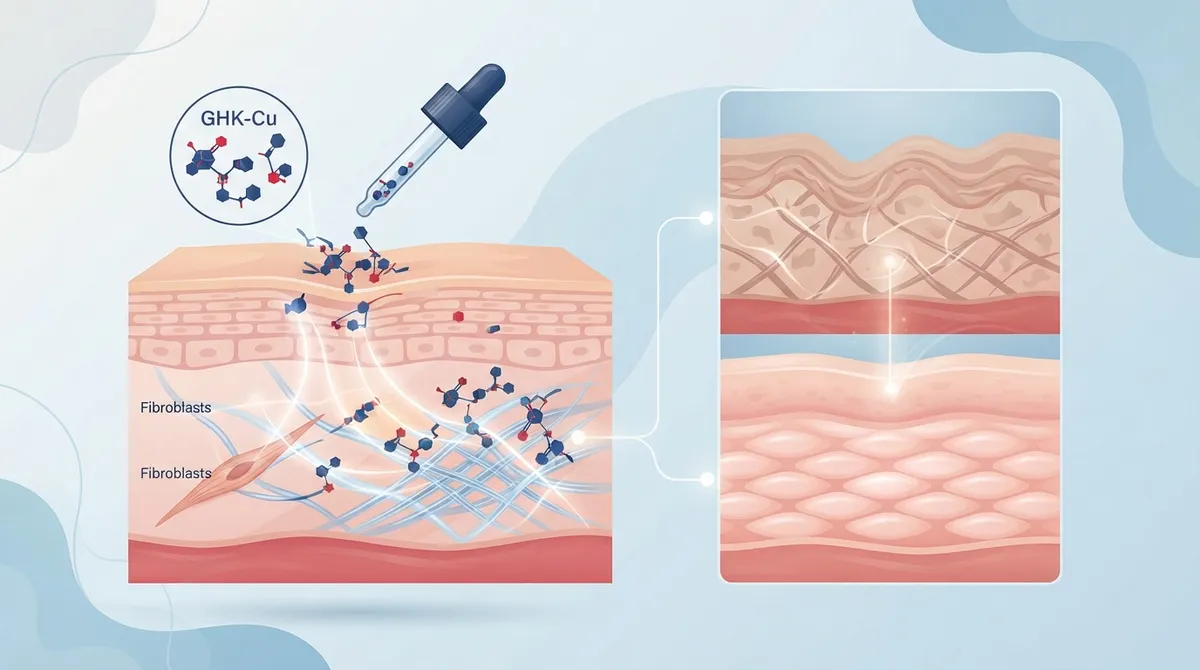
GHK-Cu is a copper-binding peptide. Copper peptides occur naturally in your blood plasma, saliva, and urine. Researchers first found GHK-Cu decades ago while studying human plasma. Since then, it has become a popular ingredient in skincare products aimed at fighting visible signs of aging.
The peptide works by supporting your skin's natural building blocks. It helps signal your cells to produce more collagen and elastin. These two proteins keep skin firm, smooth, and bouncy. Without enough of them, skin sags and wrinkles form.
How GHK-Cu Interacts With Skin Cells
When applied to the skin, GHK-Cu peptide creams may boost keratinocyte activity. Keratinocytes are the main cells in your skin's outer layer. More activity here can mean faster skin renewal and a smoother texture over time.
Studies also point to antioxidant and anti-inflammatory effects. This matters because sun exposure, pollution, and stress all create inflammation in the skin. Reducing that stress may slow down visible aging.
What Does the Research Actually Show
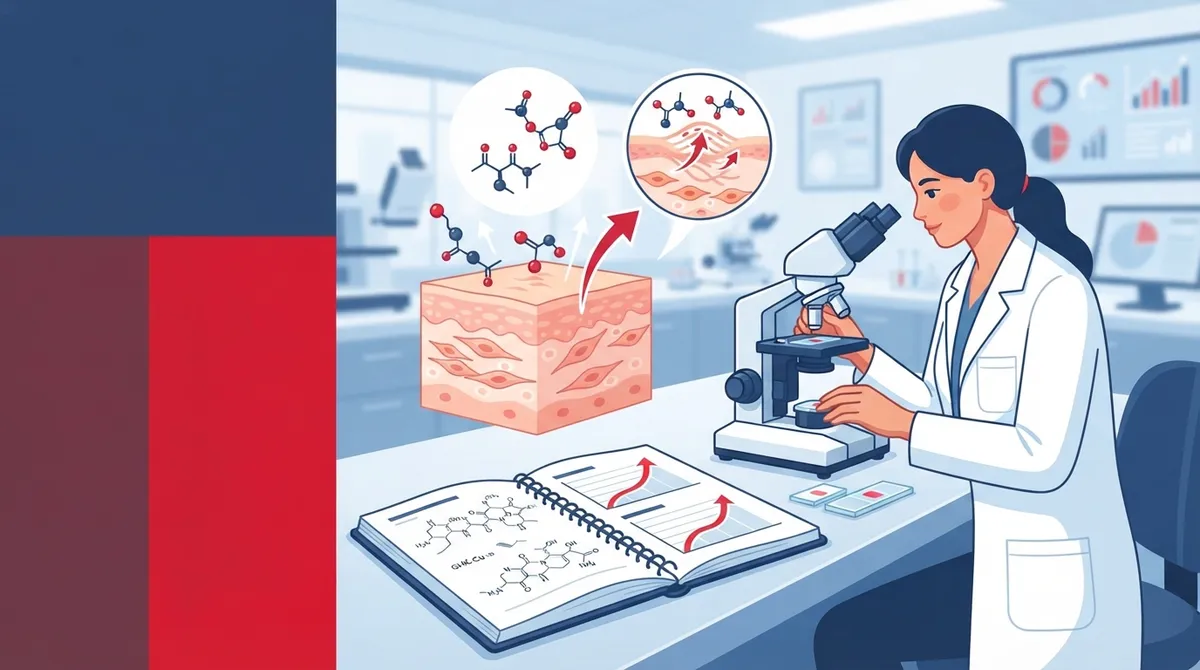
The strongest evidence for GHK-Cu comes from topical skincare studies, not injections or oral supplements. Below is a summary of key findings from published research.
|
Study or Review |
Key Finding |
|---|---|
|
2015 Review of Placebo-Controlled Trials |
Topical GHK-Cu creams improved loose skin, elasticity, density, firmness, and fine lines |
|
1998 Copper-Binding Peptide Study |
70% of users showed increased procollagen synthesis, compared to 50% for vitamin C and 40% for tretinoin |
|
2026 Clinical Data Summary |
Statistically significant gains in skin density, collagen content, and photoaging scores over 8 to 12 weeks |
|
2026 Firmness Study Summary |
Skin firmness increased by roughly 20% to 30% after 12 weeks of topical use |
|
2026 Wrinkle Study Summary |
Reported 55.8% reduction in wrinkle volume and 32.8% reduction in depth over 12 weeks (secondary reporting, interpret cautiously) |
These numbers look impressive. But remember, results vary by person, product concentration, and how consistently you apply the cream. Always view marketing claims with a critical eye.
Key Benefits of Topical GHK-Cu for Skin
Here are the main benefits reported in scientific literature and clinical summaries:
- Improved skin firmness and elasticity
- Reduced appearance of fine lines and wrinkles
- Better skin density and thickness
- Support for collagen and elastin production
- Reduced signs of sun damage and photoaging
- Possible improvement in hyperpigmentation
- Antioxidant protection against environmental stress
Some reviews also mention wound-healing support and faster tissue repair. However, this does not mean GHK-Cu should replace medical wound care. Always talk to a healthcare provider about any open wound or injury.
How to Add GHK-Cu to Your Skincare Routine
If you want to try GHK-Cu products, follow these steps for the best results and lowest risk of irritation.
Step-by-Step Guide
- Start with a patch test. Apply a small amount to your inner arm and wait 24 hours to check for redness or irritation.
- Choose a product with a clear concentration listed on the label. Most skincare formulas use low percentages for safety.
- Apply to clean, dry skin. This helps the peptide absorb better.
- Use it once daily at first. You can increase frequency once your skin adjusts.
- Pair with sunscreen during the day. Copper peptides work best alongside sun protection, not instead of it.
- Give it time. Most studies show visible changes after 8 to 12 weeks of steady use.
- Track your progress with photos every few weeks to see real changes.
Consistency matters more than speed here. Skin renewal is a slow process, and short-term use rarely shows dramatic results.
GHK-Cu vs Other Popular Skincare Ingredients
Many people compare GHK-Cu to retinol or vitamin C. Each ingredient works differently, and some people combine them under professional guidance.
|
Ingredient |
Main Action |
Common Side Effects |
|---|---|---|
|
GHK-Cu |
Supports collagen, elastin, and skin repair |
Generally mild; rare irritation |
|
Retinol |
Speeds up cell turnover |
Dryness, peeling, sun sensitivity |
|
Vitamin C |
Antioxidant, brightens skin tone |
Possible stinging on sensitive skin |
Research from the 1998 study found GHK-Cu creams outperformed both vitamin C and tretinoin in boosting procollagen synthesis among study participants. That said, no single ingredient works for everyone. Your skin type, goals, and medical history all play a role in what will work best for you.
Who Should Consider GHK-Cu Skin Products
GHK-Cu may appeal to several groups of people looking to support healthy, youthful-looking skin.
- Adults noticing early signs of fine lines or reduced skin firmness
- People with sun-damaged or photoaged skin
- Those interested in preventive skincare before major aging signs appear
- Anyone seeking an antioxidant boost for daily skin stress
- Individuals exploring non-invasive options before considering other treatments
If you are unsure whether GHK-Cu fits your skin goals, a conversation with a wellness provider can help. Many patients also explore hair restoration or other regenerative options alongside skin care as part of a full wellness plan.
Important Safety Considerations
Topical GHK-Cu is generally considered safe for daily use in most people. Still, a few precautions are worth noting.
- Avoid using on broken or actively infected skin without medical guidance.
- Stop use if you notice redness, itching, or a rash.
- Check with your doctor if you are pregnant or breastfeeding, since data on safety in these groups is limited.
- Do not assume injectable or oral forms carry the same safety profile as topical creams. Evidence for those routes is much weaker.
- Buy products from reputable sources that list clear ingredient concentrations.
Wellness clinics that focus on whole-body health, like primary care teams at InCare, can help you understand how skin health connects to your overall wellness picture, including nutrition, hormones, and hydration.
How GHK-Cu Fits Into a Broader Wellness Plan
Skin health rarely exists in isolation. Hydration, sleep, nutrition, and hormone balance all affect how your skin looks and feels. Many patients pair topical skincare routines with services like IV hydration and vitamin drips to support skin from the inside out.
Others use DNA gene testing to better understand their genetic predispositions related to aging, collagen production, and antioxidant needs. This kind of personalized insight can guide smarter choices about which skincare ingredients might work best for your unique biology.
Body composition tracking through body composition analysis can also reveal how overall health markers, like inflammation and metabolic function, might be affecting your skin's appearance. A whole-body approach often produces better, longer-lasting results than skincare alone.
Common Mistakes to Avoid
Even a promising ingredient like GHK-Cu can disappoint if used incorrectly. Watch out for these common errors.
- Expecting overnight results instead of giving it 8 to 12 weeks
- Skipping sunscreen while using peptide products
- Mixing too many active ingredients at once, which can irritate skin
- Buying products with vague or missing concentration information
- Ignoring professional advice when trying injectable or systemic forms
- Assuming all copper peptide products are equally effective
Patience and consistency remain the two most important factors for anyone trying GHK-Cu skincare.
Why Work With a Primary Care and Wellness Team
Skincare decisions work best when they fit into your larger health picture. A wellness-focused primary care team can help you weigh the evidence, avoid unsafe products, and choose options that match your skin type and health history. InCare's providers, including Dr. Pramjeet Ahluwalia and Dr. Naveen Paddu, focus on personalized, evidence-based care across primary care and wellness services.
Patients across Tampa and Riverview trust InCare for more than routine checkups. The clinic's 4.8-star rating and hundreds of positive reviews reflect a strong commitment to whole-person care. You can visit us on Google — InCare to read what patients say about their experience with the team.
For more updates and wellness tips, you can also follow InCare on Facebook, Instagram, and TikTok. These channels share helpful information on skin health, wellness trends, and clinic updates.
Bringing It All Together
GHK-Cu skin products offer one of the better-supported peptide options in cosmetic skincare today. Research shows real, measurable benefits for firmness, elasticity, and fine lines when used topically and consistently. Injectable or systemic use carries far less evidence, so it's wise to stick with well-studied topical formulas unless a provider recommends otherwise.
Skin health connects to your whole body. Hydration, nutrition, genetics, and even stress levels all play a part in how your skin ages. Combining smart skincare choices with a broader wellness plan often produces the best long-term results.
If you want personalized guidance on skin health or any other wellness goal, our team is ready to help. Reach out to InCare today to schedule a conversation about your skin and overall wellness plan, or book your appointment now to get started on a plan built around your goals.
FAQs
Q: What is GHK-Cu used for on the skin?
A: GHK-Cu is a copper peptide used in skincare to support firmness, elasticity, and collagen production. Studies show it can also help reduce fine lines and signs of sun damage when applied topically over several weeks.
Q: Does GHK-Cu really help with wrinkles?
A: Research supports modest to significant improvements in wrinkle appearance with consistent topical use. One study reported over 50% reduction in wrinkle volume after 12 weeks, though results vary by individual and product strength.
Q: Is GHK-Cu better than retinol for skin?
A: Neither ingredient is universally better. GHK-Cu tends to cause less irritation than retinol, while retinol may work faster for cell turnover. Many people benefit from professional guidance when choosing or combining these ingredients.
Q: Is topical GHK-Cu safe for daily use?
A: Topical GHK-Cu is generally considered safe for daily use in most healthy adults. As with any new skincare product, a patch test and gradual introduction are recommended to check for sensitivity.
Q: Should GHK-Cu be used in primary care or only in cosmetic skincare?
A: GHK-Cu is mainly used as a cosmetic skincare ingredient rather than a standard medical treatment. A primary care and wellness team can still help you understand how it fits into your broader health and skincare goals.