Key Takeaways
- Topical GHK-Cu (0.001-0.5% concentration) has the strongest safety evidence with adverse event rates below 1.8%, making it the only form recommended without medical supervision; injectable and oral forms lack sufficient safety data.
- GHK-Cu is a naturally occurring peptide that declines with age and shows promise for skin firmness, wound healing, and hair health, but most evidence comes from lab studies rather than large-scale human trials.
- Always patch test GHK-Cu on inner arm for 24-48 hours before full use, avoid it if you have copper metabolism disorders or sensitive skin, and allow 8-12 weeks to assess results rather than expecting quick changes.
- GHK-Cu is not FDA-approved as a drug and falls under cosmetic regulations with less strict safety requirements, so rely on published research and medical provider guidance rather than marketing claims.
Copper peptides have become one of the most talked-about ingredients in skin and wellness care. GHK-Cu peptide, in particular, has caught the attention of people who want firmer skin, faster healing, or fuller-looking hair. But with so much buzz, it can be hard to know what is backed by real science and what is just marketing hype.
This guide breaks down what GHK-Cu peptide actually does, what the research shows, and how to think about it safely. Whether you are curious about topical serums or wondering if it fits into a broader wellness plan, understanding the facts matters. At InCare, our team in Tampa and Riverview helps patients sort through wellness trends with clear, evidence-based guidance grounded in primary care expertise.
What Is GHK-Cu Peptide?
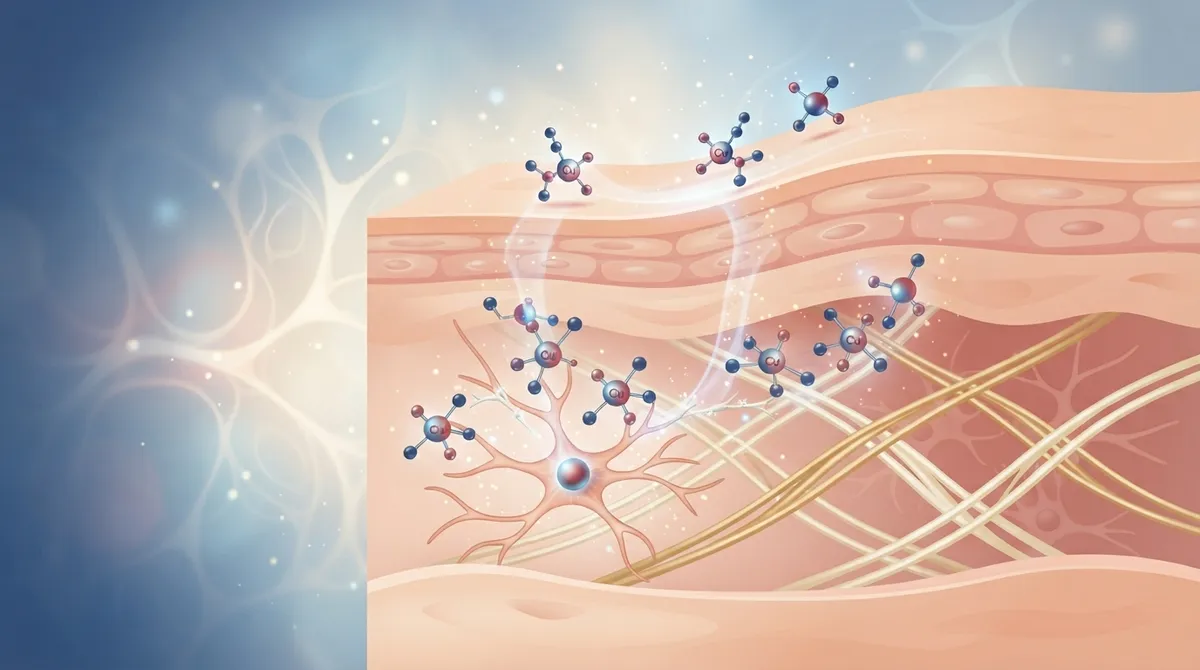
GHK-Cu stands for glycyl-L-histidyl-L-lysine copper(II). It is a naturally occurring peptide complex found in the human body. Levels of this peptide are highest in young, healthy skin and tend to decline with age.
Researchers have studied GHK-Cu for its role in tissue repair and protection. It is most commonly found in skincare products designed to support skin appearance, wound healing, and hair health. It is not a drug approved for treating specific medical conditions.
Where GHK-Cu Comes From
This peptide occurs naturally in human plasma, saliva, and urine. Scientists first identified its regenerative properties decades ago. Since then, it has been studied for its potential to support:
- Skin firmness and elasticity
- Wound healing support
- Collagen and elastin production
- Antioxidant activity in skin cells
- Hair follicle health
Most of this research comes from laboratory and topical studies, not large-scale human trials. That distinction matters when evaluating any product claims.

How GHK-Cu Peptide Is Typically Used
In the wellness and skincare world, GHK-Cu appears in a few common forms. Each has a different level of research support behind it.
|
Form |
Common Use |
Evidence Level |
|---|---|---|
|
Topical Cream or Serum |
Skin appearance, firmness, mild wound support |
Strongest human evidence |
|
Topical Gel |
Wound healing research |
Moderate, ongoing trials |
|
Injectable |
Systemic wellness claims |
Very limited evidence |
|
Oral Supplement |
General wellness claims |
Minimal research support |
Topical use remains the most studied and best-tolerated option. Injectable or oral forms carry far less safety data and should be approached with caution.
What the Research Actually Shows
A 2020 meta-analysis reviewed 47 clinical trials involving topical GHK-Cu formulations. It reported adverse event rates below 1.8 percent. This suggests topical use is generally well tolerated at cosmetic concentrations.
Another research review found mild contact dermatitis occurred in about 1.8 percent to 3.2 percent of cases when using concentrations between 1 percent and 5 percent. Most cosmetic products use much lower concentrations, often between 0.001 percent and 0.5 percent.
Injectable Use Carries More Risk
Studies reviewing subcutaneous injections reported induration, or hardening at the injection site, in 4 percent to 31 percent of cases depending on dose. This is a meaningful difference compared to topical application.
Because injectable and systemic use of GHK-Cu is not well established, it is best viewed as a research compound rather than a standard treatment. Anyone considering this route should discuss it with a licensed medical provider first.
Current Research and Ongoing Trials
Interest in GHK-Cu continues to grow. As of 2026, a clinical trial listed on ClinicalTrials.gov is evaluating whether a topical GHK-Cu gel can safely speed the healing of small, standardized skin wounds in healthy adults. This kind of controlled research helps separate real benefits from anecdotal claims.
A 12-week double-blind trial involving 200 participants also reported no adverse events from topical GHK-Cu at cosmetic concentrations. This adds to a growing body of evidence supporting topical safety.
Step-by-Step: How to Approach GHK-Cu Safely
- Start with a conversation. Talk to a primary care provider before adding any new peptide product to your routine, especially if you have existing health conditions.
- Choose topical formulations first. These have the strongest safety record and lowest risk of side effects.
- Check the concentration. Look for products in the 0.001 percent to 0.5 percent range, which reflects common cosmetic use.
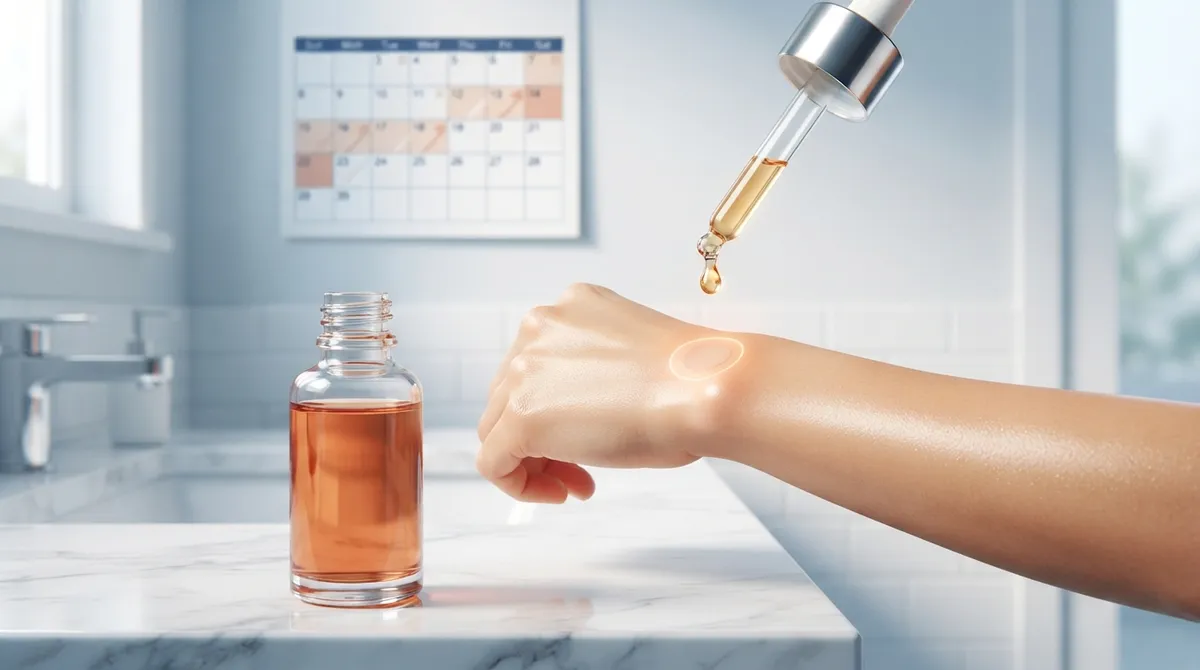
- Patch test before full use. Apply a small amount to your inner arm and wait 24 to 48 hours to check for irritation.
- Watch for reactions. Mild redness or dryness can happen. Stop use if you notice swelling, blistering, or persistent irritation.
- Avoid injectable forms without medical supervision. The safety data for these routes is far less established.
- Reassess after several weeks. Skin changes take time. Give any topical product at least 8 to 12 weeks before judging results.
Who Should Be Cautious
GHK-Cu is generally well tolerated in topical form, but it is not right for everyone. Certain groups should be more careful or avoid it altogether.
- People with known copper metabolism disorders, such as Wilson's disease
- Individuals with a history of contact dermatitis or sensitive skin conditions
- Pregnant or breastfeeding individuals, due to limited safety data
- Anyone considering injectable or systemic use without physician guidance
- Patients currently using other active skincare ingredients that may interact
Copper toxicity is a theoretical concern, but it is mainly linked to higher systemic exposure rather than typical topical use. Still, caution is warranted for those with underlying health conditions.
GHK-Cu vs. Other Wellness Peptides
GHK-Cu is one of many peptides gaining attention in wellness circles. Understanding how it compares to other options can help set realistic expectations.
|
Peptide |
Primary Focus |
Typical Use |
|---|---|---|
|
GHK-Cu |
Skin repair, wound support, hair health |
Topical serums and creams |
|
Collagen Peptides |
Skin elasticity, joint support |
Oral supplements |
|
Growth Factor Peptides |
Cellular signaling, tissue growth |
Topical or injectable, clinic-supervised |
If you are exploring peptide-based options more broadly, our peptide therapy program in Tampa offers medically supervised guidance tailored to your goals.
Why Medical Guidance Matters
The wellness market moves fast, and not every product lives up to its claims. GHK-Cu has real scientific backing for topical use, but injectable and oral versions remain far less studied. A qualified provider can help you separate credible research from marketing language.
At InCare, our providers combine DNA gene testing, body composition analysis, and personalized wellness planning to help patients make informed decisions. This approach reflects our broader commitment to whole-body wellness, not just isolated trends.
Building a Complete Wellness Plan
GHK-Cu can be one small piece of a larger health picture. Many patients pair skin and hair wellness goals with other services, such as:
- Hair restoration treatments for thinning hair concerns
- IV hydration and vitamin drips to support overall skin and energy health
- Medical weight loss programs for metabolic optimization
- Cancer screenings as part of preventive whole-body care
Combining these services with a knowledgeable primary care team creates a more complete approach to long-term wellness.
Common Mistakes to Avoid
Many people run into trouble by skipping basic safety steps. Here are frequent mistakes to watch for:
- Buying unregulated injectable peptides online without medical oversight
- Using high concentrations without testing for skin sensitivity first
- Expecting dramatic results within days rather than weeks
- Ignoring signs of irritation and continuing use anyway
- Assuming FDA approval exists when it does not for most peptide cosmetic products
Being informed protects both your skin and your overall health. If something seems too good to be true, it is worth a second opinion from a licensed provider.
Is GHK-Cu Approved by the FDA?
GHK-Cu is not approved by the FDA as a drug for treating any specific medical condition. It is typically marketed as a cosmetic ingredient, which falls under different regulatory standards than prescription medications. This means safety testing requirements are less strict compared to FDA-approved drugs.
This does not mean topical GHK-Cu is unsafe. It simply means consumers should rely on published research and professional guidance rather than marketing claims alone.
Getting Personalized Guidance in Tampa and Riverview
Every patient's skin, health history, and goals are different. What works well for one person may not suit another. That is why a personalized consultation matters more than following general trends found online.
Our team at InCare has built a strong reputation for thoughtful, evidence-based care. With a 4.8 out of 5 rating on Google from hundreds of patients, our Tampa and Riverview locations are known for combining modern technology with a personal touch. You can visit us on Google — InCare to see what current patients say about their experience.
You can also follow our latest wellness updates and tips on Facebook, Instagram, and TikTok for practical, science-based content on peptides and wellness trends.
Conclusion
GHK-Cu peptide holds genuine promise, especially in topical form, for supporting skin health and wound recovery. The research is encouraging but still developing, particularly for injectable or systemic use. Approaching this peptide with realistic expectations and medical guidance is the smartest path forward.
If you are curious whether GHK-Cu or other wellness treatments fit your health goals, our providers are ready to help you build a plan based on real evidence, not hype. Schedule your wellness consultation today and take the next step toward informed, personalized care.
FAQs
Q: What is GHK-Cu peptide used for?
A: GHK-Cu peptide is most commonly used in topical skincare products to support skin firmness, wound healing, and hair health. It is a naturally occurring peptide that declines with age, and researchers have studied its role in tissue repair and antioxidant activity.
Q: Is GHK-Cu peptide safe for topical use?
A: Research generally supports topical GHK-Cu as well tolerated, with adverse event rates below 1.8 percent across dozens of clinical trials. Mild irritation or contact dermatitis can occur, particularly at higher concentrations, so patch testing is recommended before regular use.
Q: Does GHK-Cu help with hair growth?
A: Some studies suggest GHK-Cu may support hair follicle health, but human evidence remains limited compared to topical skin research. It should be viewed as a supportive option rather than a proven hair growth treatment.
Q: Is GHK-Cu approved by the FDA?
A: GHK-Cu is not FDA-approved as a drug for treating any medical condition. It is typically marketed as a cosmetic ingredient, which follows different regulatory standards than prescription medications.
Q: Is GHK-Cu better as a cream, serum, or injection?
A: Topical creams and serums have the strongest safety data and are the most researched form of GHK-Cu. Injectable use carries higher reported risks, including injection-site induration, and should only be considered under medical supervision.