Key Takeaways
- Most topical GHK-Cu products range from 0.05% to 2% concentration, with 1% to 2% being standard for facial use and lower percentages (0.05%-0.5%) recommended for sensitive eye areas.
- Start with lower concentrations (0.5%-1%) as a beginner and apply once or twice daily after cleansing; expect to wait 8-12 weeks of consistent use before seeing noticeable results.
- Topical application is safer and more accessible than injectable protocols, which carry risks of infection and improper dosing and are not standard evidence-based primary care treatments.
- Common side effects include mild redness, dryness, or tingling; stop use immediately if you experience persistent irritation, worsening itching, unexpected breakouts, or signs of allergic reaction.
- Product quality and concentration vary widely across brands, so consulting a wellness provider before starting helps prevent wasted money and ensures compatibility with other active ingredients you may be using.
- Whole-body wellness factors like nutrition, hydration, sleep, and hormone balance significantly impact how your skin responds to GHK-Cu, so addressing these factors alongside topical use improves long-term results.
Copper peptides have become one of the most talked-about tools in modern skin and hair wellness routines. If you have searched for GHK-Cu dosage information, you have likely noticed conflicting numbers, confusing percentages, and unclear advice about how much to use. This guide breaks down what current wellness research says about GHK-Cu concentrations, application frequency, and safety, so you can make informed decisions about your skin and scalp care routine.
GHK-Cu, short for glycyl-L-histidyl-L-lysine copper, is a naturally occurring copper peptide found in the human body. In wellness settings, it is most often used as a topical serum or cream designed to support skin firmness, reduce the look of fine lines, and encourage a healthier scalp environment. Unlike prescription medications, GHK-Cu dosage in the primary care and wellness space usually refers to the concentration of a topical product rather than a pill or injectable dose. Understanding these numbers can help you avoid irritation, wasted money, and unrealistic expectations.

What Is GHK-Cu and Why Dosage Matters
GHK-Cu dosage refers to the strength, or concentration, of copper peptide found in a topical formula. This is different from a medication dose you would swallow or inject. Because GHK-Cu is not a standard primary care drug, there is no single approved number that applies to everyone.
Instead, wellness and cosmetic guides describe a range of concentrations that have become common in the marketplace. Choosing the right strength depends on your skin type, the area you are treating, and how your skin responds over time. Working with a knowledgeable provider, such as those at InCare, can help you match a product to your specific goals.
Topical Use Versus Injectable Claims
Some online sources discuss injectable GHK-Cu protocols. However, topical use is by far the most common and accessible option within wellness settings. Topical application avoids many of the risks tied to unsupervised injections, including infection and improper dosing.
Because injectable copper peptides are not standard, evidence-based primary care treatments, most reputable clinics steer patients toward topical formulations. If you are considering any injectable wellness product, always speak with a licensed provider first. The team at InCare's primary care practice can help you separate safe, well-studied options from unproven trends.
Common GHK-Cu Concentration Ranges
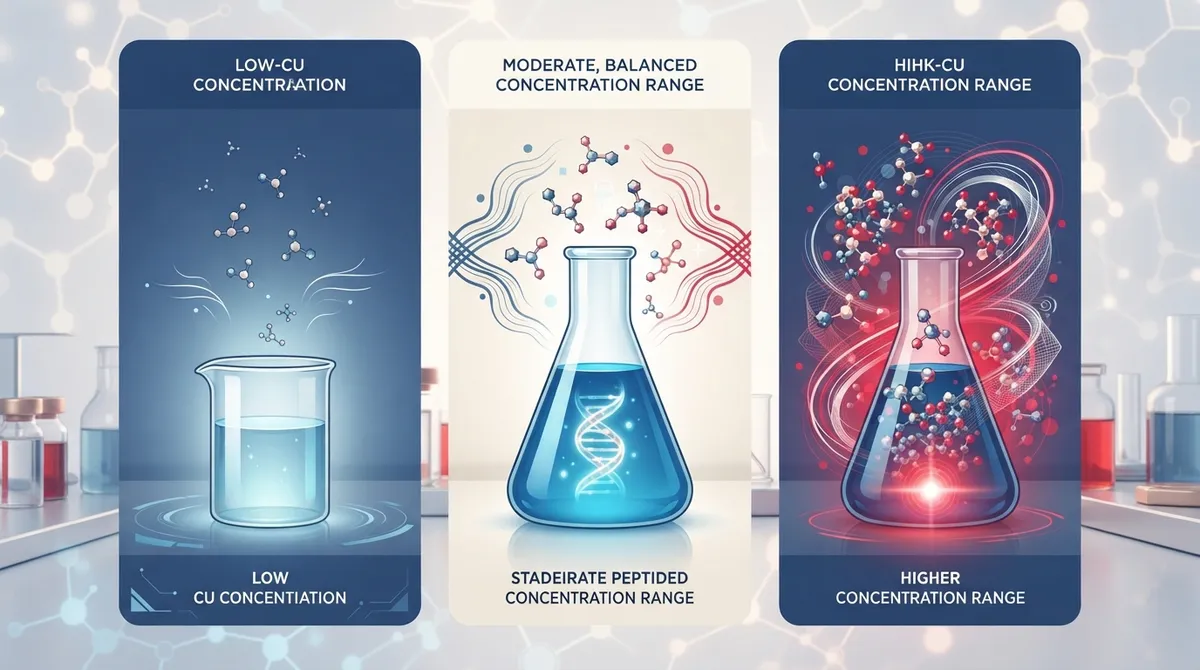
Recent 2026 dosage guides show a fairly consistent pattern across the wellness industry. Most topical products fall between 0.05% and 2% concentration, with many formulas clustering around the 1% to 2% mark. Some guides list broader ranges up to 3% or 4% for facial products, though these higher strengths are less common for beginners.
Here is a simple breakdown of how concentration often varies by treatment area:
|
Treatment Area |
Typical Concentration Range |
Application Frequency |
|---|---|---|
|
Eye area (sensitive skin) |
0.05% to 0.5% |
Once daily |
|
Face and neck |
1% to 2% |
Once or twice daily |
|
Scalp and hair-thinning areas |
0.5% to 1% |
Once daily |
|
General facial serums (advanced users) |
2% to 4% |
Once or twice daily |
These numbers are general guidelines, not medical prescriptions. Skin sensitivity varies widely from person to person, so starting at the lower end of any range is usually the safer choice.
Why Lower Concentrations Suit Sensitive Areas
The skin around your eyes is thinner and more delicate than skin on the rest of your face. This is why most 2026 wellness guides recommend concentrations closer to 0.05% to 0.5% for that specific area. Using a stronger formula near the eyes can increase the risk of redness or irritation.
For the scalp, moderate concentrations are typically preferred because hair follicles and scalp skin respond differently than facial skin. Many scalp-focused GHK-Cu products are formulated at 0.5% to 1%, often marketed toward those managing hair thinning or supporting a fuller-looking scalp over time.
How Often Should You Apply GHK-Cu
Application frequency is just as important as concentration. Most current guides recommend applying GHK-Cu once or twice daily, typically after cleansing the skin and before applying a moisturizer or sunscreen.
Here is a simple step-by-step routine many wellness protocols suggest:
- Cleanse the skin or scalp thoroughly to remove dirt and oil.
- Pat the area dry with a clean towel.
- Apply a small amount of GHK-Cu serum to the target area.
- Gently massage the product until fully absorbed.
- Follow with a moisturizer or sunscreen during the day.
- Repeat once or twice daily, based on your product's instructions.
Consistency tends to matter more than frequency alone. Many cosmetic routines are built around eight to twelve weeks of steady use before noticeable changes appear.
Building a Realistic Timeline
Skin and hair cycles move slowly. Collagen remodeling and hair growth cycles can take weeks or months, so patience is essential when using any topical peptide. Most 2026 sources suggest giving a product a full eight to twelve week trial before deciding whether it is working for you.
If you want a clearer picture of how your skin or scalp is changing over time, tools like body composition analysis and professional skin assessments can help track measurable progress instead of relying on guesswork.
Choosing the Right Concentration as a Beginner
If you are new to copper peptides, starting low is the safest strategy. A concentration between 0.5% and 1% allows your skin to adjust without overwhelming it. Once you understand how your skin responds, you can gradually consider higher percentages if a product calls for it.
Consider these factors when selecting a starting concentration:
- Your skin type, including whether you have sensitive or reactive skin
- The specific area you plan to treat, such as face, eyes, or scalp
- Whether you are combining GHK-Cu with other active ingredients
- Your tolerance for mild redness or tingling during the adjustment period
- Guidance from a wellness provider familiar with peptide-based skin care
Because ingredient labels are not always consistent across brands, it helps to ask a provider to review a product before you commit to a routine. This is especially true if you already use other active treatments, such as retinoids or acids, that could interact with copper peptides.
Potential Side Effects to Watch For
GHK-Cu is generally well tolerated in topical form, but side effects can still occur, particularly at higher concentrations. Common reactions include mild redness, dryness, or a temporary tingling sensation.
Here are signs that suggest you should pause use and consult a provider:
- Persistent redness that does not fade within a day
- Itching or burning that worsens with continued use
- Unexpected breakouts or clogged pores
- Swelling around the eyes or application site
- Any signs of an allergic reaction, such as hives
If you experience any of these symptoms, stop use and speak with a healthcare provider. A quick visit to a wellness clinic can help determine whether the reaction is related to the peptide, another ingredient, or an unrelated skin condition.
Is GHK-Cu Right for Primary Care Patients
It is important to separate cosmetic wellness use from evidence-based medical treatment. GHK-Cu is not a standard prescription medication, and it is not used to treat diagnosed medical conditions in the same way a prescribed drug would be. Instead, it fits within the broader category of skin and wellness optimization.
Patients interested in whole-body wellness often pair topical peptide routines with other services, such as DNA gene testing to better understand skin aging tendencies, or IV hydration and vitamin drips to support overall skin health from the inside out. Combining internal wellness strategies with topical care often produces more noticeable, lasting results.
For patients specifically focused on hair thinning, providers may also discuss options like hair restoration services, which can complement a topical peptide routine for a more comprehensive approach.
Working With a Wellness Provider
Because GHK-Cu products vary widely in quality and concentration, working with a trusted clinic can prevent wasted money on ineffective formulas. A provider can also help you rule out underlying issues, such as hormonal imbalances or nutrient deficiencies, that might be affecting your skin or hair independently of any topical treatment.
InCare's team, including providers like Dr. Naveen Paddu and Dr. Pramjeet Ahluwalia, take a whole-body approach to wellness, looking beyond a single product to address the root causes of skin and hair concerns.
Comparing GHK-Cu to Other Wellness Peptides
GHK-Cu is one of several peptides used in modern wellness routines. Understanding how it compares to other options can help you decide whether it fits your goals.
|
Peptide |
Primary Use |
Typical Application |
|---|---|---|
|
GHK-Cu |
Skin firmness, scalp support |
Topical |
|
BPC-157 |
Tissue recovery support |
Injectable or oral, provider supervised |
|
CJC-1295 |
Growth hormone support |
Injectable, provider supervised |
|
Thymosin Alpha-1 |
Immune system support |
Injectable, provider supervised |
Notice that GHK-Cu stands apart because it is almost exclusively used topically in consumer wellness settings, while many other peptides require provider oversight due to their injectable nature. This makes GHK-Cu a more accessible entry point for people new to peptide-based skin care.
Steps to Start a Safe GHK-Cu Routine
If you are ready to try a GHK-Cu serum, following a structured approach can reduce your risk of irritation and improve your chances of seeing results.
- Consult a wellness provider to discuss your skin or scalp goals.
- Choose a product with a clearly labeled concentration between 0.5% and 2%.
- Patch test the product on a small area of skin before full use.
- Apply once daily for the first one to two weeks to monitor tolerance.
- Increase to twice daily if your skin tolerates the product well.
- Track changes over eight to twelve weeks before adjusting concentration.
- Schedule a follow-up wellness visit to review your progress.
This step-by-step method mirrors how many wellness clinics guide patients through new treatment introductions, whether for skin care, weight management, or other wellness clinic services.
Why Whole-Body Wellness Matters
Skin and hair health rarely exist in isolation. Nutrition, hydration, sleep, and hormone balance all play a role in how your body responds to topical treatments like GHK-Cu. This is why a primary care and wellness approach often produces better results than isolated cosmetic purchases.
Services such as cancer screening and medically supervised weight loss programs may seem unrelated to a skin serum, but they reflect the same philosophy: addressing your health as a connected system rather than treating symptoms in isolation. For readers exploring wellness options in Tampa or Riverview, this comprehensive approach often makes the biggest difference in long-term results.
Patients often share their experiences on social platforms like Facebook and Instagram, while shorter wellness tips and clinic updates are frequently posted on Tik Tok. These channels can be useful for staying informed about new wellness trends, though they should never replace a conversation with a licensed provider.
Bringing It All Together
GHK-Cu dosage, in the context of primary care and wellness, almost always refers to topical concentration rather than a medical prescription. Most consumer products fall between 0.05% and 2%, with many clustering around 1% to 2% for facial use and lower percentages recommended for sensitive areas like the eyes. Application once or twice daily, paired with patience over an eight to twelve week period, tends to produce the most realistic results.
Because product quality and concentration vary so widely, working with an experienced wellness team can help you avoid guesswork. If you live in the Tampa or Riverview area and want personalized guidance on skin, scalp, or whole-body wellness, our locations offer a convenient starting point. You can also visit us on Google — InCare to see what current patients say about their experience.
Ready to build a wellness routine backed by real medical guidance? Reach out to our team today or schedule your visit online now to start a plan built around your specific skin, scalp, and whole-body goals.
FAQs
Q: What is the recommended GHK-Cu dosage for topical use?
A: Most topical GHK-Cu products range from 0.05% to 2% concentration, with 1% to 2% being common for facial use. Beginners should start on the lower end of this range to assess skin tolerance before increasing strength.
Q: Is GHK-Cu used on the face or scalp?
A: GHK-Cu is used on both areas, though concentrations often differ. Facial formulas typically range from 1% to 2%, while scalp products are usually formulated at 0.5% to 1% to suit hair-thinning routines.
Q: How often should GHK-Cu serum be applied?
A: Most wellness guides recommend applying GHK-Cu once or twice daily after cleansing and before moisturizer. Consistent use over eight to twelve weeks is typically needed to see visible results.
Q: Can GHK-Cu be injected, or is topical use safer?
A: While some sources mention injectable protocols, topical application is the standard and safer approach for wellness use. Injectable copper peptides are not typical evidence-based primary care treatments and should only be considered under direct medical supervision.
Q: What are the side effects of GHK-Cu?
A: Common side effects include mild redness, dryness, or temporary tingling, especially at higher concentrations. Persistent irritation or allergic reactions should prompt you to stop use and consult a healthcare provider.