Key Takeaways
- Clinical studies show GHK-Cu improved wrinkle volume by 55.8% and wrinkle depth by 32.8% versus control groups, with results visible after 8-12 weeks of consistent daily use.
- GHK-Cu increased collagen gene expression by 70-90% in cosmetic studies, outperforming vitamin C (50%) and retinoic acid (40%) in procollagen synthesis comparisons.
- Topical GHK-Cu has a strong safety profile with adverse event rates below 1.8% across 47 clinical trials; only mild temporary reactions like redness (4.2%) or itching (2.8%) reported.
- Start GHK-Cu with a patch test, apply once daily (typically evening), pair with daily sunscreen, and expect results after 8-12 weeks rather than days for realistic outcomes.
- Most robust evidence supports topical GHK-Cu application over injectable or systemic use, which lack large-scale human studies and are not standard primary care treatments.
- Combine GHK-Cu with whole-body wellness strategies including consistent sleep, hydration, antioxidant-rich diet, and sun protection to maximize anti-aging results.
Anti-aging skincare has moved far beyond creams and serums picked off a store shelf. Today, more people are asking their doctors about science-backed ingredients that actually work at a cellular level. GHK-Cu, a copper peptide found naturally in your body, has become one of the most talked-about options for reducing wrinkles and improving skin quality. If you have seen this ingredient mentioned online and wondered whether it deserves a spot in your wellness routine, this guide breaks down what the research actually shows.
At InCare, patients in Tampa and Riverview often ask about peptides, skin health, and whole-body wellness during their visits. Understanding how GHK-Cu works, what benefits are realistic, and how to use it safely can help you make an informed decision. This article walks through the science, the evidence, and practical steps for adding this peptide to your anti-aging plan.
What Is GHK-Cu and Why Does It Matter for Anti Aging?
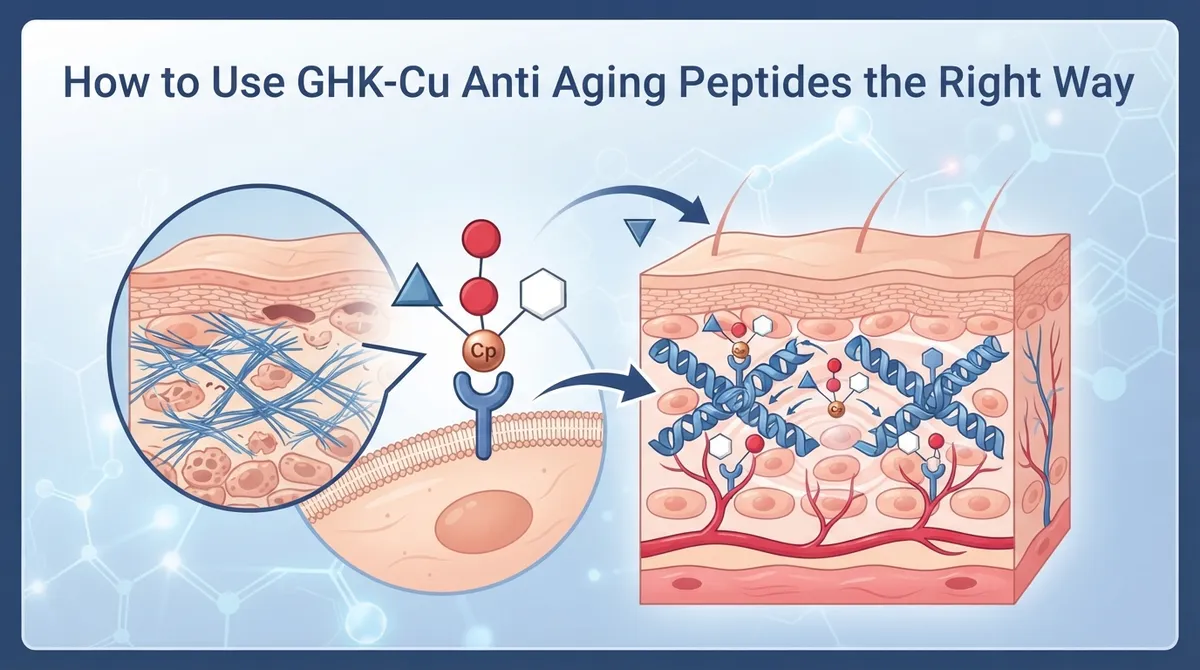
GHK-Cu stands for glycyl-L-histidyl-L-lysine copper. It is a small copper-binding peptide that occurs naturally in human plasma, saliva, and urine. Levels of this peptide are higher in younger people and decline steadily with age, which is one reason researchers became interested in its role in skin repair.
In wellness and skincare settings, GHK-Cu is mostly used as a topical ingredient. It is added to serums, creams, and other products marketed for wrinkle reduction, firmer skin, and better texture. According to a peer-reviewed summary published on PMC, this peptide has protective and regenerative actions on skin cells, which explains its popularity in anti-aging formulas.
How GHK-Cu Works in the Skin
Researchers believe GHK-Cu supports several processes tied to youthful-looking skin. These include:
- Stimulating collagen and elastin production in the dermis
- Supporting antioxidant activity that helps protect skin cells from damage
- Encouraging wound healing and tissue repair
- Reducing inflammation linked to visible aging signs
- Helping regulate genes involved in skin repair pathways
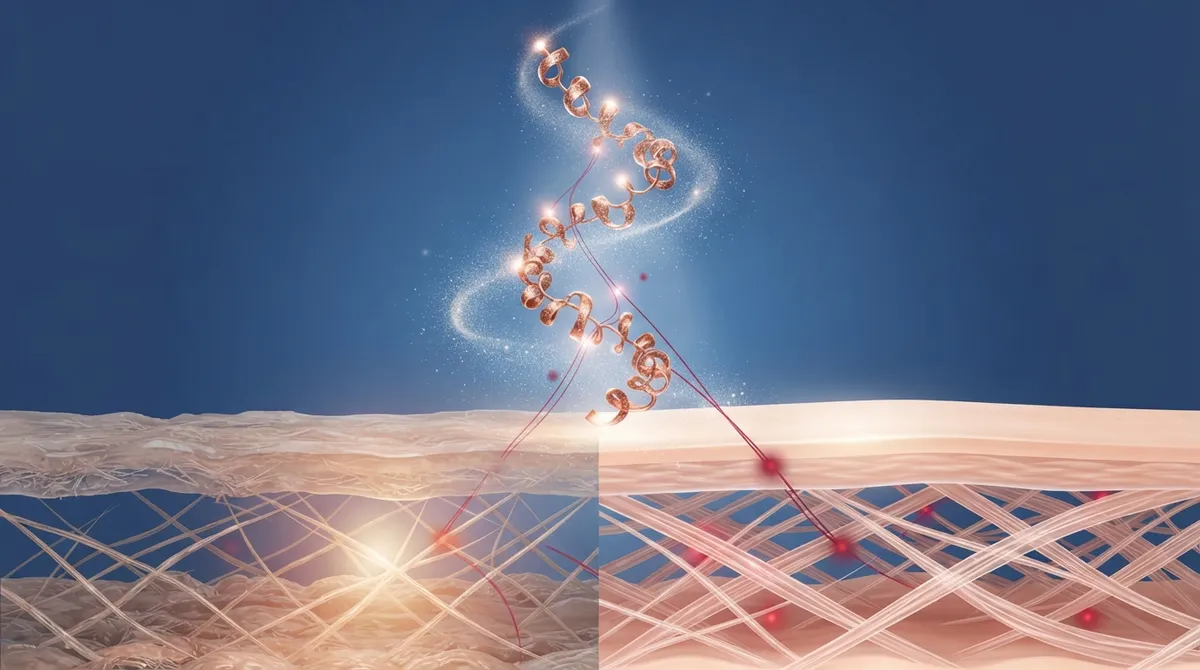
A 2026 evidence review reported that topical GHK-Cu increased Type I and Type III collagen gene expression by 70 to 90 percent in cited cosmetic studies. This is a meaningful finding, since collagen loss is one of the main drivers of sagging skin and deep wrinkles as we age.
Does GHK-Cu Really Reduce Wrinkles? The Evidence So Far
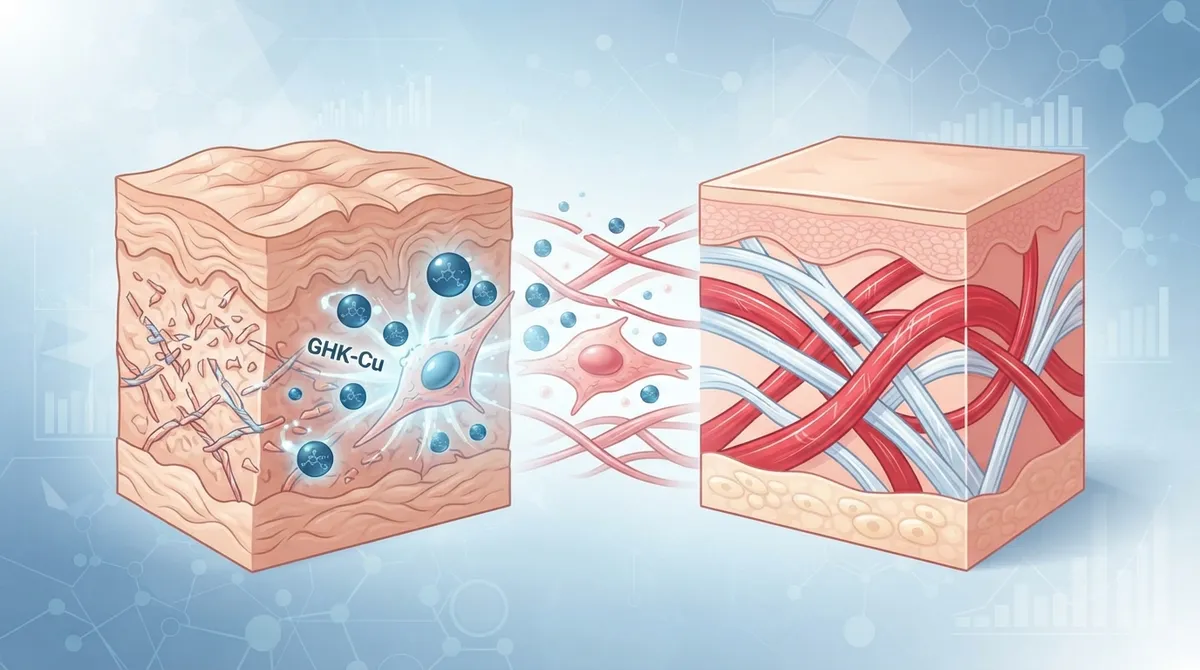
The short answer is that early clinical data looks promising, though most studies remain small in scale. A controlled facial study found that GHK-Cu improved wrinkle volume by 55.8 percent and wrinkle depth by 32.8 percent compared with a control group. That is a substantial difference for a topical ingredient.
Another often-cited review followed 71 women with facial photoaging over 12 weeks. Researchers reported improvements in skin density, thickness, laxity, fine lines, and wrinkle depth. These results support GHK-Cu as one of the better-studied peptides for signs of sun damage and aging skin.
Key Clinical Findings at a Glance
|
Study Focus |
Result |
|---|---|
|
Wrinkle volume (controlled facial study) |
Improved by 55.8% vs. control |
|
Wrinkle depth (controlled facial study) |
Improved by 32.8% vs. control |
|
Photoaging study, 71 women, 12 weeks |
Better skin density, thickness, laxity, fine lines |
|
Procollagen synthesis (comparative model) |
70% of GHK-Cu subjects vs. 50% vitamin C, 40% retinoic acid |
|
Collagen gene expression (2026 review) |
Increased 70-90% in cited cosmetic studies |
These numbers are encouraging, but it is worth noting that human clinical evidence for GHK-Cu is still limited compared to more established ingredients. Most trials involve small groups over a period of weeks to a few months, not large multi-year studies.
Is GHK-Cu Better Than Retinol or Vitamin C?
This is one of the most common questions people ask when comparing anti-aging ingredients. The honest answer is that each ingredient works differently, and none is universally "better" for every skin type.
Comparing Common Anti-Aging Ingredients
|
Ingredient |
Main Mechanism |
Best Suited For |
|---|---|---|
|
GHK-Cu |
Collagen support, antioxidant, wound repair |
Photoaging, fine lines, skin laxity |
|
Retinol |
Cell turnover, collagen stimulation |
Wrinkles, texture, acne-prone skin |
|
Vitamin C |
Antioxidant, brightening, collagen support |
Dullness, uneven tone, sun damage |
One review noted that in a comparative model, GHK-Cu increased procollagen synthesis in 70 percent of treated subjects, compared with 50 percent for vitamin C and 40 percent for retinoic acid. This suggests GHK-Cu may have an edge in some collagen-related outcomes, but real-world results depend heavily on skin type, product formulation, and consistency of use.
How to Use GHK-Cu Safely for Anti-Aging Results
If you are considering adding GHK-Cu to your skincare or wellness routine, following a clear plan can help you get better results while reducing the chance of irritation.
Steps for Starting a GHK-Cu Routine
- Talk with a healthcare provider about your skin goals and any existing conditions.
- Choose a topical product with a clearly listed GHK-Cu concentration.
- Patch test on a small area of skin before full application.
- Apply as directed, typically once daily, often in the evening.
- Pair with sunscreen during the day, since sun damage can undo progress.
- Track your skin's response over 8 to 12 weeks before judging results.
- Adjust frequency if you notice redness, dryness, or irritation.
Consistency matters more than speed. Since most studies measure results after several weeks, expecting overnight change is unrealistic. Patience combined with steady use tends to produce the best outcomes.
Is GHK-Cu Safe to Use Every Day?
Safety data for topical GHK-Cu is generally favorable. A 2026 safety review summary reported adverse event rates below 1.8 percent across 47 clinical trials of topical GHK-Cu. A separate 2023 review summary found only mild, temporary reactions such as redness in 4.2 percent of participants and itching in 2.8 percent, out of 512 people studied.
These numbers suggest that most people tolerate topical GHK-Cu well. Still, product quality and concentration matter. Lower-quality products or those with unclear labeling may carry more risk of irritation or inconsistent results.
Who Should Be Cautious With GHK-Cu
- People with known copper sensitivities or allergies
- Those with active skin infections or open wounds in the treatment area
- Pregnant or breastfeeding individuals, who should check with a provider first
- Anyone using multiple active skincare ingredients at once, due to interaction risk
- People new to peptide skincare who have not patch tested the product
Topical vs. Injectable GHK-Cu: What the Research Shows
Most of the strong evidence behind GHK-Cu comes from topical, cosmetic use. Injectable or systemic applications have far less supporting research, and they are not considered a standard treatment in primary care settings. A review published on PMC discusses GHK-Cu's role as a modulator of multiple cellular pathways, but notes that much of this research is still preclinical or based on small trials rather than large-scale human data.
For most people interested in anti-aging benefits, topical application remains the better-supported and lower-risk option. Anyone considering other delivery methods should discuss this carefully with a qualified provider rather than relying on unregulated products.
How Long Does It Take to See Results?
Based on published research, visible changes in skin texture and fine lines often appear after 8 to 12 weeks of consistent use. The photoaging study mentioned earlier followed participants for 12 weeks before reporting measurable improvements in skin density and laxity.
This timeline is similar to other well-known anti-aging ingredients. Skin renewal cycles take time, and collagen remodeling is a gradual process. Setting realistic expectations from the start can help you stay consistent long enough to see actual benefits.
Why Whole-Body Wellness Matters Alongside Skincare
Anti-aging is not just about what you put on your skin. Sleep quality, hydration, nutrition, and hormone balance all play a role in how your skin looks and functions. This is why many patients pair topical treatments with broader wellness strategies through services like IV hydration and vitamin drips, which support hydration and nutrient levels from the inside out.
Some patients also explore DNA gene testing to better understand their unique aging patterns and risk factors. Combining this kind of insight with topical peptide use allows for a more personalized approach to skin and overall health.
Supporting Habits for Better Skin Health
- Stay hydrated throughout the day, not just when you feel thirsty
- Get consistent, quality sleep to support skin repair cycles
- Eat a diet rich in antioxidants and lean protein
- Limit unprotected sun exposure, which accelerates visible aging
- Schedule regular wellness visits to track your overall health trends
Talking to Your Primary Care Provider About GHK-Cu
Because GHK-Cu products vary widely in quality and concentration, it helps to loop in a healthcare provider before starting a new routine. A knowledgeable provider can review your skin history, medications, and goals to help you choose a safe, realistic plan.
At InCare's Tampa and Riverview locations, our team takes a whole-person approach to wellness, looking beyond a single product or ingredient. If you are curious about how skin health fits into your broader wellness plan, our providers are available to walk you through your options during a primary care visit.
Questions Worth Asking Your Provider
- Is GHK-Cu a good fit for my skin type and health history?
- How does this compare with other anti-aging options I am using?
- Are there interactions with medications or other skincare products?
- What concentration or product type would you recommend?
- How should I track progress over the coming months?
Common Mistakes to Avoid With GHK-Cu
Even a well-studied ingredient can underperform if used incorrectly. Avoid these common missteps:
- Expecting results within days instead of weeks
- Skipping sunscreen while using active peptide products
- Choosing unverified products with vague or missing ingredient lists
- Combining too many active ingredients at once, increasing irritation risk
- Ignoring mild redness or itching instead of adjusting frequency
Being mindful of these details can make the difference between a frustrating experience and a routine that actually delivers results over time.
Why Patients Trust InCare for Wellness Guidance
InCare has built a reputation across Tampa and Riverview for combining medical expertise with modern wellness technology. Patients consistently highlight the friendly, attentive care they receive, and the practice holds a 4.8 out of 5 rating on Google from hundreds of reviews. You can visit us on Google — InCare to read patient experiences firsthand.
Whether you are exploring peptide-based skincare, considering body composition analysis, or simply looking for a trusted annual wellness visit, InCare's team is equipped to guide you. You can also follow along with wellness tips and updates on Facebook, Instagram, and TikTok for practical health content.
Bringing It All Together
GHK-Cu stands out as one of the more researched copper peptides in the anti-aging space, with solid early evidence for reducing wrinkle depth, improving skin density, and supporting collagen production. While it is not a miracle cure, and most of its strongest evidence applies to topical use rather than injections, it remains a reasonable option for people looking to address photoaging and fine lines.
As with any wellness decision, pairing good information with professional guidance leads to better outcomes. If you want personalized advice on GHK-Cu, skincare, or a broader anti-aging strategy, our team is ready to help. Reach out to our team today or book your appointment now to start building a wellness plan tailored to your skin and health goals.
FAQs
Q: What is GHK-Cu and how does it work for anti-aging?
A: GHK-Cu is a naturally occurring copper peptide that supports collagen production, antioxidant activity, and skin repair. It is most commonly used in topical serums and creams designed to reduce fine lines and improve skin texture.
Q: Does GHK-Cu really reduce wrinkles?
A: Clinical studies show promising results, including one controlled study reporting a 55.8% improvement in wrinkle volume and a 32.8% improvement in wrinkle depth compared to control. However, most trials remain small, so results can vary between individuals.
Q: Is GHK-Cu safe to use on the face every day?
A: Safety data for topical GHK-Cu is generally favorable, with adverse event rates below 1.8% reported across 47 clinical trials. Mild, temporary reactions like redness or itching occur in a small percentage of users, so patch testing is recommended before daily use.
Q: Can GHK-Cu be injected or is it only for topical use?
A: The strongest evidence for GHK-Cu supports topical cosmetic use rather than injectable or systemic applications. Injectable use has much weaker supporting research and is not an established treatment in standard primary care.
Q: How long does it take to see results from GHK-Cu?
A: Most clinical studies measure visible improvements after 8 to 12 weeks of consistent use. Patience and regular application are key, since skin renewal and collagen remodeling take time.