Key Takeaways
- Glutathione is a tripeptide made of three amino acids that your body produces naturally; while it does support antioxidant defense and liver function, many popular wellness claims about detox and anti-aging lack solid scientific evidence.
- IV glutathione carries significant safety risks including allergic reactions, liver damage, and kidney injury, with weak evidence showing it's no better than placebo for promised benefits like skin lightening or anti-aging.
- Oral glutathione supplements appear safer than injectable forms and may influence certain blood markers, but absorption varies by formulation and long-term health outcome studies remain limited.
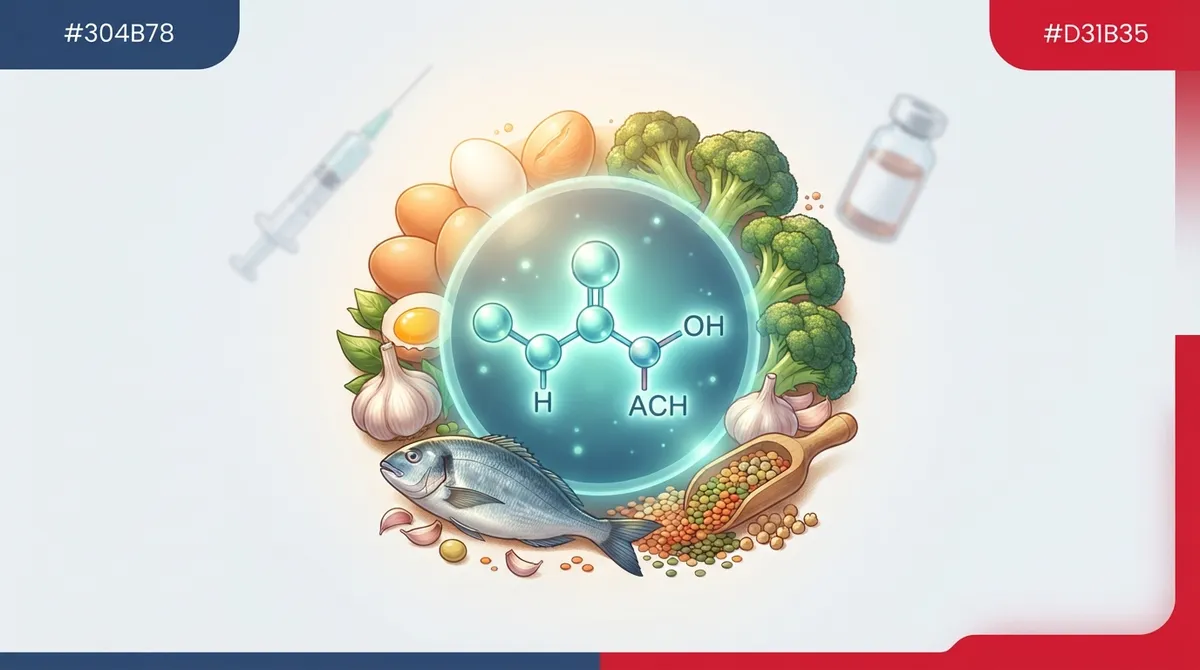
- You can support your body's natural glutathione production through diet by eating eggs, fish, legumes, cruciferous vegetables, and garlic rather than immediately turning to supplements or injections.
- There is no single agreed-upon blood test to diagnose 'low glutathione' in healthy people, making marketing claims about easily testing and fixing deficiency levels scientifically unfounded.
- Before considering any glutathione product, consult a primary care provider about your medications, kidney/liver function, and specific health goals to avoid unnecessary risks and interactions.
The glutathione molecule has become a popular topic in wellness clinics across Tampa and Riverview. Patients ask about it during annual visits, weight loss consultations, and IV therapy appointments. But most people don't actually know what this molecule does or how it works inside the body. Understanding the science behind glutathione can help you make smarter choices about your health, rather than chasing trendy claims that lack solid evidence.
This guide breaks down what the glutathione molecule actually is, what it does, and what current research really shows. Whether you're a busy parent looking into preventive care, a young professional exploring wellness optimization, or someone curious about IV hydration therapy, this article gives you the facts. We'll separate what science supports from what remains unproven, so you can talk to your primary care provider with confidence.
What Is the Glutathione Molecule?
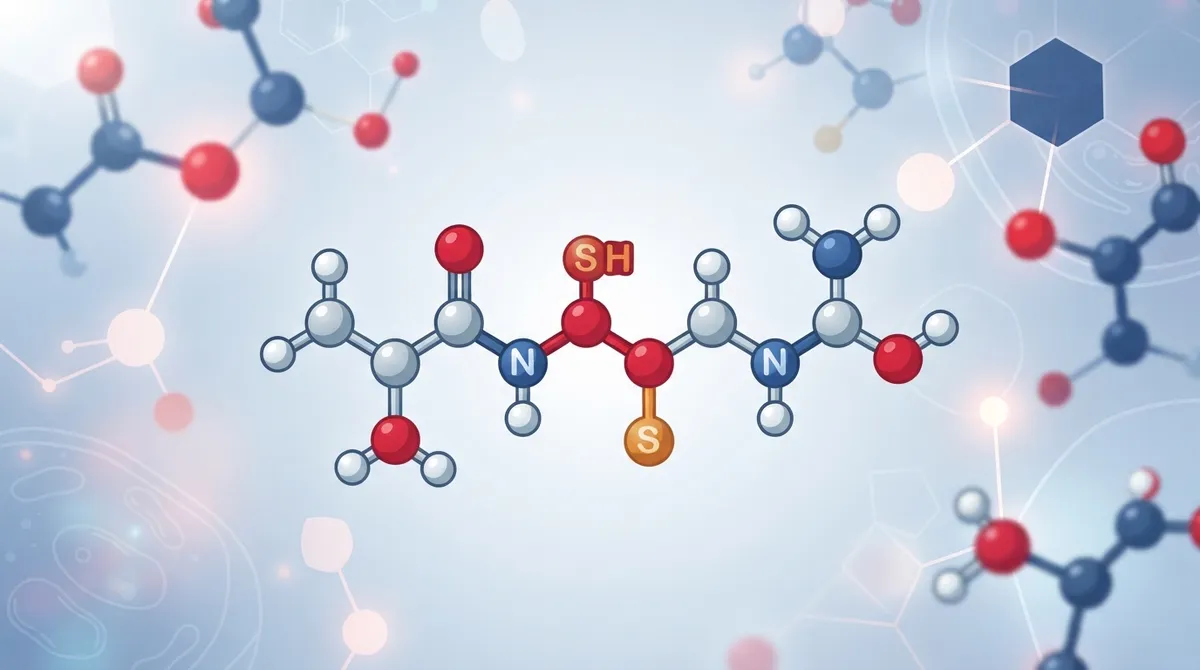
Glutathione (GSH) is a small molecule made of three amino acids. These are glutamate, cysteine, and glycine. Scientists call this type of molecule a tripeptide because it links three amino acids together.
Your body makes glutathione on its own. It doesn't need to come from food, though nutrition can support production. Glutathione is found in nearly every cell, but it plays an especially big role in the liver.
Here's why the liver matters so much. Your liver handles detoxification and metabolism of many substances. Glutathione helps with this process by acting as a helper molecule during certain chemical reactions.
The Basic Structure and Function
The glutathione molecule exists mostly in a form called reduced glutathione. This form can neutralize harmful molecules known as reactive oxygen species. These are unstable molecules that can damage cells over time.
When glutathione does its job, it changes into a different form called oxidized glutathione (GSSG). Your body then converts GSSG back into the original reduced form. This cycle helps keep your cells balanced and protected.
- Glutathione supports antioxidant defense at the cellular level
- It helps regulate signals between cells
- It plays a role in immune cell activity
- It supports liver metabolism and detox pathways
- It helps maintain healthy proteins inside cells

Why People Ask About Glutathione at Wellness Clinics
Many patients at InCare ask about glutathione during visits for weight loss, hair restoration, or general wellness. This interest often comes from social media claims about detox, anti-aging, or energy boosts.
The truth is more complicated. Glutathione does have real biological functions. But many popular claims go beyond what current research can prove. A primary care visit is the best place to separate fact from marketing.
Common Reasons Patients Bring It Up
- They read about glutathione as a "master antioxidant" online
- They want help with skin tone or pigmentation concerns
- They are curious about IV vitamin drips that include glutathione
- They are managing a chronic condition and heard glutathione might help
- They want general immune support during cold and flu season
If any of these sound familiar, it helps to talk with a provider who understands both the science and your personal health history. You can reach out to our team to schedule a conversation about your wellness goals.
Does the Body Make Enough Glutathione on Its Own?
Your body produces glutathione through a series of enzyme-controlled steps. Several factors can affect how much you make. These include your age, diet, stress levels, and overall health.
There is no single blood test that doctors agree on for diagnosing "low glutathione" in a healthy person. This is an important point. Many wellness marketing claims suggest you can easily test and fix low glutathione, but the science isn't that simple yet.
Factors That May Influence Glutathione Levels
|
Factor |
Possible Effect on Glutathione |
|---|---|
|
Aging |
May reduce natural production over time |
|
Poor nutrition |
Limits raw materials needed for synthesis |
|
Chronic illness |
Can increase oxidative stress and demand |
|
High inflammation |
May deplete glutathione stores faster |
|
Cysteine availability |
Directly affects how much glutathione can be made |
Food Sources That Support Glutathione Production
Rather than jumping straight to supplements, many primary care providers recommend starting with diet. Certain foods provide the amino acids your body needs to build glutathione naturally.
Foods That Support Natural Production
- Eggs, which are rich in sulfur amino acids
- Fish and poultry for high-quality protein
- Legumes like beans and lentils
- Cruciferous vegetables such as broccoli and Brussels sprouts
- Garlic and onions, which contain sulfur compounds
Eating a balanced diet with these foods gives your body the tools it needs. This approach is generally safer and better studied than jumping straight into supplements or injections.
Oral Supplements vs. IV Glutathione: What the Evidence Shows
This is where things get more complicated. Oral glutathione supplements and IV glutathione treatments are marketed very differently, and the evidence behind them is not the same.
Oral and Topical Glutathione
Some studies show that oral glutathione can raise glutathione-related markers in the blood. A 2025 dermatology review looked at five randomized trials and one open-label study. These used doses like 250 mg once daily, 250 mg twice daily, or 500 mg once daily. Most studies showed some reduction in a skin pigment measure called the melanin index, but results varied and did not always last.
A 2026 study tested a micellar glutathione formulation at 600 mg daily for 30 days in healthy adults. Researchers found no meaningful changes in liver enzymes or kidney markers. However, this was a short study using one specific formulation. It can't tell us much about long-term safety across all products.
IV Glutathione: More Risk, Less Proof
IV glutathione is often marketed for detox, energy, immunity, or skin lightening. But the evidence for these claims is weak. A 2025 narrative review raised serious safety concerns about IV use, including reports of anaphylaxis and liver damage.
In the only placebo-controlled IV study reviewed, 6 of 16 participants improved compared to 3 of 16 in the placebo group. That difference was not statistically significant. In simple terms, the study could not prove that IV glutathione worked better than a placebo.
|
Form |
General Tolerability |
Evidence Strength |
|---|---|---|
|
Oral supplements |
Generally well tolerated |
Some support for biomarker changes; limited for major health outcomes |
|
Topical products |
Generally well tolerated |
Modest, often temporary effects on skin pigment |
|
IV/injectable |
Higher risk profile |
Weak and inconsistent; safety concerns noted |
Safety Concerns You Should Know About
Before considering any glutathione product, it helps to understand the potential risks. This is especially true for injectable forms.
Reported Risks With IV or Injectable Use
- Allergic reactions, including rare cases of anaphylaxis
- Liver stress or damage in some reported cases
- Kidney injury linked to certain formulations
- Severe skin reactions
- Infection risk from non-sterile injection practices
A 2026 systematic review looked at 194 studies on glutathione for skin aging and tissue regeneration, published between 2000 and 2025. The review's conclusion was clear: safety data for repeated IV use remains incomplete. Researchers said IV glutathione cannot yet be recommended as a proven anti-aging treatment.
Glutathione and Skin Lightening: Separating Fact From Hype
One of the biggest reasons people ask about glutathione is for skin tone concerns. This is a heavily marketed use, especially for IV treatments.
Research on oral and topical glutathione shows modest and often temporary reductions in melanin measures. A 2025 review concluded that IV glutathione lacks strong evidence for skin-lightening purposes. The review also flagged safety concerns that make it unsuitable as a routine wellness treatment.
If you're interested in skin health, a conversation with a primary care provider or dermatology-focused clinician is a better first step than a marketed IV package. Providers can help you understand realistic expectations based on current research.
What Glutathione Cannot Do
It's just as important to understand the limits of this molecule. Glutathione supplements are not a substitute for evidence-based treatment.
Conditions That Require Real Medical Evaluation
- Liver disease, which needs proper diagnosis and monitoring
- Diabetes, which requires blood sugar management strategies
- Cancer, which needs oncology-specific treatment plans
- Neurologic disease, including conditions like Parkinson's disease
- Chronic fatigue, which often has multiple underlying causes
If you're dealing with symptoms you think might relate to oxidative stress, don't rely on a commercial glutathione product alone. A proper medical evaluation can identify the real cause and the right treatment path. Our primary care team can help guide that process.
Should You Take Glutathione or N-Acetylcysteine?
N-acetylcysteine (NAC) is another compound people ask about. NAC provides cysteine, which your body needs to make glutathione.
Both glutathione and NAC are being studied for various uses. However, neither should be treated as a routine self-care choice without guidance. Your medications, kidney and liver function, pregnancy status, and allergies all matter here.
Questions to Ask Before Starting Either Option
- What is your specific health goal?
- Do you have any liver or kidney conditions?
- Are you pregnant or breastfeeding?
- What other medications or supplements do you take?
- Have you discussed this with a primary care provider?
These questions matter because supplements can interact with medications or existing health conditions in ways that aren't always obvious.
How InCare Approaches Glutathione and Wellness
At InCare, we believe in evidence-based care first. Our providers, including those featured on our providers page, take time to review your full health picture before recommending any wellness therapy.
We offer services like IV hydration and vitamin drips for patients who are good candidates, always with proper medical oversight. We also offer DNA gene testing and body composition analysis to give patients a fuller picture of their health before choosing wellness treatments.
Patients in Tampa and Riverview appreciate this thoughtful approach. You can visit us on Google — InCare to read what other patients say about their experience with our team.
Steps to Take Before Trying Any Glutathione Product
If you're still curious about glutathione after reading this, here's a simple path forward.
- Schedule a visit with a primary care provider to discuss your health history
- Ask about any current medications or conditions that could interact
- Review your diet to see if you're already getting glutathione-supporting nutrients
- Avoid IV glutathione marketed for detox or anti-aging without medical guidance
- Consider oral options only after a provider reviews your goals and risks
- Monitor for any side effects and report them right away
- Follow up regularly to track your results and adjust your plan
This step-by-step approach protects your health while still letting you explore wellness options that interest you.
Final Thoughts on the Glutathione Molecule
The glutathione molecule plays a real and important role in your body's antioxidant defense system. It supports liver function, immune activity, and cellular balance. But many popular claims about detox, anti-aging, and disease prevention go beyond what science currently supports.
Oral and topical forms appear safer than IV options, though long-term research is still limited. If you're considering any glutathione product, the smartest first step is talking with a trusted primary care provider. This helps you avoid unnecessary risks and focus on treatments backed by real evidence.
Our team at InCare serves patients across Tampa and Riverview with a focus on prevention and whole-body wellness. Follow us on Facebook or Instagram for more health tips, and check out our updates on Tik Tok. Ready to talk about your wellness goals with a provider who puts your safety first? Book your appointment today and get answers you can trust.
FAQs
Q: What is the glutathione molecule and what does it do in the body?
A: Glutathione is a small tripeptide made of three amino acids: glutamate, cysteine, and glycine. It helps protect cells from damage, supports liver metabolism, and plays a role in immune function throughout the body.
Q: Is glutathione really the body's 'master antioxidant'?
A: Glutathione does play a significant antioxidant role, but calling it a 'master antioxidant' oversimplifies its function. It works alongside many other systems in the body, and current evidence does not support broad anti-aging or disease-prevention claims.
Q: Are glutathione injections safe for wellness or detox purposes?
A: IV glutathione carries more safety concerns than oral or topical forms, including reports of allergic reactions, liver stress, and kidney issues. Evidence supporting its use for detox or wellness remains limited, so any injectable use should be discussed with a medical provider first.
Q: Can oral glutathione supplements actually raise glutathione levels?
A: Some studies show that oral glutathione can influence certain blood markers, but absorption varies based on formulation and dose. Evidence is stronger for changes in biomarkers than for major health improvements.
Q: Should I take glutathione or N-acetylcysteine (NAC) instead?
A: Both compounds are being studied for different purposes, and neither should be treated as an automatic self-care choice. A primary care provider can help you decide which option, if any, fits your specific health needs and medical history.