Key Takeaways
- GHK-Cu is a tripeptide of glycine, histidine, and lysine bound to copper; the exact amino acid sequence and copper binding are essential to its biological function, so product quality and authenticity verification matter significantly.
- Topical GHK-Cu formulations (0.05%-2% concentration) have the most research support and show general tolerability with mild adverse events in fewer than 2% of cases, while injectable or systemic use lacks standardization and clear safety data.
- Before using any GHK-Cu product, verify the full chemical name and CAS number, confirm third-party testing, compare concentration to research ranges, and consult a licensed provider—especially if considering injectable forms or if you have copper metabolism concerns.
- GHK-Cu is not FDA-approved as a prescription drug and is found in cosmetic-grade products with different regulatory standards; research primarily supports topical skin applications for wound healing, collagen production, and antioxidant effects rather than systemic benefits.
If you have spent any time researching skin health or wellness peptides, you may have come across the term GHK-Cu. This small molecule has been studied for decades, yet many patients still do not understand what it actually is or how the peptide sequence works inside the body. Understanding the science behind GHK-Cu can help you make smarter, safer choices about your wellness routine.
At InCare, patients across Tampa and Riverview often ask about copper peptides during wellness consultations. This guide breaks down the GHK-Cu peptide sequence in plain language, explains what current research shows, and outlines how it fits into a broader primary care and wellness plan.
What Is the GHK-Cu Peptide Sequence?
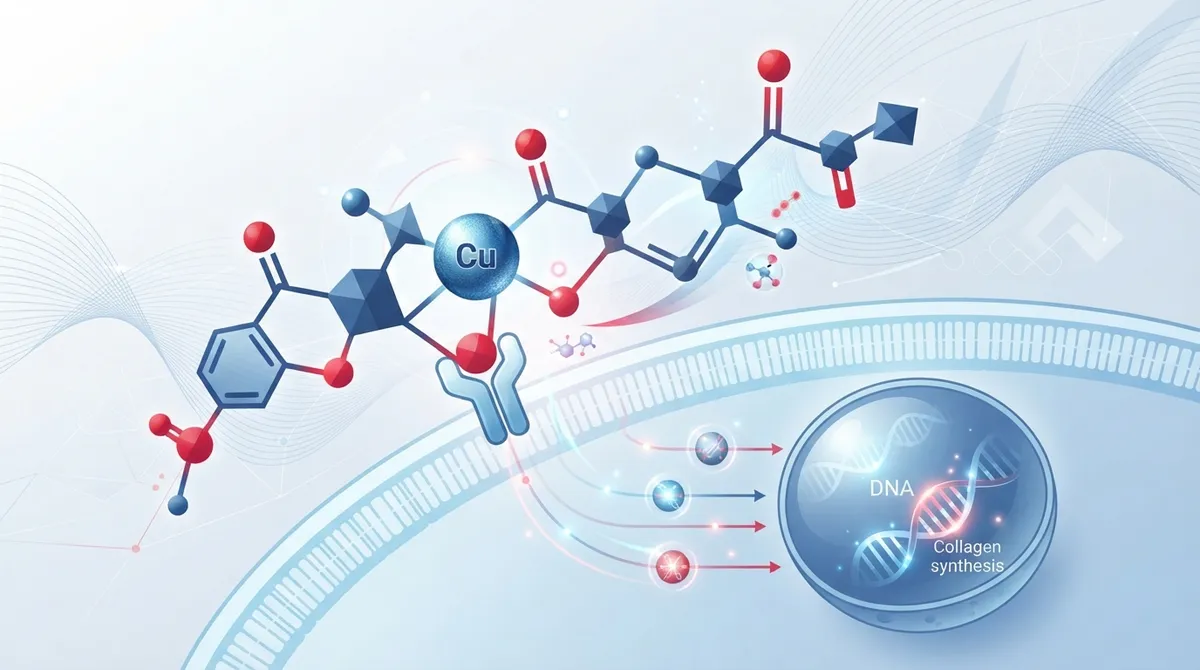
GHK-Cu stands for glycyl-L-histidyl-L-lysine bound to copper. It is often written as Gly-His-Lys or simply GHK-Cu. The name describes its exact chemical makeup, which matters when you are evaluating any wellness product.
The peptide sequence has three amino acids joined in a specific order:
- Glycine, the smallest amino acid in the chain
- Histidine, which helps bind the copper ion
- Lysine, which completes the tripeptide structure
This tripeptide naturally binds to copper, forming a stable complex known as GHK-Cu. According to a review published on PMC, part of the National Institutes of Health, this copper-binding property is central to the peptide's biological activity. The copper ion is not just attached for show. It plays an active role in how the peptide interacts with cells.
Why the Amino Acid Order Matters
The specific order of glycine, histidine, and lysine is not random. This exact sequence allows the peptide to fold in a way that lets it bind copper effectively. Change the order, and the molecule loses its ability to function the same way.
This is why product quality matters so much in wellness settings. A peptide labeled GHK-Cu should match this precise sequence and molecular structure. Reference materials describe GHK-Cu using a defined molecular formula, which allows labs to verify authenticity through testing.
What Does GHK-Cu Do for the Body?
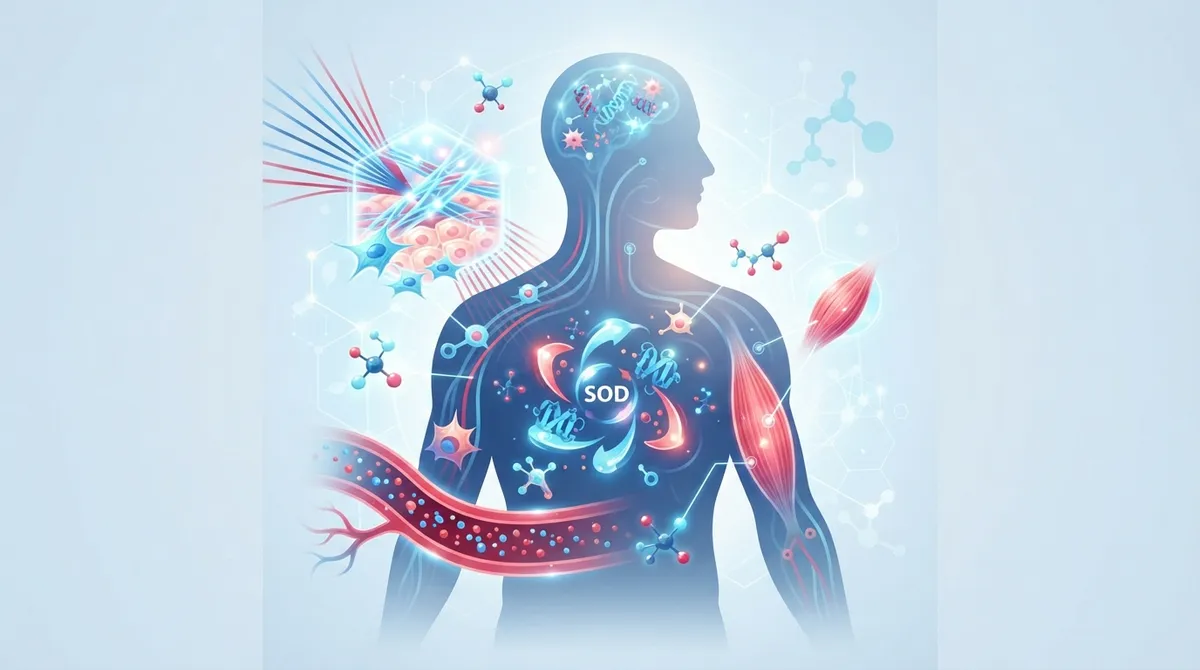
Research on GHK-Cu spans more than two decades, primarily in topical cosmetic applications. Scientists have studied its effects on skin, tissue, and cellular activity. Here is what the research has found so far.
- Supports wound healing and tissue repair processes
- May encourage angiogenesis, or the formation of new blood vessels
- Shows anti-inflammatory activity in laboratory studies
- Acts as an antioxidant, helping to reduce oxidative stress
- Has been linked to collagen and elastin production in skin tissue
These findings come largely from topical research, not systemic or injectable use. The 2018 review referenced above described multiple biologic actions but stopped short of calling GHK-Cu an approved drug therapy. It remains a compound of ongoing scientific interest rather than a standard prescription treatment.
Common Wellness Applications
In today's wellness clinics, GHK-Cu is most often discussed in these contexts:
- Topical skincare formulations aimed at skin rejuvenation
- Cosmetic-grade research products used for skin texture support
- Recovery support conversations tied to tissue health
- General discussions about antioxidant and anti-inflammatory compounds
It is not typically presented as a mainstream prescription therapy. Most human safety data focus on topical use rather than injectable or systemic applications.
How Is GHK-Cu Typically Used?
Concentration matters when it comes to topical GHK-Cu products. Published research commonly describes formulations in a low-percentage range.
|
Use Type |
Typical Concentration |
Research Status |
|---|---|---|
|
Topical Cosmetic |
0.05% to 2% |
Most studied, generally well tolerated |
|
Injectable or Systemic |
Not standardized |
Far less established, quality concerns emphasized |
|
Compounded Formulas |
Varies by provider |
Requires careful sourcing and verification |
Because injectable and systemic GHK-Cu use is not well established in mainstream medicine, patients should be cautious. Compounding quality, formulation accuracy, and sourcing all raise valid concerns that deserve attention before considering any non-topical option.
Steps to Evaluate a GHK-Cu Product
If you are considering a GHK-Cu product for skincare or wellness purposes, follow these steps before making a decision.
- Confirm the product lists GHK-Cu with its full chemical name and CAS number
- Check for third-party testing or a certificate of analysis
- Review the concentration listed and compare it to published research ranges
- Ask a licensed provider about how it fits your specific skin or wellness goals
- Avoid unverified injectable products sold without medical oversight
- Discuss any current medications or health conditions before starting use
Skipping these steps can expose you to inconsistent quality or unclear dosing, which matters more than many people realize.
Is GHK-Cu Safe to Use?
Topical GHK-Cu has a track record that many safety reviews describe as generally well tolerated. Compiled trial summaries report mild adverse events in fewer than two percent of cases for topical formulations. This suggests a reasonably low risk profile for skin-applied products.
Systemic or long-term use raises different questions. Because GHK-Cu contains copper, there are theoretical concerns about copper balance in the body over time. Clear toxicity signals are not well documented in current literature, but this does not mean systemic use should be taken lightly.
Who Should Be Cautious
- Individuals with known copper metabolism disorders
- Patients using unverified or unregulated compounded products
- Anyone considering injectable forms without medical supervision
- People with sensitive skin who have not patch-tested topical products
Speaking with a primary care provider before starting any peptide-based product is a smart first step. This is especially true if you have existing health conditions or take other medications.
GHK-Cu vs. GHK: What Is the Difference?
GHK is the tripeptide alone, without the bound copper ion. GHK-Cu is the same peptide chemically bound to copper. This difference changes how the molecule behaves biologically.
|
Feature |
GHK |
GHK-Cu |
|---|---|---|
|
Structure |
Tripeptide only |
Tripeptide bound to copper |
|
Research Focus |
Limited standalone study |
Extensive topical cosmetic research |
|
Common Use |
Rarely used alone |
Widely used in skin formulations |
|
Copper Role |
Not applicable |
Central to biologic activity |
The copper component appears essential to most of the biological effects researchers have documented. This is why nearly all wellness and cosmetic products reference GHK-Cu rather than GHK alone.
Is GHK-Cu FDA Approved?
GHK-Cu is not approved by the FDA as a prescription drug therapy. It is more commonly found in cosmetic-grade or research-grade products. This distinction matters when evaluating any claims made about its effects.
Cosmetic products containing peptides are regulated differently than prescription medications. This means marketing claims may not always reflect the same level of scientific scrutiny as an approved drug. Patients should approach bold claims with a healthy dose of skepticism and rely on primary sources when possible.
How InCare Approaches Wellness and Skin Health
At InCare, the goal is always whole-body wellness backed by real science. Our team in Tampa and Riverview helps patients sort through wellness trends to find what actually supports their health goals. Whether you are curious about peptide therapy options in Tampa or want a broader wellness assessment, our providers offer honest, evidence-based guidance.
Many patients pair their skin and wellness interests with other services, such as DNA gene testing to understand personal health risks, or body composition analysis to track progress over time. Others explore IV hydration and vitamin drips as part of a broader recovery and energy support plan. Our providers, including Dr. Naveen Paddu and Dr. Pramjeet Ahluwalia, take time to explain the science behind any treatment before recommending it.
Why Working With a Provider Matters
Self-directed research is a good starting point, but it should not replace professional guidance. A licensed provider can help you:
- Understand which wellness products are backed by solid evidence
- Avoid products with unclear sourcing or inconsistent quality
- Fit new treatments into your existing health plan safely
- Monitor for any unexpected reactions over time
- Make informed decisions based on your personal health history
InCare's approach to primary care centers on prevention and personalized attention. This means every wellness conversation, including questions about peptides like GHK-Cu, gets grounded in real medical expertise rather than marketing hype.
Building a Smarter Wellness Routine
Whether you are exploring skin health, recovery support, or general prevention, a step-by-step approach works best. Consider this simple framework:
- Start with a comprehensive wellness visit to establish a baseline
- Ask your provider about evidence-based options relevant to your goals
- Introduce new products or treatments one at a time
- Track results honestly over several weeks or months
- Adjust your plan based on what your body actually shows you
This measured approach reduces risk and helps you avoid wasting money on unproven trends. It also gives your provider clear information to guide future recommendations.
Patients who want to see real feedback from others can visit us on Google — InCare to read reviews from the Tampa and Riverview communities. You can also follow ongoing wellness tips and updates on our Facebook page, our Instagram account, or our TikTok channel.
Final Thoughts on GHK-Cu and Whole-Body Wellness
The GHK-Cu peptide sequence represents an interesting area of ongoing research, particularly for skin health and tissue support. Its three-part structure of glycine, histidine, and lysine bound to copper gives it unique biological properties that scientists continue to study. Still, most reliable evidence supports topical use rather than injectable or systemic applications.
If you are curious about how peptides, wellness technology, or preventive screenings could fit into your health plan, our team is ready to help. You can reach out to our care team with your questions, or go ahead and schedule your wellness appointment today at one of our Tampa or Riverview locations. Making informed, evidence-based choices is the best way to protect your health and your investment in wellness.
FAQs
Q: What is the GHK-Cu peptide sequence?
A: GHK-Cu is a tripeptide made of glycine, histidine, and lysine bound to a copper ion. This exact sequence allows the molecule to bind copper and interact with skin and tissue cells in research settings.
Q: What does GHK-Cu do for skin?
A: Research suggests GHK-Cu may support wound healing, collagen production, and antioxidant activity in skin tissue. Most of this evidence comes from topical cosmetic studies rather than clinical drug trials.
Q: Is GHK-Cu safe to use?
A: Topical GHK-Cu is generally described as well tolerated, with low rates of mild adverse events reported in trial summaries. Systemic or injectable use is less studied and should only be considered with medical guidance.
Q: Is GHK-Cu approved by the FDA?
A: GHK-Cu is not FDA approved as a prescription drug. It is typically found in cosmetic-grade or research-grade products rather than regulated pharmaceutical treatments.
Q: What is the difference between GHK and GHK-Cu?
A: GHK is the tripeptide alone, while GHK-Cu is the same peptide bound to a copper ion. The copper component is central to most of the biological effects researchers have documented in topical studies.