Key Takeaways
- Retatrutide is a triple-agonist drug targeting GIP, GLP-1, and glucagon receptors that showed 20.8% average weight loss and up to 1.6 A1C reduction in 80-week trials, but remains unapproved and not yet available for clinical use.
- Early trial data demonstrates retatrutide may offer combined benefits for type 2 diabetes and weight management simultaneously, but long-term outcomes for heart disease, kidney disease, and diabetes remission still require years of additional research.
- FDA-approved alternatives like semaglutide and tirzepatide are available today and should be discussed with your provider while retatrutide completes regulatory approval; unverified products claiming to be retatrutide carry serious safety risks.
- Common side effects include nausea, vomiting, diarrhea, and reduced appetite similar to other GLP-1 drugs; patients need close monitoring for low blood sugar, adequate hydration, and nutrition when combined with other glucose-lowering medicines.
If you live with type 2 diabetes and extra weight, you know the two problems feed each other. Managing one often means fighting the other. A new investigational drug called retatrutide is changing how doctors think about treating both conditions at the same time. Early study results show numbers that seem almost too good to be true. But before you get excited, you need the full picture.
This guide breaks down what retatrutide is, what the research actually shows, and how patients in Tampa and Riverview can talk with their doctor about safe, effective options for diabetes and weight management today. At InCare, our providers stay current on emerging treatments so you get honest, evidence-based guidance rather than hype.
What Is Retatrutide?
Retatrutide is an experimental, once-weekly injectable medicine. It is still being tested in clinical trials and is not yet approved by the FDA. Unlike older diabetes drugs that target one hormone pathway, retatrutide works on three at once.
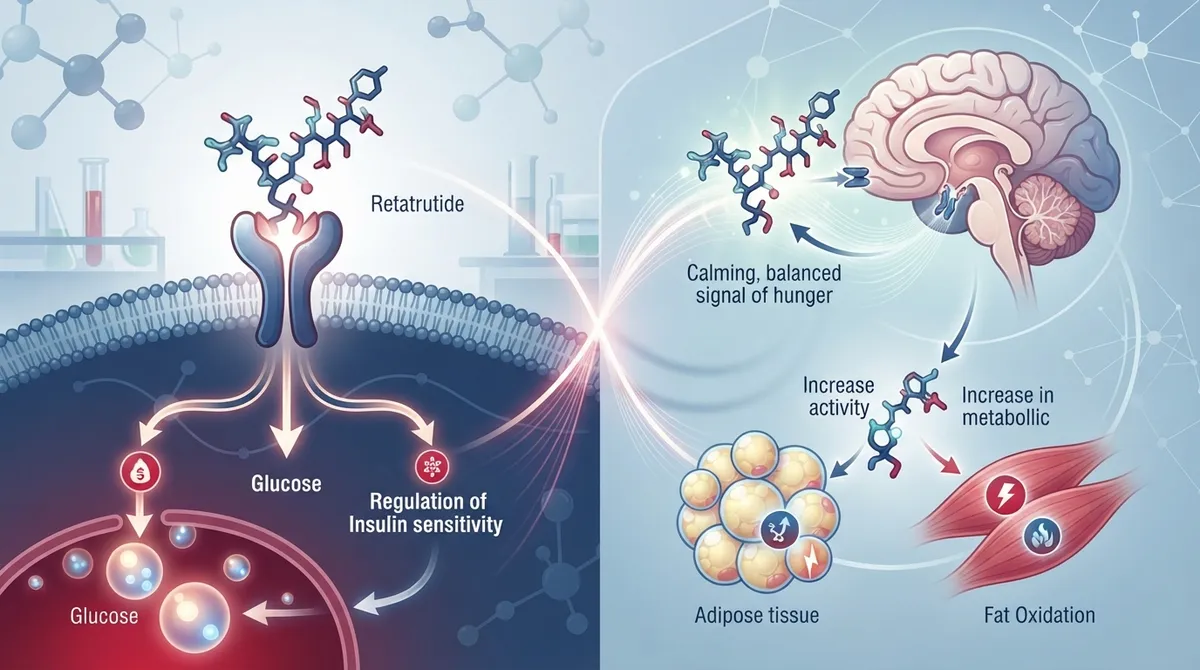
It activates receptors for GIP, GLP-1, and glucagon. These three hormones all play a role in blood sugar control, appetite, and how your body burns energy. By working on all three, retatrutide aims to lower blood sugar, reduce hunger, and increase calorie burning at the same time.
Because it targets multiple pathways, researchers call it a "triple agonist." This is different from combining separate diabetes and weight-loss medicines. Retatrutide is one molecule doing several jobs. Patients should never try to combine it with other GLP-1 drugs, tirzepatide, or insulin without direct guidance from a licensed clinician.
How Retatrutide May Help With Diabetes and Weight Loss Together
The idea of treating diabetes and obesity with one medicine is appealing. Weight loss itself can improve insulin resistance. It can also lower blood pressure and reduce strain on the heart. When a single treatment supports both goals, patients may find it easier to stick with their care plan.
Here is how the combined approach may work in practice:
- Better blood sugar control. Retatrutide activates GIP and GLP-1 receptors, which help the pancreas release insulin more efficiently after meals.
- Reduced appetite. The GLP-1 activity slows digestion and increases feelings of fullness, which can lower daily calorie intake.
- Higher energy expenditure. The glucagon receptor activity may help the body burn more calories at rest.
- Lower cardiometabolic risk. Significant weight loss combined with better glucose control may reduce strain on the heart and blood vessels over time.
These mechanisms sound promising, but it is important to separate trial results from proven long-term outcomes. Reduced A1C and weight loss are measurable in trials. Reduced heart attacks, kidney disease, or death from diabetes complications require years of additional study.
What the Clinical Trials Actually Show
Two major Phase 3 trials give us the clearest picture so far. The first is called TRANSCEND-T2D-1. It included about 537 adults with recently diagnosed type 2 diabetes who had not achieved control through diet and exercise alone. Participants received retatrutide as their only diabetes medicine for 40 weeks.
The results, released by Eli Lilly in 2026 and discussed by the American Diabetes Association, were striking. At the highest studied dose, participants saw meaningful improvements in both weight and blood sugar.
|
Trial |
Duration |
Dose |
Average Weight Loss |
A1C Reduction |
|---|---|---|---|---|
|
TRANSCEND-T2D-1 |
40 weeks |
12 mg |
16.8% (about 36.6 lbs) |
Up to 2.0 percentage points |
|
TRIUMPH-2 |
80 weeks |
4 mg |
12.7% |
Up to 1.6 percentage points |
|
TRIUMPH-2 |
80 weeks |
9 mg |
19.1% |
Up to 1.6 percentage points |
|
TRIUMPH-2 |
80 weeks |
12 mg |
20.8% |
Up to 1.6 percentage points |
The second trial, TRIUMPH-2, studied adults who had both overweight or obesity and type 2 diabetes. Over 80 weeks, participants at the highest dose lost an average of 20.8% of their body weight. A1C reductions reached up to 1.6 percentage points.
For context, a separate Phase 3 trial in people without diabetes reported even larger average weight loss, up to 28.3% at 80 weeks. However, results in people without diabetes should not be applied directly to patients managing both conditions. Diabetes changes how the body responds to weight-loss treatments.
What These Numbers Mean for Your Health
Losing 15 to 20 percent of body weight is a substantial change. For many patients with type 2 diabetes, this level of weight loss could mean:
- Lower doses of other diabetes medicines over time
- Improved blood pressure and cholesterol numbers
- Reduced joint strain and improved mobility
- Better sleep quality and reduced risk of sleep apnea
- Improved energy levels and daily function
Still, the available research described in these trials does not yet establish long-term benefits for heart disease, kidney disease, or diabetes remission. Those outcomes require dedicated studies that follow patients for many more years. A drop in A1C and body weight is a strong signal, but it is not the same as proof of reduced heart attacks or extended lifespan.
Is Retatrutide Approved for Use?
Not yet. Retatrutide remains an investigational drug. It has not received FDA approval for diabetes or weight management as of late 2026. This means it is not something your primary care provider can prescribe outside of a clinical trial setting.
You may see products online claiming to be retatrutide. These are not verified pharmaceutical products. Their identity, strength, sterility, and safety cannot be confirmed. Using unverified compounds carries real risk, including infection, incorrect dosing, and unknown side effects. Always talk to a licensed clinician before considering any product marketed under this name.
How Retatrutide Compares to Other Treatments
Patients often ask how retatrutide stacks up against medicines already available today, such as semaglutide and tirzepatide. Here is a simple comparison based on their mechanism of action.
|
Medicine |
Receptor Targets |
Approval Status |
Typical Use |
|---|---|---|---|
|
Semaglutide |
GLP-1 |
FDA approved |
Type 2 diabetes and weight management |
|
Tirzepatide |
GIP and GLP-1 |
FDA approved |
Type 2 diabetes and weight management |
|
Retatrutide |
GIP, GLP-1, and glucagon |
Investigational only |
Studied for diabetes and weight loss combined |
Because retatrutide adds glucagon receptor activity, some researchers believe it may produce larger weight-loss results than currently approved options. However, until it completes full regulatory review, patients should rely on approved treatments discussed with their care team. If you want to learn more about how semaglutide works as GLP-1 therapy, or how tirzepatide compares for weight loss, your provider can walk you through both options in detail.
Safety Considerations and Side Effects
Retatrutide's side effect profile, based on trial data, looks similar to other incretin-based therapies already on the market. Reported issues include:
- Nausea and vomiting
- Diarrhea or constipation
- Reduced appetite
- Possible gallbladder symptoms
Patients using retatrutide alongside insulin or other glucose-lowering drugs need close monitoring for low blood sugar. Hydration and nutrition also matter, since reduced appetite can sometimes lead to inadequate intake of key nutrients. Anyone considering a future retatrutide treatment should discuss their full medical history, current medicines, and any digestive conditions with their care provider first.
Steps to Take While Waiting for Approval
You do not have to wait for a future drug to start improving your diabetes and weight outcomes today. Consider these steps:
- Schedule a comprehensive visit to review your current A1C, weight, and cardiometabolic risk factors.
- Ask your provider about FDA-approved options like semaglutide or tirzepatide if you have not tried them yet.
- Request body composition analysis to track fat mass and muscle changes beyond the number on a scale.
- Explore DNA gene testing to understand how your genetics may affect metabolism and weight management.
- Build a personalized plan through a medical weight loss program that combines nutrition, activity, and medicine when appropriate.
These steps put you in a strong position now, and they make it easier to add newer treatments later if and when they receive approval.
Why Working With a Primary Care Team Matters
Diabetes and weight management are not one-time fixes. They require ongoing monitoring, adjustments, and support. A dedicated primary care team can track your labs, watch for side effects, and adjust your plan as new treatments become available.
At InCare, our providers in Tampa and Riverview combine advanced tools like metabolic breath analysis with personalized primary care services to help patients manage chronic conditions like diabetes. We also offer IV hydration and vitamin therapy to support energy and recovery during weight-management journeys. You can read more about our approach on Facebook and Instagram, where we share patient education and clinic updates regularly.
Many patients also follow peptide and metabolic research through trusted channels like the InCare TikTok page, where our team breaks down complex topics like retatrutide in simple terms.
Frequently Asked Questions About Retatrutide
Below are quick answers to common patient questions, though your provider can give you guidance specific to your health history.
Who Might Be a Candidate for Future Retatrutide Treatment
Patients who have not reached their A1C or weight goals with approved medicines may be good candidates for future clinical trials or eventual FDA-approved use. This includes people with type 2 diabetes and overweight or obesity who need more aggressive combined management. A conversation with your provider can help determine your best current options while retatrutide completes trials.
Ready to take a proactive step toward better diabetes and weight management? Book Now to schedule a consultation with our team, or reach out to our staff with any questions about your treatment options. You can also see what our patients say by visiting our InCare location on Google for real reviews and location details in Tampa and Riverview.
FAQs
Q: What is retatrutide, and how does it work for diabetes and weight loss?
A: Retatrutide is an investigational once-weekly injectable medicine that activates three hormone receptors: GIP, GLP-1, and glucagon. This triple action is designed to improve blood sugar control, reduce appetite, and increase calorie burning at the same time.
Q: How much weight can people with type 2 diabetes lose with retatrutide?
A: In the TRIUMPH-2 trial, adults with type 2 diabetes and overweight or obesity lost an average of 20.8% of body weight at the 12 mg dose over 80 weeks. In the shorter TRANSCEND-T2D-1 trial, patients lost up to 16.8% of body weight at 40 weeks.
Q: Is retatrutide approved by the FDA for diabetes or obesity?
A: No, retatrutide is not yet FDA approved. It remains an investigational drug still being studied in clinical trials, so it cannot be prescribed for routine diabetes or weight management care at this time.
Q: How does retatrutide compare with semaglutide or tirzepatide?
A: Semaglutide targets the GLP-1 receptor, and tirzepatide targets both GIP and GLP-1 receptors. Retatrutide adds a third target, the glucagon receptor, which may explain the larger weight-loss results seen in early trials.
Q: What are the side effects and safety risks of retatrutide?
A: Reported side effects include nausea, vomiting, diarrhea, constipation, and reduced appetite, similar to other incretin-based therapies. Patients should also be monitored for hydration, nutrition, gallbladder symptoms, and low blood sugar if used with other glucose-lowering medicines.