Key Takeaways
- Kisspeptin is a naturally occurring brain signal that controls your entire reproductive system by triggering GnRH release, which then stimulates LH and FSH production—hormones essential for ovulation and sperm production.
- Kisspeptin therapy is not FDA-approved and remains experimental; any kisspeptin supplement or injectable marketed for fertility outside clinical trials should be approached with caution.
- Many reproductive hormone problems have reversible causes like poor nutrition, excessive exercise, chronic stress, or thyroid disease that can be corrected without experimental treatments.
- Genetic studies show kisspeptin problems cause delayed puberty and infertility, but it only helps with brain-based signaling issues, not structural problems like blocked fallopian tubes or low ovarian reserve.
- Proper diagnosis through blood tests measuring LH, FSH, testosterone, estrogen, and prolactin levels should come before any treatment, as thorough evaluation often identifies treatable underlying causes.
- Whole-body wellness factors including body composition, nutrition, sleep quality, and stress management directly influence hypothalamic signaling and reproductive hormone function.
If you have struggled with irregular periods, unexplained infertility, or low sex drive, you may have searched online for answers. During that search, you might have come across a hormone called kisspeptin. This hormone is getting attention in fertility research, but there is a lot of confusion about what it actually does and whether it can help you. This guide explains kisspeptin in simple terms and shows you what steps to take if you think your reproductive hormones need attention.
Kisspeptin is not a supplement you can buy at a store. It is a naturally occurring signal in your brain that controls your entire reproductive system. Understanding how it works can help you have better conversations with your doctor about fertility, hormone imbalances, and overall reproductive wellness. At InCare, our providers in Tampa and Riverview help patients get to the root of hormone-related concerns through thorough testing and personalized care plans.
What Is Kisspeptin and Why Does It Matter?
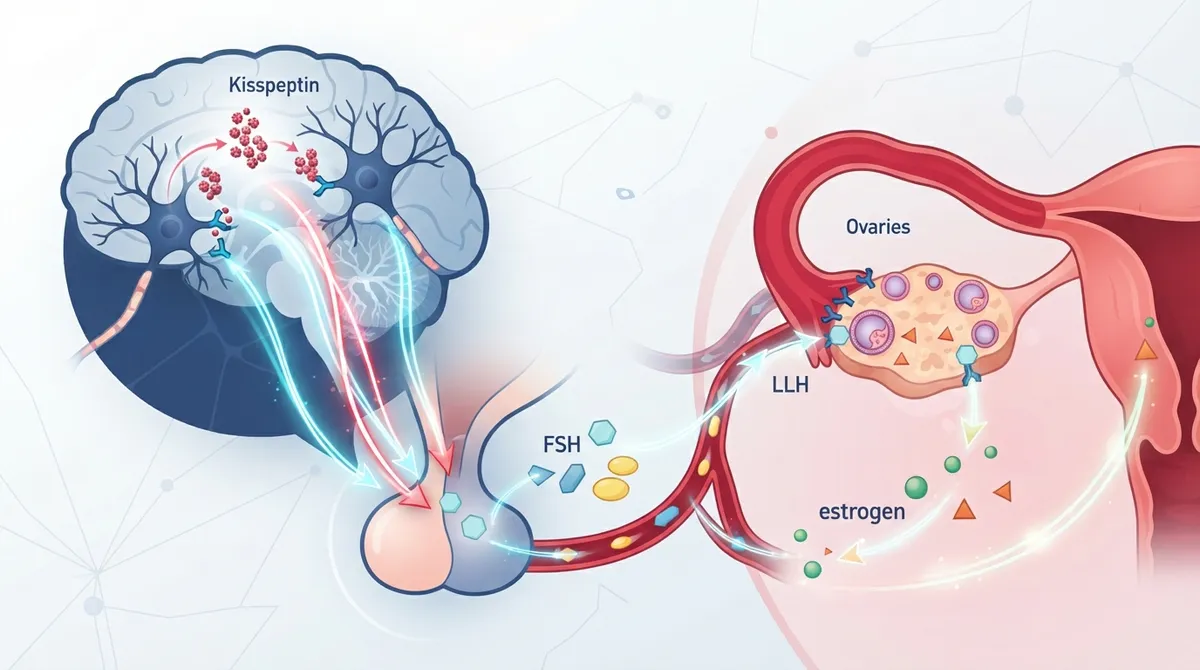
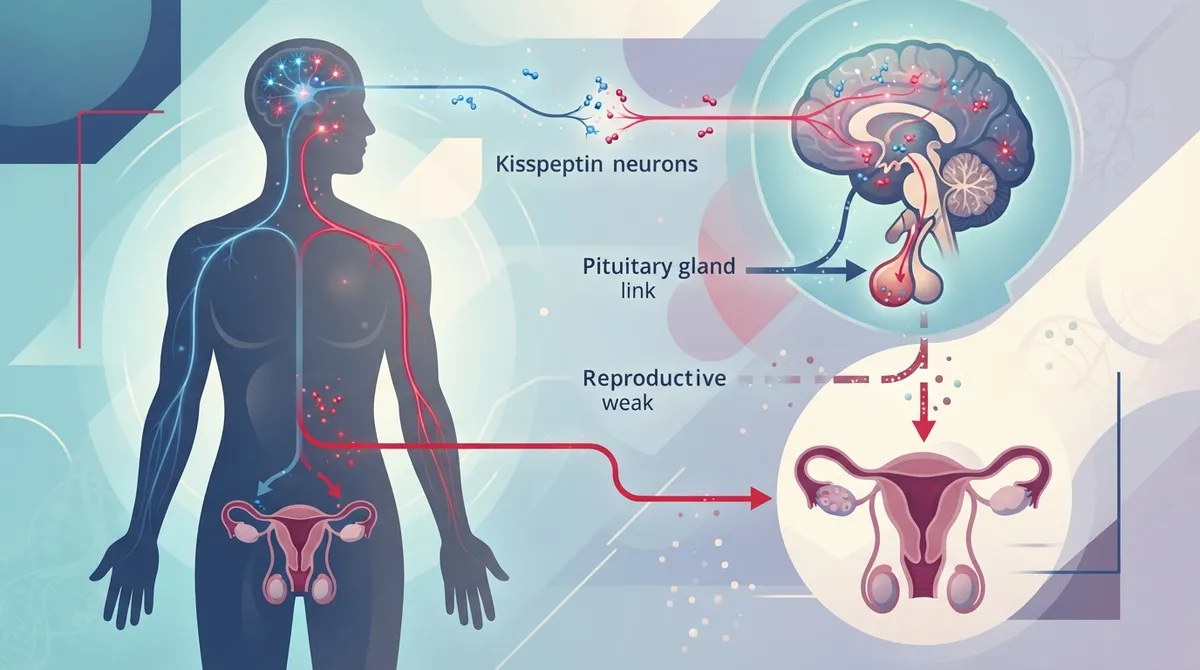
Kisspeptin is a small protein made by a gene called KISS1. It works by attaching to a receptor in your brain called KISS1R, sometimes also called GPR54. Think of kisspeptin as a light switch that turns on your reproductive system.
When kisspeptin activates its receptor, it tells your hypothalamus to release another hormone called GnRH. GnRH then signals your pituitary gland to release two more hormones: luteinizing hormone (LH) and follicle-stimulating hormone (FSH). These two hormones control ovulation in women and sperm production in men.
Without kisspeptin working properly, this entire chain of signals breaks down. This is why researchers believe it plays such an important role in reproductive health.
How Kisspeptin Affects Your Body
- Triggers the release of GnRH from the hypothalamus
- Stimulates LH and FSH production from the pituitary gland
- Supports normal ovulation timing in women
- Helps regulate sperm production in men
- Plays a role in starting puberty at the right age
- Influences testosterone and estrogen levels
Conditions Linked to Kisspeptin Problems
When the kisspeptin signaling pathway does not work correctly, it can lead to several reproductive health issues. Genetic studies have shown that people born without working kisspeptin or KISS1R genes often experience delayed puberty and infertility. This proves how essential this pathway is for normal reproductive development.
Health Conditions Connected to Kisspeptin Signaling
|
Condition |
What Happens |
Who It Affects |
|---|---|---|
|
Hypothalamic Amenorrhea |
Periods stop due to low hypothalamic signaling |
Women, often linked to stress or low body weight |
|
Idiopathic Hypogonadotropic Hypogonadism |
Low sex hormones from weak GnRH signals |
Men and women |
|
Kallmann Syndrome |
Genetic condition causing delayed or absent puberty |
Men and women |
|
Polycystic Ovary Syndrome (PCOS) |
Hormone imbalance affecting ovulation |
Women |
|
Hyperprolactinemia (select cases) |
High prolactin disrupts reproductive hormone signals |
Men and women |
It is important to know that kisspeptin is not a cure-all for infertility. It may help when the problem starts in the brain's signaling system. It will not fix issues like blocked fallopian tubes, low ovarian reserve, or testicular failure, since these problems happen outside the kisspeptin pathway.
What Does the Research Actually Show?
Scientists have studied two main forms of this hormone: kisspeptin-54 and kisspeptin-10. Kisspeptin-54 has 54 amino acids, while kisspeptin-10 is a shorter, active piece often used in research studies.
A well-known review of human studies found that giving kisspeptin through an IV can quickly raise LH levels. It can also raise FSH and testosterone levels, though usually to a smaller degree. However, this research comes from early-phase studies, not large trials that prove long-term benefits.
Current Clinical Trials Worth Knowing About
- A study registered as NCT05896293 is testing subcutaneous, pulsed kisspeptin doses in people with idiopathic hypogonadotropic hypogonadism. This trial includes both men and women.
- Trial NCT00914823 enrolled close to 496 participants to study kisspeptin's effects on reproductive hormones.
- Trial NCT01952782 included about 128 participants in similar hormone research.
- Smaller trials like NCT04648969 and NCT05633966 studied groups of 24 and 50 participants.
Reviews published as recently as 2025 confirm that kisspeptin therapy protocols are still not standardized. Doctors do not yet have an approved kisspeptin drug to prescribe for infertility. This means any product marketed as a kisspeptin supplement or injectable for fertility outside of a clinical trial should be approached with real caution.
Signs You Should Talk to a Doctor About Reproductive Hormones
Instead of searching for unregulated peptide products, focus on getting proper testing and diagnosis first. Many reproductive hormone issues have known, treatable causes that do not require experimental therapies.
Common Warning Signs to Watch For
- Missed or irregular periods for three months or longer
- Delayed puberty in a teenager
- Low sex drive that does not improve with lifestyle changes
- Difficulty getting pregnant after a year of trying
- Symptoms of low testosterone in men, like fatigue or reduced muscle mass
- Erectile difficulties that persist over time
If you notice any of these signs, a visit to a primary care provider is a smart first step. Our team can order the right bloodwork and refer you to a specialist if needed.
How Primary Care Evaluates Reproductive Hormone Concerns
Good primary care does not jump straight to experimental treatments. Instead, it looks for the root cause of your symptoms using a structured process.
Steps Your Doctor May Take
- Review your full medical history, including menstrual cycle patterns or sexual health concerns.
- Order blood tests to check LH, FSH, testosterone, estrogen, and prolactin levels.
- Test thyroid function, since thyroid problems can mimic reproductive hormone issues.
- Ask about nutrition, exercise habits, and stress levels, since these can suppress hypothalamic signaling.
- Review current medications that might affect hormone levels.
- Refer you to an endocrinologist or fertility specialist if results point to a hypothalamic or pituitary cause.
This kind of thorough workup often uncovers reversible causes like excessive exercise, poor nutrition, or high stress. Addressing these factors can restore normal hormone function without needing any experimental peptide therapy.
Reversible Causes That Mimic Kisspeptin Problems
Many patients assume something is deeply wrong with their hormones when the real issue is more common than expected. Here is a table showing frequent, correctable causes of hypothalamic signaling problems.
|
Cause |
How It Affects Hormones |
Possible Fix |
|---|---|---|
|
Low calorie intake or eating disorders |
Signals the brain that the body is not ready for reproduction |
Nutrition counseling, weight restoration |
|
Excessive exercise |
Creates energy deficit that suppresses GnRH release |
Adjusting training intensity or volume |
|
Chronic stress |
Raises cortisol, which can interfere with reproductive hormones |
Stress management, sleep improvement |
|
Thyroid disease |
Disrupts hormone balance throughout the body |
Thyroid medication and monitoring |
|
High prolactin |
Suppresses GnRH signaling |
Medication or addressing the underlying cause |
Why Whole-Body Wellness Supports Reproductive Health
Reproductive hormones do not work in isolation. Your metabolism, sleep quality, and overall body composition all influence how well your hypothalamus signals your reproductive system. This is why a wellness-focused approach often matters as much as targeted hormone testing.
Wellness Services That Support Hormone Balance
- Body composition analysis to track how muscle and fat levels affect hormone health
- Metabolic breath analysis to understand how your body uses energy
- DNA gene testing to identify inherited risk factors for hormone conditions
- IV hydration and vitamin drips to support overall energy and recovery
- Medically supervised weight loss programs for patients whose weight is affecting hormone signaling
These services work together with standard bloodwork to give you a complete picture of your reproductive health. Many patients find that correcting nutritional gaps or improving metabolic health resolves symptoms that once seemed mysterious.
What to Expect During Your Visit
Walking into a doctor's office to discuss fertility or hormone concerns can feel intimidating. Knowing what to expect can ease that stress and help you get the most out of your appointment.
Your First Reproductive Health Visit Checklist
- Write down your menstrual cycle dates or symptom patterns for the past three months.
- List any medications and supplements you currently take.
- Note your exercise routine and typical daily food intake.
- Be ready to discuss stress levels, sleep habits, and any recent weight changes.
- Prepare questions about testing options and possible next steps.
Our providers, including Dr. Pramjeet Ahluwalia and Dr. Naveen Paddu, take time to listen to your full history before recommending any testing. This approach avoids unnecessary treatments and focuses on what will actually help you.
The Bottom Line on Kisspeptin and Fertility
Kisspeptin is a fascinating discovery that has changed how scientists understand reproductive hormone control. It plays a real, essential role in triggering the hormone cascade that leads to ovulation, sperm production, and puberty. However, kisspeptin therapy itself remains experimental and is not an approved treatment you can access through primary care or fertility clinics.
If you are dealing with fertility struggles, irregular cycles, or low hormone symptoms, the smartest path is proper testing and diagnosis. Many causes are treatable once identified, and specialist referral is available when needed. You can learn more about how our team supports patients through services like annual wellness visits and comprehensive lab testing.
Take the Next Step With InCare
You do not have to figure out confusing hormone symptoms on your own. Our Tampa and Riverview locations offer thorough testing, compassionate providers, and a whole-body approach to reproductive wellness. Patients consistently praise our team, including office manager Beth, for making visits feel comfortable and unhurried.
See what real patients say by visiting our InCare location on Google, where we maintain a 4.8-star rating from hundreds of reviews. You can also follow our latest health tips on Facebook and Instagram, or catch quick wellness videos on TikTok.
Ready to get answers about your reproductive health? Contact our team today or book your appointment now to start your path toward better hormone health.
FAQs
Q: What is kisspeptin and how does it affect fertility?
A: Kisspeptin is a hormone made by the KISS1 gene that triggers the release of GnRH in the brain. This starts a chain reaction that leads to LH and FSH release, which controls ovulation and sperm production. Without proper kisspeptin signaling, reproductive hormones cannot function normally.
Q: Can kisspeptin help women with hypothalamic amenorrhea ovulate?
A: Research suggests kisspeptin may help in cases where amenorrhea is caused by weak hypothalamic signaling, but this remains experimental. Current studies show short-term hormone increases, not proven long-term ovulation restoration. Women with this condition should work with a doctor to identify and treat reversible causes first.
Q: Is kisspeptin approved for infertility treatment?
A: No, kisspeptin is not an FDA-approved treatment for infertility. It remains in early-phase clinical research, with no standardized protocol for primary care or fertility clinic use. Patients should be cautious of any product marketed as a proven kisspeptin fertility treatment.
Q: Could kisspeptin be used as an IVF trigger instead of hCG?
A: Kisspeptin is being studied as a possible alternative to hCG for triggering ovulation during assisted reproduction. However, this use remains investigational and is not a standard part of IVF protocols today. More research is needed before it becomes a routine clinical option.
Q: What are the risks and side effects of kisspeptin therapy?
A: Because kisspeptin therapies are still experimental, their full safety profile is not well established through large trials. Early studies report generally mild, short-term hormonal effects, but data on long-term risks remains limited. Anyone considering peptide therapy should only do so under medical supervision and clinical trial protocols.