Key Takeaways
- Kisspeptin is a brain hormone that triggers LH and FSH release to initiate ovulation, but it remains investigational and not approved for routine fertility treatment outside monitored IVF settings.
- Early research shows kisspeptin-54 may reduce severe OHSS risk by 33.6-fold compared to hCG triggers, but evidence is limited to small high-risk IVF patient groups.
- A single kisspeptin injection triggers an LH surge within 5 hours lasting 12-15 hours, with egg maturation rates reaching 86-95% depending on dose, making it effective for one-time IVF triggers.
- Repeated kisspeptin dosing fails for PCOS treatment due to tachyphylaxis, where the body's response weakens with each dose; only 2 women ovulated in a small PCOS study after three weeks of twice-daily injections.
- Kisspeptin should never be self-administered or purchased as an over-the-counter supplement; patients with ovulation problems must first see a primary care provider for thorough evaluation of underlying causes.
- Long-term safety data in humans remains limited, with current data from only 150+ participants showing no serious adverse events in short-term single-dose use, requiring caution about broader applications.
If you have been researching ovulation problems, you may have come across a hormone called kisspeptin. It sounds like something out of a science fiction story, but it is actually a real neuropeptide that helps control your reproductive hormones. For women dealing with irregular periods, unexplained infertility, or conditions like PCOS, understanding kisspeptin can help you ask better questions at your next doctor's visit. This guide breaks down what kisspeptin does, what the research actually shows, and why it should not be treated as a shortcut fertility fix.
Many women searching for answers about ovulation turn to online forums or social media before ever booking a primary care visit. That approach can lead to confusion or even risky self-treatment. At InCare, our providers believe patients deserve clear, evidence-based information before making decisions about their reproductive health.
What Is Kisspeptin and How Does It Affect Ovulation?
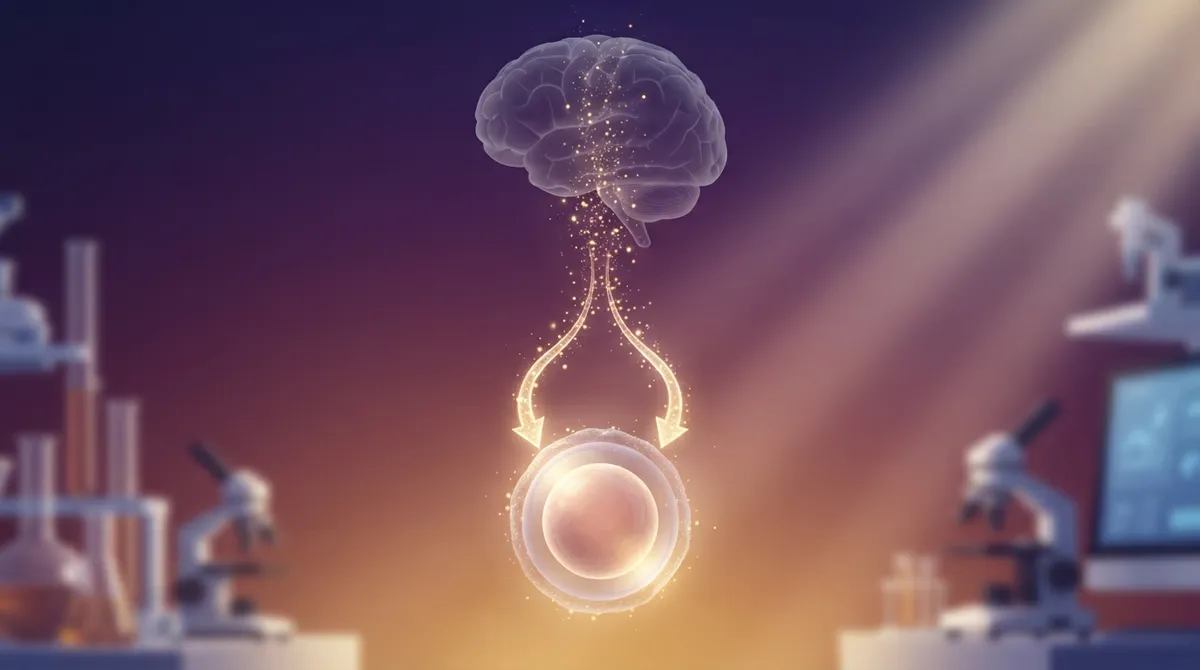
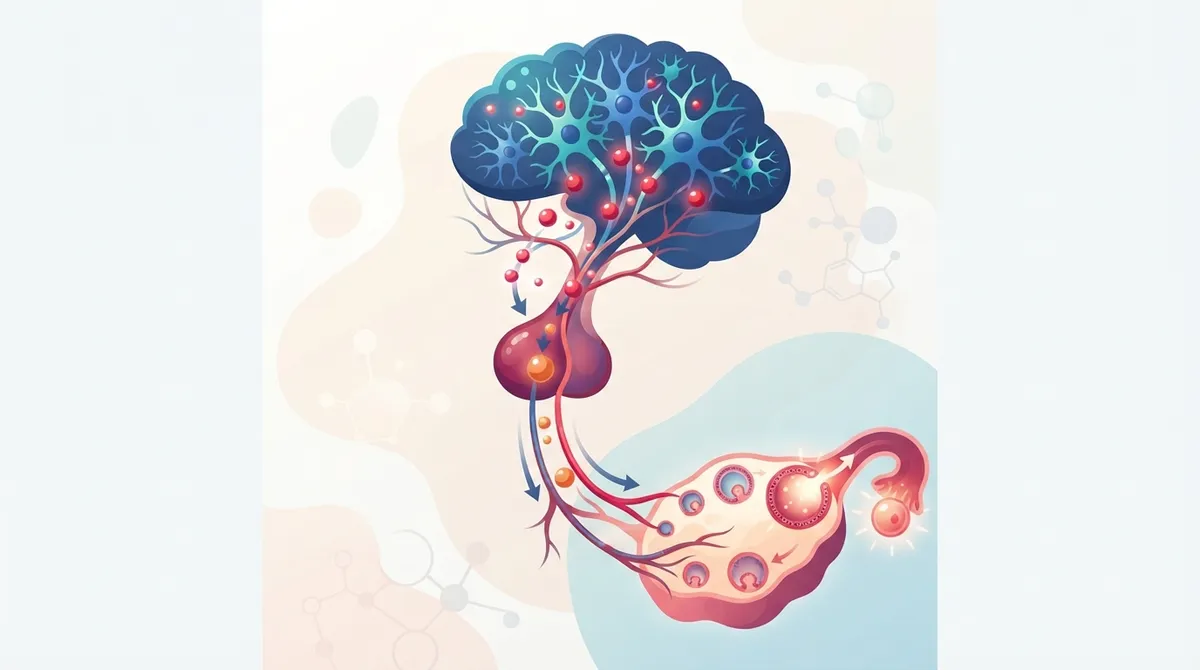
Kisspeptin is a hormone-like molecule made in the brain, specifically in an area called the hypothalamus. It acts as a messenger that tells another set of brain cells, called GnRH neurons, to release gonadotropin-releasing hormone.
This chain reaction leads to the release of two important hormones from the pituitary gland:
- Luteinizing hormone (LH), which triggers the release of an egg during ovulation
- Follicle-stimulating hormone (FSH), which helps eggs mature inside the ovaries
In simple terms, kisspeptin sits at the top of the chain that controls your monthly cycle. Without enough kisspeptin activity, the signals needed for ovulation may never fully switch on.
Why Researchers Are Studying Kisspeptin for Fertility
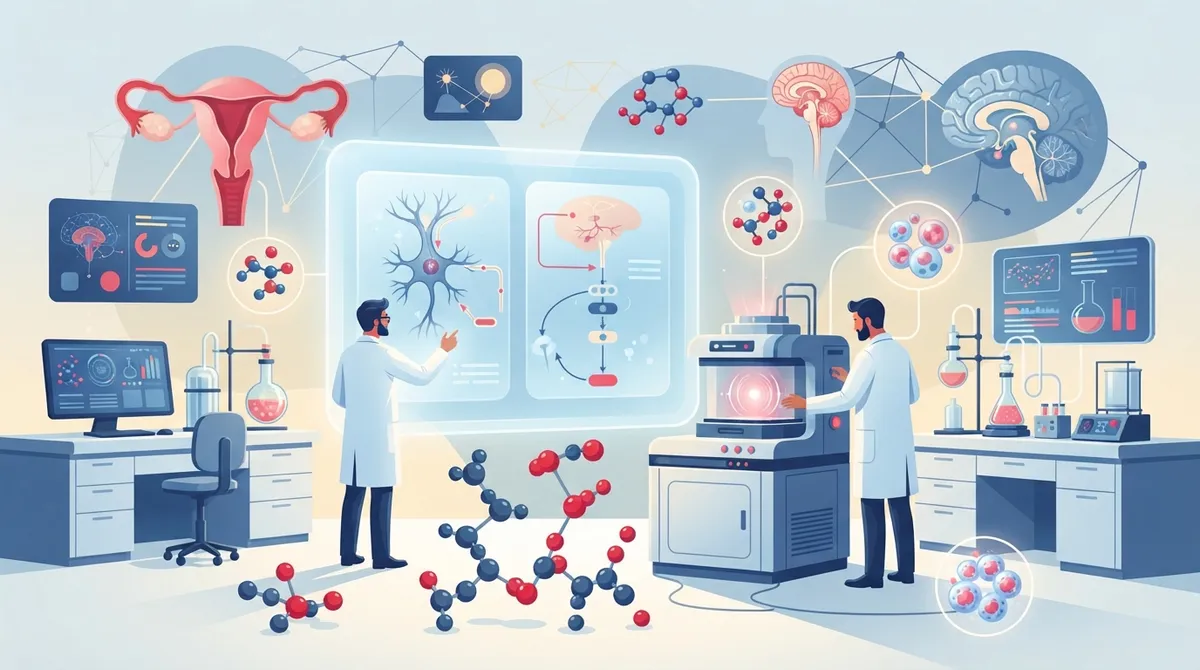
Most of the current interest in kisspeptin comes from fertility clinics, not general wellness practices. Scientists want to know if kisspeptin can be used as a safer trigger shot during in vitro fertilization (IVF).
Here is a simple breakdown of the main research use:
- A woman undergoes controlled ovarian stimulation as part of an IVF cycle.
- Instead of the standard trigger shot, she receives a single injection of a form of kisspeptin called kisspeptin-54.
- The kisspeptin injection stimulates her own natural LH surge.
- This surge helps her eggs finish maturing before retrieval.
A landmark 2014 study published in the Journal of Clinical Investigation tested this exact approach in 53 women going through IVF. The single injection successfully triggered egg maturation in the study group, based on findings later summarized in a comprehensive kisspeptin review available on PMC.
How Fast Does Kisspeptin Work?
According to that same 2014 study, the LH surge after a kisspeptin-54 injection began around 5 hours later. The surge lasted roughly 12 to 15 hours before settling back down.
This timing matters because it mimics what happens during a natural cycle, just on a controlled schedule set by the fertility team.
Kisspeptin Dosing: What the Data Shows
Not all doses of kisspeptin work the same way. A dose-ranging study summarized in Physiological Reviews looked at how different amounts affected egg maturation rates.
|
Kisspeptin-54 Dose |
Approximate Oocyte Maturation Rate |
|---|---|
|
3.2 nmol/kg |
About 53% |
|
6.4 nmol/kg |
About 86% |
|
Highest tested dose |
Approximately 95% overall across the study |
These numbers come from early clinical research and are not final treatment guidelines. Dosing protocols for kisspeptin are still being refined, and results can vary based on the study design.
Could Kisspeptin Lower the Risk of OHSS?
Ovarian hyperstimulation syndrome (OHSS) is a serious complication that can happen during fertility treatment. It causes swollen, painful ovaries and can sometimes require hospitalization.
One of the reasons researchers are excited about kisspeptin is its potential to reduce OHSS risk. A 2025 clinical review reported that kisspeptin-54 was linked to a 33.6-fold lower risk of severe OHSS compared with standard hCG triggers in a high-risk group of IVF patients.
This happens because kisspeptin works with your body's own natural hormone system, rather than flooding it with an outside hormone. The response tends to be shorter and gentler. Still, this evidence comes from limited studies, so it should not be assumed to apply to every patient or every clinic protocol.
Does Kisspeptin Help Women With PCOS Ovulate?
Polycystic ovary syndrome (PCOS) is one of the most common causes of irregular ovulation. Naturally, researchers wanted to know if kisspeptin could help these patients specifically.
The results so far have been mixed. A study published in Human Reproduction gave women with PCOS twice-daily kisspeptin-54 injections for three weeks. Out of the group with irregular or absent ovulation, only two women went on to ovulate.
This tells us something important:
- A single kisspeptin dose may work well for one-time triggers, like in IVF.
- Repeated dosing does not appear to work as well for ongoing PCOS-related ovulation problems.
- The body seems to get used to repeated kisspeptin exposure, making it less effective over time.
This effect is called tachyphylaxis. It means your body's response weakens each time you repeat the same dose. This is a major reason kisspeptin is not currently used as a daily or weekly PCOS treatment.
Kisspeptin vs. Standard Fertility Triggers
If you are comparing kisspeptin to more established options, it helps to see them side by side.
|
Feature |
Kisspeptin-54 |
hCG Trigger |
GnRH Agonist Trigger |
|---|---|---|---|
|
Approval Status |
Investigational only |
FDA-approved |
FDA-approved |
|
OHSS Risk |
Potentially lower (early data) |
Higher risk |
Lower risk |
|
Mechanism |
Stimulates natural LH surge |
Mimics LH directly |
Triggers pituitary LH release |
|
Standardized Dosing |
Not yet established |
Well established |
Well established |
As the table shows, kisspeptin is promising but still has a long way to go before it becomes a standard option. A 2025 clinical review confirmed that kisspeptin protocols have not yet been built into routine IVF practice.
Common Causes of Ovulation Problems Your Doctor Will Check
Before jumping to any hormone therapy, it helps to understand the full range of causes behind irregular or absent ovulation. A thorough primary care evaluation typically looks at:
- Pregnancy, which is always ruled out first
- Polycystic ovary syndrome (PCOS)
- Thyroid disease, including both overactive and underactive thyroid
- High prolactin levels, known as hyperprolactinemia
- Hypothalamic causes, such as extreme stress or low body weight
- Primary ovarian insufficiency
- Certain medications that interfere with hormone signals
- Other underlying health conditions
This is exactly the kind of workup you can expect during a wellness visit or a dedicated women's health appointment. Getting a full picture of your hormone health is the safest first step, long before considering any experimental treatment.
Is Kisspeptin Safe? What the Research Says So Far
Safety data on kisspeptin is still developing, but early findings are somewhat reassuring for short-term, single-dose use. A safety document available through ClinicalTrials.gov reported exposure across more than 150 human participants using different kisspeptin forms and doses.
According to the investigators' reported experience, no serious kisspeptin-related adverse events were documented. That said, this does not prove long-term safety, and it does not replace formal regulatory review.
A few important safety notes to keep in mind:
- Kisspeptin is not approved as an over-the-counter supplement.
- It should never be self-administered without medical supervision.
- Repeated dosing may cause a weaker response over time (tachyphylaxis).
- Long-term safety data in humans remains limited.
Why You Should Talk to a Primary Care Provider First
If you are struggling with irregular cycles, absent periods, or trouble conceiving, your first stop should be a primary care visit, not an online peptide supplier. A knowledgeable provider can order the right lab tests, check your thyroid and hormone levels, and refer you to a fertility specialist if needed.
The team at InCare, including providers like Dr. Pramjeet Ahluwalia and Dr. Teshy John, can help you build a clear picture of your reproductive health before you consider any advanced or experimental therapy. Our primary care services in Tampa and Riverview are designed to catch hormone imbalances early, using thorough evaluations rather than guesswork.
What to Expect During a Hormone Health Visit
A typical evaluation for ovulation concerns may include:
- A detailed discussion of your cycle history and symptoms
- Blood tests to check thyroid function, prolactin, and reproductive hormones
- A review of current medications and lifestyle factors
- Referral to a reproductive endocrinologist if advanced fertility care is needed
InCare also offers DNA gene testing and body composition analysis, which can add helpful context to your overall metabolic and hormonal health picture.
Kisspeptin Research: Key Takeaways
To summarize what the science currently shows about kisspeptin and ovulation:
- Kisspeptin is a natural brain hormone that helps trigger the release of LH and FSH.
- Its main research use is as a single-dose trigger shot during IVF egg retrieval.
- Early studies suggest it may lower the risk of OHSS compared with hCG.
- Repeated dosing has not shown strong results for treating PCOS-related ovulation problems.
- It is not approved as a routine fertility treatment or wellness supplement.
- Patients with ovulation issues should be evaluated for underlying causes first.
Staying informed helps you have better conversations with your care team. It also protects you from wasting time or money on treatments that are not backed by strong clinical evidence.
Taking the Next Step Toward Better Reproductive Health
Ovulation problems can feel frustrating, especially when you are trying to plan for a family or simply understand your own body better. While kisspeptin research is exciting, it is not a shortcut you can access outside of a monitored fertility clinic setting.
The smartest first move is a comprehensive evaluation with a trusted primary care team. InCare offers convenient locations in Tampa and Riverview, plus virtual visit options for busy schedules. You can also connect with our team and see updates by following us on Facebook, Instagram, or TikTok for helpful wellness tips.
Many patients also check out patient experiences before booking, and you are welcome to visit us on Google — InCare to see reviews from real patients in the Tampa Bay area.
If irregular cycles or fertility concerns have been on your mind, do not wait for answers. Reach out to our care team today or book your appointment now to start your evaluation with a provider who listens.
FAQs
Q: What is kisspeptin, and how does it affect ovulation?
A: Kisspeptin is a brain hormone that signals your pituitary gland to release LH and FSH, the two hormones responsible for ovulation. Without proper kisspeptin activity, the hormonal chain reaction needed to release an egg may not happen correctly. Research on kisspeptin is still investigational and not yet part of routine primary care fertility treatment.
Q: Can kisspeptin help women with PCOS ovulate?
A: Early research suggests kisspeptin can stimulate LH and FSH release, but studies on repeated dosing in PCOS patients have shown limited results. In one study, only two women in a small PCOS group ovulated after three weeks of twice-daily injections. It should not currently be considered a proven PCOS treatment.
Q: Is kisspeptin approved for fertility treatment?
A: No, kisspeptin is not currently approved as a standard fertility treatment. It remains an investigational therapy studied mainly in IVF settings as a possible trigger for egg maturation. Patients should not attempt to use kisspeptin outside of a supervised clinical research or fertility treatment setting.
Q: Could kisspeptin reduce the risk of ovarian hyperstimulation syndrome?
A: Some early research suggests kisspeptin-54 may lower the risk of severe OHSS compared with traditional hCG triggers. One 2025 clinical review found a 33.6-fold lower risk in a high-risk IVF study group. However, this evidence is still limited and should not be generalized to all patients.
Q: How does kisspeptin compare with hCG or a GnRH agonist for triggering ovulation?
A: Unlike hCG, kisspeptin works by stimulating your body's own natural LH surge rather than mimicking LH directly. This may lead to a shorter, gentler hormonal response and potentially lower OHSS risk. However, hCG and GnRH agonist triggers remain the approved, standardized options with established dosing protocols.