Key Takeaways
- Kisspeptin is not FDA-approved and shows promise only as a controlled IVF trigger injection, not as a natural fertility booster for home use or natural conception attempts.
- In IVF studies, kisspeptin-54 achieved a 96.2% mature egg retrieval rate and approximately 19-32% live birth rate, but evidence comes from small trials, not large-scale comparisons against standard triggers.
- Kisspeptin may reduce ovarian hyperstimulation syndrome (OHSS) risk in high-risk IVF patients because it uses the body's natural hormone pathway instead of prolonged external hormone stimulation.
- Kisspeptin cannot treat common infertility causes like blocked fallopian tubes, low ovarian reserve, endometriosis, or sperm quality issues; it only works if the reproductive hormone system can respond to stimulation.
- Unregulated kisspeptin products sold online are unsafe and unproven; any interest in kisspeptin should only be explored through supervised clinical trials with a reproductive endocrinologist.
- If experiencing fertility concerns, start with a primary care provider for comprehensive health assessment, hormone testing, and referral to a board-certified reproductive endocrinologist before considering experimental treatments.
If you have been researching fertility treatments online, you may have come across kisspeptin. This hormone-related peptide has generated buzz in reproductive medicine, especially in IVF research. But does kisspeptin increase fertility, and should you consider it as part of your family-building journey? The honest answer is more nuanced than social media posts suggest.
Kisspeptin plays a real role in the reproductive system. It helps trigger key hormones needed for ovulation. However, most of the strong evidence comes from controlled IVF settings, not from people trying to conceive naturally. Understanding the difference matters, especially if you are exploring options at a primary care clinic before seeing a fertility specialist. This guide breaks down what kisspeptin actually does, what the research shows, and how to talk to your doctor about it.

What Is Kisspeptin and How Does It Work?
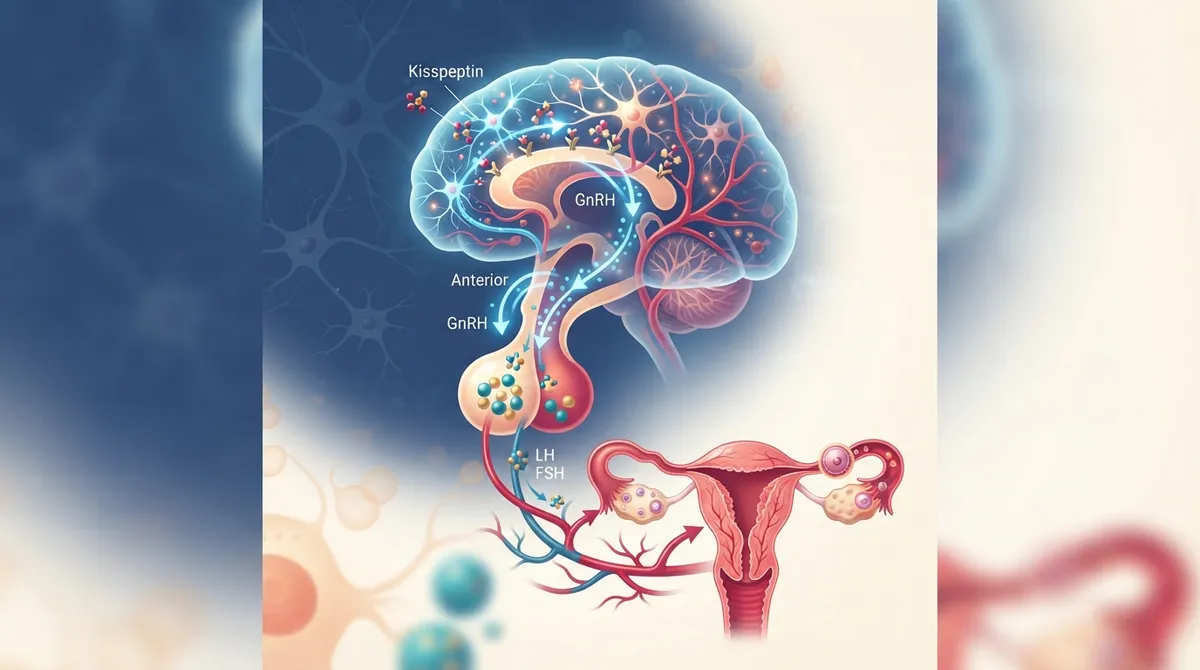
Kisspeptin is a natural substance made in the brain. It activates receptors on nerve cells that control reproduction. Think of it as a messenger that tells your body to start the hormone chain needed for ovulation.
Here is how the process works in simple steps:
- Kisspeptin binds to receptors on GnRH neurons in the brain.
- This triggers the release of gonadotropin-releasing hormone (GnRH).
- GnRH signals the pituitary gland to release luteinizing hormone (LH) and follicle-stimulating hormone (FSH).
- LH and FSH travel to the ovaries and stimulate egg development and release.
This pathway is central to normal ovulation. Without it, eggs cannot mature and release properly. That is why researchers became interested in kisspeptin as a possible fertility tool.
Does Kisspeptin Increase Fertility Naturally?
This is the question most people want answered. Right now, the evidence does not support kisspeptin as a natural fertility booster you can take at home. It has not been shown to reliably raise your chances of getting pregnant without medical intervention.
Kisspeptin does not fix many common causes of infertility, including:
- Blocked or damaged fallopian tubes
- Low ovarian reserve due to age or other factors
- Endometriosis
- Genetic conditions affecting fertility
- Significant sperm quality issues in male partners
If your reproductive hormone system already works properly, adding more kisspeptin is unlikely to improve your natural chances of conceiving. This is different from using it as a controlled trigger injection during IVF, which is where the real evidence lies.
Kisspeptin as an IVF Trigger: What the Research Shows
The strongest data on kisspeptin comes from its use as a trigger shot during in vitro fertilization. During IVF, doctors need to time egg maturation precisely before retrieval. Kisspeptin-54 has been studied for this exact purpose.
A landmark 2014 study published in the Journal of Clinical Investigation looked at 53 women with subfertility. The results were notable:
|
Outcome Measured |
Result |
|---|---|
|
At least one mature egg retrieved |
51 of 53 women (96.2%) |
|
Fertilized eggs and embryo transfer |
49 of 53 women (92%) |
|
Biochemical pregnancy rate |
21 of 53 (40%) |
|
Clinical pregnancy rate |
12 of 53 (23%) |
|
Live birth rate |
Approximately 19% |
These numbers are promising for a proof-of-concept study. However, this was a small trial, not a large-scale comparison against standard IVF triggers. A later Cochrane review summarizing kisspeptin-trigger studies found a live-birth rate per embryo transfer of about 32% (51 out of 160 transfers). Some smaller studies of high responders reported live-birth rates up to 45%, but these numbers came from selected patient groups and should be viewed carefully.
Why Kisspeptin May Help Patients at Risk of OHSS
One of the more practical benefits of kisspeptin in IVF settings relates to ovarian hyperstimulation syndrome, known as OHSS. This is a painful and sometimes dangerous complication that can occur when the ovaries overreact to fertility medications.
Kisspeptin may lower this risk because it works through your body's own GnRH and LH pathway. It does not add prolonged external hormone stimulation the way some traditional trigger medications do. In a study of 60 women at high risk of OHSS, kisspeptin triggered oocyte maturation in about 95% of participants. Importantly, no moderate, severe, or critical cases of OHSS were reported in that group.
This makes kisspeptin an area of active interest for reproductive endocrinologists working with high-risk IVF patients. Still, comparative trials against standard treatments are needed before it becomes routine care.
Kisspeptin and Other Fertility-Related Conditions
Beyond IVF triggering, small studies have explored kisspeptin for other reproductive concerns. These include:
- Functional hypothalamic amenorrhea, a condition causing missed periods due to stress, low body weight, or excessive exercise
- Male hypogonadotropic hypogonadism, a condition where the body does not produce enough reproductive hormones
- Irregular menstrual cycles linked to hormone signaling problems
The results in these areas remain limited. Treatment success depends heavily on the underlying cause of infertility and whether the reproductive hormone system can respond to stimulation at all. Kisspeptin cannot help if the problem lies elsewhere in the reproductive system.
Is Kisspeptin FDA-Approved for Fertility Treatment?
No. Kisspeptin-10 and kisspeptin-54 are not approved by the FDA for treating infertility. They remain investigational compounds studied mainly in academic research settings and clinical trials.
This is an important point for anyone searching online for kisspeptin products marketed as fertility supplements. These products are not regulated fertility treatments. Here is what to keep in mind:
- Avoid purchasing kisspeptin products marketed online as research peptides for personal use.
- Understand that dosing in studies was carefully controlled and administered by medical professionals.
- Recognize that self-treatment carries unknown risks since safety data outside clinical trials is limited.
- Discuss any interest in investigational fertility treatments directly with a reproductive endocrinologist.
- Ask your primary care provider for a referral if you are experiencing difficulty conceiving.
Kisspeptin vs. Standard IVF Triggers
Patients often want to know how kisspeptin compares to the injections already used in most IVF cycles. Here is a simple comparison based on current research:
|
Factor |
Standard hCG/GnRH Agonist Trigger |
Kisspeptin-54 (Investigational) |
|---|---|---|
|
FDA Approval Status |
Approved and widely used |
Not approved; experimental |
|
OHSS Risk |
Higher with hCG triggers |
Potentially lower based on early studies |
|
Clinical Availability |
Standard part of IVF protocols |
Limited to research trials |
|
Live Birth Data |
Well established over decades |
Based on small trials; promising but limited |
This table highlights why most fertility clinics still rely on established triggers while continuing to study kisspeptin as a future option.
How Primary Care Fits Into Your Fertility Journey
Many people do not realize that fertility concerns often start with a conversation at a general wellness visit. A primary care provider can help identify early warning signs, review your health history, and coordinate referrals to specialists when needed.
At InCare, our approach includes comprehensive health assessments that look at the full picture of your wellness. This can include hormone-related bloodwork, DNA gene testing for personalized health insights, and body composition analysis. While we do not administer investigational fertility treatments like kisspeptin, we can help you understand your baseline health and guide you toward the right specialists.
If you are dealing with irregular cycles, unexplained fatigue, or other symptoms that may affect fertility, scheduling a wellness visit is a smart first step. Our providers, including Dr. Pramjeet Ahluwalia and Dr. Teshy John, take time to listen and create a plan tailored to your needs.
Common Signs You Should Talk to a Doctor About Fertility
Not sure if it is time to seek professional guidance? Consider these signs:
- You have been trying to conceive for over a year without success (or six months if you are over 35)
- Your periods are irregular, absent, or unusually painful
- You have a history of pelvic infections, endometriosis, or reproductive surgery
- Your partner has known sperm quality concerns
- You experience symptoms like excessive fatigue, hair loss, or weight changes that could point to hormone imbalances
Addressing these concerns early with a trusted provider can save time and reduce stress. Our team at InCare's Tampa and Riverview locations is here to support your overall health as you navigate these decisions.
What Are the Alternatives to Kisspeptin for Fertility Support?
Since kisspeptin remains experimental, most patients pursuing fertility treatment will use established options instead. These include:
Standard ovulation induction medications prescribed by a fertility specialistTraditional hCG or GnRH agonist trigger shots used in IVF cyclesLifestyle interventions such as weight management, which can significantly affect fertility outcomesHormone testing and correction for thyroid or other imbalancesNutritional support and stress reduction strategies
For patients whose weight is affecting hormone balance and fertility, InCare's weight loss programs use evidence-based approaches to support metabolic health, which can positively influence reproductive function over time.
Safety Considerations and Side Effects
In the clinical trials conducted so far, kisspeptin-54 has generally been well tolerated when administered by medical professionals in controlled settings. Reported side effects have been mild in most studies, but comprehensive long-term safety data is still limited.
Because kisspeptin is not FDA-approved, there is no standardized dosing guidance for public use. This is why self-treatment with unregulated peptide products carries real risk. Any decision to explore kisspeptin as part of a clinical trial should happen under the direct supervision of a reproductive endocrinologist experienced in this research area.
You can learn more about staying informed on emerging peptide therapies by following trusted healthcare sources and organizations such as the National Institute of Child Health and Human Development, which funds reproductive health research.
How InCare Supports Your Overall Wellness Journey
While InCare does not provide experimental fertility treatments like kisspeptin, we do offer a strong foundation of preventive care that supports reproductive health. Our services include comprehensive cancer screenings, hormone-related lab work, and personalized wellness plans designed around your unique health profile.
Patients in Tampa and Riverview trust our team because we take time to listen and coordinate care across specialties. You can visit us on Google — InCare to see what our patients say about their experience. We also share health education and updates through our Facebook and Instagram pages, as well as our Tik Tok channel.
Steps to Take If You Are Considering Kisspeptin Research
If you remain interested in kisspeptin as part of an investigational treatment plan, follow these steps:
- Schedule a comprehensive wellness visit to review your overall health and hormone levels.
- Ask your provider for a referral to a board-certified reproductive endocrinologist.
- Research active clinical trials involving kisspeptin through resources like ClinicalTrials.gov.
- Avoid purchasing peptides marketed online without medical supervision.
- Discuss all potential risks, benefits, and costs with your specialist before enrolling in any trial.
Taking these steps ensures you approach this emerging area of reproductive medicine safely and with realistic expectations.
Moving Forward with Confidence
So, does kisspeptin increase fertility? The most accurate answer is that it shows promise as an IVF trigger, particularly for patients at risk of OHSS, but it is not a proven natural fertility booster. Current evidence remains limited to small clinical trials, and kisspeptin has not replaced standard fertility treatments.
If you are navigating fertility questions or simply want a clearer picture of your overall health, our team is ready to help. Reach out to InCare today to schedule a wellness visit, or book your appointment now to start building a personalized health plan with providers who genuinely listen.
FAQs
Q: Does kisspeptin increase fertility for natural conception?
A: Current evidence does not support kisspeptin as a proven booster for natural conception. Its strongest use is as a controlled trigger injection during IVF under medical supervision, not as a home remedy for infertility.
Q: Is kisspeptin approved by the FDA for fertility treatment?
A: No, kisspeptin-10 and kisspeptin-54 are not FDA-approved fertility treatments. They remain investigational compounds studied primarily in clinical trials for IVF egg maturation.
Q: Can kisspeptin reduce the risk of ovarian hyperstimulation syndrome?
A: Early studies suggest kisspeptin may lower OHSS risk because it works through the body's natural hormone pathway. One study of 60 high-risk women reported no moderate, severe, or critical OHSS cases after kisspeptin use.
Q: What is kisspeptin's success rate in IVF studies?
A: In a 2014 proof-of-concept study, 96.2% of participants had at least one mature egg retrieved after a kisspeptin-54 injection, with a clinical pregnancy rate of 23% and a live birth rate near 19%.
Q: Should I try kisspeptin products sold online for fertility support?
A: No, unregulated kisspeptin products marketed online are not safe or proven fertility treatments. Any interest in kisspeptin should be discussed with a reproductive endocrinologist through a supervised clinical trial.