Key Takeaways
- Pulsatile GnRH therapy is an established treatment with proven outcomes: approximately 80.5% pregnancy rate in women and 85% sperm production in men, while kisspeptin remains investigational without FDA approval for fertility use.
- Kisspeptin acts upstream of GnRH by activating GnRH neurons, making it potentially more physiological, but GnRH works directly on the pituitary gland and is the only hormone with long-term clinical evidence for treating hypothalamic hypogonadism.
- Kisspeptin products sold through wellness clinics are not FDA-approved and lack solid safety data; self-treating with unregulated peptides can delay diagnosis of serious underlying hormone conditions requiring specialist care.
- Start hormone evaluation with primary care blood work measuring LH, FSH, and sex hormones rather than pursuing specialized kisspeptin testing, which is only available in research settings or through reproductive endocrinologists.
- GnRH therapy requires pulsatile (timed interval) dosing delivered via a pump to mimic natural hormone release; continuous dosing has the opposite effect and is used intentionally to suppress hormones in conditions like endometriosis and prostate cancer.
- If experiencing missed periods, low libido, delayed puberty, or fertility issues, seek an accurate diagnosis from a licensed provider before considering any hormone treatment to rule out thyroid problems, nutritional deficiencies, or medication side effects.
If you have struggled with unexplained fertility issues, irregular cycles, or low testosterone, you may have come across two confusing terms: kisspeptin and GnRH. Both play a role in reproductive health, but they are not the same thing. Understanding the difference matters if you are trying to make sense of hormone testing, fertility treatment options, or wellness clinic claims you see online.
This guide breaks down kisspeptin vs GnRH in plain language. You will learn how these two hormones work together, why one is an established treatment and the other is still being studied, and what steps to take if you suspect a hormone imbalance. Whether you are a busy parent trying to plan a pregnancy, a young adult curious about hormone health, or someone managing symptoms like low libido or missed periods, this article will help you separate fact from marketing hype. At InCare, our providers in Tampa and Riverview help patients get real answers instead of guesswork.

What Is GnRH and Why Does It Matter
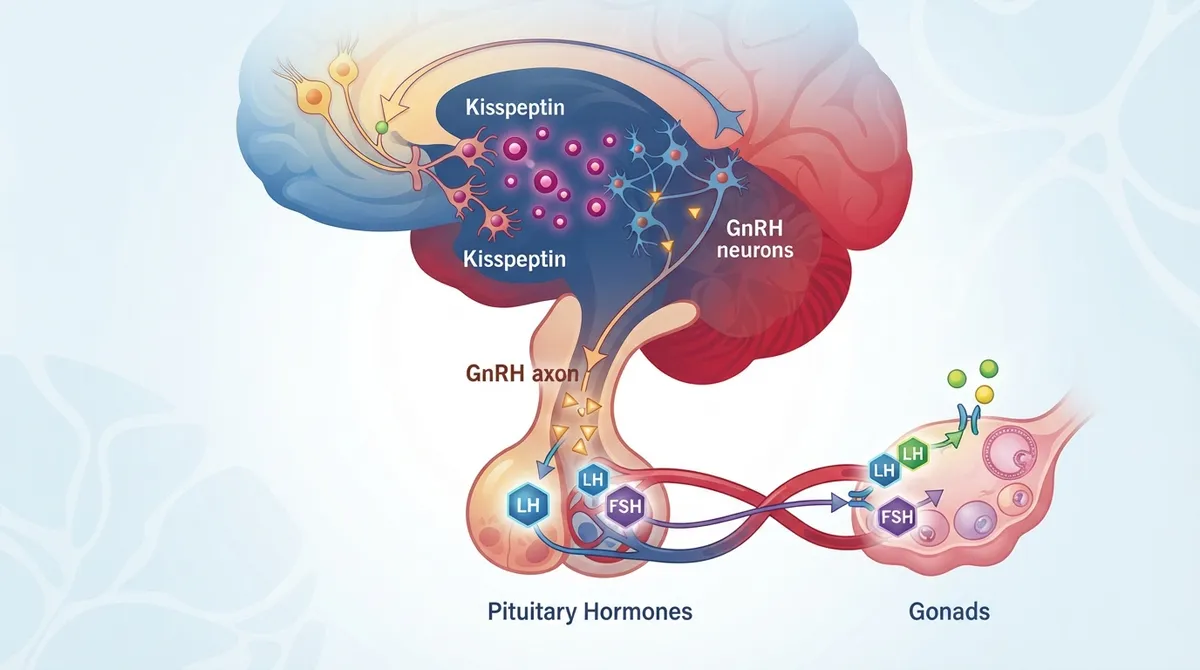
GnRH stands for gonadotropin-releasing hormone. It is made in a part of your brain called the hypothalamus. GnRH sends signals to your pituitary gland, telling it to release two other hormones: LH and FSH. These two hormones then control ovulation in women and sperm and testosterone production in men.
Think of GnRH as the direct messenger. It talks straight to the pituitary gland. Without enough GnRH, your body cannot make normal amounts of LH and FSH. This can lead to delayed puberty, irregular periods, infertility, or low testosterone.
How GnRH Therapy Works
Doctors have used GnRH therapy for decades. It is given in a pulsatile pattern, meaning small doses are released at timed intervals, not all at once. This mimics how your body naturally releases the hormone.
- Pulsatile GnRH can restore fertility in men and women with hypothalamic hypogonadotropic hypogonadism
- It is delivered through a small pump, often worn under clothing
- Continuous (non-pulsing) GnRH exposure has the opposite effect and can shut down hormone production
- This shutdown effect is used on purpose in some specialist treatments for conditions like endometriosis, fibroids, and prostate cancer
According to a 2026 review of long-term fertility outcomes, pulsatile GnRH therapy led to roughly an 80.5% pregnancy rate over a 25-year study period, with a low 1.6% rate of multiple births per treatment cycle. In men, GnRH treatment triggers sperm production in about 85% of cases, though it can take several months to over a year to see results.
What Is Kisspeptin and How Does It Differ
Kisspeptin is a hormone that sits one step earlier in the chain. It is made in the hypothalamus, just like GnRH, but its job is to activate the neurons that release GnRH. In other words, kisspeptin tells GnRH neurons when to fire.
This makes kisspeptin an upstream regulator. It does not talk to the pituitary gland directly. Instead, it wakes up the GnRH system, which then talks to the pituitary. If kisspeptin signaling is missing or broken, GnRH release can shut down completely, even if the GnRH neurons themselves are healthy.
Why Kisspeptin Is Getting Attention
Researchers are interested in kisspeptin because it may offer a more natural way to trigger the reproductive system. Since it works upstream, it can potentially preserve your body's normal hormone rhythm better than direct GnRH dosing in certain cases.
- Kisspeptin helps trigger puberty in adolescents
- It plays a key role in regulating monthly menstrual cycles
- It supports the timing of ovulation
- Loss-of-function changes in kisspeptin signaling can cause delayed or absent puberty
- Human studies have tested forms like kisspeptin-54, kisspeptin-10, and newer receptor agonists such as TAK-683 and TAK-448
A 2022 clinical review found no major increase in side effects like nausea or blood pressure changes compared to placebo in kisspeptin studies. However, this does not mean kisspeptin therapy is proven safe or effective long-term. It remains investigational.
Kisspeptin vs GnRH: Side-by-Side Comparison
Here is a simple breakdown to help you understand how these two hormones compare.
|
Feature |
Kisspeptin |
GnRH |
|---|---|---|
|
Location in Pathway |
Upstream regulator |
Direct pituitary signal |
|
Target |
GnRH neurons |
Pituitary gland |
|
Clinical Status |
Investigational |
Established specialist treatment |
|
Main Use Today |
Research, diagnostic testing |
Fertility, hypogonadism, delayed puberty |
|
Delivery Pattern |
Still being studied |
Must be pulsatile for stimulation effect |
|
Depends On |
Functioning GnRH neurons and pituitary |
Functioning pituitary only |
Signs You May Need Hormone Evaluation
Many people live with hormone imbalances for years without knowing it. Primary care providers are often the first stop for spotting these issues before a referral to a specialist is needed.
- Missed or irregular periods without a clear cause
- Delayed puberty in a teenager
- Difficulty getting pregnant after several months of trying
- Low sex drive that does not improve with lifestyle changes
- Erectile dysfunction, especially in younger men
- Low testosterone symptoms like fatigue, low muscle mass, or mood changes
- Unexplained weight changes tied to hormone symptoms
If you notice any of these signs, do not wait. A thorough evaluation can rule out thyroid problems, nutritional deficiencies, medication side effects, or issues at the hypothalamus, pituitary, or gonad level. Our team offers primary care services designed to catch these issues early through lab work and physical exams.
How Hormone Testing Works in Primary Care
Testing for kisspeptin or GnRH function is not simple. It usually starts with basic blood work, then moves to more specific testing if results are unclear.
Steps in a Typical Hormone Workup
- Initial blood tests to check LH, FSH, testosterone, or estrogen levels
- Review of menstrual history or puberty timeline
- Discussion of medications, stress levels, and nutrition
- Additional testing such as thyroid panels or prolactin levels
- Referral to an endocrinologist or fertility specialist if hypothalamic or pituitary issues are suspected
- Specialized testing, such as a kisspeptin stimulation test, only performed in research or specialist settings
This step-by-step approach helps avoid jumping straight to unproven treatments. At InCare, we also offer DNA gene testing to give patients a fuller picture of their genetic health risks, which can sometimes reveal a predisposition to hormone-related conditions.
Why You Should Be Cautious About Wellness Clinic Peptide Claims
Kisspeptin has become a buzzword in some wellness circles. You may see it advertised as a fertility booster or anti-aging peptide. This is misleading. Kisspeptin therapies remain investigational and are not broadly approved as standard treatments.
- Kisspeptin products sold outside of clinical trials are not FDA-approved for fertility or hormone therapy
- Compounding pharmacies may offer peptides without solid safety data
- Effectiveness depends on whether your GnRH neurons and pituitary gland are working properly
- Self-treating hormone symptoms can delay proper diagnosis of serious conditions
- Only a licensed provider can determine if you are a candidate for pulsatile GnRH therapy
Our providers, including Dr. Pramjeet Ahluwalia, take a careful, evidence-based approach before recommending any hormone-related treatment. You can also learn more about our approach to peptide therapy in Tampa to understand what is currently available and appropriate for your situation.
When Pulsatile GnRH Therapy Makes Sense
Pulsatile GnRH therapy is not for everyone. It is typically reserved for specific cases involving hypothalamic dysfunction.
|
Condition |
Typical Outcome With GnRH Therapy |
|---|---|
|
Female hypothalamic hypogonadism |
Approximately 80.5% pregnancy rate over long-term study |
|
Male hypogonadotropic hypogonadism |
Sperm production induced in about 85% of cases |
|
Congenital GnRH deficiency |
Specialist-managed pulsatile therapy often effective |
|
Delayed puberty |
Case-by-case specialist evaluation required |
According to guidance from the American Association of Clinical Endocrinology, sperm production may take three to fifteen months to appear after starting GnRH or gonadotropin therapy. This means patience and consistent follow-up care are essential parts of the process.
Steps to Take If You Suspect a Hormone Problem
- Schedule a visit with a primary care provider to discuss your symptoms
- Get baseline blood work done, including LH, FSH, and relevant sex hormones
- Share your full medical history, including medications and lifestyle factors
- Ask about referral options if hypothalamic or pituitary dysfunction is suspected
- Avoid unregulated peptide products marketed online without medical supervision
- Follow up regularly to track hormone levels and treatment progress
Taking these steps helps you avoid wasted time and money on unproven solutions. It also protects your long-term health by making sure any treatment is based on an accurate diagnosis.
How InCare Supports Your Hormone Health Journey
At InCare, we combine modern technology with careful medical judgment. Our Tampa and Riverview locations offer body composition analysis, comprehensive lab testing, and personalized care plans that go beyond a quick prescription. We believe in explaining your options clearly, including what is proven and what is still experimental.
Patients often tell us they appreciate having a provider who takes time to explain complex topics like kisspeptin vs GnRH in simple terms. You can see what real patients say by visiting our reviews on Facebook or following our latest wellness updates on Instagram. We also share educational content on TikTok to help patients stay informed between visits.
If you want to see what other patients experience firsthand, you can also visit us on Google — InCare to read reviews from our Tampa and Riverview communities.
Moving Forward With Confidence
Kisspeptin and GnRH may sound similar, but they play very different roles in your reproductive health. GnRH is a proven, specialist-managed treatment for certain fertility and hormone conditions. Kisspeptin is a promising area of research, but it is not yet a standard treatment you should seek from a wellness clinic without proper medical guidance.
The most important step is getting an accurate diagnosis before considering any hormone treatment. Unexplained symptoms like missed periods, low libido, or fertility struggles deserve a real evaluation, not guesswork. Our team at InCare is ready to walk you through every step, from initial testing to referral for specialist care when needed.
Ready to get answers about your hormone health? Book your appointment today and let our Tampa and Riverview providers create a personalized plan for you. If you have questions before scheduling, feel free to reach out to our team directly.
FAQs
Q: What is the difference between kisspeptin and GnRH?
A: GnRH is released directly to the pituitary gland to trigger LH and FSH production, while kisspeptin acts one step earlier by activating the GnRH neurons themselves. GnRH is an established specialist treatment, while kisspeptin remains an investigational hormone still being studied for fertility and diagnostic use.
Q: Is kisspeptin approved for fertility treatment or hormone therapy?
A: No, kisspeptin-based therapies are not broadly approved standard treatments. They remain investigational, based mostly on early-phase clinical trials, and should not be confused with FDA-approved fertility medications.
Q: Can kisspeptin increase testosterone in men?
A: Exogenous kisspeptin can stimulate GnRH release, which may eventually raise testosterone, but this effect depends on having functioning GnRH neurons and a healthy pituitary gland. This use is still experimental and not a standard clinical treatment.
Q: Is pulsatile GnRH better than kisspeptin for hypogonadism?
A: Pulsatile GnRH is currently the more established option, with published outcomes showing high pregnancy and sperm production rates in appropriate patients. Kisspeptin may offer a more physiological approach in the future, but it lacks the same long-term clinical track record.
Q: How are kisspeptin and GnRH levels or function tested?
A: Testing usually starts with standard blood work checking LH, FSH, and sex hormone levels through your primary care provider. More specialized testing, including kisspeptin stimulation testing, is typically only available through research studies or reproductive endocrinology specialists.