Key Takeaways
- Kisspeptin activates GnRH neurons in the hypothalamus to trigger LH and FSH release, forming the foundation of the reproductive hormone cascade that controls ovulation, sperm production, and sex hormone synthesis.
- Kisspeptin levels spike 7,000-10,000 times during pregnancy and respond to metabolic signals from leptin and insulin, meaning your body requires adequate energy and stable metabolism before fully activating reproductive hormones.
- Disruptions in kisspeptin signaling contribute to irregular periods, delayed puberty, low testosterone, and menopause symptoms, making symptoms tracking and hormone lab work (LH, FSH, sex hormones) essential diagnostic steps.
- Early human studies show kisspeptin influences limbic brain regions linked to mood, reward, and sexual motivation, though these findings remain experimental with no approved medications currently available for clinical use.
- The KNDy network—kisspeptin combined with neurokinin B and dynorphin in the arcuate nucleus—creates steady GnRH pulses needed for normal reproductive cycling, and disruptions here directly cause fertility and cycle irregularities.
- Kisspeptin-based therapies remain investigational with over 150 human trial participants showing no serious side effects, but approval for general clinical use is not yet available outside controlled research settings.
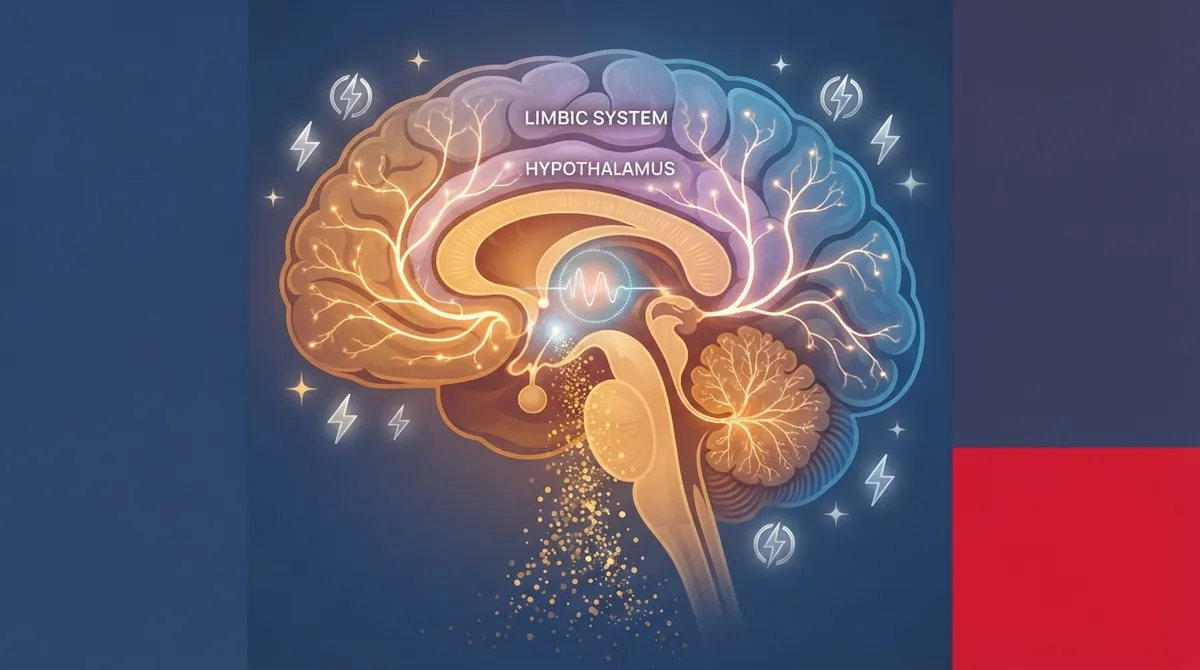
If you have researched fertility, puberty, or hormone health, you may have come across the word kisspeptin. This brain chemical plays a bigger role in your body than most people realize. It does more than trigger reproductive hormones. It also touches mood, sexual desire, and emotional balance. Understanding kisspeptin brain function can help you make sense of symptoms tied to fertility, menstrual cycles, and hormone imbalances that your primary care provider may ask about during a wellness visit.
At InCare, our providers in Tampa and Riverview focus on whole-body health. That means looking beyond a single symptom to understand how brain chemistry, hormones, and metabolism work together. This guide breaks down what kisspeptin does, how it connects to fertility and mood, and what the science actually says in 2026.
What Is Kisspeptin and Where Does It Come From
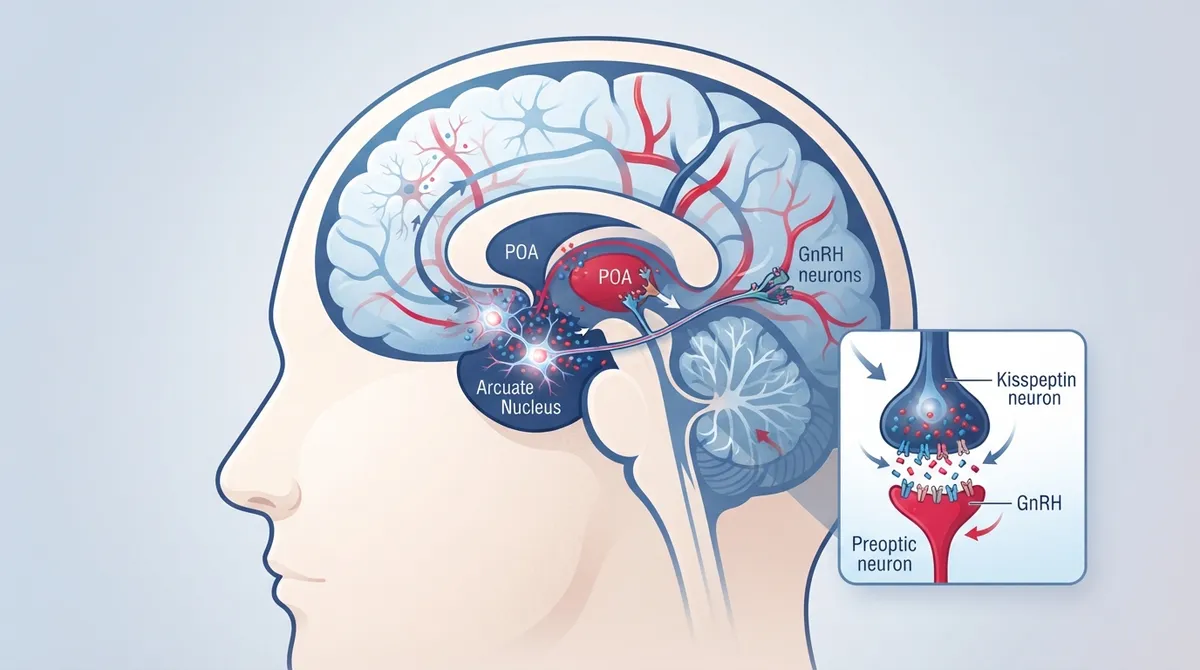
Kisspeptin is a small protein made in the brain. Scientists call it a neuropeptide. It comes from a gene named KISS1. This peptide works by attaching to a receptor called KISS1R, found mostly in the hypothalamus.
The hypothalamus is a small part of the brain that controls many body functions. It manages hunger, sleep, temperature, and hormone signals. Kisspeptin acts like a switch inside this control center.
- It turns on GnRH neurons, which are brain cells tied to reproduction
- It helps trigger the release of two key hormones: LH and FSH
- It links body signals like nutrition and stress to reproductive health
- It plays a role in mood and emotional processing through brain networks
How Kisspeptin Controls Reproductive Hormones
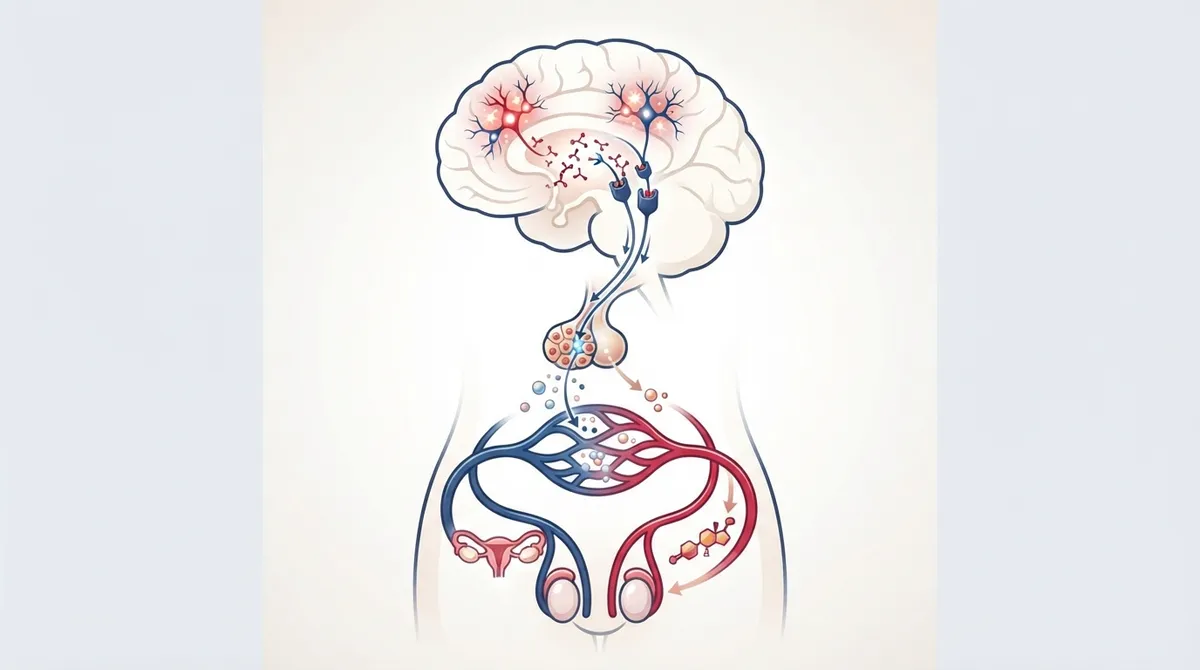
Kisspeptin sits near the top of a hormone chain called the hypothalamic-pituitary-gonadal axis. This sounds complex, but the idea is simple. One hormone triggers the next, like dominoes falling in order.
The Hormone Chain Explained
- Kisspeptin activates GnRH neurons in the brain
- GnRH neurons release GnRH in short bursts, called pulses
- These pulses tell the pituitary gland to release LH and FSH
- LH and FSH travel through the blood to the ovaries or testes
- This triggers ovulation, sperm production, and testosterone or estrogen release
A 2025 review published in Physiological Reviews confirmed that kisspeptin and a related molecule called neurokinin B work together to control this hormone chain across puberty, adulthood, and even menopause. Without steady kisspeptin signals, this whole system can slow down or stop working correctly.
Kisspeptin Neurons and the KNDy Network
Kisspeptin neurons cluster in two brain areas. One is called the arcuate nucleus. The other is the anteroventral periventricular area. These areas work like control rooms for reproductive hormones.
In the arcuate nucleus, kisspeptin often teams up with two other molecules: neurokinin B and dynorphin. Together, they form what scientists call the KNDy network. This network helps create the steady, rhythmic pulses of GnRH your body needs for normal cycling and fertility.
Why This Matters for Your Health
- Problems in this network can lead to irregular periods or missed cycles
- Low kisspeptin activity may contribute to delayed puberty in teens
- Changes in this system are linked to symptoms during perimenopause and menopause
- The network also connects to low testosterone in men, sometimes called hypogonadism
If you're noticing symptoms like irregular cycles, fatigue, or low libido, a primary care evaluation is the right first step. Lab work, history, and physical exams remain the gold standard for diagnosis.
Kisspeptin's Connection to Mood and Sexual Desire
Kisspeptin does more than manage reproduction. Brain imaging studies show it also affects areas linked to emotion, reward, and bonding.
A 2017 human study found that kisspeptin increased brain activity in limbic areas when people viewed romantic or sexual images. It also appeared to reduce responses tied to sexual aversion. A 2018 follow-up study measured brain connectivity and found meaningful changes in networks connecting the amygdala, hippocampus, and other emotional centers, with results considered statistically significant at P 0.05.
What This Means for Wellness
- Kisspeptin may support positive mood in small experimental doses
- It appears to influence sexual motivation and reward pathways
- Early data suggests it does not increase anxiety, based on a 2025 human study
- These findings come from small trials and are not yet approved treatments
It's important to understand that these studies involved controlled research settings, not everyday clinical practice. No approved medication currently uses kisspeptin to treat mood disorders, low libido, or anxiety. If you are struggling with these symptoms, speaking with a provider through urgent care or scheduling a wellness visit is a safer, evidence-based path forward.
Kisspeptin, Pregnancy, and Metabolic Health
One striking fact about kisspeptin involves pregnancy. Levels of this peptide rise dramatically, somewhere between 7,000 and 10,000 times higher than normal, during human pregnancy. This shows just how tightly connected kisspeptin is to reproduction and placental function.
Kisspeptin neurons also respond to signals about your body's energy status. They pick up cues from leptin, insulin, and sex hormones. This helps your body decide whether conditions are right for reproduction. In simple terms, your body needs enough energy and stable metabolism before it fully activates reproductive hormones.
|
Life Stage |
Kisspeptin's Role |
Clinical Relevance |
|---|---|---|
|
Puberty |
Triggers GnRH activation to start sexual maturation |
Delayed puberty evaluation |
|
Reproductive years |
Regulates monthly ovulation and sperm production |
Fertility and menstrual cycle concerns |
|
Pregnancy |
Rises sharply to support placental function |
Research marker, not a routine test |
|
Menopause |
Activity shifts as hormone levels change |
Hot flashes and hormone transition symptoms |
This is why weight, metabolism, and hormone health are often connected. A weight loss program that also looks at hormone balance can offer a more complete picture of your health than diet alone.
Is Kisspeptin Therapy Available Today
Many people ask if they can take kisspeptin as a supplement or medication. The honest answer is no, not for general use. Kisspeptin-based therapies remain investigational in most places, including the United States.
Current Research Status
- Kisspeptin-54 and kisspeptin-10 have been tested in clinical fertility research
- Receptor agonists like TAK-448 and TAK-683 are being studied for hormone conditions
- More than 150 human participants have taken part in kisspeptin research trials
- No serious kisspeptin-related side effects have been reported in these studies
- This research does not prove long-term safety or approval for general use
Because of this, kisspeptin is not something your provider will prescribe as a standalone treatment. Instead, if you have symptoms linked to hormone imbalance, your care team will likely order standard tests. These may include LH, FSH, testosterone, or estrogen levels, along with a full history and exam.
Common Signs You Might Discuss With Your Provider
Because kisspeptin sits at the center of the reproductive hormone system, problems here can show up in many ways. Consider bringing up these symptoms at your next visit.
- Periods that are missing, irregular, or very light
- Signs of delayed puberty in a teenager
- Ongoing difficulty getting pregnant
- Low energy, low libido, or mood changes tied to hormone shifts
- Symptoms of low testosterone, such as fatigue or reduced muscle mass
- Hot flashes or irregular cycles during perimenopause
A thorough evaluation may include blood work, a physical exam, and sometimes imaging. Your provider might also recommend DNA gene testing to check for genetic patterns that affect hormone health, or a body composition analysis to see how metabolism and hormone balance are connected.
How InCare Approaches Hormone and Fertility Concerns
At InCare, we combine modern technology with careful, personal attention. Our providers in Tampa and Riverview take time to understand your full health picture before recommending a plan.
|
Service |
How It Helps With Hormone Health |
|---|---|
|
Ongoing evaluation of menstrual, fertility, and hormone symptoms |
|
|
Early detection tied to reproductive health monitoring |
|
|
Support for energy and recovery during hormone treatment |
|
|
Insight into how metabolism affects hormone balance |
Many patients come to us after searching online for answers about fertility or hormone symptoms. We always recommend starting with a real conversation and proper testing rather than guessing based on internet research. Our providers, including those featured on our providers page, are trained to walk you through every step.
Steps to Take If You Suspect a Hormone Imbalance
- Track your symptoms, including cycle changes, energy levels, and mood shifts
- Schedule a visit with a primary care provider who understands reproductive health
- Ask about basic hormone testing, including LH, FSH, and relevant sex hormones
- Discuss lifestyle factors like sleep, stress, and nutrition that affect hormone signals
- Follow up regularly to track changes and adjust your care plan as needed
You can also find helpful background information from trusted sources like the InCare Instagram page, where we share simple health tips, or connect with our community through Facebook for updates on wellness topics. For quick, practical videos on hormone and wellness trends, check out our content on Tik Tok.
Why Choose InCare for Hormone and Wellness Care
InCare stands out because we treat the whole person, not just a lab result. Our Tampa and Riverview locations offer same-day access, advanced diagnostic tools, and a team that listens. Patients consistently mention our friendly staff and thorough care in reviews.
- 4.8 out of 5 rating from 359 patient reviews on Google
- Locations in both Tampa and Riverview for easy access
- Telemedicine options for busy schedules
- A full range of services from primary care to advanced wellness testing
You can read more patient experiences and visit us on Google — InCare to see what our community says about their care. Many patients also explore our testimonials page before scheduling their first visit.
Final Thoughts on Kisspeptin Brain Function
Kisspeptin plays a powerful role behind the scenes of your reproductive and emotional health. It connects your brain to hormones that guide puberty, fertility, and even mood. While kisspeptin therapy is not yet approved for general use, understanding this system helps explain many symptoms tied to hormone imbalance.
If you have questions about fertility, menstrual health, low testosterone, or hormone-related mood changes, don't wait to get answers. Our team at InCare is ready to help you understand what's happening in your body and build a clear plan forward. Reach out to our team today or book your appointment now to start your path toward better hormone health.
FAQs
Q: What does kisspeptin do in the brain?
A: Kisspeptin activates GnRH neurons in the hypothalamus, which triggers the release of LH and FSH. It also influences limbic brain regions tied to mood, reward, and sexual motivation.
Q: Can kisspeptin affect mood or sexual desire?
A: Early human studies suggest kisspeptin may boost positive mood and reduce sexual aversion by acting on limbic brain networks. However, these findings come from small research trials and are not approved treatments for mood or libido concerns.
Q: Does low kisspeptin cause irregular periods or low testosterone?
A: Disruptions in kisspeptin signaling can contribute to irregular cycles, delayed puberty, or hypogonadism. A primary care evaluation with proper lab testing is the best way to identify the underlying cause.
Q: Is kisspeptin available as a treatment or supplement?
A: No. Kisspeptin-based therapies remain investigational and are not approved for routine clinical use. Current research involves specific compounds like kisspeptin-54 and kisspeptin-10 in controlled fertility studies.
Q: How is kisspeptin connected to pregnancy?
A: Kisspeptin levels rise roughly 7,000 to 10,000 times higher during pregnancy, reflecting its strong link to placental function. This dramatic increase highlights how central kisspeptin is to reproductive biology.