Key Takeaways
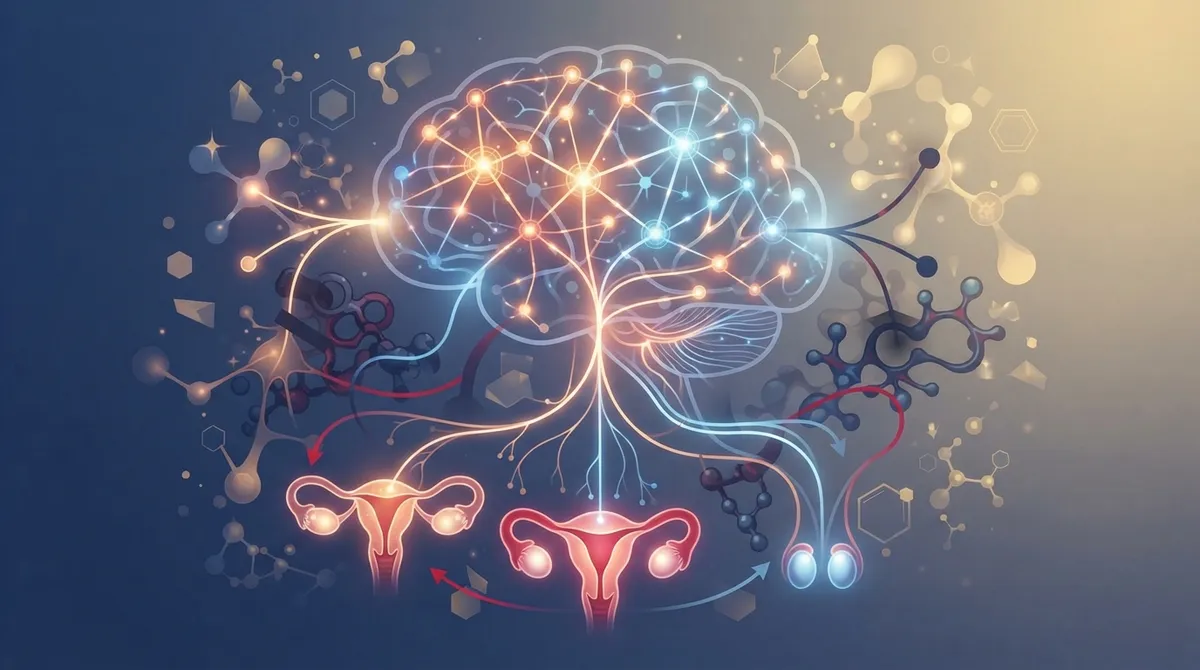
- Kisspeptin is a brain protein that controls the hormonal cascade triggering puberty, menstrual regularity, and fertility by signaling GnRH release, which activates LH and FSH production in the ovaries and testes.
- Kisspeptin neurons sense energy availability and adjust reproductive hormone signaling accordingly, meaning extreme dieting, excessive exercise, or being significantly underweight can suppress periods and disrupt fertility through reduced kisspeptin activation.
- Kisspeptin works within the KNDy network alongside neurokinin B and dynorphin to create the pulsing GnRH rhythm necessary for normal ovulation and sperm production; imbalances from stress, poor nutrition, or illness can disrupt this pattern.
- While human studies show kisspeptin can stimulate LH and FSH release, kisspeptin-based treatments remain investigational and are not yet FDA-approved or standard therapies; patients should avoid self-administering online research peptides.
- Kisspeptin neuron activity shifts during menopause as estrogen declines, contributing to hot flashes and sleep disruption, and also influences bone homeostasis, making hormone health important beyond reproductive years.
- Standard hormone testing (LH, FSH, estrogen, testosterone panels) and comprehensive lifestyle evaluation of sleep, nutrition, stress, and exercise remain the evidence-based foundation for diagnosing and managing hormone imbalances today.
Your body runs on hormone signals you never see. One of the most important is kisspeptin, a small brain chemical that controls puberty, periods, and fertility. If you have struggled with irregular cycles, low energy, or unexplained fertility issues, understanding kisspeptin biology can help you ask better questions at your next primary care visit. This guide breaks down the science in plain language, so you feel informed rather than overwhelmed.
At InCare, our Tampa and Riverview teams help patients connect the dots between hormone health, metabolism, and whole-body wellness. While kisspeptin therapy itself is still experimental, learning how this system works can guide smarter conversations with your doctor about fertility, menstrual health, and hormone balance.
What Is Kisspeptin Biology?
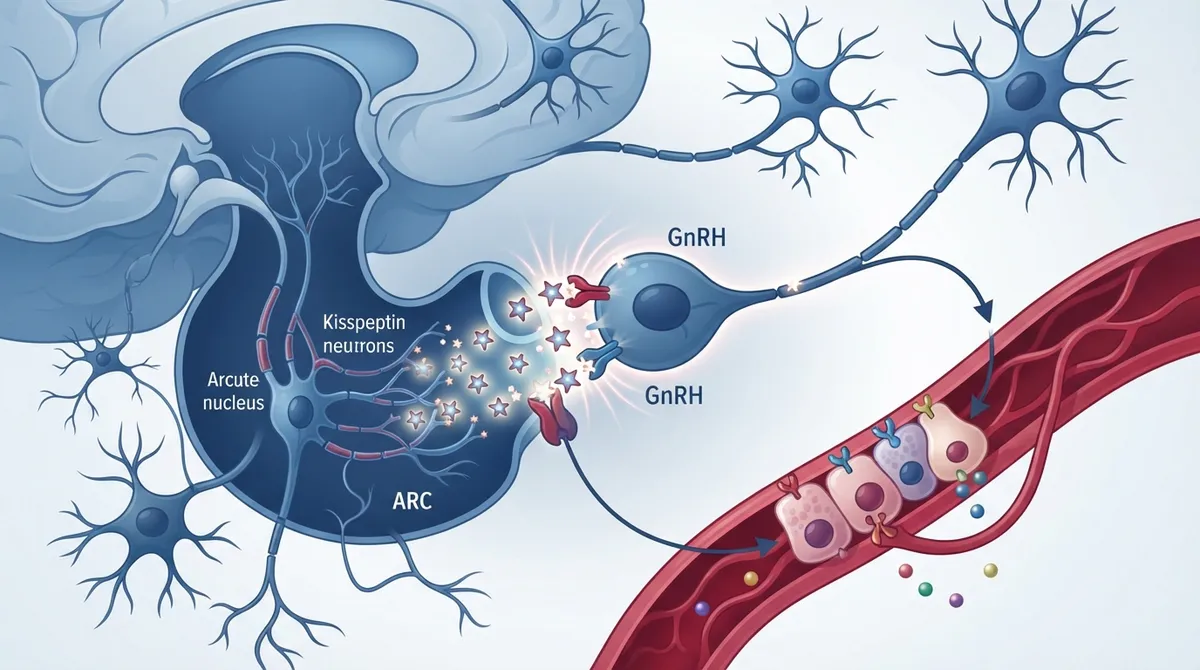
Kisspeptin is a family of small proteins made by nerve cells in the brain. Scientists call this group of proteins the KISS1 gene family. These proteins attach to a receptor called KISS1R, sometimes named GPR54, found on certain brain cells.
Think of kisspeptin as a messenger. It tells another brain hormone, called GnRH, when to turn on. GnRH then tells the pituitary gland to release two more hormones: LH and FSH. These two hormones control how the ovaries and testes work. Without kisspeptin, this whole chain of communication breaks down.
Why This System Matters for Everyday Health
This chain reaction, often called the hypothalamic-pituitary-gonadal axis, controls much more than reproduction. It shapes puberty timing, menstrual regularity, bone strength, and even how your body handles stress and energy use. A 2025 review in Physiological Reviews describes kisspeptin as a central regulator of puberty, menstrual cycling, pregnancy, menopause, and even bone health (volume 105, issue 2, pages 707 to 764).
How Kisspeptin Controls Puberty and Reproductive Hormones
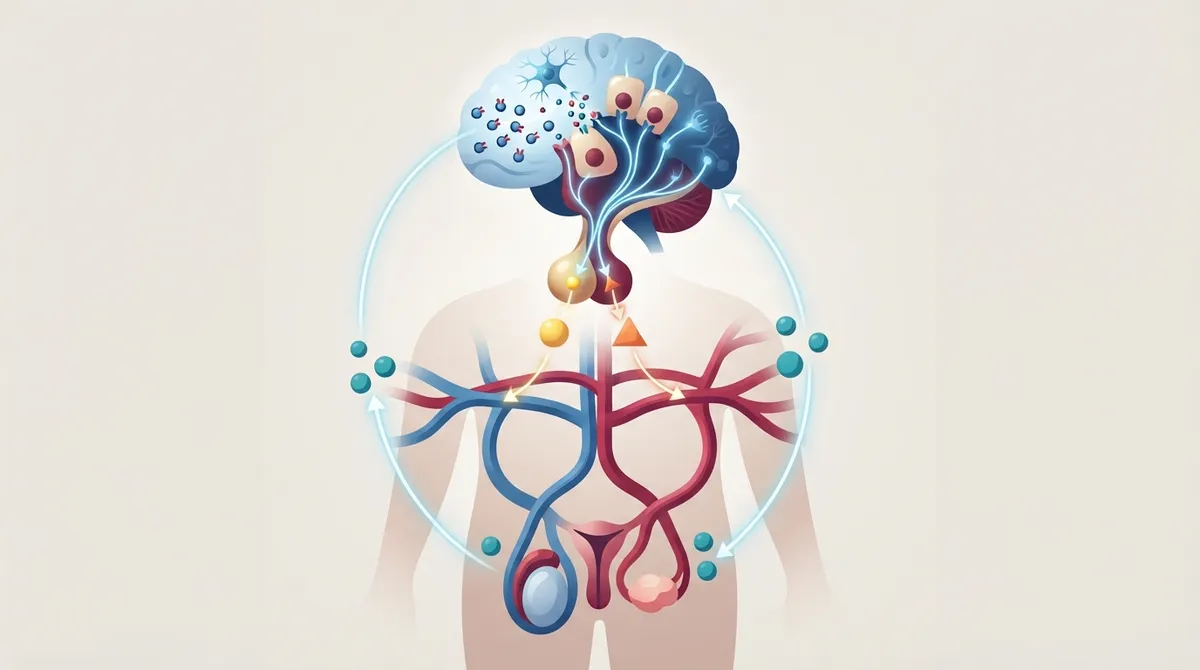
Puberty does not start randomly. It begins when kisspeptin neurons "wake up" and start sending stronger signals to GnRH cells. This is one of the clearest examples of kisspeptin biology in action.
- Kisspeptin neurons increase their activity as a child approaches puberty age.
- This activity stimulates GnRH release from the hypothalamus.
- GnRH travels to the pituitary gland and triggers LH and FSH release.
- LH and FSH signal the ovaries or testes to start producing sex hormones.
- Physical changes of puberty follow, including growth spurts and reproductive maturity.
Genetic changes affecting KISS1 or KISS1R can disrupt this timeline. Loss-of-function changes may delay or prevent puberty, a condition called hypogonadotropic hypogonadism. Some genetic changes that overactivate the system have been linked to early, or precocious, puberty. If your child shows signs of unusually early or delayed puberty, a visit to a primary care provider is the right first step.
The KNDy Network: Kisspeptin's Support Team
Kisspeptin does not work alone. It teams up with two other signals, neurokinin B and dynorphin, in a system researchers call the KNDy network. Together, these three signals create the pulsing pattern of GnRH release your body needs for normal reproductive function.
- Kisspeptin pushes GnRH activity forward.
- Neurokinin B helps coordinate the timing of kisspeptin release.
- Dynorphin acts as a brake, slowing the signal when needed.
- The balance between these three creates a steady, pulsing rhythm.
- This rhythm is what allows normal ovulation and sperm production to occur.
When this balance is thrown off by stress, poor nutrition, or illness, reproductive hormone levels can shift in ways that affect fertility and menstrual regularity.
Kisspeptin, Energy Balance, and Weight
Your body treats reproduction as a low priority when energy is scarce. This is why extreme dieting, excessive exercise, or being significantly underweight can shut down periods. Kisspeptin neurons sense energy availability and adjust GnRH signaling accordingly.
A 2025 review in Cell Biochemistry and Biophysics describes kisspeptin as a link between energy balance and the reproductive hormone axis, noting possible appetite-reducing effects. However, this research does not mean kisspeptin is a proven weight-loss treatment. It simply shows how tightly connected metabolism and reproductive health really are.
This is one reason why sustainable, medically supervised approaches to weight loss matter more than crash diets. Rapid, extreme calorie cuts can disrupt hormone signaling, including the kisspeptin system, and lead to irregular cycles or fatigue.
Conditions Linked to Altered Kisspeptin Signaling
|
Condition |
Possible Kisspeptin Connection |
Common Symptoms |
|---|---|---|
|
Functional Hypothalamic Amenorrhea |
Reduced kisspeptin signaling from low energy availability |
Missed periods, low estrogen, fatigue |
|
PCOS |
Possible altered KISS1/KISS1R activity affecting LH and androgen levels |
Irregular cycles, excess hair growth, weight changes |
|
Hypogonadotropic Hypogonadism |
Loss-of-function genetic changes in KISS1 or KISS1R |
Delayed puberty, low sex hormone levels |
|
Menopause-Related Changes |
Shifts in kisspeptin neuron activity with declining estrogen |
Hot flashes, irregular cycles, bone density changes |
It is important to note that these are associations, not proof that kisspeptin abnormalities cause these conditions on their own. Many factors contribute to each of these health issues.
Can Kisspeptin Treatment Help Infertility or PCOS?
This is one of the most common questions patients ask. Human studies show that giving kisspeptin can stimulate LH release and, in some cases, boost FSH, testosterone, or ovarian response. A 2025 review in the Journal of Clinical Medicine called exogenous kisspeptin a promising but still developing option for infertility treatment, including possible use in ovarian stimulation protocols.
However, kisspeptin-based treatments remain investigational. They are not yet standard therapies you can request at a routine appointment. There is currently no widely available blood test for diagnosing a "kisspeptin disorder," and no approved medication replaces standard fertility evaluation and treatment.
What This Means for You Right Now
- Do not self-administer research peptides marketed online for fertility or weight loss.
- Rely on established testing, such as hormone panels and imaging, for evaluating fertility concerns.
- Ask your provider about DNA gene testing if you want deeper insight into inherited health patterns.
- Discuss any menstrual irregularity with a doctor rather than waiting it out.
- Understand that kisspeptin research is promising, but clinical use is still years away for most patients.
Does Kisspeptin Affect Menopause and Bone Health?
Yes, kisspeptin neurons appear to play a role in the hot flashes and hormone shifts many women experience during menopause. As estrogen levels drop, kisspeptin neuron activity changes, which may contribute to symptoms like hot flashes and disrupted sleep.
The same 2025 Physiological Reviews article also connects kisspeptin signaling to bone homeostasis, meaning it may influence how your body maintains bone density over time. This adds another reason why hormone health deserves attention well beyond the reproductive years.
Steps to Take If You Suspect a Hormone Imbalance
- Track your symptoms, including cycle length, energy levels, and mood changes.
- Schedule a visit with a primary care provider or specialist for a full history and exam.
- Request standard hormone testing, such as LH, FSH, estrogen, or testosterone panels.
- Discuss lifestyle factors like exercise intensity, diet, and sleep quality.
- Ask about imaging or additional screening if symptoms suggest a structural issue.
- Follow up regularly rather than waiting for symptoms to worsen.
- Ask about referral to a fertility or endocrinology specialist when needed.
This step-by-step approach reflects how real clinics evaluate hormone concerns today. Reliable evaluation still depends on history, physical exams, and blood work, not experimental peptide therapies.
Kisspeptin Research vs. Routine Care: What Is the Difference?
|
Aspect |
Kisspeptin Research |
Standard Primary Care Approach |
|---|---|---|
|
Availability |
Limited to clinical trials and select research settings |
Widely available at clinics like InCare |
|
Testing |
No routine blood test exists yet |
Standard hormone panels are well established |
|
Treatment Status |
Investigational, not FDA-approved for general use |
Established medications and lifestyle plans |
|
Best Use Today |
Understanding underlying biology |
Diagnosing and managing symptoms safely |
Why Whole-Body Wellness Supports Hormone Health
Kisspeptin biology reminds us that hormones do not work in isolation. Sleep, nutrition, stress, and body composition all influence the signals your brain sends to your reproductive system. This is why a comprehensive approach to wellness matters more than chasing a single peptide or supplement.
Services like body composition analysis and metabolic breath analysis can help identify how your metabolism supports or strains your hormone balance. Combined with IV hydration and vitamin drips for recovery and energy, these tools give a fuller picture of your health than hormone testing alone.
For patients exploring hormone-related therapies more broadly, our peptide therapy program in Tampa reviews current, evidence-based options with a licensed provider before any treatment begins. This ensures patients receive guidance grounded in real clinical evidence rather than online claims.
When to See a Primary Care Provider About Hormone Symptoms
- Your periods have stopped or become very irregular for more than three months.
- You are struggling with fertility after a year of trying to conceive.
- You notice signs of early or delayed puberty in a child.
- You experience new hot flashes, mood changes, or sleep disruption during midlife.
- You have unexplained fatigue alongside hormone-related symptoms.
Our providers, including Dr. Pramjeet Ahluwalia, Dr. Naveen Paddu, and Dr. Teshy John, regularly help patients across Tampa and Riverview work through these exact concerns using proven testing and treatment strategies. You can also browse our full list of providers to find the right fit for your care.
Patient Trust and Local Care in Tampa Bay
Choosing a clinic that stays current on emerging science while grounding treatment in solid evidence matters. InCare maintains a strong reputation across the Tampa Bay area, reflected in patient feedback and a 4.8 out of 5 rating with hundreds of reviews. You can visit us on Google — InCare to read real patient experiences from our Riverview and Tampa locations.
We also share ongoing health education and clinic updates on Facebook, Instagram, and TikTok, so patients can stay informed between visits. For deeper reading on the science discussed here, the National Institutes of Health hosts peer-reviewed research on kisspeptin's role in reproduction through its PMC research archive.
Final Thoughts on Kisspeptin Biology and Your Health
Kisspeptin biology explains a small but powerful piece of how your body manages puberty, periods, and fertility. While kisspeptin-based treatments are still investigational, the science behind this system helps explain many common hormone symptoms patients bring to their doctor. Understanding this system empowers you to ask sharper questions and seek the right testing sooner.
If you have questions about hormone health, fertility, or irregular cycles, our Tampa and Riverview team is ready to help you find real answers. Contact our care team today or schedule your appointment now to start your personalized evaluation.
FAQs
Q: What is kisspeptin and how does it affect fertility?
A: Kisspeptin is a brain protein that triggers GnRH release, which controls LH and FSH hormones needed for ovulation and sperm production. Without proper kisspeptin signaling, fertility can be affected due to disrupted reproductive hormone patterns.
Q: How does kisspeptin control puberty and reproductive hormones?
A: Kisspeptin neurons become more active as puberty approaches, stimulating GnRH release. This triggers LH and FSH production, which signals the ovaries or testes to begin producing sex hormones and start physical development.
Q: Can kisspeptin treatment help infertility or PCOS?
A: Research shows kisspeptin can stimulate LH and sometimes FSH release, showing promise for fertility treatment. However, kisspeptin therapies remain investigational and are not yet standard, approved treatments for infertility or PCOS.
Q: Is kisspeptin related to menopause symptoms or bone health?
A: Yes, kisspeptin neuron activity shifts as estrogen declines during menopause, which may contribute to hot flashes and sleep changes. Research also links kisspeptin signaling to bone homeostasis, affecting long-term bone density.
Q: Are kisspeptin injections approved and safe for general use?
A: Kisspeptin injections are not currently approved for routine clinical use and remain part of ongoing research studies. Patients should avoid self-administering research peptides and instead rely on established medical evaluation and treatment.