Key Takeaways
- KP-10 is not a real dermatological product or ingredient; people searching for it are actually looking for keratosis pilaris treatments, a harmless condition affecting 40-50% of people that causes rough bumps on arms, thighs, and cheeks.
- Urea creams at 20% strength and lactic acid are proven, evidence-based alternatives that help break down keratin buildup and smooth rough patches without harsh irritation.
- A simple, consistent routine of fragrance-free moisturizer, gentle cleansing, and limiting shower time to 10 minutes with warm water shows visible results within 2-4 weeks for most people.
- Avoid vigorous scrubbing, picking bumps, tight clothing, and multiple new acids at once, as these habits can worsen keratosis pilaris and undo treatment progress.
- See a primary care provider if bumps become painful, pus-filled, rapidly changing, or intensely itchy, as these signs may indicate a different condition requiring separate treatment.
- For resistant cases unresponsive to topical treatments, Q-switched Nd:YAG laser therapy has the strongest clinical evidence and should be evaluated by a dermatologist.
If you have searched for "KP-10 alternatives for skin," you are likely dealing with small, rough bumps on your arms, thighs, or cheeks that will not smooth out no matter what lotion you try. This is a common concern, and it is important to know that KP-10 is not a recognized skincare ingredient or standard dermatology treatment. In most cases, people using this search term are really looking for ways to manage keratosis pilaris, often called "chicken skin," which affects a large share of adults and teens. The good news is that safe, well-studied options exist, and you do not need a mystery product to get smoother, calmer skin.
This guide breaks down what keratosis pilaris actually is, which treatments have real evidence behind them, and how to build a simple routine that works. Whether you are a busy parent trying to help your child's bumpy arms, a young professional prepping for summer, or someone who has quietly dealt with this since your teenage years, you will find clear, practical steps here. We will also cover when it makes sense to talk with a primary care provider instead of guessing with over-the-counter products.
What Is KP-10 and Why It Is Not a Real Skin Treatment
KP-10 is not an approved dermatology product, drug, or clinically named ingredient. There is no major skincare brand or peer-reviewed study that defines a treatment called "KP-10." Most people who search this term are actually trying to find help for keratosis pilaris, a harmless but stubborn skin condition.
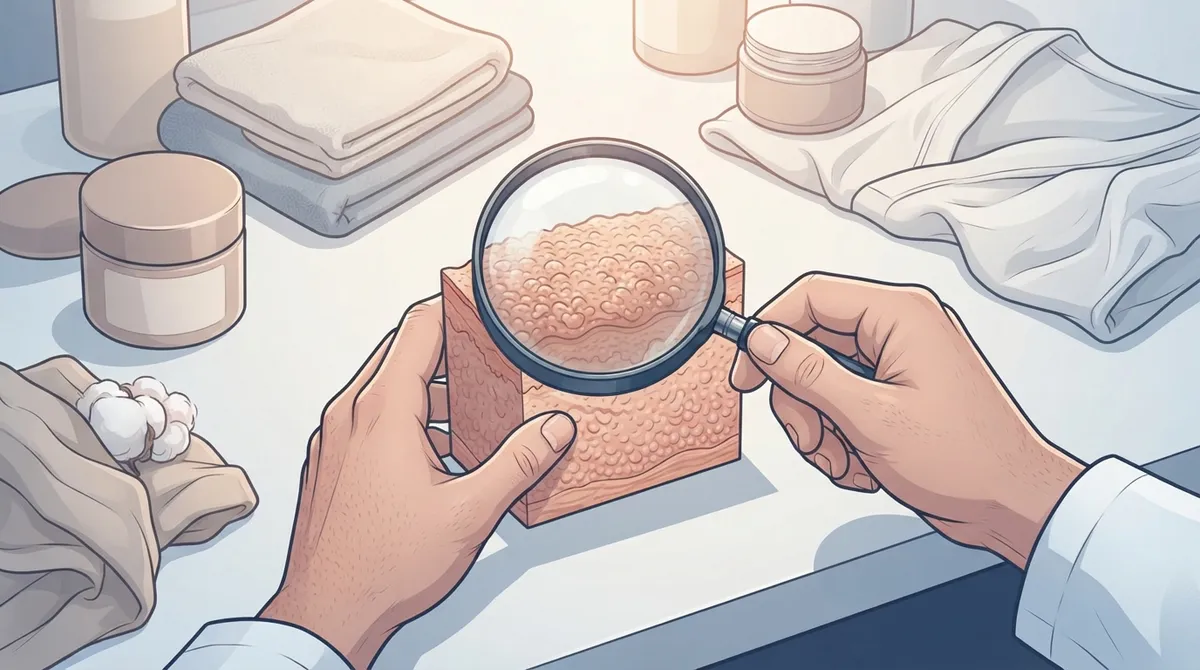
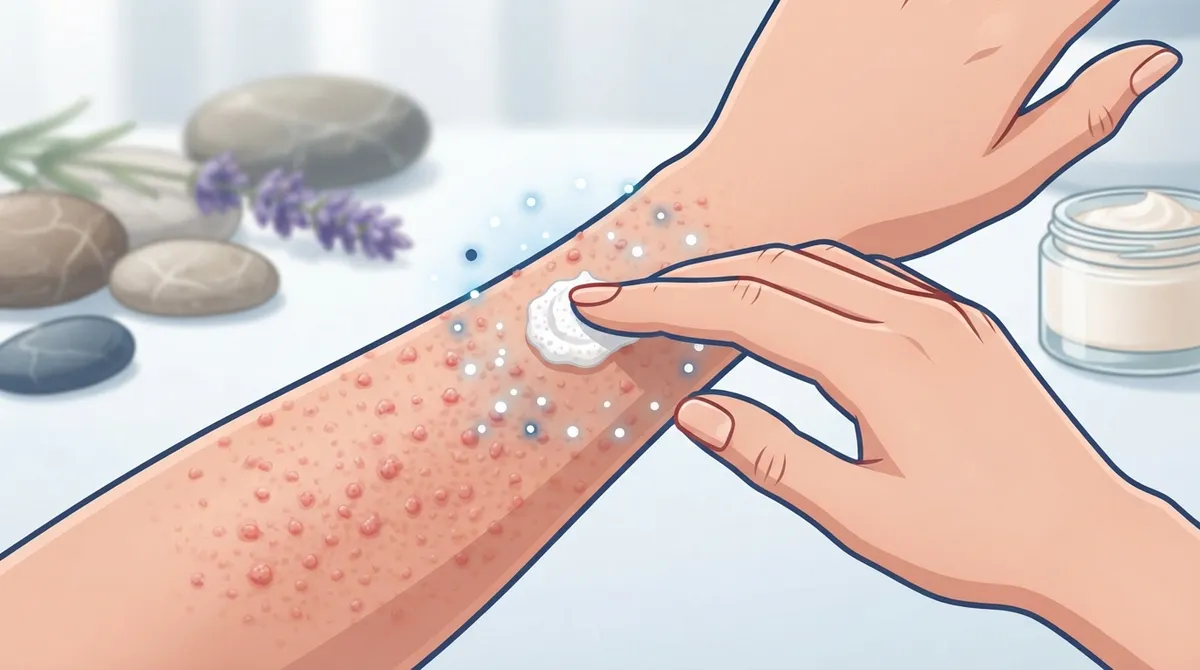
Keratosis pilaris happens when keratin, a protein in your skin, builds up around hair follicles. This creates small, rough bumps that can look like permanent goosebumps. It commonly appears on the:
- Upper arms
- Thighs
- Cheeks
- Buttocks
According to clinical references, keratosis pilaris affects roughly 40% of adults and up to 50% of adolescents, though rates vary by study. It is not dangerous, contagious, or a sign of poor hygiene. For many people, it fades somewhat with age, but treatment can help reduce texture and redness in the meantime.
Why People Search for KP-10 Alternatives
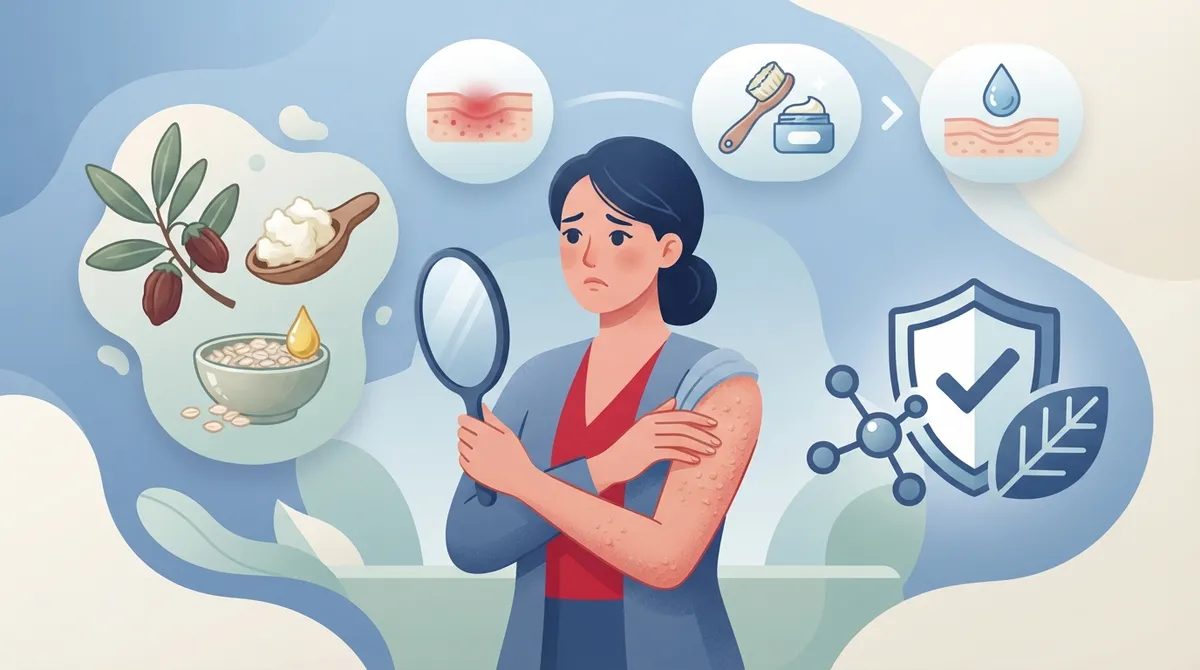
Because "KP-10" is not a verified product, searching for it can lead to confusing or unreliable information online. People want alternatives because they are trying to find something that:
- Is backed by real clinical evidence
- Will not irritate sensitive skin
- Fits into a daily routine without much effort
- Has been reviewed or recommended by a medical professional
This is where a trusted primary care approach becomes valuable. Instead of guessing which product might work, a clinician can confirm the diagnosis and recommend options suited to your skin type and lifestyle.
Evidence-Based Alternatives for Keratosis Pilaris
Several ingredients and approaches have real research behind them. Here is a breakdown of the most common options, from gentle daily care to stronger prescription treatments.
1. Fragrance-Free Moisturizers
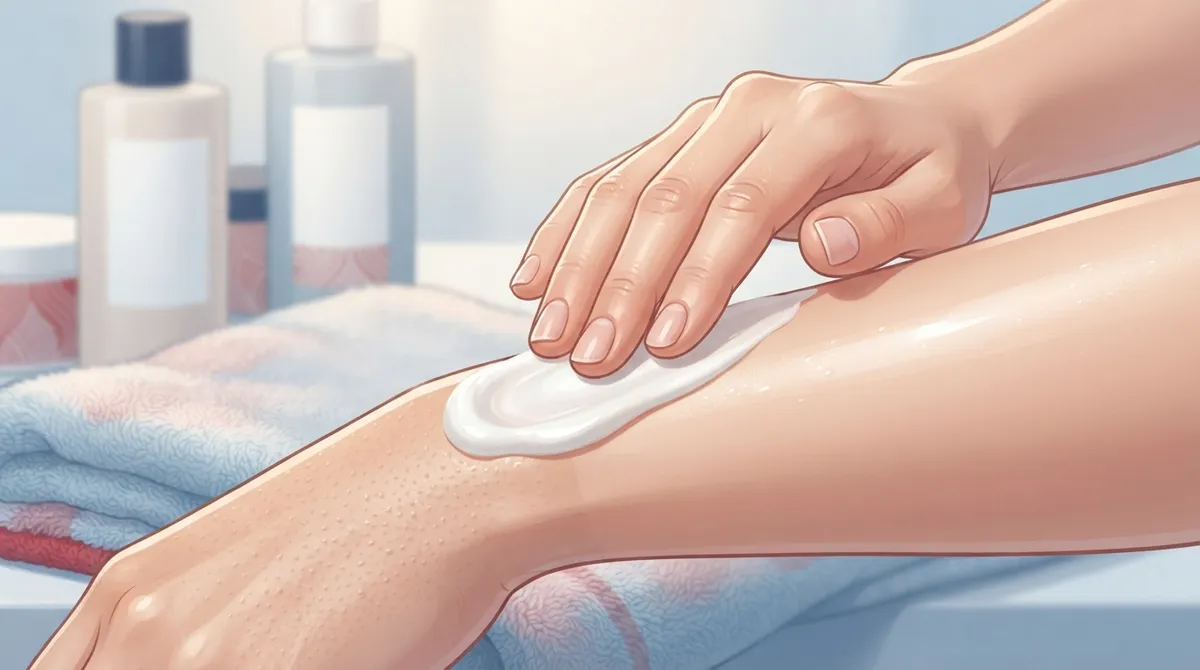
Basic skin barrier support is the foundation of any keratosis pilaris routine. Thick, cream-based moisturizers help lock in hydration and reduce roughness. Apply moisturizer while your skin is still damp after bathing for the best results.
2. Urea Creams
Urea is a keratolytic, meaning it helps break down excess keratin buildup. Clinical references commonly cite urea 20% as an effective strength for smoothing rough patches. It also has a hydrating effect, making it a good all-in-one option.
3. Lactic Acid or Ammonium Lactate
Lactic acid gently exfoliates while also drawing moisture into the skin. It is often recommended for people who find plain moisturizers are not enough but want something less harsh than stronger acids.
4. Glycolic Acid
As an alpha-hydroxy acid, glycolic acid helps loosen dead skin cells on the surface. It can improve texture over time but may cause mild stinging, especially at higher concentrations.
5. Salicylic Acid
Salicylic acid preparations up to 6% have shown benefits for smoothing keratosis pilaris bumps. It works by breaking down the buildup within hair follicles, which can reduce both bumps and redness.
6. Topical Retinoids
For persistent cases, a clinician may suggest retinoids such as adapalene, tretinoin, or tazarotene. These help normalize skin cell turnover but can cause dryness and irritation, so they are usually introduced gradually and under medical guidance. Retinoids are generally not recommended during pregnancy or breastfeeding.
7. Azelaic Acid and Topical Tacrolimus
These are sometimes used in specific cases, especially when redness or inflammation is a bigger concern than texture alone. They are not first-line treatments for everyone, so professional advice is helpful before starting either one.
8. Laser or Light-Based Therapy
A 2020 systematic review found that laser therapy, particularly Q-switched Nd:YAG laser, had some of the strongest evidence for treating resistant keratosis pilaris. This option is typically reserved for cases that do not respond well to topical treatments, and it usually requires evaluation from a dermatologist.
Comparing Common Keratosis Pilaris Treatment Options
|
Treatment |
How It Works |
Best For |
Considerations |
|---|---|---|---|
|
Fragrance-Free Moisturizer |
Supports skin barrier and hydration |
Everyone, especially sensitive skin |
Low risk, gradual results |
|
Urea Cream (20%) |
Breaks down keratin buildup |
Rough, dry patches |
May sting on broken skin |
|
Lactic Acid |
Exfoliates and hydrates |
Mild to moderate cases |
Gentle option for beginners |
|
Glycolic Acid |
Surface exfoliation |
Textured, bumpy skin |
Can cause mild irritation |
|
Salicylic Acid (up to 6%) |
Loosens follicle buildup |
Bumps with redness |
Not ideal for young children |
|
Topical Retinoids |
Speeds up cell turnover |
Persistent, stubborn cases |
Requires clinician guidance |
|
Laser Therapy |
Targets deeper skin layers |
Resistant or widespread KP |
Costly, needs specialist care |
Building a Safe, Simple Skin Care Routine
Consistency matters more than intensity when treating keratosis pilaris. Clinical guidance from Mayo Clinic suggests keeping showers to about 10 minutes or less using warm, not hot, water. Here is a simple step-by-step routine to follow:
- Use a gentle, soap-free cleanser instead of harsh bar soap
- Limit shower time to 10 minutes and avoid very hot water
- Pat skin dry instead of rubbing
- Apply moisturizer immediately while skin is still damp
- Introduce one active ingredient, like urea or lactic acid, at a time
- Watch for irritation and reduce frequency if needed
- Stick with the routine for at least four to eight weeks before judging results
Some regimens show visible fading within about two weeks, with more noticeable improvement by four to eight weeks. Results vary by person, so patience is key.
Habits That Can Make Keratosis Pilaris Worse
Certain habits can undo your progress or cause more irritation. Avoid the following:
- Vigorous scrubbing or abrasive exfoliating brushes
- Picking or squeezing the bumps
- Using harsh, drying soaps
- Wearing very tight clothing that causes friction
- Introducing multiple new acids or retinoids at once
- Skipping moisturizer after bathing
If you notice burning, a rash, or worsening symptoms, scale back and simplify your routine.
Special Considerations for Children and Sensitive Skin
Acid-based treatments can sting and are generally not suitable for young children without medical advice. For kids, sticking to fragrance-free moisturizers and gentle bathing habits is usually the safest first step. Busy families managing multiple health needs can benefit from family primary care that addresses skin concerns alongside other checkups, saving time and reducing the guesswork of picking products alone.
When to See a Primary Care Clinician
Most keratosis pilaris cases are harmless and can be managed at home. However, you should reach out to a clinician if bumps become:
- Painful or filled with pus
- Rapidly changing in size or color
- Intensely itchy despite treatment
- Unusual in appearance compared to typical KP
These signs could point to folliculitis, eczema, acne, or another skin condition that looks similar to keratosis pilaris but needs different care. A quick visit for urgent care or a scheduled annual wellness visit can help confirm the right diagnosis before you spend money on the wrong treatment.
Why a Primary Care Approach Makes Sense
Instead of relying on unverified terms like KP-10, working with a knowledgeable provider gives you a clear, personalized plan. At InCare, patients in Tampa and Riverview can get expert input on skin concerns as part of broader preventive care, alongside services like DNA gene testing and body composition analysis. This whole-body approach means your skin health is considered alongside your overall wellness goals, not treated as an isolated issue.
Patients often appreciate providers like those featured on the providers page, including Dr. Pramjeet Ahluwalia and Dr. Teshy John, who take time to explain treatment options clearly. You can learn more about the practice on the About Us page or find a convenient clinic through the Locations page.
What to Expect During a Skin Consultation
If you decide to see a clinician about rough skin bumps, here is what typically happens:
- A visual exam to confirm the diagnosis
- Questions about your skin care routine and history
- Discussion of over-the-counter options versus prescription treatments
- A personalized plan based on your skin type and lifestyle
- Follow-up guidance if symptoms do not improve
This process removes the guesswork that comes with searching vague terms online and gives you a plan built around your actual skin needs.
Realistic Expectations for Treatment
Keratosis pilaris rarely disappears completely, and that is normal. The goal of treatment is to reduce roughness, redness, and visible bumps, not necessarily to erase them entirely. Many people see meaningful improvement with consistent care, but flare-ups can still happen during dry winter months or times of stress. Sticking with a simple, evidence-based routine tends to work better long-term than switching products frequently.
For a closer look at how InCare supports patients with everyday skin and wellness concerns, you can also check patient testimonials or visit us on Google — InCare to read firsthand experiences from people in Tampa and Riverview. The clinic maintains a strong reputation, with patients often highlighting friendly staff and attentive care during visits.
Conclusion
Chasing an unverified product like KP-10 is not necessary when proven, well-researched options already exist for keratosis pilaris. From simple fragrance-free moisturizers to urea creams, salicylic acid, and prescription retinoids, there is a clear path to smoother, calmer skin. The key is consistency, patience, and knowing when to bring in professional guidance. You can also follow along for skin and wellness tips on Facebook, Instagram, or TikTok for more everyday health guidance. If your skin concerns need a closer look, do not wait to get answers. Book an appointment today and get a personalized plan built around your skin and your health goals.
FAQs
Q: What does KP-10 mean in skincare and dermatology?
A: KP-10 is not a recognized dermatology diagnosis or an established skincare ingredient. Most people using this term are searching for treatments related to keratosis pilaris, a common condition causing rough, bumpy skin.
Q: What are the best alternatives to KP-10 for keratosis pilaris?
A: Evidence-based options include fragrance-free moisturizers, urea creams, lactic acid, glycolic acid, and salicylic acid. For persistent cases, clinicians may recommend topical retinoids or laser therapy.
Q: Is urea or lactic acid better for keratosis pilaris?
A: Both can be effective, but they work slightly differently. Urea at 20% strength helps break down keratin buildup, while lactic acid exfoliates gently and adds hydration, making it a good choice for more sensitive skin.
Q: Can salicylic acid get rid of keratosis pilaris bumps?
A: Salicylic acid preparations up to 6% have been shown to improve texture and reduce bumps by loosening buildup within hair follicles. It works well for many people but is not recommended for young children without medical advice.
Q: When should someone see a primary care clinician for keratosis pilaris?
A: You should see a clinician if bumps become painful, pus-filled, rapidly changing, or intensely itchy. These signs may indicate a different skin condition that requires a distinct treatment approach.