Key Takeaways
- KP-10 is shorthand for keratosis pilaris (ICD-10 code L87.0), not a separate drug or injection; consistent daily moisturizing with keratolytic ingredients like urea, lactic acid, or salicylic acid produces results in 4-12 weeks.
- Home care routine should include lukewarm showers, gentle cleansers, immediate post-bath moisturizing, and avoidance of scrubbing or picking; consistency matters more than intensity for visible skin improvement.
- If over-the-counter treatments fail after several months, prescription retinoids (adapalene, tretinoin, tazarotene) or laser therapy can address resistant cases, but require clinician supervision due to potential irritation.
- See a doctor if bumps show signs of infection, cause severe itching, rapidly change appearance, or don't improve after months of home care to rule out other conditions and receive personalized treatment.
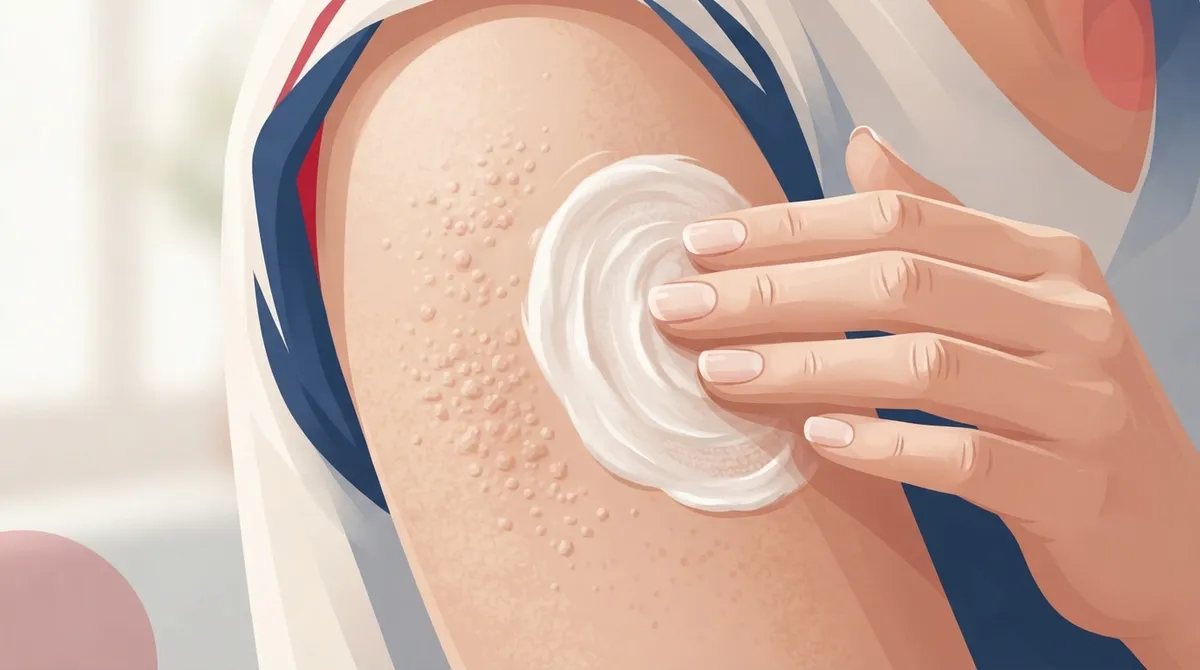
If you have noticed small, rough bumps on your arms, thighs, or cheeks, you may have searched for "KP-10 treatment options" while trying to figure out what is going on. In most primary care settings, this term points to keratosis pilaris, a common skin condition often filed under ICD-10-CM code L87.0. It is not a special drug or injection. It is simply a medical shorthand for a harmless but stubborn buildup of keratin around your hair follicles.
This condition affects a huge number of people. Some studies suggest it touches up to 40% of adults and roughly half of children and teens. If your skin feels like sandpaper in certain spots, you are far from alone. The good news is that with the right daily habits and, when needed, professional guidance, most people can smooth out their skin significantly. This guide breaks down exactly what works, what to avoid, and when to see a doctor at InCare for a proper evaluation.
What Does KP-10 Actually Mean in Primary Care?
KP-10 is not an official medical term you will find in textbooks. It is more likely a mix-up or shorthand people use online when they mean keratosis pilaris, tied to the L87.0 diagnosis code. There is no approved medication, injection, or peptide called "KP-10" that treats this skin condition, so it is worth being cautious about products marketed under that name.
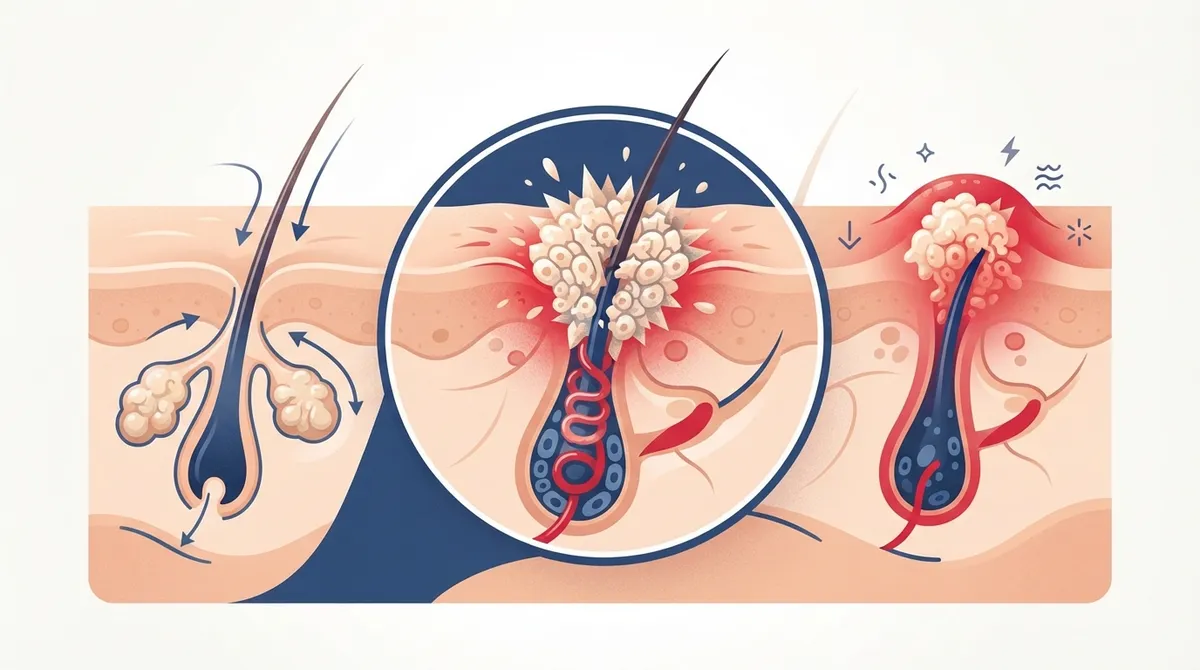
Keratosis pilaris happens when dead skin cells clog hair follicles. This creates small, rough bumps that can be skin-colored, red, or brown. It commonly shows up on the:
- Upper arms and outer thighs
- Cheeks, especially in children
- Buttocks
- Occasionally the back or forearms
It is not contagious, and it is not dangerous. Many people find it improves with age, though it can also stick around into adulthood or come back after periods of improvement.
Why Do These Bumps Show Up?
Keratosis pilaris develops when your body makes too much keratin, a protein that protects skin. This excess keratin blocks hair follicles, creating tiny, hard plugs. The result is that classic "chicken skin" texture many people describe.
Several factors can make symptoms worse, including:
- Dry weather or low humidity
- Hot showers and harsh soaps
- Friction from tight clothing
- Naturally dry or sensitive skin types
- Family history of the condition
Understanding your triggers can help you build a more effective skin care routine and avoid habits that make bumps more noticeable.
How to Start Treating KP-10 Bumps at Home
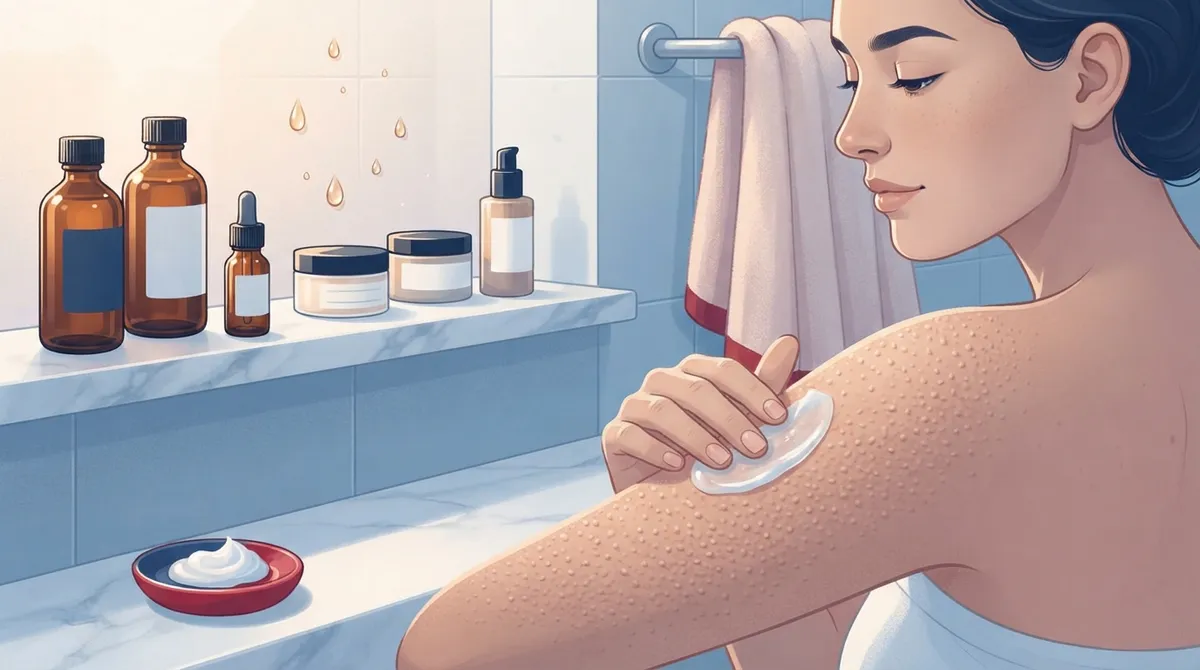
Most people see real improvement using consistent, simple skin care steps. Here is a numbered approach you can follow starting today.
Step-by-Step Home Care Routine
- Switch to short, lukewarm showers. Hot water strips natural oils and can worsen dryness.
- Use a gentle, fragrance-free cleanser. Avoid harsh soaps that irritate sensitive skin.
- Apply moisturizer within minutes of bathing. This locks in hydration while skin is still damp.
- Introduce a keratolytic ingredient slowly. Look for urea, lactic acid, or salicylic acid in creams.
- Avoid scrubbing or picking at bumps. This can cause irritation, scarring, or infection.
- Stick with the routine for several weeks. Visible smoothing often takes 4 to 12 weeks.
Consistency matters more than intensity. Using a strong product once a week will not help as much as a gentle product used every day.
Best Over-the-Counter Ingredients Compared
Not all creams work the same way. The table below breaks down common ingredients used for KP-10 treatment options, based on typical concentration ranges and how they function.
|
Ingredient |
Typical Concentration |
How It Helps |
Best For |
|---|---|---|---|
|
Urea |
10% to 20% |
Softens rough skin and boosts hydration |
Dry, thick patches |
|
Ammonium Lactate |
12% |
Gently exfoliates and moisturizes |
Sensitive skin needing daily use |
|
Salicylic Acid |
Around 2% |
Breaks down keratin plugs in follicles |
Oilier skin or larger body areas |
|
Lactic Acid |
Varies by product |
Mild exfoliation with hydration |
First-time users or beginners |
Since suitability depends on your skin type, age, and sensitivity, it helps to ask a primary care provider which option fits your situation before starting a new routine.
When Home Care Is Not Enough
If over-the-counter products are not cutting it after a few months, a clinician may suggest stronger options. These treatments require guidance because they carry more risk of irritation.
Prescription and Clinical Options
- Topical retinoids such as adapalene, tretinoin, or tazarotene can help speed up skin cell turnover.
- Topical corticosteroids may briefly calm very red, inflamed bumps but are not meant for long-term use.
- Laser or light-based treatments can improve redness and texture in stubborn cases, though results vary and usually need multiple sessions.
- Microdermabrasion may smooth skin texture temporarily but is not a permanent fix.
Retinoids are usually introduced slowly since they often cause dryness, redness, and peeling at first. Pregnant or breastfeeding patients should always check with a clinician before using them, since certain retinoids are not recommended during these times.
Comparing Treatment Approaches
Choosing the right path depends on how severe your symptoms are and how much time you want to invest. Here is a simple comparison.
|
Approach |
Time to See Results |
Best For |
Considerations |
|---|---|---|---|
|
Daily moisturizing routine |
4 to 12 weeks |
Mild to moderate bumps |
Low cost, minimal risk |
|
Keratolytic creams |
4 to 8 weeks |
Rough, thickened patches |
May cause mild irritation initially |
|
Prescription retinoids |
8 to 12 weeks |
Resistant or widespread cases |
Requires clinician supervision |
|
Laser or light therapy |
Multiple sessions over months |
Cosmetic concerns, redness |
Higher cost, variable results |
There is no treatment proven to work for everyone, and no cure exists that permanently removes the condition. Most therapies manage appearance and texture rather than eliminating the underlying tendency.
What to Avoid When Managing KP-10 Symptoms
Certain habits can make bumps worse or slow down your progress. Avoid the following:
- Scrubbing skin with rough loofahs or brushes
- Picking, scratching, or squeezing bumps
- Using scented lotions or soaps with alcohol
- Taking long, very hot showers
- Wearing tight, non-breathable fabrics over affected areas
- Expecting overnight results from any product
Patience and gentle consistency tend to produce the best long-term outcomes.
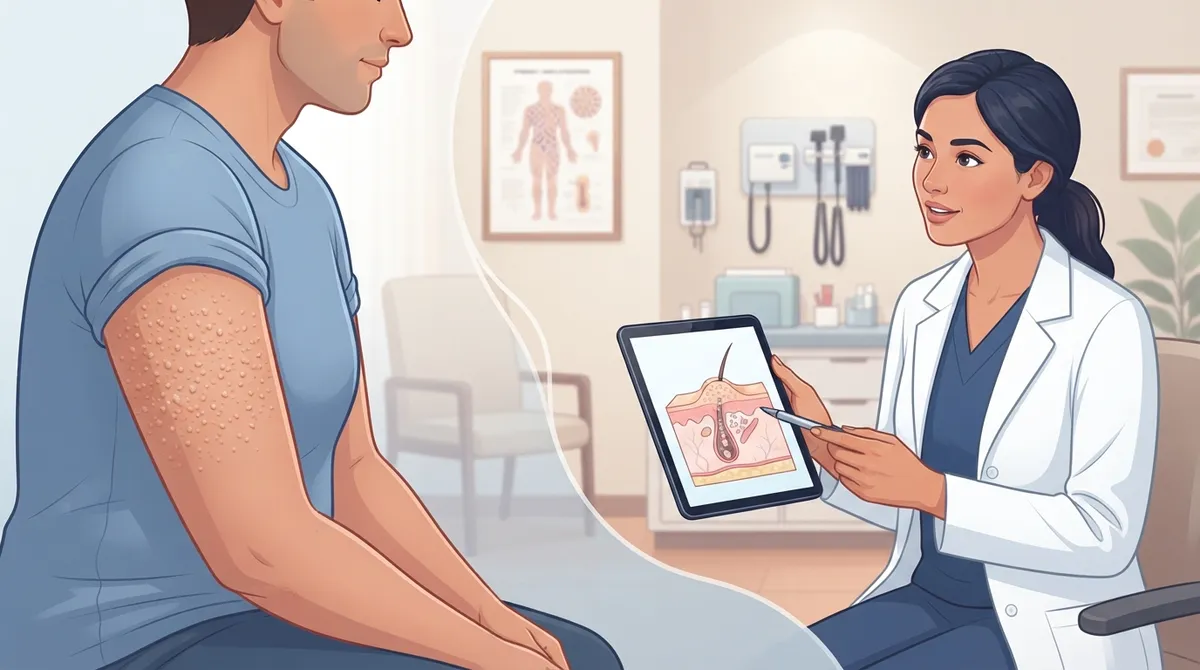
When to See a Primary Care Provider
Most cases of keratosis pilaris do not need medical treatment. However, you should schedule a visit if you notice any of these signs:
- Bumps that are painful or rapidly changing in appearance
- Signs of infection, such as pus, warmth, or spreading redness
- Severe itching that disrupts daily life or sleep
- No improvement after months of consistent home care
- Uncertainty about whether the diagnosis is actually keratosis pilaris
A clinician can rule out other skin conditions and recommend a personalized plan. The team at InCare's primary care services in Tampa and Riverview can evaluate your skin, discuss your history, and guide you toward the safest and most effective treatment path.
Why Choose InCare for Your Skin and Wellness Needs
InCare combines modern technology with hands-on medical expertise to give patients answers, not guesswork. Whether you need a straightforward skin evaluation or a broader wellness check-up, the providers at InCare take time to listen and explain your options clearly. Many patients come in asking about one issue, like rough skin bumps, and leave with a full picture of their overall health thanks to services like cancer screening, body composition analysis, and DNA gene testing.
If you are unsure whether your skin concern needs medical attention or a simple skin care adjustment, a visit to InCare's Tampa or Riverview location can bring clarity. You can also read what patients say about their experience, including feedback on the friendly staff and knowledgeable providers, by checking Visit us on Google — InCare.
Building Long-Term Skin Confidence
Managing KP-10 symptoms is rarely about finding one magic product. It is about building small, sustainable habits that add up over time. Gentle cleansing, consistent moisturizing, and patience with keratolytic ingredients form the foundation of most success stories. For people with stubborn or widespread bumps, working with a primary care provider adds an extra layer of confidence and safety.
According to dermatology education resources like those referenced by the American Academy of Dermatology, realistic expectations matter just as much as the products you choose. Skin conditions like this often wax and wane, so tracking your progress over weeks rather than days will give you a clearer picture of what is actually working.
You can also follow along with skin health tips and patient stories on InCare's Facebook page, browse before-and-after inspiration on Instagram, or catch quick wellness tips on Tik Tok.
Final Thoughts on KP-10 Treatment Options
Understanding that KP-10 most likely refers to keratosis pilaris, not a special drug, helps you make smarter choices about your skin care routine. Simple daily habits, like gentle cleansing and consistent moisturizing, work for most people. When that is not enough, prescription treatments or in-office procedures offer additional paths forward, ideally under a clinician's guidance.
If your skin bumps are not improving, or you simply want a professional opinion on the best next step, the team at InCare is ready to help. You can get in touch with our team to ask questions, or go ahead and schedule your visit today to start building a skin care plan that actually works for you.
FAQs
Q: What does KP-10 mean in a medical or primary care context?
A: KP-10 is not an official medical term. In primary care, it most likely refers to keratosis pilaris, a common skin condition tied to the ICD-10-CM code L87.0. It is not a separate medication, injection, or treatment protocol.
Q: Is KP-10 the same as keratosis pilaris?
A: Yes, in most primary care discussions, KP-10 is shorthand people use when referring to keratosis pilaris and its diagnosis code L87.0. There is no separate condition or product officially called KP-10.
Q: What is the best over-the-counter treatment for keratosis pilaris?
A: Moisturizers containing urea, lactic acid, ammonium lactate, or salicylic acid tend to work best. These ingredients gently exfoliate and hydrate, softening rough bumps over several weeks of consistent use.
Q: Can prescription retinoids treat stubborn keratosis pilaris?
A: Yes, topical retinoids like adapalene, tretinoin, or tazarotene can help when over-the-counter products are not enough. They should be introduced gradually under a clinician's guidance to reduce irritation and dryness.
Q: When should someone see a primary care clinician for KP-10 symptoms?
A: You should schedule a visit if bumps are painful, rapidly changing, showing signs of infection, or not improving after months of home care. A clinician can confirm the diagnosis and suggest the right next steps.