
Key Takeaways
- No proven food, supplement, or lifestyle trick reliably raises kisspeptin levels directly; focus instead on supporting overall hypothalamic function through adequate nutrition, sleep, and stress management.
- Low energy availability from undereating or excessive exercise suppresses kisspeptin activity and can cause functional hypothalamic amenorrhea; match calorie intake to your activity level to maintain normal hormone signaling.
- Both significant underweight and obesity disrupt kisspeptin signaling differently; gradual, medically supervised weight management is more effective than extreme or rapid weight loss for hormone health.
- Irregular periods lasting over 3 months, unexplained infertility, or sudden libido changes warrant professional hormone testing (LH, FSH, estrogen/testosterone) rather than self-treatment with supplements.
- Balance intense exercise with adequate recovery and aim for 7-9 hours of quality sleep nightly, as chronic stress and sleep deprivation suppress GnRH pulses and downstream reproductive hormone production.
- Kisspeptin injections exist only in research settings and are not approved consumer products; any over-the-counter supplement claiming to boost kisspeptin lacks scientific evidence and should be treated with skepticism.
If you have been searching for ways to increase kisspeptin naturally, you are likely trying to solve a bigger puzzle. Maybe your periods have become irregular. Maybe fertility has been harder than expected. Maybe you are simply curious about the hormone that controls puberty, ovulation, and testosterone. Kisspeptin sits at the center of your body's reproductive control system, and its activity often reflects how well the rest of your health is being managed.
This guide explains what kisspeptin does, why no supplement can directly boost it, and what science-backed steps actually support the hormonal pathway kisspeptin controls. We will also cover when irregular cycles, low libido, or fertility struggles mean it is time to see a doctor rather than try another wellness trend. Understanding this system helps you make smarter choices about your reproductive and metabolic health.
What Is Kisspeptin and Why Does It Matter
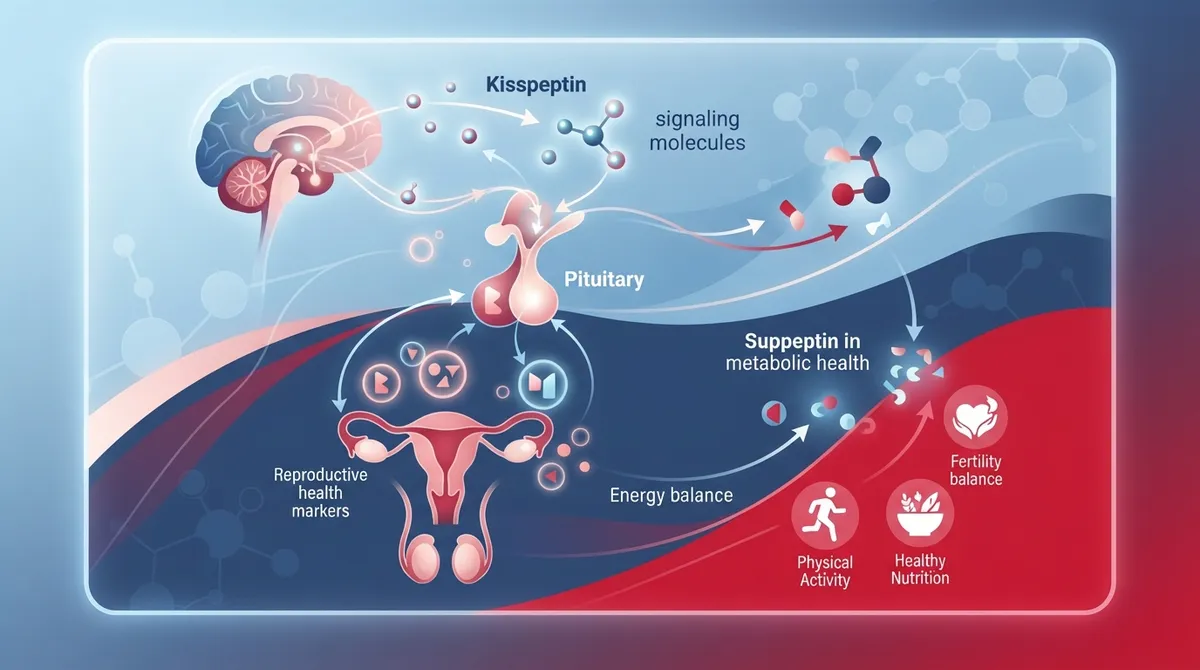
Kisspeptin is a chemical messenger made in the hypothalamus, a small but powerful region of the brain. It activates receptors called KISS1R on GnRH neurons, according to a 2025 review in Physiological Reviews. This activation triggers the release of gonadotropin-releasing hormone (GnRH), which then tells the pituitary gland to release luteinizing hormone (LH) and follicle-stimulating hormone (FSH).
Those two hormones control ovulation in women and testosterone production in men. In short, kisspeptin is the switch that starts the entire reproductive hormone chain. Without proper kisspeptin signaling, puberty can be delayed, periods can stop, and fertility can suffer.
The Kisspeptin-GnRH-LH/FSH Pathway
Here is how the signal travels through your body, step by step:
- The hypothalamus releases kisspeptin in pulses.
- Kisspeptin binds to KISS1R receptors on GnRH neurons.
- GnRH neurons release GnRH into the bloodstream.
- The pituitary gland responds by releasing LH and FSH.
- LH and FSH stimulate the ovaries or testes to produce sex hormones.
Any disruption in this chain, starting at the kisspeptin level, can throw off the entire system. This is why researchers view kisspeptin as a possible "final common pathway" for conditions like functional hypothalamic amenorrhea, according to a 2024 review on the subject.
Can You Really Increase Kisspeptin Naturally
Here is an honest answer: there is currently no proven food, supplement, or lifestyle trick that reliably raises kisspeptin levels on its own. If you see a product claiming to "boost kisspeptin naturally," treat that claim with real skepticism. The scientific evidence simply is not there yet.
What the research does show is that kisspeptin activity responds to your body's overall energy status and stress levels. This means the real strategy is not chasing a single hormone. It is supporting the systems that keep your hypothalamus functioning normally. This is exactly the kind of whole-body approach found in primary care and preventive wellness visits.
Why Energy Availability Matters So Much
Your hypothalamus is highly sensitive to how much energy your body has available. When you eat too little, exercise too much, or lose significant body fat quickly, your brain can interpret this as a threat. It responds by slowing down GnRH pulses, which reduces kisspeptin activity and can eventually stop ovulation altogether.
This condition is called functional hypothalamic amenorrhea (FHA). It is one of the most common reasons for missed periods in otherwise healthy young women, especially those who are highly active or restrict calories.
Lifestyle Factors That Support Healthy Hormone Signaling
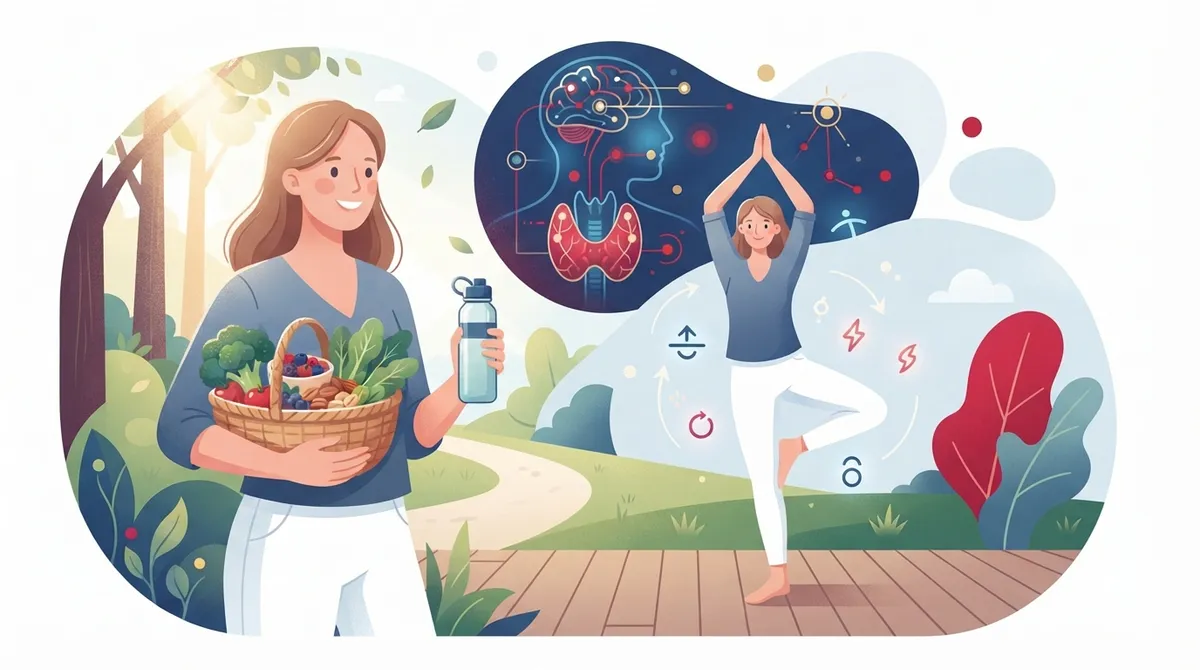
While you cannot directly force kisspeptin levels up, you can remove the roadblocks that suppress it. Consider these evidence-informed strategies:
- Eat enough calories and nutrients to match your activity level
- Avoid chronic, extreme calorie restriction or crash dieting
- Balance intense exercise with adequate recovery time
- Prioritize seven to nine hours of quality sleep each night
- Manage chronic stress through therapy, mindfulness, or lifestyle changes
- Maintain a healthy body weight, avoiding both underweight and obesity extremes
These steps will not act like a switch that instantly raises kisspeptin. Instead, they remove the metabolic and psychological stressors that suppress your natural hormone rhythm over time.
Nutrition and Body Weight Considerations
Both being significantly underweight and living with obesity can disrupt kisspeptin signaling, though in different ways. Low body fat and inadequate energy intake are strongly linked to suppressed GnRH pulses. Obesity, on the other hand, is associated with altered kisspeptin signaling in conditions like polycystic ovary syndrome (PCOS).
This is why personalized guidance matters so much. A medically supervised weight loss program can help you reach a healthy body composition without the extreme swings that stress your hormone system. At InCare, providers use tools like body composition analysis to track progress with real data instead of guesswork.
Common Conditions Linked to Kisspeptin Disruption
Several health conditions involve abnormal kisspeptin activity. Understanding these can help you recognize when professional evaluation is needed rather than a home remedy.
|
Condition |
Kisspeptin Connection |
Common Symptoms |
|---|---|---|
|
Functional Hypothalamic Amenorrhea |
Suppressed kisspeptin activity from low energy availability |
Missed or irregular periods, low estrogen, fatigue |
|
PCOS |
Altered kisspeptin signaling patterns |
Irregular cycles, excess androgens, weight changes |
|
Obesity |
Disrupted kisspeptin-GnRH feedback |
Hormonal imbalance, metabolic syndrome |
|
Delayed Puberty |
Insufficient kisspeptin activation of GnRH neurons |
Slow physical development for age |
If you recognize any of these symptoms in yourself or a family member, a conversation with a provider is the right next step. InCare's team of providers can order appropriate hormone testing and build a plan based on your specific results.
What About Kisspeptin Injections and Supplements
You may have read about kisspeptin injections used in fertility research. These are real, but they are not a natural health product. Human trials have given kisspeptin to more than 150 research participants without serious reported side effects, according to a recent clinical trial protocol. However, this remains a specialist, medically supervised treatment used mainly to study ovulation induction.
Interestingly, kisspeptin levels rise an astonishing 7,000 to 10,000 times during pregnancy. This dramatic shift is a natural physiological event tied to gestation, not something a supplement or lifestyle change can replicate. It shows how powerful this hormone pathway really is when your body needs it most.
Why Over-the-Counter Kisspeptin Products Are Not the Answer
There is no approved consumer supplement that delivers kisspeptin safely and effectively outside of a clinical research setting. Any product claiming otherwise should raise red flags. Instead, focus on supporting your body's natural rhythm through nutrition, sleep, and stress management, and let a qualified provider evaluate whether deeper hormone testing is needed.
Steps to Take If You Suspect a Kisspeptin-Related Issue
If your cycle has become irregular, or you are struggling with unexplained fertility issues, here is a practical path forward:
- Track your symptoms, including cycle length, energy levels, and appetite changes.
- Schedule a comprehensive wellness visit to review your health history.
- Request hormone panel testing, including LH, FSH, and estrogen or testosterone.
- Discuss your exercise habits and caloric intake honestly with your provider.
- Consider DNA gene testing if a genetic component is suspected.
- Follow a personalized plan that may include nutrition counseling, weight management, or referral to a specialist.
This step-by-step approach is far more reliable than trying random supplements based on online claims. Real answers come from real testing and personalized care.
How InCare Supports Whole-Body Hormone Health
InCare, with locations in Tampa and Riverview, Florida, takes a whole-body approach to wellness rather than chasing single hormone fixes. The clinic combines advanced diagnostics with personalized care plans covering everything from cancer screening to metabolic health.
Services like metabolic breath analysis and IV hydration and vitamin drips support overall energy balance, which plays a role in healthy hormone signaling. Rather than guessing what your body needs, InCare providers use data to build a plan that fits your unique situation.
Patients consistently report positive experiences with the clinic's approach. You can read reviews from InCare patients on Google to see how the team has helped others navigate similar health concerns. The practice also shares wellness tips and patient stories on Facebook and Instagram, giving you a closer look at day-to-day life at the clinic.
A Table of Lifestyle Support vs Medical Intervention
|
Approach |
What It Addresses |
Who It's For |
|---|---|---|
|
Nutrition and sleep improvements |
General energy availability and stress reduction |
Most people wanting to support hormone health |
|
Medically supervised weight management |
Body composition affecting hormone signaling |
Those with obesity or significant weight changes |
|
Hormone panel testing |
Identifying LH, FSH, and related imbalances |
Anyone with irregular cycles or fertility concerns |
|
Specialist referral for kisspeptin research treatment |
Severe reproductive hormone disorders |
Patients under fertility or endocrinology care |
When to See a Doctor
Certain symptoms should never be self-treated with supplements or wellness trends. See a provider if you experience any of the following:
- Absent or irregular periods for more than three months
- Unexplained infertility after trying to conceive for a year
- Noticeable drop in libido or sexual function
- Delayed puberty in a teenager
- Sudden, unexplained weight loss or weight gain
- Symptoms suggesting thyroid or other endocrine disease
These symptoms deserve a real medical evaluation, not guesswork. According to the National Institutes of Health, functional hypothalamic amenorrhea and related reproductive hormone disorders are common but often treatable once the underlying cause is identified.
Bringing It All Together
Increasing kisspeptin naturally is not about finding a magic pill or trendy supplement. It is about supporting the entire hormonal system that kisspeptin controls. That means eating enough, managing stress, sleeping well, and staying at a healthy weight for your body. When something feels off, like missed periods or fertility struggles, professional testing gives you real answers instead of guesses.
InCare's providers, including Dr. Naveen Paddu, Dr. Pramjeet Ahluwalia, and Dr. Teshy John, bring years of experience to primary care and wellness services across Tampa and Riverview. Whether you need a full hormone workup, weight management support, or simply want a trusted clinic location near you, the InCare team is ready to help you build a plan around your actual health data.
Ready to get real answers about your hormone health? Book your appointment today or reach out to our team to learn how a personalized wellness plan can support your body's natural hormone balance.
FAQs
Q: Can diet naturally increase kisspeptin levels?
A: No specific food has been proven to directly increase kisspeptin. However, eating enough calories and nutrients helps prevent the low energy availability that suppresses kisspeptin activity and GnRH pulses.
Q: Does exercise raise or lower kisspeptin?
A: Moderate exercise supports overall hormone health, but excessive training combined with insufficient calorie intake can suppress kisspeptin signaling. Balance is essential for maintaining normal reproductive hormone function.
Q: Can losing weight improve kisspeptin and fertility?
A: For individuals with obesity, gradual, medically supervised weight loss may help normalize hormone signaling. However, rapid or extreme weight loss can have the opposite effect and suppress kisspeptin activity.
Q: Is kisspeptin involved in PCOS?
A: Yes, research has linked altered kisspeptin signaling to polycystic ovary syndrome. The exact role varies by individual, which is why professional hormone testing is important for an accurate diagnosis.
Q: Are kisspeptin supplements or injections safe?
A: Kisspeptin injections remain experimental and are used only in supervised research or fertility treatment settings. There are no approved over-the-counter kisspeptin supplements proven safe or effective for general use.