Key Takeaways
- Hypogonadotropic hypogonadism is often reversible when underlying causes like undernutrition, excessive exercise, stress, or medication side effects are identified and corrected through proper medical evaluation.
- Kisspeptin is not currently an approved treatment for HH; diagnosis requires repeat morning hormone testing (testosterone, LH, FSH, prolactin) and sometimes pituitary MRI to distinguish central from primary hypogonadism.
- Men seeking fertility need pulsatile GnRH or gonadotropin therapy instead of testosterone replacement, which suppresses sperm production; women with functional hypothalamic amenorrhea benefit from nutrition rehabilitation and stress reduction.
- Track symptoms like fatigue, mood changes, and irregular cycles for several weeks, then schedule a primary care visit with morning hormone panels rather than random-time blood draws to enable accurate diagnosis.
Feeling tired all the time? Noticing changes in your sex drive, muscle tone, or menstrual cycle that just don't add up? These symptoms often get brushed aside as stress or aging. But sometimes they point to a real hormone problem called hypogonadotropic hypogonadism (HH). At the center of this condition sits a tiny but powerful molecule called kisspeptin. Understanding how kisspeptin and hypogonadotropic hypogonadism connect can help you ask better questions at your next doctor visit.
This guide breaks down what kisspeptin does, how HH develops, and what steps primary care providers take to diagnose and manage it. Whether you're a busy parent juggling family health needs or someone focused on optimizing your wellness, this information matters. At InCare, our providers in Tampa and Riverview help patients get answers instead of guesses when hormone symptoms show up.
What Is Kisspeptin and Why Does It Matter?
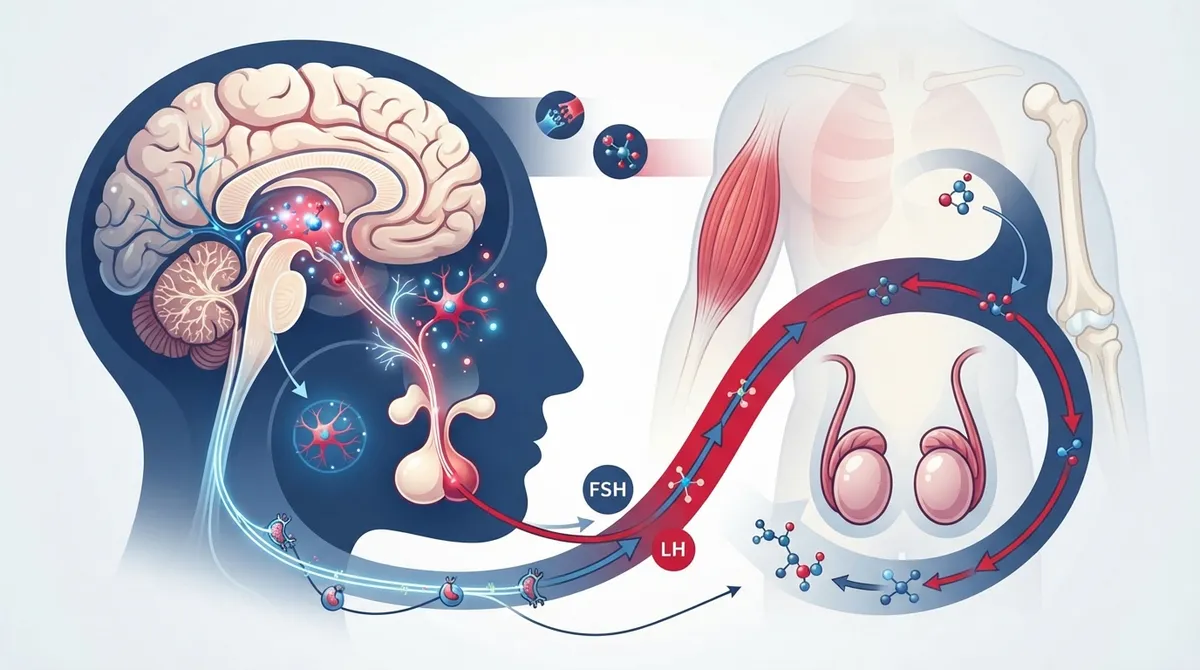
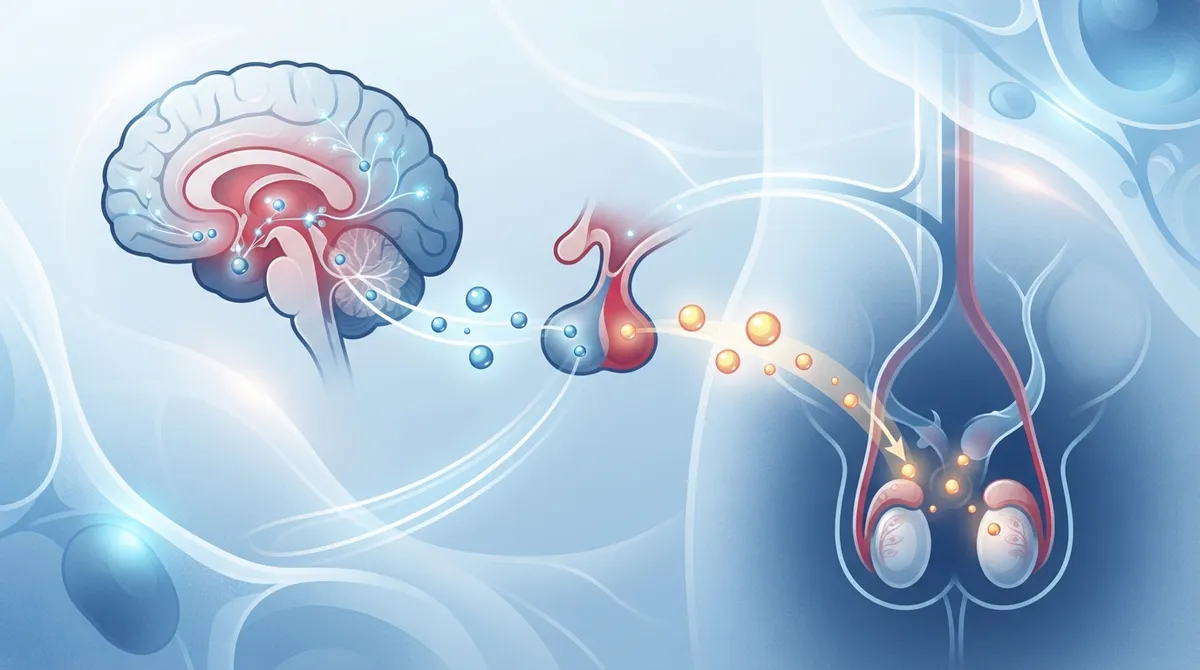
Kisspeptin is a neuropeptide made in the brain. It acts like a switch that turns on your reproductive hormone system. Kisspeptin binds to receptors on GnRH neurons, triggering the release of gonadotropin-releasing hormone (GnRH).
GnRH then signals your pituitary gland to release two key hormones: luteinizing hormone (LH) and follicle-stimulating hormone (FSH). These hormones tell your ovaries or testes to produce estrogen or testosterone. Without proper kisspeptin signaling, this entire chain can break down.
The Kisspeptin-GnRH-Gonadotropin Chain
- Kisspeptin activates receptors on GnRH neurons in the hypothalamus
- GnRH is released in pulses, not steady streams
- Pulsatile GnRH stimulates the pituitary to release LH and FSH
- LH and FSH travel to the testes or ovaries
- Sex hormones like testosterone and estradiol are produced
When any part of this chain fails, hormone levels drop. This is where hypogonadotropic hypogonadism enters the picture.
What Is Hypogonadotropic Hypogonadism?
Hypogonadotropic hypogonadism, also called central or secondary hypogonadism, happens when the brain or pituitary gland fails to properly stimulate the testes or ovaries. This is different from primary hypogonadism, where the problem starts in the gonads themselves.
In HH, lab tests typically show low testosterone in men or low estradiol in women. But LH and FSH levels stay low or stay in the normal range instead of rising to compensate. This pattern tells doctors the signal from the brain is weak or missing.
Common Causes of Hypogonadotropic Hypogonadism
- Congenital GnRH deficiency, including Kallmann syndrome
- Functional hypothalamic suppression from undereating or excessive exercise
- Low energy availability common in athletes and dieters
- Severe psychological stress or chronic illness
- Hyperprolactinemia (high prolactin levels)
- Pituitary or hypothalamic tumors or disease
- Obesity-related hormone suppression
- Certain medications, including opioids and long-term glucocorticoids
Many of these causes are reversible once identified. This is why a thorough evaluation at a primary care visit matters so much.
Symptoms That May Signal HH
Symptoms differ between men and women, but both share some overlapping signs of low sex hormone levels.
Symptoms in Men
- Low energy and fatigue
- Reduced sex drive
- Erectile difficulties
- Loss of muscle mass
- Increased body fat
- Mood changes or depression
Symptoms in Women
- Irregular or missing periods
- Trouble getting pregnant
- Hot flashes
- Low bone density over time
- Vaginal dryness
- Mood swings or low mood
If you notice these symptoms, don't ignore them. A same-day visit for urgent care or a scheduled primary care appointment can start the evaluation process quickly.
How Primary Care Evaluates Suspected HH
Diagnosing hypogonadotropic hypogonadism takes more than one blood test. The Endocrine Society recommends a careful, step-by-step approach to confirm the diagnosis before starting any treatment.
Step-by-Step Evaluation Process
- Review symptoms and personal health history in detail
- Order a morning total testosterone test for men, repeated to confirm results
- Check estradiol levels in women along with menstrual history
- Measure LH and FSH to see if they are low or inappropriately normal
- Test prolactin levels, especially with very low testosterone or pituitary symptoms
- Review medications, including opioids and steroids
- Ask about diet, exercise habits, and recent weight changes
- Consider pituitary MRI if symptoms suggest a sellar lesion
According to Endocrine Society guidelines published in 2018, symptoms alone are not enough to diagnose male hypogonadism. Testosterone levels must be confirmed with a repeat morning measurement using a reliable lab assay.
|
Test |
What It Measures |
Why It Matters |
|---|---|---|
|
Morning Total Testosterone |
Main male sex hormone level |
Confirms low testosterone before diagnosis |
|
LH and FSH |
Pituitary signaling hormones |
Distinguishes central vs. primary hypogonadism |
|
Prolactin |
Pituitary hormone linked to reproduction |
Screens for pituitary tumors or dysfunction |
|
Estradiol |
Main female sex hormone |
Confirms low estrogen in women |
|
Pituitary MRI |
Imaging of the pituitary gland |
Rules out structural disease when indicated |
Where Kisspeptin Fits Into Treatment Today
It's important to set realistic expectations. Kisspeptin is not currently an approved treatment for hypogonadotropic hypogonadism. Right now, it remains a research tool and an emerging target for future therapies.
A 2024 review published in the Annals of the New York Academy of Sciences described kisspeptin as a key part of the GnRH pulse generator. Researchers see it as a promising target for conditions like functional hypothalamic amenorrhea. Small clinical trials have tested pulsatile and subcutaneous kisspeptin administration, including a planned study of about 24 participants and a subcutaneous KASPR study planned for roughly 50 participants.
These studies show that kisspeptin can raise LH levels and sometimes testosterone in men. But dosing, delivery method, long-term safety, and fertility outcomes are still under investigation. Patients should never attempt self-directed kisspeptin peptide use. Any hormone therapy should be supervised by a licensed clinician.
Standard Treatment Approaches for HH
Treatment depends on what's causing the condition and what the patient hopes to achieve.
Addressing Reversible Causes First
- Correcting low energy availability through nutrition support
- Reducing excessive exercise volume in athletes
- Managing obesity through medically supervised weight loss programs
- Treating underlying chronic illness
- Adjusting or replacing medications linked to suppression
When Hormone Replacement Is Appropriate
Testosterone replacement therapy can relieve symptoms in men who are not trying to conceive. However, this treatment suppresses natural sperm production. Men actively pursuing fertility need a different approach.
Fertility-Focused Options
- Gonadotropin therapy to stimulate sperm production in men
- Pulsatile GnRH therapy administered by specialists
- Ovulation induction with gonadotropins in women trying to conceive
- Specialist-directed GnRH therapy for female fertility support
Referral to reproductive endocrinology is standard for congenital cases, persistent symptoms, or when fertility is the primary goal.
Functional Hypothalamic Amenorrhea: A Key Female Presentation
Functional hypothalamic amenorrhea (FHA) is one of the most common causes of HH in women. It happens when the body senses stress, low energy, or overtraining and shuts down reproductive signaling to conserve resources.
Kisspeptin neurons appear to sense energy status directly. This may explain why undernutrition and intense exercise disrupt GnRH pulses so strongly. Standard treatment still focuses on nutrition rehabilitation, stress reduction, and addressing the root cause rather than peptide therapy.
Table: Primary vs. Secondary Hypogonadism at a Glance
|
Feature |
Primary Hypogonadism |
Hypogonadotropic (Secondary) Hypogonadism |
|---|---|---|
|
Location of Problem |
Testes or ovaries |
Hypothalamus or pituitary gland |
|
LH and FSH Levels |
High |
Low or inappropriately normal |
|
Sex Hormone Levels |
Low |
Low |
|
Common Causes |
Genetic conditions, injury, chemotherapy |
Stress, undernutrition, pituitary disease, medications |
|
Reversibility |
Often permanent |
Often reversible if cause is treated |
Why Whole-Body Wellness Testing Helps
Hormone problems rarely exist in isolation. That's why comprehensive evaluation matters so much. Services like DNA gene testing and body composition analysis can help identify patterns linked to hormone imbalances, metabolic issues, and nutritional gaps.
For patients dealing with fatigue or low hormone symptoms, IV hydration and vitamin drips may support overall energy while the underlying hormone issue gets addressed through proper testing and treatment.
Steps to Take If You Suspect HH
- Track your symptoms for several weeks, including energy, mood, and cycle changes
- Schedule a visit with a primary care provider experienced in hormone testing
- Request morning hormone panels rather than random-time blood draws
- Discuss your exercise habits, diet, and recent stress levels honestly
- Ask about medication side effects if you take opioids or steroids
- Follow up on repeat testing before starting any treatment
- Seek referral to endocrinology if fertility is a goal or the cause is unclear
Our team of providers, including Dr. Pramjeet Ahluwalia, Dr. Naveen Paddu, and Dr. Teshy John, guide patients through this exact process every day at both our Tampa and Riverview locations.
Why Choose InCare for Hormone Health Evaluation
InCare combines advanced diagnostic technology with a personal, patient-first approach. We understand that hormone symptoms can feel confusing and frustrating. Our providers take time to listen, order the right tests, and build a treatment plan that fits your goals, whether that's restoring energy, supporting fertility, or protecting long-term bone and heart health.
Patients consistently share positive feedback about their experience with our team. You can visit us on Google — InCare to read real reviews from people who found answers here. We also share wellness tips and patient stories on Facebook, Instagram, and TikTok.
Take Control of Your Hormone Health Today
Kisspeptin plays a fascinating role in reproductive health, and research into its therapeutic use continues to grow. But for now, the best path forward for suspected hypogonadotropic hypogonadism is a proper evaluation with a trusted primary care team. Don't wait for symptoms to worsen or guess at supplements that aren't proven safe.
Ready to get real answers about your hormone health? Book your appointment today and let our Tampa and Riverview providers help you feel like yourself again.
FAQs
Q: What is the difference between kisspeptin deficiency and hypogonadotropic hypogonadism?
A: Kisspeptin deficiency is one possible cause of hypogonadotropic hypogonadism. HH is the broader condition where the brain or pituitary fails to properly signal the gonads, and kisspeptin signaling problems are just one mechanism that can lead to this outcome.
Q: Can kisspeptin be used to treat infertility or induce ovulation?
A: Kisspeptin therapy remains investigational and is not an approved treatment for infertility or ovulation induction. Current fertility treatment relies on gonadotropin therapy or specialist-directed GnRH therapy under close medical supervision.
Q: Can obesity, stress, dieting, or excessive exercise cause functional hypogonadotropic hypogonadism?
A: Yes. These factors can suppress the hypothalamic-pituitary-gonadal axis, leading to functional hypogonadotropic hypogonadism. Correcting the underlying cause, such as improving nutrition or reducing training intensity, often restores normal hormone function.
Q: Does testosterone replacement treat the cause of secondary hypogonadism, and can it affect fertility?
A: Testosterone replacement relieves symptoms but does not address the underlying cause of secondary hypogonadism. It also suppresses natural sperm production, making it unsuitable for men who are actively trying to conceive.
Q: Is kisspeptin approved for treating hypogonadotropic hypogonadism?
A: No, kisspeptin is not currently approved as a stand-alone treatment. It remains a research tool and investigational therapy, with ongoing clinical trials studying its safety, dosing, and effectiveness.