Key Takeaways
- KPV is not FDA-approved for any condition and is often sold as 'research use only,' meaning human safety data remains critically limited—understand these risks before considering use.
- Allergic reactions to KPV products typically stem from manufacturing contaminants, preservatives, or additives rather than the peptide itself, especially with unregulated online sources lacking lab testing.
- Severe symptoms like throat swelling, difficulty breathing, or fainting indicate anaphylaxis requiring immediate epinephrine injection and 911 call—antihistamines alone are insufficient.
- Distinguish between mild injection site irritation and true allergic reactions by consulting a provider who can review symptom timing, location, and systemic signs rather than self-diagnosing online.
- High-risk groups including those with medication allergies, autoimmune conditions, or taking multiple medications should discuss KPV with a doctor before use to prevent serious complications.
- Act quickly if you suspect a reaction: stop use immediately, save product packaging, check for severe symptoms, and seek medical evaluation even if symptoms appear mild.
KPV, also known as Lys-Pro-Val, has become a buzzword in wellness circles across Tampa and Riverview. People search for it hoping to calm inflammation, support gut health, or speed up skin healing. But before you consider this peptide, you need to understand a critical safety issue: the possibility of a kpv allergic response. Because human safety data on KPV remains thin, knowing the warning signs and having a plan matters more than ever.
This guide breaks down what a kpv allergic response looks like, why it happens, and what steps to take if you suspect one. Whether you are a busy parent researching wellness trends or someone exploring advanced primary care options, this information can help you make safer choices.

What Is KPV and Why Are People Using It?
KPV is a tripeptide fragment derived from alpha-melanocyte-stimulating hormone (α-MSH). It is marketed online for anti-inflammatory, gut-healing, skin, and wound-care benefits. These claims come mostly from lab and animal studies, not large human trials.
Despite growing online interest, KPV is not an FDA-approved medication for any condition. It is often sold as a "research use only" product, which means it was never intended for human use without medical oversight. Anyone considering peptide therapy should first speak with a qualified provider who can explain the real risks and unknowns.
Why Interest in KPV Has Grown
Many wellness seekers turn to peptides like KPV because they want natural-sounding solutions for chronic inflammation or skin issues. Others learn about it through social media or online forums rather than medical professionals.
This trend makes it even more important to understand the risks. Products from unregulated sources may contain impurities that increase the chance of a reaction. A 2026 Pharmacy Compounding Advisory Committee vote on KPV forms ended 8 in favor, 6 opposed, and 1 abstention. This advisory vote did not equal FDA approval, showing how unsettled the regulatory picture still is.

Understanding a KPV Allergic Response
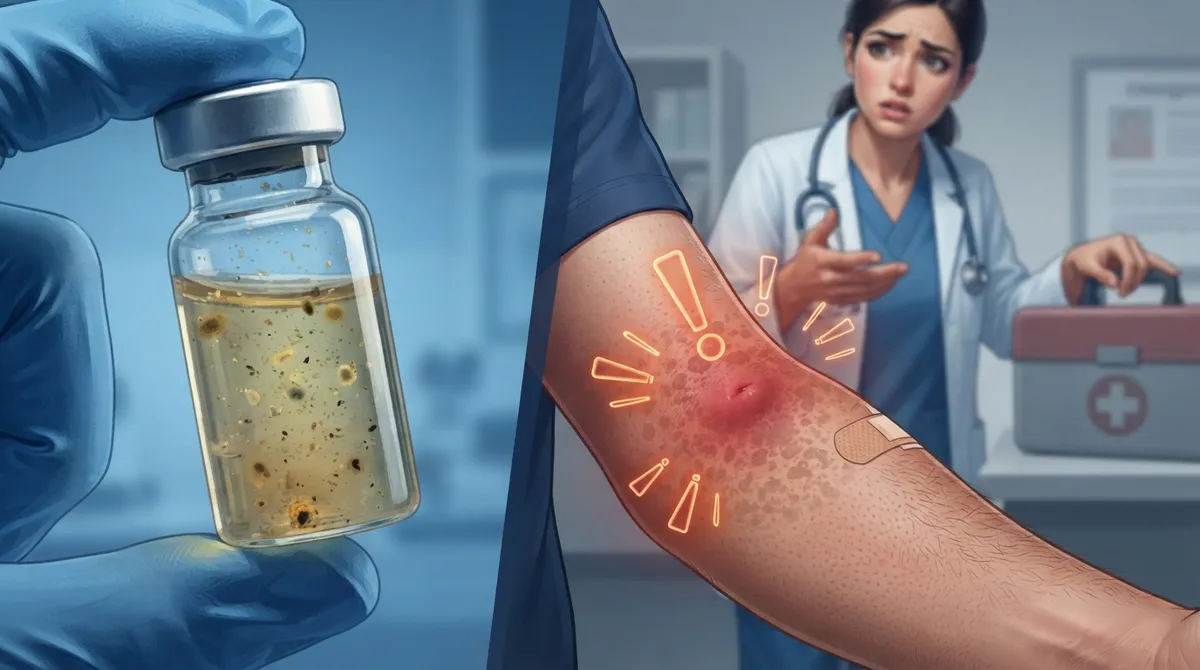
A kpv allergic response can come from several sources. It might be the peptide itself, but more often it results from contaminants, preservatives, or other ingredients mixed into the product during manufacturing.
This is especially true for products purchased online without lab testing or medical supervision. Poor manufacturing practices can introduce bacteria, heavy metals, or other allergens that trigger a reaction.
Common Causes of Allergic Reactions to KPV Products
- Impurities or contaminants from unregulated manufacturing
- Preservatives or stabilizers added to the injectable solution
- Reaction to the delivery method, such as needles or nasal sprays
- Cross-reactivity with other peptide or protein allergies
- Bacterial contamination causing infection that mimics allergy symptoms
Because the human evidence for KPV is limited, doctors cannot say how common these reactions truly are. The reviewed research found no reliable prevalence data for KPV allergy or anaphylaxis.
Signs and Symptoms of a KPV Allergic Reaction
Allergic reactions can range from mild to severe. Symptoms often appear within minutes but sometimes take several hours to show up. Knowing what to watch for can help you act quickly.
Mild to Moderate Symptoms
- Hives or raised, itchy welts on the skin
- Redness or flushing of the face and neck
- Itching at or near the injection site
- Mild swelling of the lips or face
- Nausea or stomach discomfort
Severe Symptoms Requiring Emergency Care
- Swelling of the tongue, throat, or airway
- Difficulty breathing or wheezing
- Chest tightness
- Dizziness or fainting
- Rapid heartbeat combined with weakness
If you or a loved one shows any severe symptoms, this could be anaphylaxis. This is a medical emergency. Use an epinephrine auto-injector immediately if one is available, and call 911 right away. Antihistamines alone are not enough to treat anaphylaxis.
Table: Comparing Reaction Types After KPV Use
|
Reaction Type |
Common Signs |
Likely Cause |
Recommended Action |
|---|---|---|---|
|
Mild Allergic Response |
Hives, itching, flushing |
Peptide or additive sensitivity |
Stop use, contact your doctor |
|
Injection Site Reaction |
Redness, warmth, swelling at site |
Irritation or minor trauma |
Monitor, seek care if it worsens |
|
Infection |
Pus, spreading redness, fever |
Contaminated product or unsterile technique |
See a provider promptly |
|
Anaphylaxis |
Throat swelling, trouble breathing, fainting |
Severe immune response |
Use epinephrine, call 911 immediately |
Injection Site Reactions vs. True Allergy
Not every reaction near an injection site is an allergy. Redness, warmth, or mild swelling could simply be irritation from the needle or the injection technique. It can also point to an infection, which needs different treatment.
This is why clinical evaluation matters. A trained provider can look at the pattern, timing, and severity of your symptoms to figure out the real cause. Self-diagnosing through online forums can lead to delayed or incorrect treatment.
How Providers Tell the Difference
- Reviewing the timeline of symptom onset
- Checking for systemic signs like hives elsewhere on the body
- Examining the injection site for signs of infection
- Asking about the exact product, dose, and source used
- Ordering tests if an infection or allergy is suspected
If you experience any unusual reaction, do not guess. Reach out to a primary care provider who can assess your symptoms accurately.
Why KPV Safety Data Is So Limited
Most of what we know about KPV comes from laboratory and animal studies. Human randomized controlled trials are lacking, and there are no standardized dosing guidelines backed by strong evidence.
This gap means doctors cannot predict who is at risk for a kpv allergic response or how severe it might be. The peptide's regulatory status also remains uncertain, and it is not an FDA-approved drug for any condition, including inflammation, gut issues, or wound healing.
Key Facts About KPV Regulation
- KPV is not FDA-approved for human treatment of any condition
- "Research use only" labeling does not permit human administration
- No standardized human dosing guideline currently exists
- Long-term human safety and pharmacokinetic data are missing
- Regulatory status can change, so current rules should always be verified
Steps to Take If You Suspect a KPV Allergic Response
Acting quickly and calmly can make a real difference in your outcome. Follow these steps if you think you are having a reaction.
- Stop using the product immediately
- Check for severe symptoms like throat swelling or trouble breathing
- Use epinephrine right away if you have a prescribed auto-injector and symptoms are severe
- Call 911 for any signs of anaphylaxis
- Save the product packaging and note the exact source
- Schedule a visit with a healthcare provider even if symptoms seem mild
- Get tested if your doctor recommends allergy or infection workup
Our team at InCare in Tampa and Riverview can help you sort through symptoms and determine next steps. Same-day urgent care visits are available for anyone experiencing a sudden reaction.
Who Should Be Extra Cautious with KPV
Some people face higher risk when trying new peptides like KPV. Being upfront with your provider about your health history is essential.
Groups That Should Talk to a Doctor First
- Anyone with a history of medication or peptide allergies
- People with known food allergies, especially severe ones
- Patients with autoimmune conditions
- Pregnant or breastfeeding individuals
- Anyone currently taking multiple medications
Discussing your full medical history with a provider before trying any peptide can prevent serious complications. At InCare, our experienced physicians take time to review your history and screen for contraindications before recommending any treatment plan.
How Primary Care Supports Safe Wellness Choices
Wellness trends move fast, but your safety should always come first. A trusted primary care relationship gives you a place to ask questions before trying something new, not just after something goes wrong.
At InCare, we combine advanced diagnostics with honest, evidence-based guidance. Whether you are curious about DNA gene testing, considering a weight loss program, or simply want a second opinion on a wellness trend, our providers are here to help you make informed decisions.
Why Choose InCare for Wellness Guidance
- Locations in both Tampa and Riverview for convenient access
- Same-day urgent care for sudden allergic reactions or infections
- Comprehensive primary care that reviews your full health picture
- Providers who stay current on emerging wellness trends and FDA guidance
- A 4.8 out of 5 patient rating built on trust and clear communication
You can also connect with our community and see patient experiences on Facebook, follow wellness tips on Instagram, or catch quick health insights on Tik Tok. For a closer look at what real patients say about their visits, you can also visit us on Google — InCare.
What to Ask Your Provider Before Trying KPV
Before starting any peptide, come prepared with questions. This helps your provider give you the clearest, safest guidance possible.
- Is this product FDA-approved or still investigational?
- What are the known risks based on current research?
- Could this interact with my current medications or conditions?
- What should I do if I notice a reaction after starting it?
- Is there a safer, evidence-based alternative for my goals?
These questions apply to KPV and other emerging wellness products. A thoughtful conversation with your provider is always safer than relying on online reviews alone.
Take Action for Your Health Today
A kpv allergic response can range from mild irritation to a life-threatening emergency. Because human safety data remains limited, caution and professional guidance are essential before considering this peptide. Watching for symptoms, knowing when to seek emergency care, and having an open conversation with your provider are the best ways to protect yourself.
If you have questions about KPV, peptide safety, or want a full wellness checkup, our team is ready to help. Reach out to our care team today, or go ahead and schedule your appointment now at our Tampa or Riverview location.
FAQs
Q: What is KPV, and why are people using it?
A: KPV is a tripeptide derived from alpha-melanocyte-stimulating hormone, marketed for anti-inflammatory, gut, skin, and wound-healing benefits. These uses remain investigational, and KPV is not approved by the FDA for any medical condition.
Q: Can KPV cause an allergic reaction or anaphylaxis?
A: Yes, a KPV allergic response is possible, though reliable prevalence data does not exist. Reactions may come from the peptide itself or, more often, from contaminants and additives in unregulated products.
Q: What are the symptoms of an allergic response to KPV?
A: Symptoms can include hives, itching, flushing, swelling of the face or throat, wheezing, and dizziness. Severe cases may involve anaphylaxis, which requires immediate epinephrine and emergency care.
Q: How can I tell the difference between a KPV injection reaction and an infection?
A: Injection site redness or swelling could be irritation, infection, or a true allergy. A clinical evaluation is needed to distinguish these causes and determine the right treatment.
Q: Is KPV FDA-approved or safe to use in humans?
A: No, KPV is not FDA-approved for human use in any condition. Human safety data is limited, and 'research use only' labeling does not authorize giving it to patients.