
Key Takeaways
- K-10 potassium chloride has 142 documented drug interactions (101 major, 26 moderate, 15 minor), with ACE inhibitors, ARBs, and potassium-sparing diuretics being the highest-risk combinations that can cause dangerous hyperkalemia.
- Hyperkalemia symptoms including muscle weakness, irregular heartbeat, tingling, and shortness of breath require immediate urgent care attention, as they can escalate rapidly to cardiac arrest.
- Medication reconciliation at every visit is critical to catch duplicate potassium sources (salt substitutes, multivitamins, supplements) and new prescriptions that interact with potassium chloride before complications occur.
- Patients with kidney disease, dehydration, adrenal insufficiency, or history of hyperkalemia face significantly higher interaction risks and require more frequent blood testing to monitor potassium and kidney function.
- KP-10 can refer to either potassium chloride 10 mEq (with known drug interactions) or kisspeptin-10 (an unapproved experimental peptide); always verify the medication label to avoid dangerous confusion between these unrelated substances.
- Extended-release potassium chloride tablets must be swallowed whole with food and water, never adjusted without provider approval, and pharmacists should run interaction checks for every new prescription to add an extra safety layer.
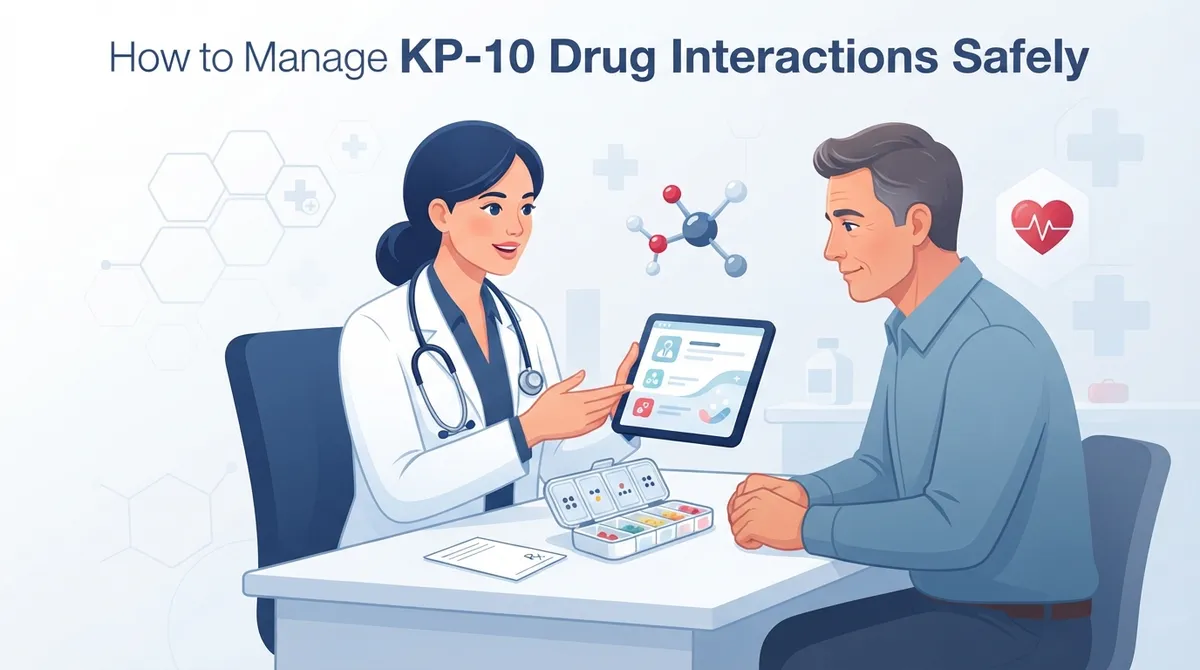
If you or a loved one takes potassium chloride 10 mEq, sometimes labeled K-10 or K-Dur 10, understanding drug interactions could protect you from a serious health emergency. The term "KP-10" can be confusing because it sometimes overlaps with kisspeptin-10, an experimental hormone peptide studied for fertility research. This mix-up matters because the two substances have nothing in common medically, and confusing them could lead to unsafe decisions. This guide focuses on the real-world clinical concern: potassium chloride and the medications that can dangerously raise your potassium levels.
Whether you are managing high blood pressure, kidney disease, or heart failure, knowing which drugs interact with potassium supplements is essential. At InCare, our providers in Tampa and Riverview help patients review their full medication list to catch these risks early. This article breaks down the science, the warning signs, and the steps you can take to stay safe.
What Is KP-10? Clearing Up the Confusion
"KP-10" is not a single, universally recognized drug name. It most often refers to K-10 or K-Dur 10, brand names for potassium chloride extended-release tablets containing 10 mEq of potassium. This medication is commonly prescribed to prevent or treat low potassium levels, a condition called hypokalemia.
In a separate and unrelated context, some researchers use "KP-10" to describe kisspeptin-10, a 10-amino-acid peptide studied for its role in the reproductive hormone system. Kisspeptin-10 is not an FDA-approved medication. It has no established consumer drug-interaction profile and should never be treated as a routine wellness or fertility product. If you are unsure which substance applies to your situation, check the actual medication label, active ingredient, and strength before assuming anything about interactions.
Why This Distinction Matters for Your Health
Confusing these two substances could lead to serious mistakes. Potassium chloride has well-documented interactions and monitoring requirements. Kisspeptin-10, on the other hand, belongs in a research setting under specialist supervision, not in everyday primary care management. Our providers always confirm the exact medication before discussing any interaction risks with patients.
The Core Risk: Hyperkalemia and Potassium Chloride
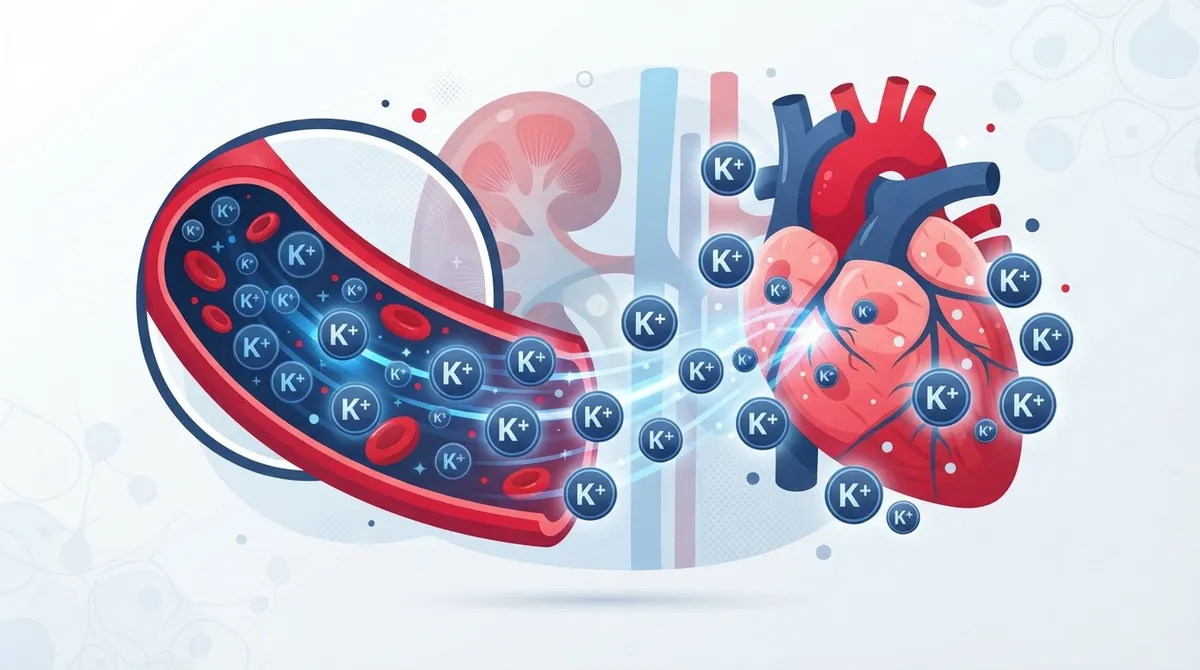
The single biggest concern with potassium chloride 10 mEq is hyperkalemia, meaning too much potassium in the blood. This condition can cause dangerous heart rhythm problems, muscle weakness, and in severe cases, cardiac arrest. According to Drugs.com, K-10 potassium chloride has 142 documented drug interactions. Of these, 101 are classified as major, 26 as moderate, and 15 as minor.
These numbers do not mean every patient will experience a dangerous reaction. Instead, they show how many other medications can affect potassium levels or kidney function, both of which influence how your body handles this supplement. This is why medication reviews at your primary care visits are so important.
Common Symptoms of High Potassium
Recognizing the warning signs of hyperkalemia early can prevent a medical emergency. Watch for these symptoms if you take potassium chloride:
- Muscle weakness or heaviness in the legs and arms
- Tingling or numbness in the hands or feet
- Irregular heartbeat or heart palpitations
- Unusual fatigue or confusion
- Nausea or stomach discomfort
- Shortness of breath in severe cases
If you notice any of these symptoms, contact your care team right away or seek urgent care services immediately.
Medications That Interact With Potassium Chloride
Certain drug combinations raise your risk of hyperkalemia more than others. The Cleveland Clinic identifies several categories of medications that require extra caution when combined with potassium chloride.
1. Potassium-Sparing Diuretics
Drugs like spironolactone, triamterene, and eplerenone reduce how much potassium your kidneys remove. Combining these with potassium chloride can cause potassium to build up quickly.
2. ACE Inhibitors
Medications such as lisinopril lower blood pressure but also reduce potassium excretion. This combination is one of the most common causes of hyperkalemia in primary care.
3. Angiotensin Receptor Blockers (ARBs)
Drugs like losartan and valsartan work similarly to ACE inhibitors and carry the same potassium-related risks.
4. NSAIDs
Over-the-counter pain relievers like ibuprofen and naproxen can reduce blood flow to the kidneys. This impairs your body's ability to clear excess potassium.
5. Immunosuppressants
Cyclosporine and tacrolimus, often used after organ transplants, can also raise potassium levels when combined with potassium supplements.
6. Other Potassium Sources
Salt substitutes, multivitamins with potassium, and other potassium supplements can add to your total intake without you realizing it.
Step-by-Step: How to Stay Safe on Potassium Chloride
Managing potassium chloride safely takes a few consistent habits. Follow these steps to reduce your risk of complications.
- List every medication and supplement you take. Include prescriptions, over-the-counter drugs, and vitamins.
- Bring this list to every appointment. Share it with your primary care provider and pharmacist.
- Ask about lab monitoring. Request regular blood tests to check potassium and kidney function.
- Take the medication as directed. Extended-release tablets should be swallowed whole, with food and water, unless your provider says otherwise.
- Avoid salt substitutes without asking first. Many contain potassium chloride and can add to your dose.
- Watch for symptoms. Report muscle weakness, irregular heartbeat, or numbness right away.
- Never adjust your dose on your own. Always consult your provider before stopping or changing any medication.
Who Needs Extra Caution?
Some patients face a higher risk of dangerous interactions than others. According to Drugs.com, seven disease-related interactions apply to potassium chloride, including several conditions that raise your risk significantly.
|
Risk Factor |
Why It Matters |
|---|---|
|
Kidney disease |
Reduced ability to remove excess potassium from the blood |
|
Dehydration or diarrhea |
Can shift potassium levels rapidly and unpredictably |
|
Adrenal insufficiency |
Affects hormone balance related to potassium regulation |
|
Metabolic acidosis |
Alters how potassium moves between cells and blood |
|
History of hyperkalemia |
Increases likelihood of recurrence with future doses |
|
Familial periodic paralysis |
A rare condition affected by potassium shifts |
If you fall into any of these categories, ask your doctor how often you should be tested. Our team at InCare, including Dr. Ahluwalia, works closely with patients managing chronic conditions like kidney disease to build a safe medication plan.
Comparing Interaction Severity Levels
Not every interaction carries the same level of risk. Understanding these categories can help you have better conversations with your care team.
|
Severity Level |
Number of Interactions (K-10) |
What It Means |
|---|---|---|
|
Major |
101 |
May require avoiding the combination or close monitoring |
|
Moderate |
26 |
Often manageable with dose adjustments or lab checks |
|
Minor |
15 |
Usually low risk but still worth discussing with your provider |
These numbers come from a drug-interaction database and are not personalized risk scores. Your actual risk depends on your dose, kidney function, and other health conditions. This is why online checkers should never replace a real conversation with a clinician.
What About Kisspeptin-10?
If your question about KP-10 relates to kisspeptin-10 rather than potassium chloride, the safety picture looks very different. Kisspeptin-10 is not an FDA-approved therapeutic drug. It has no established consumer drug-interaction profile because it has not gone through the same rigorous testing as approved medications.
Kisspeptin-10 is studied for its effects on the hypothalamic-pituitary-gonadal axis, which controls reproductive hormones. Any potential hormonal interactions or reproductive effects require specialist oversight, not routine wellness use. If you are considering peptide therapies of any kind, always ask a licensed provider about current research and safety data before proceeding. Learn more about our peptide therapy programs and how we approach these treatments responsibly.
Why Medication Reconciliation Matters So Much
Medication reconciliation means reviewing every drug you take at each medical visit. This process catches dangerous combinations before they cause harm. It is especially important if you see multiple specialists who may not know your full medication list.
Here are the top reasons this practice protects your health:
- It identifies duplicate potassium sources you may not realize you're taking
- It flags new prescriptions that could interact with your current medications
- It helps your provider decide how often you need blood work
- It reduces emergency room visits caused by preventable drug reactions
- It builds a complete picture of your health for better long-term care
Our care team performs thorough medication reviews at every visit, whether you're coming in for a routine checkup or managing a chronic condition.
When to Seek Immediate Care
Some symptoms of hyperkalemia require urgent attention rather than waiting for your next scheduled appointment. Seek care right away if you experience:
- Sudden muscle weakness that affects your ability to walk or stand
- Chest pain or a racing, irregular heartbeat
- Severe nausea combined with confusion
- Difficulty breathing or shortness of breath
- Numbness or tingling that spreads quickly
These symptoms can escalate fast, so do not wait to see if they improve on their own. Our urgent care locations in Tampa and Riverview are equipped to evaluate these concerns quickly.
Building a Safer Medication Routine With InCare
Managing potassium chloride and other daily medications does not have to feel overwhelming. A strong primary care relationship makes it easier to catch problems before they become emergencies. At InCare, we combine thorough medication reviews with modern lab testing and personalized care plans.
Our approach includes reviewing your full medication history, checking kidney function and potassium levels as needed, and coordinating care between specialists. We also offer annual wellness visits that give us a chance to catch interaction risks before they cause symptoms. Many patients also benefit from our chronic illness management services, which include ongoing monitoring for conditions like kidney disease and heart failure.
You can see what our InCare patients say about their experience by visiting our InCare location on Google, where we maintain a strong reputation for attentive, personalized care. Our team also shares helpful health tips through our Facebook and Instagram pages, and you can follow our latest wellness content on TikTok.
Practical Tips for Talking to Your Pharmacist
Your pharmacist is a valuable resource for catching drug interactions that your doctor might not immediately spot, especially if prescriptions come from different providers.
- Ask your pharmacist to run an interaction check every time you fill a new prescription
- Request printed information sheets about your potassium chloride prescription
- Mention any new over-the-counter drugs, supplements, or herbal products you've started
- Ask specifically about NSAIDs if you take pain relievers regularly
- Clarify whether your extended-release tablets can be split or crushed
This extra layer of communication adds another safety net beyond your regular primary care visits.
Moving Forward With Confidence
Understanding kp-10 drug interactions starts with knowing exactly which medication you're asking about. For most patients, this means potassium chloride and its well-documented risks with diuretics, ACE inhibitors, ARBs, NSAIDs, and other potassium sources. Staying safe means regular monitoring, honest conversations with your care team, and never changing your dose without guidance.
If you take potassium chloride or manage a condition that requires careful medication oversight, InCare is here to help. Our providers in Tampa and Riverview take the time to review your full medication list and build a plan that protects your health. Ready to get personalized guidance? Reach out to our care team today or schedule your appointment now to start building a safer, more informed approach to your medications.
FAQs
Q: What is KP-10, and is it potassium chloride or kisspeptin-10?
A: KP-10 most often refers to K-10 or K-Dur 10, brand names for potassium chloride 10 mEq tablets. In rare research contexts, it may refer to kisspeptin-10, an investigational reproductive hormone peptide. Always confirm the exact medication from the label before assuming which one applies to you.
Q: What medications should not be taken with potassium chloride 10 mEq?
A: High-risk combinations include potassium-sparing diuretics like spironolactone, ACE inhibitors like lisinopril, ARBs like losartan, NSAIDs like ibuprofen, and other potassium supplements. These combinations can raise your risk of hyperkalemia and should be discussed with your provider before use.
Q: Can I take K-10 potassium chloride with lisinopril or spironolactone?
A: These combinations require careful monitoring because both drugs can raise potassium levels. Your provider may still prescribe them together but will likely order regular blood tests to track your potassium and kidney function closely.
Q: Do I need blood tests while taking potassium chloride?
A: Yes, most patients on potassium chloride need periodic blood tests to check potassium levels and kidney function. The frequency depends on your other medications, kidney health, and any history of hyperkalemia.
Q: Is kisspeptin-10 FDA-approved, and does it interact with fertility medications?
A: No, kisspeptin-10 is not FDA-approved and does not have an established consumer drug-interaction profile. Any use outside of an authorized clinical research setting should involve specialist oversight due to potential hormonal effects.