Key Takeaways
- Always use a new, sterile, single-use needle and syringe for every injection; never reuse or share needles to prevent infection and serious health complications.
- Daily injections are prescribed for specific medical conditions like diabetes, HIV prevention (PrEP), and hormone therapies—not as general wellness habits—and require ongoing provider oversight.
- Rotate injection sites daily to avoid skin irritation, bruising, and lumps under the skin that result from repeated use in the same location.
- Receive hands-on training from your healthcare provider before starting daily self-injections, covering dose measurement, site rotation, storage, side effects, and safe needle disposal.
- Distinguish between medically prescribed daily injections backed by clinical evidence and trendy 'wellness shots' marketed online, which lack doctor supervision and proven benefits.
- Schedule regular check-ins with your primary care provider to monitor treatment effectiveness, adjust injection frequency if needed, and catch any unusual swelling or adverse reactions early.
If your doctor has prescribed a daily injection, you probably have questions. Maybe you feel nervous about giving yourself a shot every day. Maybe you're not sure why some medications need daily dosing while others are weekly. You are not alone. Many patients start a daily injection routine for diabetes, hormone therapy, or infection prevention, and most learn to manage it with confidence within a few weeks.
This guide explains what a daily injection actually means in primary care, which conditions typically require one, and how to stay safe while doing it. We will also clear up common confusion between medically necessary daily injections and trendy "wellness shots" that do not need daily dosing at all. Whether you are new to self-injection or supporting a family member through one, this article will help you feel more prepared and less overwhelmed.

What Does Daily Injection Mean in Primary Care?
A daily injection is a medication or nutrient given into the body once every day, usually by needle and syringe. In primary care, doctors use several injection routes depending on the drug and the goal. These include:
- Subcutaneous (under the skin) — common for insulin and some hormone therapies
- Intramuscular (into the muscle) — used for certain vitamins and medications
- Intravenous (into a vein) — typically done in a clinical setting, not at home
- Intradermal (into the skin) — less common, often used for specific tests
Daily injections are not a general wellness habit. They are prescribed for specific medical reasons. Many other injectable treatments offered in primary care, such as certain hormone therapies, are scheduled weekly or monthly instead. Your provider will tell you exactly why a daily schedule fits your treatment plan.

Common Conditions That Require Daily Self-Injection
Not every condition needs a daily shot. But several well-known treatments do rely on daily dosing to keep drug levels steady in your body. Here are the most common reasons a primary care doctor may prescribe one.
1. Diabetes Management
Insulin is the most familiar example of a daily injection. Many people with type 1 diabetes, and some with type 2 diabetes, inject insulin one or more times a day to control blood sugar. Your care team will set your dose based on blood sugar readings, diet, and activity level.
2. HIV Prevention (PrEP)
The CDC recommends daily, continuous PrEP for adults who have injected drugs within the past six months and who have also shared injection equipment or had high-risk sexual exposure during that same period. While oral PrEP is more common, injectable options exist and require strict daily or scheduled dosing to stay effective.
3. Hormone-Related Therapies
Some hormone treatments use daily low-dose injections rather than weekly ones, depending on how your body responds and what your provider recommends. This is determined case by case, often after bloodwork and a full health review.
4. Short-Term Vitamin Replacement
In rare cases, a patient with a severe vitamin deficiency may need daily injections for a short period before switching to a less frequent schedule. This is different from routine vitamin B12 shots, which are usually given weekly or monthly.
Daily vs. Weekly vs. Monthly Injections: What's the Difference?
Patients often ask why one medication needs daily dosing while another only needs monthly dosing. The answer comes down to how long the drug stays active in your bloodstream. Some medications break down quickly and need frequent redosing. Others are designed to release slowly, so they stay effective for weeks.
Injection FrequencyCommon ExamplesTypical SettingDailyInsulin, certain hormone therapies, some PrEP regimensHome self-injectionWeeklyVitamin B12 (50–200 mg IM or SQ weekly), some peptide therapiesClinic or homeMonthlyCertain long-acting hormone treatments, some antibioticsClinic visitOne-time or as-neededJoint and soft tissue injections for painClinic procedure
As the table shows, daily injections are the exception rather than the rule in most primary care treatment plans. If you are unsure why your medication requires daily dosing, ask your provider. A quick conversation during your annual wellness visit can clear up any confusion about your schedule.
How to Give Yourself a Daily Injection Safely
Learning to self-inject can feel intimidating at first. But with the right steps, it becomes a quick and routine part of your day. Follow this sequence every time.
Step-by-Step Injection Process
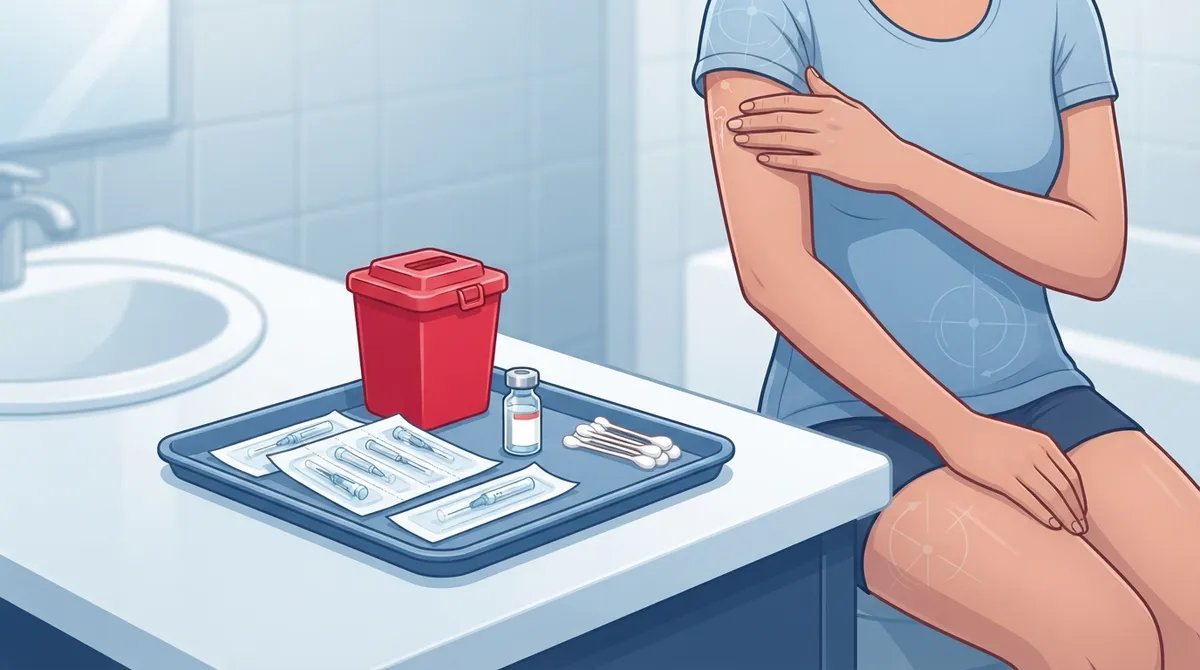
- Wash your hands thoroughly with soap and water before touching any supplies.
- Check the medication label to confirm the correct drug, dose, and expiration date.
- Clean the injection site with an alcohol swab and let it air dry.
- Use a new, sterile, single-use needle and syringe every single time. Never reuse or share needles.
- Insert the needle at the angle your provider taught you, then inject slowly and steadily.
- Dispose of the needle immediately in an approved sharps container.
- Rotate injection sites each day to avoid skin irritation or lumps under the skin.
The World Health Organization's best practices for injection safety stress that a sterile, single-use needle and syringe must be used for every injection. Medication should never be drawn from the same syringe and given to more than one person, even within the same household.
Risks and Safety Concerns With Frequent Injections
Daily injections are generally safe when done correctly, but repeated needle use does carry some risks. Being aware of these helps you catch problems early.
- Skin irritation, bruising, or lumps at the injection site from repeated use in the same spot
- Infection risk if needles are reused or the skin is not properly cleaned
- Missed doses that can affect blood sugar control or hormone balance
- Anxiety or needle fatigue, which is common but manageable with support
People who inject drugs outside of medical supervision face a different and more serious risk profile. According to a review published by the American Academy of Family Physicians, more than 750,000 people in the United States inject opioids, methamphetamine, cocaine, or ketamine. Primary care screening for these patients should include testing for HIV, hepatitis B, hepatitis C, and latent tuberculosis, along with appropriate vaccinations and naloxone prescribing when needed. This is a distinct area of care from prescribed daily injections for chronic conditions, and it's worth understanding the difference clearly.
Daily Injection vs. Wellness Shots: Know the Difference
You may have seen "daily wellness shots" marketed online or at juice bars, promising energy boosts or immune support. These are not the same as medically prescribed daily injections. Here is how they differ.
FeaturePrescribed Daily InjectionConsumer Wellness ShotPrescribed by a doctorYesUsually noBacked by clinical evidenceYesOften limitedRequires monitoringYes, regular checkupsRarelyTargets a specific conditionYesGeneral wellness claims
If you are considering any injectable product marketed as a daily health boost, talk to a primary care provider first. A quick visit can confirm whether it is safe and actually beneficial for your body, or whether the marketing claims outpace the evidence.
What Training Do Patients Need Before Starting Daily Injections?
Before you leave a clinic with a new daily injection prescription, you should receive hands-on training. A good training session covers the following points.
- How to prepare the syringe and measure the correct dose
- Where on the body to inject and how to rotate sites
- How to store the medication properly, including refrigeration needs
- What side effects to watch for and when to call your provider
- How to dispose of needles safely at home
At InCare, providers walk patients through each of these steps during a dedicated appointment, not a rushed five-minute chat. If you have never given yourself a shot before, ask for a practice session with a nurse or medical assistant present. This small step builds confidence and reduces mistakes later.
When to Talk to Your Primary Care Provider
Daily injections work best when they are part of an ongoing relationship with your care team. Consider scheduling a visit if any of these apply to you:
- You are starting a new daily injection and have never self-administered before
- You notice unusual swelling, redness, or pain at the injection site
- Your blood sugar, hormone levels, or symptoms are not responding as expected
- You are unsure whether your current schedule (daily, weekly, or monthly) is still right for you
- You want to explore whether a less frequent injection option might work better
InCare's providers, including those featured on the providers page, regularly review injection plans as part of comprehensive primary care visits. This ongoing check-in matters because your needs can change over time, and your treatment should change with them.
Why Choose InCare for Injection-Based Care
Managing a daily injection is easier when you have a knowledgeable, responsive care team behind you. InCare, with locations in Tampa and Riverview, combines modern diagnostic tools with hands-on patient education. From IV hydration and vitamin drips to hormone-related therapies, the clinical team takes time to explain not just how to inject, but why a specific schedule was chosen for you.
Patients consistently mention this attentive approach in reviews. InCare holds a 4.8 out of 5 rating on Google from 359 reviews, with many patients praising the clear communication from staff and providers like Dr. Ahluwalia. You can Visit us on Google — InCare to read more patient experiences before your first visit. You can also follow along on Facebook, Instagram, and TikTok for wellness tips and clinic updates.
Final Thoughts on Managing Your Daily Injection Routine
A daily injection can feel like a big responsibility at first, but it becomes routine with the right guidance. Understanding why your medication requires daily dosing, learning proper technique, and staying in touch with your provider all make the process safer and less stressful. Whether you are managing diabetes, exploring hormone therapy, or navigating a new prevention plan, you deserve clear answers and steady support.
If you have questions about starting or adjusting a daily injection routine, our team is ready to help. Get in touch with our team to discuss your options, or go ahead and Book Your Appointment Today at our Tampa or Riverview location.
FAQs
Q: What does daily injection mean in primary care?
A: A daily injection is a medication given once every day, typically to manage a chronic condition like diabetes or to support a specific therapy such as hormone treatment or PrEP. Providers choose daily dosing when a drug needs to be replenished frequently to stay effective in the body.
Q: Which medications are given as daily injections?
A: Insulin is the most common daily injection, but some hormone therapies and certain HIV prevention regimens also use daily dosing. Many other injectable treatments, such as vitamin B12 shots, are typically given weekly or monthly instead.
Q: Are daily injections safe to do at home?
A: Yes, daily injections are safe at home when patients use a sterile, single-use needle for every dose and follow proper technique. Providers should offer hands-on training before a patient starts self-injecting to reduce errors and infection risk.
Q: How are daily injections different from weekly or monthly injections?
A: The frequency depends on how quickly a medication breaks down in the body. Daily injections are needed for drugs that clear quickly, while weekly or monthly injections use longer-acting formulations that stay effective over more time.
Q: What is the difference between a wellness shot and a medical injection?
A: A prescribed daily injection is ordered by a doctor for a specific medical condition and is backed by clinical evidence and monitoring. A consumer wellness shot is typically marketed for general health benefits without the same level of medical oversight or proven results.