
Key Takeaways
- Injectable glutathione is not FDA-approved and has caused serious adverse reactions including hospitalization; compounded injectables carry contamination risks making them unsafe for wellness or skin lightening.
- Evidence for oral glutathione supplementation is limited in healthy adults; a 2011 clinical trial found no significant improvement in glutathione status or oxidative stress after oral supplementation.
- Glutathione is a three-amino-acid molecule your body naturally produces that neutralizes harmful reactive oxygen species and supports detox pathways, immune function, and liver health.
- Lifestyle factors like adequate protein intake, quality sleep, regular exercise, and avoiding tobacco and excess alcohol support your body's natural glutathione production more safely than supplements.
- Oral glutathione absorption varies by formulation, with liposomal forms potentially improving absorption, but current research doesn't support routine supplementation for otherwise healthy people.
- Before considering any glutathione product, discuss your health history with a provider to identify underlying issues, potential medication interactions, and whether supplementation is appropriate for your situation.
You may have seen glutathione mentioned in skincare ads, wellness clinics, or online supplement stores. It gets called a "master antioxidant" and is linked to claims about detox, glowing skin, and slowing aging. But what is glutathione, really, and does the science back up these claims? Understanding this molecule can help you make smarter choices about your health, especially if you are exploring IV hydration and vitamin drips or other wellness services.
This guide breaks down what glutathione does in your body, what research actually shows, and how to talk to a doctor before trying any supplement or injection. Whether you are a busy parent juggling family health, a young professional exploring proactive wellness, or simply curious about antioxidants, this article gives you clear, honest answers grounded in current evidence.

What Is Glutathione and How Does It Work?
Glutathione, often shortened to GSH, is a small molecule made of three amino acids: glutamate, cysteine, and glycine. Your body makes it naturally in almost every cell, with the liver playing a major role in producing and using it.
Its main job is to protect your cells from damage. Think of it as an internal cleanup crew that neutralizes harmful molecules called reactive oxygen species. These molecules build up from normal metabolism, stress, pollution, and other daily exposures.
Key Functions of Glutathione in the Body
Glutathione supports several important processes beyond basic antioxidant defense. Here is a simple breakdown of what it does:
- Neutralizes harmful molecules that can damage cells over time
- Acts as a helper enzyme for glutathione peroxidase and glutathione S-transferase, which support detox pathways
- Helps regenerate other antioxidants like vitamin C and vitamin E so they can keep working
- Supports immune system function and healthy metabolism
- Plays a role in liver detoxification processes
Because glutathione touches so many systems, low levels have been linked to various health conditions. However, an association is not the same as proof that raising glutathione levels will fix or prevent a disease.
What Affects Your Glutathione Levels?
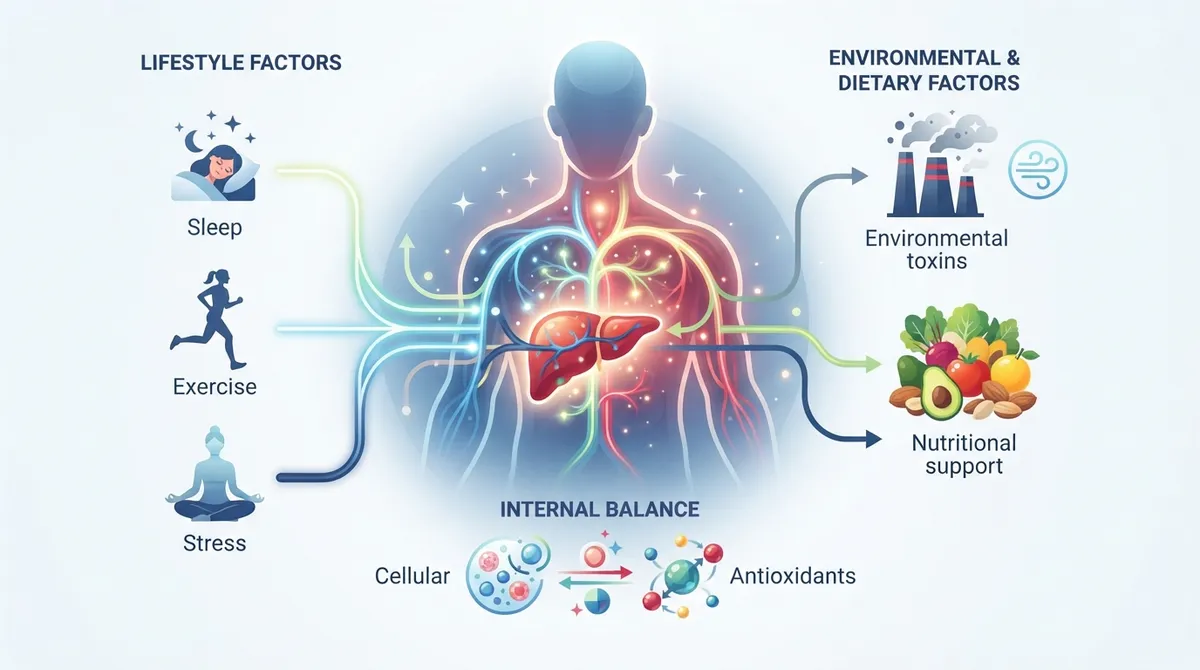
Several everyday factors can influence how much glutathione your body produces and uses. Knowing these can help you understand your own risk factors.
- Age: Natural glutathione production tends to slow down as you get older
- Chronic illness and inflammation: Ongoing health conditions can deplete glutathione stores
- Diet: Low intake of protein and certain nutrients can limit production
- Alcohol use: Heavy drinking places extra strain on the liver, where glutathione is made
- Smoking: Tobacco exposure increases oxidative stress and can lower glutathione levels
- Certain medications and toxins: Some drugs and environmental exposures use up glutathione faster than the body can replace it
If you are concerned about any of these factors, a conversation with a provider at a primary care clinic is a good first step. A thorough annual wellness visit can help identify underlying issues instead of assuming a supplement is the answer.
Types of Glutathione Supplements Explained
If you have looked into glutathione products, you have probably noticed there are several different forms. Each one differs in how it is made, how well your body absorbs it, and how much research supports it.
|
Form |
Description |
Absorption Notes |
|---|---|---|
|
Reduced Glutathione (GSH) |
The active form your body actually uses |
Oral absorption is often limited due to digestion |
|
Oxidized Glutathione (GSSG) |
An inactive form that must be converted back to GSH |
Less commonly used in supplements |
|
Liposomal Glutathione |
Wrapped in a fat-based coating to protect it during digestion |
May improve absorption compared to standard oral forms |
|
Injectable/IV Glutathione |
Delivered directly into the bloodstream |
Bypasses digestion, but carries higher risk if not properly sourced |
Research suggests that absorption and effectiveness vary widely depending on the formulation. There is not enough strong evidence yet to recommend routine glutathione supplementation for people who are otherwise healthy.
What Does the Research Actually Say?
It is easy to find bold claims about glutathione online. But when you look at the actual studies, the picture is more limited and nuanced than marketing suggests.
Findings From Clinical Studies
Here are some key research findings worth knowing:
- A 2011 trial published in Clinical and Translational Science found no significant improvement in glutathione status or oxidative stress markers after short-term oral supplementation in healthy adults
- A small 2017 study in Clinical, Cosmetic and Investigational Dermatology looked at 250 mg of oral glutathione daily in middle-aged women and noted some changes in skin measures, but this was preliminary and does not prove general anti-aging benefits
- A 2025 review found that oral and topical glutathione studies generally reported mild or no serious side effects, but sample sizes were small and formulations were inconsistent
- A 2026 study tested a micellar glutathione formulation at 600 mg daily for 30 days and found no significant changes in liver or kidney safety markers, though the short study length limits broader conclusions
The takeaway is simple: some early research exists, but large, well-designed studies are still needed before glutathione supplements can be recommended for treating specific conditions or optimizing wellness in healthy people.
Understanding the Risks of Glutathione Injections
Glutathione injections are sometimes marketed for detox, anti-aging, or skin lightening. This is an area where caution matters a great deal.
The FDA has raised serious concerns about compounded injectable glutathione. In a 2019 safety alert, seven patients experienced adverse reactions after receiving compounded intravenous glutathione made from contaminated powder. Symptoms included nausea, vomiting, and difficulty breathing, with one patient hospitalized.
Why Injectable Glutathione Requires Caution
Consider these important safety facts before considering any injectable product:
- Injectable glutathione is not FDA-approved in the United States for general wellness, detoxification, or skin lightening purposes
- Ingredients meant for dietary supplements may contain impurities or endotoxins unsuitable for sterile injections
- Compounding requires pharmacy-grade sourcing and strict sterile manufacturing standards
- Adverse reactions can range from mild discomfort to serious, hospitalization-requiring complications
This is why any interest in injectable therapies should start with a conversation with a licensed clinician who can evaluate your health history. A trusted provider can help you understand safer options for your goals.
Oral Glutathione: Possible Side Effects
Oral supplements are generally considered lower risk than injections, but they are not free of potential downsides. Reported side effects in studies include:
- Loose stools or diarrhea
- Gas and bloating
- Stomach discomfort
- Nausea
People who are pregnant or breastfeeding, managing a chronic illness, or taking prescription medications should talk to a doctor before starting any new supplement. This is also true for anyone considering an injectable product, given the added risks involved.
A Smarter, Primary-Care-First Approach to Antioxidant Health
Instead of jumping straight to a supplement, a primary-care approach focuses on the basics that support your body's natural antioxidant defenses. Here is a practical, step-by-step way to think about it:
- Start with a comprehensive checkup to identify any underlying health issues driving oxidative stress
- Prioritize consistent, quality sleep, since poor sleep is linked to higher oxidative stress
- Eat a diet with adequate protein and micronutrients, since your body needs the raw materials to make its own glutathione
- Stay physically active with regular exercise, which supports overall cellular health
- Avoid tobacco and limit alcohol intake to reduce unnecessary strain on your liver
- Work with your doctor to manage any existing chronic conditions properly
- Discuss any interest in supplements or IV therapies with a qualified clinician first
This approach treats the root cause of oxidative stress instead of assuming a product will solve the problem. It is also a safer, more sustainable path toward long-term wellness.
How InCare Approaches Whole-Body Wellness
At InCare, care starts with understanding your unique health picture before recommending any treatment. With locations in Tampa and Riverview, Florida, the clinic combines advanced technology with hands-on medical expertise to support prevention and whole-body optimization.
Services like body composition analysis, DNA gene testing, and metabolic breath analysis give patients real data instead of guesswork. If you are curious about antioxidant support or IV hydration, a conversation with a knowledgeable provider can help you separate helpful strategies from unproven trends.
Many patients also explore medically supervised weight loss programs alongside wellness services, since managing weight and metabolic health can reduce oxidative stress naturally. You can learn more about the team behind these services by visiting the providers page or reading about physicians like Dr. Pramjeet Ahluwalia.
Questions to Ask Before Trying Any Glutathione Product
Before starting any supplement or treatment, it helps to ask a few key questions. Consider bringing these to your next appointment:
- What is my current health status, and could low glutathione be linked to an underlying issue?
- Is there a safer, evidence-based first step I should try before supplementation?
- If I am considering an oral supplement, which formulation has the most supporting research?
- Are there any medications I take that could interact with glutathione?
- Where is this product sourced, and is it third-party tested for quality?
These questions help you make an informed decision instead of relying on marketing claims alone. A qualified clinician can walk you through your options based on your personal health history.
Finding Reliable Guidance for Your Wellness Goals
Glutathione research is evolving, and standards for supplement quality vary widely across brands. This makes professional guidance especially important if you are considering any product, whether oral or injectable.
Patients in the Tampa Bay area often turn to local clinics for guidance because in-person evaluation allows for blood work, health history review, and personalized recommendations. You can explore patient experiences and visit InCare on Google to see what current patients say about their care experience.
You can also follow health tips and updates on Facebook, Instagram, and TikTok for accessible, easy-to-understand wellness content. Staying connected to trustworthy sources helps you avoid misinformation about trending supplements like glutathione.
Conclusion: Make an Informed Choice About Glutathione
Glutathione plays a real and important role in your body's defense against oxidative stress. But the evidence for supplementation, especially for healthy adults, remains limited and formulation-specific. Injectable products carry additional risks that should never be taken lightly.
The safest path forward is a personalized conversation with a qualified provider who understands your full health picture. If you want expert guidance on antioxidant support, IV therapy, or broader wellness strategies, our team is ready to help. Book your appointment today and take the next step toward informed, whole-body wellness.
FAQs
Q: What does glutathione do in the body?
A: Glutathione acts as a key antioxidant that neutralizes harmful molecules called reactive oxygen species. It also supports detox enzymes, helps regenerate vitamins C and E, and plays a role in immune function and liver health.
Q: Are oral glutathione supplements effective and safe?
A: Evidence for oral glutathione supplements is limited and formulation-specific, with some studies showing mild or no significant benefits in healthy adults. Reported side effects are generally mild, such as stomach discomfort, but a doctor should be consulted before starting any supplement.
Q: Are glutathione injections safe for wellness or skin lightening?
A: Injectable glutathione is not FDA-approved in the United States for general wellness, detoxification, or skin lightening purposes. The FDA has documented serious adverse reactions linked to contaminated compounded injectable products, so this option requires careful medical oversight.
Q: Can food or lifestyle habits naturally increase glutathione levels?
A: Yes, a diet with adequate protein and micronutrients, regular exercise, quality sleep, and avoiding tobacco and excess alcohol can all support your body's natural glutathione production. These lifestyle habits are often a safer first step than supplementation.
Q: Who should avoid glutathione supplements or talk to a doctor first?
A: People who are pregnant or breastfeeding, managing chronic conditions, taking prescription medications, or considering injectable treatments should consult a qualified clinician before use. A primary care provider can help evaluate whether supplementation makes sense for your specific health situation.