Key Takeaways
- Topical GHK-Cu has a generally favorable safety profile with an adverse event rate below 1.8% and only mild, localized side effects like redness or tingling reported in most cosmetic studies.
- Injectable and oral forms of GHK-Cu have very limited safety evidence compared to topical use, requiring medical supervision and consultation with a qualified healthcare provider before considering non-topical applications.
- People with copper sensitivity, Wilson disease, liver disease, pregnancy, or complex chronic conditions should avoid GHK-Cu or consult a doctor first, as safety data for these populations remains insufficient.
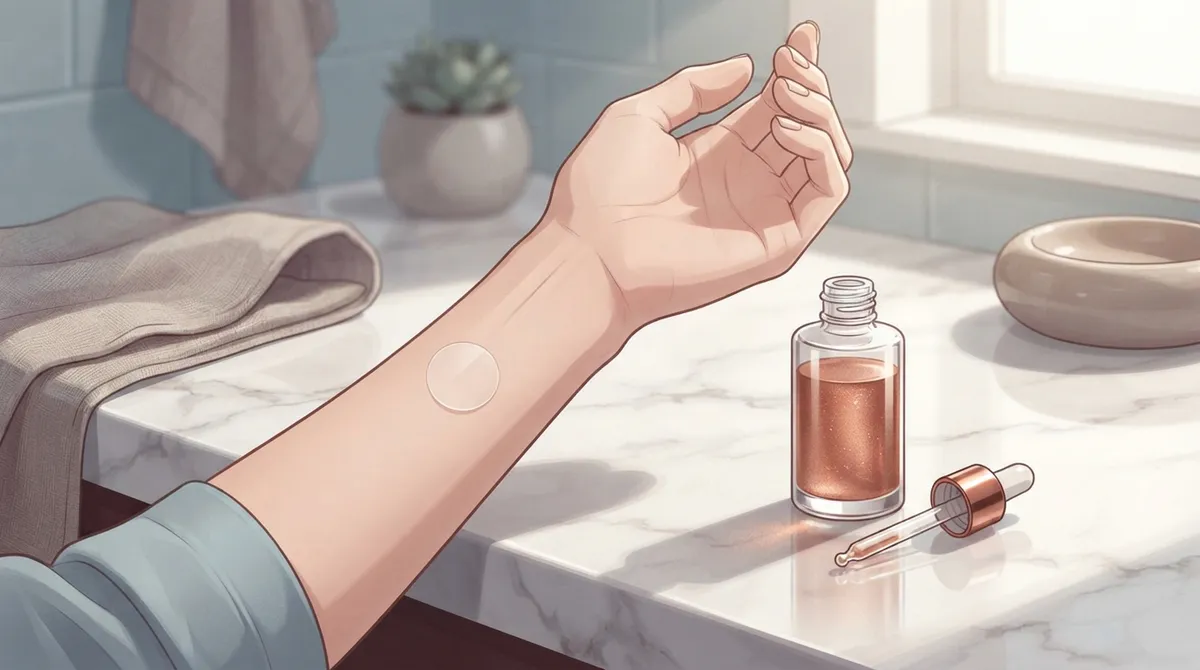
- Introduce topical GHK-Cu gradually by performing a 48-hour patch test on inner forearm, starting with lower concentration formulas, and monitoring for irritation over 2-4 weeks before full facial application.
- GHK-Cu is sold as a cosmetic ingredient or research compound, not an FDA-approved drug, meaning it has not undergone the same regulatory safety review as prescription medications and should not replace standard medical evaluation.
- Product quality varies significantly between manufacturers, affecting concentration and purity of GHK-Cu, so verify the specific concentration disclosed on packaging and discuss the formulation with a healthcare provider before use.
Copper peptide serums have taken over skincare shelves and wellness clinics alike, but many people still ask a simple question before they try one: is GHK-Cu safe? This copper peptide has become popular for skin repair, anti-aging routines, and wound healing support, yet not everyone understands what it actually does inside the body. Before you add it to your routine or consider it as part of a broader wellness plan, it helps to understand what the research actually shows.
This guide breaks down what GHK-Cu is, how the evidence stacks up for topical use versus injections, who should be cautious, and what questions to ask before starting any peptide-based product. Whether you found GHK-Cu through a skincare influencer or heard about it during a conversation with your primary care provider, this article gives you a clear, honest look at the safety picture.
What Is GHK-Cu and Why Is It Popular
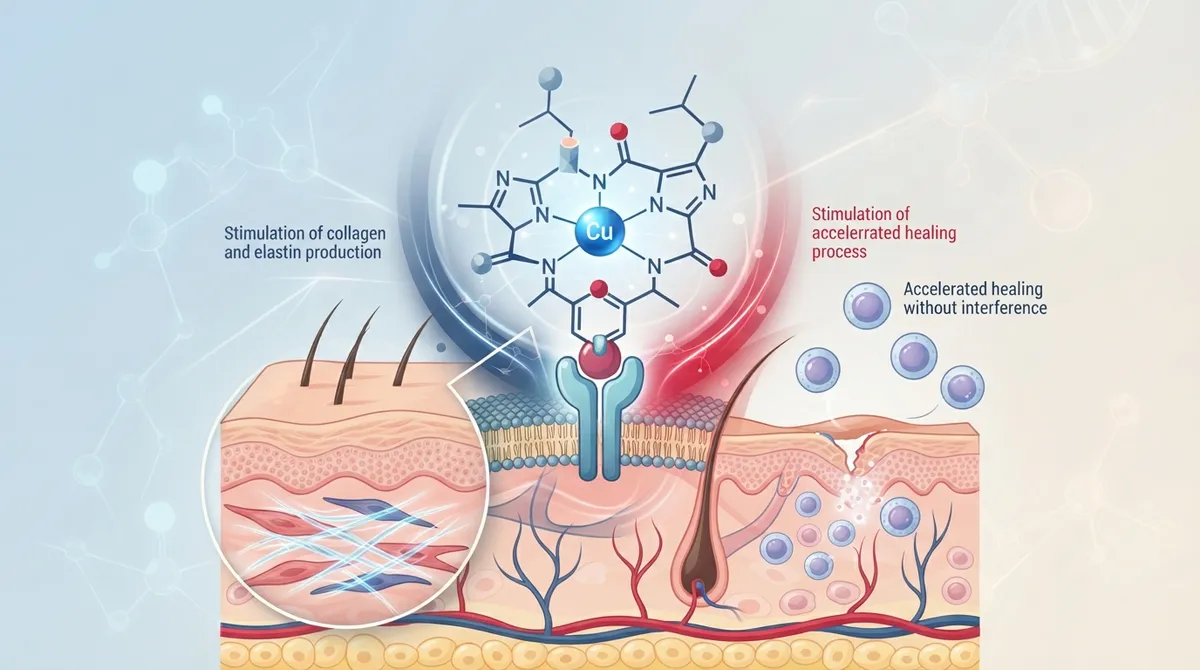
GHK-Cu stands for glycyl-histidyl-lysine copper, a naturally occurring copper peptide found in human plasma, saliva, and urine. Levels of this peptide tend to decline as people age, which is one reason researchers began studying it for skin repair and tissue regeneration.
In wellness and skincare circles, GHK-Cu has earned attention for its potential to:
- Support collagen and elastin production in the skin
- Help calm inflammation after minor skin injuries
- Encourage wound healing in topical applications
- Improve the appearance of fine lines when used consistently
- Act as an antioxidant that may reduce oxidative stress on skin cells
Most of what is known about GHK-Cu comes from studies on topical cosmetic formulas, not from long-term clinical trials involving thousands of people. That distinction matters when weighing safety.

Is GHK-Cu Safe? What the Research Actually Shows
The short answer is that topical GHK-Cu has a generally favorable safety profile in cosmetic use, but the full picture is more nuanced. Most side effects reported in available studies are mild and localized to the skin, such as redness or tingling.
A 2020 review cited in commercial safety summaries reported an adverse event rate below 1.8% for topical GHK-Cu formulations, with no serious adverse events documented. Other topical studies note local skin reactions ranging from the low single digits to low teens percentage-wise, depending on the concentration used and the specific formulation.
Here is how the safety data generally breaks down by category:
|
Form of GHK-Cu |
Evidence Quality |
Common Reported Issues |
|---|---|---|
|
Topical creams and serums |
Best studied, moderate evidence base |
Mild redness, tingling, irritation |
|
Injectable formulations |
Limited evidence, smaller studies |
Injection site reactions, unknown long-term effects |
|
Oral or systemic supplements |
Very limited human data |
Insufficient safety information |
Because product quality varies widely between manufacturers, the concentration and purity of GHK-Cu in any given product can affect how your skin or body responds. Cosmetic concentrations are commonly discussed in the range of 0.01% to 1%, though not every product discloses this clearly.
Topical vs Injectable GHK-Cu: Key Differences in Safety
One of the biggest sources of confusion around GHK-Cu safety comes from mixing up topical and injectable use. These two delivery methods carry very different risk profiles.
- Topical application is the most researched form. It sits on the skin's surface or penetrates the outer layers, with most reported issues limited to contact irritation.
- Injectable GHK-Cu introduces the peptide directly into tissue or the bloodstream. This method has a much smaller safety evidence base, and clinical caution is strongly advised.
- Oral supplementation remains the least studied route, with insufficient data to establish clear safety guidelines for long-term use.
If you are considering any non-topical form of GHK-Cu, it is worth discussing this with a qualified provider first. A conversation with a knowledgeable clinician, such as those you would find through peptide therapy services in Tampa, can help you understand what evidence actually supports before you commit to a treatment plan.
Who Should Be Cautious With GHK-Cu
Even though topical GHK-Cu is generally well tolerated, certain groups should approach it carefully or avoid it altogether until they speak with a doctor. Safety data for these populations remains thin across all forms of the peptide.
- People with known copper sensitivity or a history of contact dermatitis
- Individuals with Wilson disease or other copper metabolism disorders
- People with liver disease, since the liver plays a role in copper regulation
- Pregnant or breastfeeding individuals, due to a lack of safety data
- Anyone with very sensitive or reactive skin conditions
- People currently managing complex chronic health conditions
If you fall into any of these categories, it makes sense to get a full evaluation before starting a copper peptide product. A visit to a primary care clinic can help identify any underlying conditions that might change how your body responds to a new topical or systemic treatment.
Common Side Effects and Warning Signs
Most people who use topical GHK-Cu products experience no issues at all, or only very mild ones. Still, it helps to know what to watch for so you can respond quickly if something feels wrong.
Reported side effects with topical GHK-Cu generally include:
- Mild redness or warmth at the application site
- Temporary tingling sensation shortly after applying the product
- Occasional dryness or flaking as the skin adjusts
- Rare cases of temporary skin discoloration, sometimes called "copper uglies" in commercial discussions
- Allergic or irritant contact dermatitis in sensitive individuals
Serious adverse events are not commonly reported in the topical literature currently available. However, the overall body of research remains limited, and formulations vary between brands, so results are not guaranteed to be consistent across products.
Step-by-Step: How to Introduce GHK-Cu Safely
If you and your provider decide that topical GHK-Cu is worth trying, following a careful introduction process can reduce your risk of irritation or an unexpected reaction.
- Start with a patch test on a small area of skin, such as your inner forearm, and wait 48 hours.
- Check the area for redness, swelling, or itching before applying the product to your face or other target areas.
- Begin with a lower concentration formula rather than jumping to a high-strength product.
- Apply the product only as directed, typically once or twice daily depending on the formulation.
- Monitor your skin over the first two to four weeks for any signs of irritation or discoloration.
- Discuss your use of GHK-Cu with your healthcare provider, especially if you take other medications or have existing skin conditions.
- Stop use immediately if you notice persistent redness, burning, or an allergic reaction, and seek medical advice if symptoms do not resolve.
This gradual approach helps you catch any negative reaction early, before it becomes a bigger problem.
GHK-Cu and FDA Approval Status
A common misconception is that GHK-Cu carries the same regulatory backing as prescription medications. This is not accurate, and understanding the distinction matters for anyone weighing its safety.
GHK-Cu is generally sold as a cosmetic ingredient or research compound, not as an FDA-approved drug for any specific medical condition. This means the FDA does not review these products for safety and effectiveness the way it does for approved pharmaceuticals. In wellness settings, GHK-Cu should never be assumed equivalent to an FDA-approved treatment or used as a substitute for standard dermatologic or primary care evaluation.
If you are dealing with a persistent skin concern, a chronic wound, or another medical issue, it is worth scheduling an annual wellness visit to get a proper diagnosis before relying on any unregulated peptide product.
How InCare Approaches Peptide and Wellness Safety
At InCare, our team believes that wellness trends like copper peptides deserve careful, evidence-based evaluation rather than blind enthusiasm. Our providers in Tampa and Riverview take time to review your health history, current medications, and goals before recommending any peptide-related therapy.
We combine advanced diagnostic tools, including DNA gene testing and body composition analysis, with a personalized approach to help you make informed decisions about your skin and overall health. If you are curious about how peptide therapy fits into a broader wellness plan, our team can walk you through the realistic benefits and limitations based on current evidence.
Patients in the Tampa Bay area consistently share positive experiences with our providers, and you can visit us on Google — InCare to read what current patients have to say about their visits. You can also follow our latest wellness updates on Facebook and Instagram, or catch quick tips on Tik Tok.
Comparing GHK-Cu Safety Considerations by Use Case
To summarize the main safety factors across different use cases, review the comparison below before deciding how to move forward with any copper peptide product.
|
Consideration |
Topical Use |
Injectable or Systemic Use |
|---|---|---|
|
Evidence base |
Moderate, cosmetic studies available |
Limited, few controlled human studies |
|
Typical side effects |
Mild skin irritation, redness |
Injection site reactions, unclear systemic effects |
|
Regulatory status |
Cosmetic ingredient, not FDA-approved drug |
Not FDA-approved for general use |
|
Recommended caution level |
Standard patch testing advised |
Medical supervision strongly recommended |
This table highlights why the method of use matters just as much as the ingredient itself when evaluating overall safety.
Questions to Ask Before Trying Any Peptide Product
Before adding GHK-Cu or any other peptide to your routine, bring these questions to your next appointment with a healthcare provider.
- What concentration of GHK-Cu is actually in this product?
- Has this specific formulation been tested for purity and quality?
- Do I have any conditions that would make this ingredient riskier for me?
- Are there interactions with medications or other topical treatments I currently use?
- What signs should prompt me to stop using this product right away?
Bringing a list like this to your appointment ensures you get personalized answers instead of generic marketing claims.
Understanding whether GHK-Cu is safe comes down to knowing the evidence, respecting the limits of that evidence, and matching your choice to your own health profile. Topical use generally carries a low risk of mild, temporary side effects for most healthy adults, but injectable and systemic use remain far less studied. If you have sensitive skin, a chronic condition, or simply want a second opinion before trying a new peptide product, our team at InCare is ready to help you sort fact from marketing hype. Book your wellness consultation today or reach out to our Tampa or Riverview team to discuss whether copper peptide therapy fits safely into your health goals.
FAQs
Q: Is GHK-Cu safe for daily use?
A: Topical GHK-Cu is generally considered safe for daily use in most healthy adults, based on available cosmetic studies. Mild side effects like redness or tingling are the most commonly reported issues, though product quality and concentration can affect results.
Q: What are the side effects of GHK-Cu?
A: The most common side effects are mild and localized to the skin, including redness, tingling, and occasional dryness. Some users report temporary skin discoloration, though serious adverse events are not commonly documented in topical studies.
Q: Can GHK-Cu be injected safely?
A: Injectable GHK-Cu has a much smaller safety evidence base compared to topical use, so clinical caution is strongly advised. Anyone considering injectable forms should consult a qualified healthcare provider first.
Q: Who should avoid GHK-Cu peptide products?
A: People with copper sensitivity, Wilson disease, liver disease, or those who are pregnant or breastfeeding should be especially cautious. Individuals with sensitive skin or complex medical conditions should also consult a provider before starting use.
Q: Is GHK-Cu FDA approved?
A: GHK-Cu is not FDA-approved as a drug and is typically sold as a cosmetic ingredient or research compound. This means it has not undergone the same regulatory review as approved pharmaceutical treatments.