Key Takeaways
- GHK-Cu shows collagen production improvements in 70% of participants over 12 weeks, outperforming vitamin C (50%) and retinoic acid (40%) in clinical studies, making it one of the most evidence-backed peptide ingredients available.
- Expect gradual results over 8-12 weeks of consistent daily use; most people notice improved hydration and texture by weeks 1-4, with visible fine line reduction and improved density appearing by weeks 9-12.
- Choose products with GHK-Cu concentrations between 1-3% in opaque or airless packaging, as this range matches clinical study conditions and prevents degradation from light exposure that reduces effectiveness.
- Deep wrinkles and severe sun damage respond less dramatically to topical GHK-Cu alone; it works best for mild-to-moderate aging concerns like firmness, texture, and fine lines rather than as a standalone solution for severe damage.
- Combine GHK-Cu with broader wellness strategies including hydration, sleep, nutrition, and sun protection to optimize results, as skin health depends on multiple factors beyond topical treatments alone.
- Avoid common mistakes like stopping before 12 weeks, inconsistent application, layering with incompatible ingredients (like vitamin C), and skipping sun protection, which can significantly limit visible improvements.
Copper peptides have become one of the most talked-about tools in skin wellness. If you have searched for ways to improve fine lines, firmness, or overall skin texture, you have likely come across GHK-Cu. But what should you actually expect, and how long does it take to see change? This guide breaks down the science in plain language so you can set realistic goals and choose the right approach for your skin.
At InCare, our Tampa and Riverview teams often field questions about copper peptides during wellness consultations. Whether you are a busy parent squeezing in a quick visit or someone deeply invested in proactive health optimization, understanding GHK-Cu results can help you make smarter choices for your skin and overall wellness routine.
What Is GHK-Cu and Why Does It Matter for Skin Health
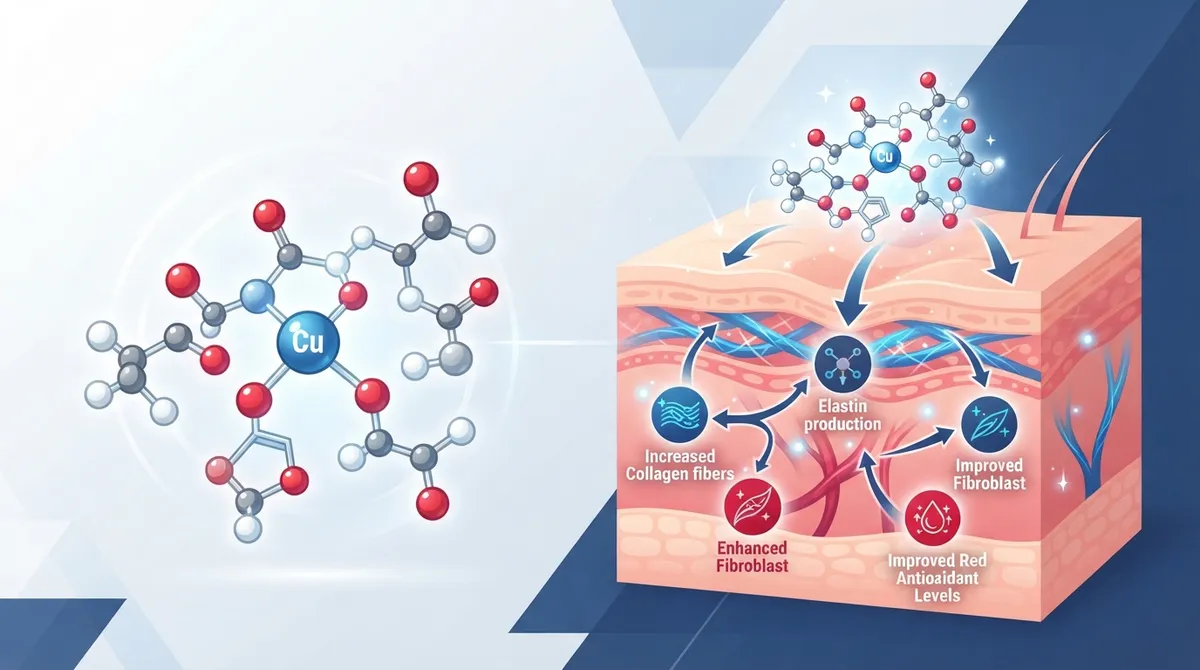
GHK-Cu is a small peptide that naturally binds to copper in the body. Researchers have studied it for decades because of its role in skin repair and tissue renewal. As we age, natural GHK-Cu levels in the body decline, which may contribute to slower healing and visible signs of aging skin.
In topical skincare and wellness products, GHK-Cu is used to support collagen production, improve skin density, and help calm visible damage from sun exposure. It is not a miracle fix, but the research behind it is more substantial than many trendy skincare ingredients on the market today.
How GHK-Cu Works on a Cellular Level
GHK-Cu interacts with skin cells in several ways. It supports the signals that tell your body to produce more collagen and elastin. It also has antioxidant properties that may help protect skin from everyday environmental stress.
- Encourages collagen and elastin synthesis in the dermis layer
- Supports the skin barrier function against environmental irritants
- May help calm minor inflammation linked to visible redness
- Assists in normal tissue remodeling processes
- Provides antioxidant support at the cellular level
What Results Can You Realistically Expect from GHK-Cu
This is the question most people want answered first. Based on published research, GHK-Cu results are generally gradual and measurable, not dramatic or instant. Most patients notice changes over weeks, not days.
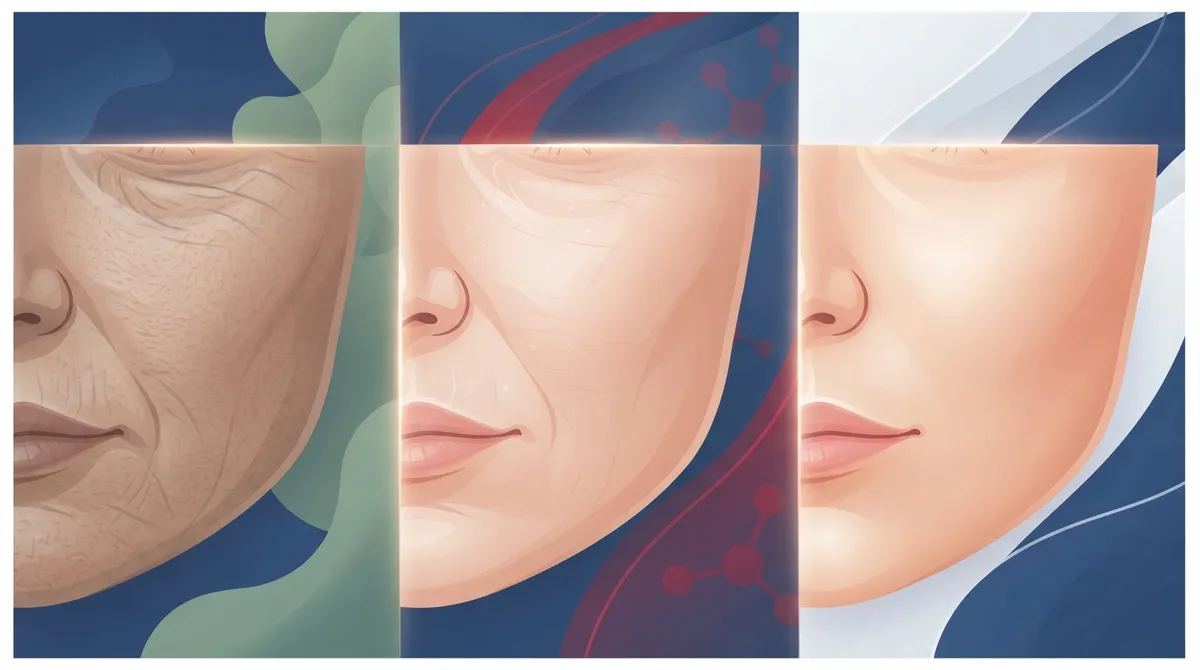
A 2018 review of a facial cream study involving 71 women with photoaged skin reported increased skin density and thickness after 12 weeks of consistent use. Researchers also observed reduced skin laxity and shallower wrinkle depth. This kind of gradual improvement is typical for topical peptide use.
Key Areas Where GHK-Cu Shows the Strongest Evidence
- Improved skin firmness and density in photoaged skin
- Reduced appearance of fine lines with consistent use
- Better skin hydration and barrier support
- Support for collagen synthesis compared to some other actives
- Mild improvements in skin texture and tone evenness
It is worth noting that evidence is strongest for mild-to-moderate aging concerns. Deep wrinkles or severe sun damage may not respond as dramatically to topical GHK-Cu alone.
How Long Does It Take to See GHK-Cu Results
Patience is important with any peptide-based skincare approach. Most clinical studies and product guidance point to an 8 to 12 week window before visible or measurable changes appear.
This timeline lines up with how skin naturally renews itself. Collagen remodeling is a slow biological process, so quick results are unlikely with any legitimate skincare ingredient, including GHK-Cu.
A Simple Timeline to Set Expectations
|
Timeframe |
What You Might Notice |
|---|---|
|
Weeks 1-4 |
Improved hydration, subtle texture changes |
|
Weeks 5-8 |
Early signs of firmness and smoother texture |
|
Weeks 9-12 |
More visible reduction in fine lines and improved density |
|
Beyond 12 weeks |
Continued gradual improvement with consistent use |
GHK-Cu Compared to Other Popular Skin Actives
Many people want to know how GHK-Cu stacks up against ingredients like vitamin C or retinol. Human studies applying GHK-Cu cream to thigh skin reported collagen production improvements in 70 percent of participants over 12 weeks. In comparison, vitamin C cream showed improvement in 50 percent, and retinoic acid in 40 percent of participants in the same reviewed data.
|
Ingredient |
Reported Collagen Response |
Common Use Case |
|---|---|---|
|
GHK-Cu |
70% of participants |
Firmness, density, tissue support |
|
Vitamin C |
50% of participants |
Brightening, antioxidant support |
|
Retinoic Acid |
40% of participants |
Cell turnover, texture refinement |
These numbers do not mean one ingredient is universally better. They simply reflect different mechanisms working on the skin. Many wellness-focused skincare routines combine ingredients rather than relying on just one.
Does GHK-Cu Help With Wrinkles and Fine Lines
One facial-wrinkle study reported a 31.6 percent reduction in wrinkle volume compared to another popular peptide blend, and a 55.8 percent reduction compared to a control group. The same study noted a 32.8 percent reduction in wrinkle depth. These are meaningful numbers, though results vary from person to person based on skin type, age, and consistency of use.
Typical topical concentrations studied in cosmetic research range from 1 to 3 percent GHK-Cu. Products outside this range may not have the same research backing, so checking labels matters if you are trying to match documented study conditions.
Can GHK-Cu Support Wound Healing and Tissue Repair
Beyond cosmetic use, GHK-Cu has been studied for its role in wound healing. Preclinical and animal studies show promising tissue repair activity. However, human wound-healing evidence remains more limited and mixed compared to the skin-aging research.
In wellness settings, GHK-Cu is sometimes discussed as a supportive option for post-procedure skin recovery. If you are considering this use, it is worth discussing your specific situation with a licensed provider rather than relying solely on product marketing claims.
Safety Considerations Before You Start
- Topical use generally has a favorable safety profile in existing research
- Injectable or nonstandard forms should only be considered under clinical supervision
- Patch testing is recommended before applying any new peptide product to your face
- Pregnant or breastfeeding individuals should consult a provider before use
- Combining with other active ingredients may require professional guidance
How to Choose a GHK-Cu Product That Actually Delivers Results
Not all copper peptide products are created equal. Formulation quality, concentration, and packaging all affect whether you will see the results reported in clinical studies.
Steps to Evaluate a GHK-Cu Product
- Check the concentration listed on the label, ideally within the 1 to 3 percent range studied in research
- Look for opaque or airless packaging, since copper peptides can degrade with light exposure
- Avoid combining GHK-Cu with vitamin C or certain acids in the same application, as this may reduce effectiveness
- Commit to daily use for at least 8 to 12 weeks before judging results
- Take baseline photos so you can track subtle changes over time
If you are unsure which products or routines fit your skin type, a conversation with a wellness provider can help you avoid wasted time and money on ineffective options.
Why a Whole-Body Approach Matters for Skin Wellness
Skin health does not exist in isolation. Hydration, nutrition, sleep, and hormone balance all influence how your skin ages and heals. This is why many patients pairing topical treatments with broader wellness strategies often report better overall outcomes.
For example, patients focused on skin optimization sometimes explore IV hydration and vitamin drips to support hydration from the inside out. Others look into DNA gene testing to better understand their unique skin aging patterns and collagen-related genetic factors. A comprehensive primary care relationship can help tie these pieces together into one coordinated plan.
Lifestyle Factors That Influence GHK-Cu Effectiveness
- Consistent hydration supports overall skin barrier function
- Adequate sleep allows for natural tissue repair processes
- Balanced nutrition provides building blocks for collagen production
- Sun protection prevents new damage while treatments work on existing concerns
- Stress management supports hormone balance linked to skin health
When to Talk to a Wellness Provider About GHK-Cu
While over-the-counter GHK-Cu products are widely available, some situations call for professional guidance. If you have sensitive skin, existing dermatological conditions, or are combining multiple active treatments, a conversation with a provider is a smart first step.
Our providers at InCare take a whole-body approach to wellness, looking beyond a single product to understand what your skin and overall health actually need. This is especially valuable for patients also managing weight, hormone, or metabolic concerns alongside skin goals.
Patients considering post-procedure recovery support, such as after cosmetic treatments, may also benefit from discussing GHK-Cu as part of a broader recovery plan. You can learn more about how our team approaches these conversations by visiting our Tampa and Riverview locations pages.
Common Mistakes That Limit GHK-Cu Results
Many people give up on copper peptide products too early or use them incorrectly. Avoiding these common errors can help you get closer to the results seen in clinical research.
- Stopping use before the 8 to 12 week mark when results typically begin appearing
- Applying inconsistent amounts or skipping days frequently
- Layering with incompatible ingredients that reduce peptide stability
- Choosing products with concentrations far outside the researched 1 to 3 percent range
- Ignoring sun protection, which can undo progress from active skincare ingredients
Small adjustments to your routine can make a meaningful difference in whether you see the improvements described in published studies.
How InCare Supports Whole-Body Wellness Beyond Skin
InCare has built a reputation across Tampa and Riverview for combining modern technology with personalized medical care. Patients researching GHK-Cu results often have broader wellness goals, from weight loss support to cancer screening services that catch concerns early. Our team believes skin health is just one piece of a much larger picture.
We also understand that healthcare should fit into busy lives. That is why services like urgent care and same-day appointments exist alongside our wellness offerings, giving patients flexibility whether they need immediate care or long-term optimization support. You can follow our latest wellness tips and patient stories on Facebook, Instagram, or TikTok for ongoing education.
Curious what other patients say about their experience? You can read InCare reviews on Google by visiting our Visit us on Google — InCare profile before scheduling your own visit.
Final Thoughts on Setting Realistic GHK-Cu Expectations
GHK-Cu offers genuine, research-backed potential for improving skin firmness, texture, and mild signs of aging. The key is patience, correct product selection, and consistent daily use over several months. Combined with a broader wellness strategy, copper peptides can be a valuable part of your skin care routine.
If you want personalized guidance on how GHK-Cu or other wellness treatments fit into your health goals, our Tampa and Riverview team is ready to help. You can get in touch with our care team to ask questions, or go ahead and schedule your appointment today to start building a plan that works for your skin and your life.
FAQs
Q: What results can you expect from GHK-Cu for skin?
A: Most people see gradual improvements in skin firmness, density, and hydration. Fine lines may appear less noticeable, though deep wrinkles typically respond less dramatically than mild-to-moderate signs of aging.
Q: How long does GHK-Cu take to work?
A: Clinical research points to 8 to 12 weeks of consistent daily use before visible or measurable changes appear. Skin renewal is a slow biological process, so patience is essential.
Q: Does GHK-Cu help with wrinkles and fine lines?
A: Yes, studies show measurable reductions in wrinkle volume and depth with consistent topical use. One study reported over 30 percent reduction in wrinkle volume compared to another peptide formula.
Q: Is topical GHK-Cu safe to use?
A: Topical GHK-Cu generally has a favorable safety profile based on existing research. Patch testing is still recommended, and anyone with sensitive skin or existing conditions should consult a provider first.
Q: How does GHK-Cu compare with retinol or vitamin C?
A: Reviewed human data found GHK-Cu cream improved collagen production in about 70 percent of participants, compared to 50 percent with vitamin C and 40 percent with retinoic acid, though each ingredient works differently.