Key Takeaways
- A 2020 meta-analysis of 450 participants found glutathione produced only small motor score improvements with no meaningful benefits for daily living or mood, falling short of proven treatment status.
- Oral glutathione is poorly absorbed and breaks down in digestion; a study showed 500 mg twice daily for four weeks produced no improvement in blood glutathione levels or oxidative stress markers.
- Low glutathione levels in Parkinson's-damaged brain regions show association but not causation; this observation alone does not prove supplementation will slow disease progression.
- Always discuss glutathione with your neurologist and primary care provider before starting, especially regarding potential interactions with levodopa and other Parkinson's medications.
- Comprehensive Parkinson's care requires medication management, regular exercise, physical therapy, and sleep support rather than relying on any single supplement to address multiple symptoms.
- IV and intranasal glutathione methods remain inconclusive with small, inconsistent trials; intranasal delivery showed only modest brain glutathione increases with no clear symptom improvement.
If you or a loved one has Parkinson's disease, you have likely searched for ways to slow it down. Glutathione keeps coming up in these searches. It is often described as a powerful antioxidant that could protect the brain. But what does the science actually say? This guide breaks down the real evidence in plain language, so you can talk to your doctor with confidence instead of confusion.
At InCare, our Tampa and Riverview clinics take a whole-body approach to wellness and chronic disease support. While we do not claim glutathione cures or treats Parkinson's disease, we believe patients deserve clear, honest information before trying any supplement or therapy. This article walks through what glutathione is, what the research shows, and how to approach it responsibly with your care team.
What Is Glutathione and Why Does It Matter for Parkinson's?
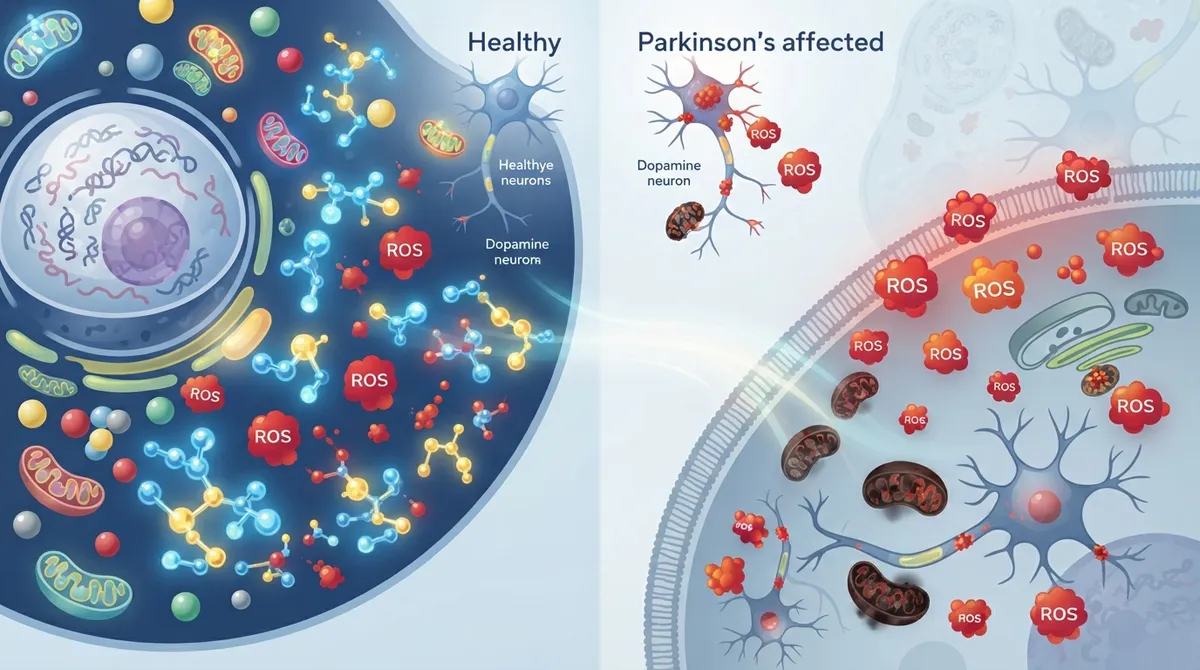
Glutathione is a natural antioxidant made inside your cells. It helps protect tissue from oxidative stress, which is basically wear and tear caused by unstable molecules called free radicals. Your brain, liver, and immune system all rely on it.
Researchers have noticed something interesting in people with Parkinson's disease. Brain regions damaged by the condition, especially an area called the substantia nigra, often show lower glutathione levels. This has led scientists to ask if boosting glutathione could help protect brain cells. However, seeing low levels in a damaged area does not prove that raising glutathione will fix the problem. It may simply be a sign of damage, not a cause of it.
The Difference Between Association and Proof
This distinction matters a lot in medicine. Just because two things show up together does not mean one causes the other. Low glutathione and Parkinson's disease often appear together, but that link alone does not confirm supplementation will slow the disease. Only well-designed clinical trials can answer that question.

What Does the Research Actually Show?
Several small studies have tested glutathione in people with Parkinson's disease. The results are mixed, and none are considered strong enough to call glutathione a proven treatment.
1. The 2020 Meta-Analysis
A 2020 systematic review combined results from seven randomized controlled trials with 450 total participants. It found a small but statistically significant improvement in motor scores, measured using UPDRS Part III. However, there was no meaningful improvement in daily living activities or in mood and behavior scores. The authors were careful to note that individual trials were small and inconsistent in dosing.
2. The 2009 Intravenous Pilot Trial
This is the most cited glutathione and Parkinson's study. Researchers gave 21 participants either intravenous glutathione or a placebo. The dose was 1,400 mg, three times weekly, for four weeks. The treatment group improved by 2.8 more points than placebo during treatment, but this was not statistically significant. Worse, the treatment group actually declined more than placebo in the eight weeks after stopping infusions. Neither result supported glutathione as an effective therapy.
3. The 1996 Open-Label Study
An earlier study looked at nine people with early, untreated Parkinson's disease. They received intravenous glutathione at 600 mg twice daily for 30 days. Disability scores dropped by an average of 42%, an impressive number on paper. But this study had no placebo group and no blinding, which means the results could reflect a placebo effect rather than a true biological benefit.
Comparing the Key Glutathione Studies
|
Study |
Year |
Participants |
Method |
Key Finding |
|---|---|---|---|---|
|
Open-label pilot |
1996 |
9 |
IV, uncontrolled |
42% disability reduction, no placebo control |
|
Randomized pilot trial |
2009 |
21 |
IV, placebo-controlled |
No significant UPDRS improvement |
|
Meta-analysis |
2020 |
450 |
7 combined RCTs |
Small motor score gain, no daily-living benefit |
|
Systematic review |
Through 2024 |
196 |
9 combined studies |
Intranasal route showed inconclusive results |
Oral, Intravenous, and Intranasal Glutathione: How They Differ
Not all glutathione products work the same way in the body. The route of delivery matters a great deal, especially when it comes to reaching the brain.
Oral Glutathione
Oral supplements face a tough journey. Stomach acid and digestive enzymes break down much of the glutathione before it can be absorbed. One study gave healthy adults 500 mg twice daily for four weeks and found no meaningful improvement in blood glutathione levels or oxidative stress markers. Side effects were generally mild, including bloating, loose stools, and flushing.
Intravenous Glutathione
IV administration bypasses the digestive system, delivering glutathione directly into the bloodstream. This is the method used in the 2009 and 1996 trials. It was generally well tolerated in these small studies, but tolerability is not the same as effectiveness. IV glutathione has not been proven to slow Parkinson's progression.
Intranasal Glutathione
This method was designed to try to get glutathione closer to the brain through the nasal passages. A systematic review of studies through December 2024 found only modest increases in brain glutathione levels. It reported no significant improvement in symptoms or oxidative stress markers. The overall conclusion was that evidence remains inconclusive.
Delivery Method Comparison
|
Delivery Method |
Absorption Concerns |
Clinical Evidence Level |
Oversight Needed |
|---|---|---|---|
|
Oral |
Poor absorption, breaks down in digestion |
Very limited |
Low, but discuss with your doctor |
|
Intravenous |
Bypasses digestion, direct bloodstream access |
Small trials, inconsistent results |
High, requires medical supervision |
|
Intranasal |
Attempts to bypass blood-brain barrier limits |
Small, inconclusive studies |
Moderate, clinician guidance advised |
How to Approach Glutathione If You Have Parkinson's Disease
If you are considering glutathione, take a careful and informed approach. Here is a simple process to follow.
- Talk to your neurologist first. They know your full medical history and current treatment plan.
- Ask your primary care provider about any risks based on your other health conditions.
- Review your current medications for possible interactions before starting anything new.
- Request clear information on dosing, delivery method, and expected outcomes from any provider recommending it.
- Set realistic expectations based on the actual research, not marketing claims.
- Track your symptoms carefully if you do try it, so you and your doctor can evaluate any changes.
- Continue your established Parkinson's treatments, including medication, exercise, and therapy, without interruption.
Why Comprehensive Care Matters More Than Any Single Supplement
Parkinson's disease affects movement, mood, sleep, and more. No single supplement addresses all of these needs. A strong care plan usually includes several parts working together.
- Individualized medication management guided by a neurologist
- Regular exercise and physical therapy to maintain mobility
- Speech or occupational therapy as needed
- Fall prevention strategies at home
- Support for sleep, mood, and cognitive changes
- Routine primary care to manage overall health and other chronic conditions
This is where a coordinated primary care relationship becomes so valuable. Our primary care team works alongside specialists to help manage the full picture, not just isolated symptoms. Learn more about how primary doctors help manage chronic illnesses like Parkinson's disease over time.
What Should You Ask Your Doctor Before Trying Glutathione?
Bringing good questions to your appointment leads to better decisions. Consider asking these before starting any glutathione product.
- Is this safe given my other medications, including levodopa?
- What delivery method makes the most sense for my situation?
- What side effects should I watch for?
- How will we measure if it is actually helping?
- Should I combine this with any other therapies?
Our providers, including Pramjeet Ahluwalia MD, Naveen Paddu MD, and Teshy John MD, take time to answer these questions honestly. You can review our full providers page to learn more about our team's backgrounds and areas of focus.
How Wellness Testing Can Support Your Overall Health Picture
Even though glutathione is not a proven Parkinson's treatment, general wellness monitoring can still play a role in your care. Understanding your baseline health helps your care team make smarter decisions.
Options Worth Discussing With Your Provider
- DNA gene testing to understand personal health predispositions
- Body composition analysis to track changes in muscle and fat over time
- IV hydration and vitamin drips for general wellness support, always under clinical guidance
- Routine cancer screening and preventive checkups as part of whole-person care
These services are not Parkinson's treatments. They are part of a broader strategy to understand and support your overall health as you manage a chronic condition.
Common Myths About Glutathione and Parkinson's
Misinformation spreads quickly online. Here are a few myths worth correcting.
- Myth: Glutathione reverses Parkinson's disease. No study has shown this. At best, some trials show small, short-term motor score changes.
- Myth: Oral supplements work as well as IV therapy. Oral glutathione has weak evidence for raising brain levels at all.
- Myth: Natural means risk-free. Any IV therapy carries some risk and should always involve a licensed clinician.
- Myth: More research means it is close to approval. Current evidence remains preliminary, and no major health authority has approved glutathione as a Parkinson's treatment.
The Role of NAC and Other Related Compounds
N-acetylcysteine, or NAC, is sometimes discussed alongside glutathione because it is a building block the body uses to make glutathione naturally. A systematic review covering studies through December 2024 looked at nine combined glutathione and NAC studies involving 196 participants. The results were similarly inconclusive, reinforcing that neither compound is currently a proven Parkinson's treatment on its own.
This does not mean these compounds have no potential value in general wellness. It simply means the evidence for Parkinson's disease specifically remains preliminary and should not replace standard neurological care.
Why Working With a Primary Care Team Matters
Managing Parkinson's disease well requires more than a neurologist alone. Your primary care provider helps coordinate overall health, catch new symptoms early, and manage other conditions that can affect disease progression, like blood pressure or diabetes.
At our Tampa and Riverview locations, we focus on this kind of coordinated, whole-body care. If you want to explore how a personalized care plan could support your health goals, you can reach out to our team to discuss your specific situation. You can also see how our patients describe their experience by visiting our InCare location on Google.
Staying Informed and Connected
Health information changes fast, and it helps to follow trusted sources. Organizations like the National Institute of Neurological Disorders and Stroke and the Parkinson's Foundation publish updated, research-backed guidance for patients and families. You can also follow InCare's wellness updates on Facebook, Instagram, and TikTok for practical health tips shared regularly.
Final Thoughts on Glutathione and Parkinson's Care
Glutathione is an interesting area of ongoing research, but it is not a proven treatment for Parkinson's disease. Current studies show mixed, small, and often inconclusive results across oral, intravenous, and intranasal forms. The smartest path forward is open conversation with your neurologist and primary care provider before trying any new therapy.
If you are managing Parkinson's disease or simply want a more coordinated approach to your overall health, our team at InCare in Tampa and Riverview is ready to help. You can schedule an appointment with our care team today to talk through your options and build a plan that fits your needs.
FAQs
Q: Can glutathione help Parkinson's disease symptoms?
A: Research shows mixed results. A 2020 meta-analysis found a small improvement in motor scores but no meaningful benefit for daily living activities or mood. Glutathione is not considered a proven treatment for Parkinson's disease.
Q: Is intravenous glutathione safe for people with Parkinson's disease?
A: Small clinical trials found IV glutathione was generally well tolerated at studied doses. However, safety in a broader population has not been fully established, so it should always be done under close medical supervision.
Q: Does oral glutathione raise brain glutathione levels?
A: Evidence suggests oral glutathione is poorly absorbed and may not reliably raise levels in the blood or brain. A study in healthy adults found no significant improvement in glutathione status after four weeks of oral supplementation.
Q: What is the evidence for intranasal glutathione in Parkinson's disease?
A: Intranasal glutathione was designed to potentially bypass absorption issues, but a systematic review found only modest brain glutathione increases and no clear symptom improvement. Researchers describe the evidence as inconclusive.
Q: Can glutathione interact with levodopa or other Parkinson's medications?
A: Potential interactions have not been thoroughly studied in large trials. Anyone considering glutathione should discuss it with their neurologist and primary care provider before combining it with existing medications.