
Key Takeaways
- Injectable GHK-Cu lacks FDA approval and formal human pharmacokinetic studies, with safety data limited to a few hundred patients—making it far less established than the 20+ years of evidence supporting topical use.
- Unregulated peptide suppliers pose real risks including impurities, incorrect dosing, and contamination; working with a licensed medical provider ensures proper quality sourcing and screening for contraindications.
- While topical GHK-Cu has strong cosmetic research, injectable claims cannot automatically apply to injections; only one notable randomized placebo-controlled study supports its use for diabetic foot ulcers.
- Before considering GHK-Cu injection, verify FDA approval status, review available human data, ask about sourcing quality, and discuss your full health history with a qualified clinician rather than relying on marketing claims.
Copper peptides have become a hot topic in wellness circles, and many patients now ask about GHK-Cu peptide injection options during their visits. This tripeptide has decades of research behind its topical use, but injectable forms raise different questions entirely. Before you consider any peptide-based treatment, it helps to understand what the science actually says versus what marketing claims suggest.
At InCare, our providers believe patients deserve clear, honest information about emerging treatments. This guide breaks down what GHK-Cu is, how injectable forms differ from topical products, and what current research tells us about safety and effectiveness. We will also cover how this fits into a broader wellness and primary care strategy.
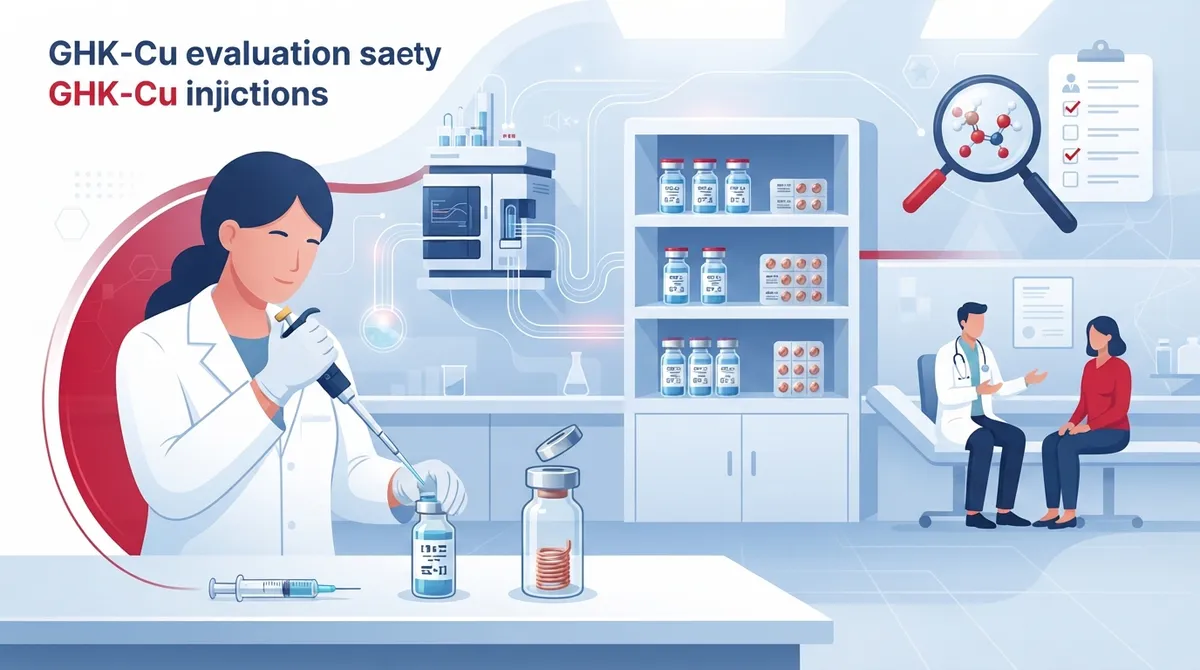
What Is GHK-Cu and Why Does It Matter?
GHK-Cu is a small copper-binding peptide. It was first identified back in 1973. Since then, it has become a common ingredient in skin and hair care products sold worldwide.
The peptide naturally occurs in the human body. Levels tend to decline as we age. This decline is part of why researchers began studying GHK-Cu for skin renewal and tissue support.
Most of the strong scientific evidence for GHK-Cu comes from topical use. Creams, serums, and lotions containing this peptide have been studied for more than 20 years in cosmetic settings. Injectable use tells a very different story.
Topical vs. Injectable GHK-Cu: Key Differences
Understanding the gap between these two delivery methods is critical for anyone considering treatment. Here is a breakdown of what separates them:
|
Factor |
Topical GHK-Cu |
Injectable GHK-Cu |
|---|---|---|
|
Research History |
20+ years of cosmetic study |
Very limited published human data |
|
FDA Approval |
Not approved as a drug |
Not approved as a drug |
|
Pharmacokinetic Studies |
Some cosmetic data available |
None formally identified as of 2026 |
|
Dose-Finding Trials |
Established in cosmetic contexts |
None published |
|
Common Use |
Skin, hair, anti-aging products |
Discussed in regenerative medicine settings |
|
Reported Side Effects |
Mild skin irritation (rare) |
Injection-site burning or irritation |

How to Evaluate GHK-Cu Peptide Injection Safety
If you are researching this peptide, follow these steps to make an informed decision about your health.
Step-by-Step Evaluation Process
- Check FDA approval status. As of 2026, no FDA-approved GHK-Cu drug product exists for any route of administration, including injection.
- Review the available human data. Published safety evidence for injectable GHK-Cu spans only a few hundred patients across all available reports. That is not enough to establish rare adverse-event rates.
- Ask about sourcing and quality. The FDA has flagged quality concerns for compounded injectable peptides, including aggregation, immunogenicity, and impurities.
- Understand the difference between topical and injectable claims. Strong topical evidence does not automatically apply to injections.
- Discuss your health history with a licensed provider. A qualified clinician can help you weigh risks against any potential benefit.
- Look for evaluator-blinded, placebo-controlled research. One multicenter study on diabetic neuropathic plantar ulcers used this rigorous design, though broader wound-healing evidence remains mixed.
- Avoid unregulated or unverified suppliers. Peptide impurities are a real risk when products are not properly tested.
Working with a trusted clinic matters here. Our team at InCare's peptide therapy program in Tampa takes a careful, evidence-based approach to any peptide discussion with patients.
What Does the Research Actually Show?
Let's separate fact from hype. The data on GHK-Cu is more nuanced than social media posts suggest.
Key Research Findings
- GHK-Cu was first identified in human plasma in 1973 and has a long history in cosmetic science.
- The strongest human evidence supports topical, not injectable, application.
- No formal human pharmacokinetic studies exist for injectable GHK-Cu as of 2026.
- No published dose-finding trials have been identified for injectable use.
- Wound-healing evidence is mixed, with only a handful of clinical studies available.
- One randomized, placebo-controlled study showed positive results for diabetic foot ulcers, but this remains an isolated finding.
- Reported side effects in small studies are generally described as mild and local, such as burning at the injection site.
This is why any responsible wellness provider will be transparent about the limits of current science. A good wellness clinic should walk you through both the potential and the unknowns before you decide.
Common Questions About GHK-Cu Use in Wellness Settings
Is It FDA-Approved?
No. There is no FDA-approved GHK-Cu drug product for any route of administration. This applies to both topical and injectable forms. Any product marketed with drug claims outside this framework should be approached with caution.
What Are the Reported Side Effects?
Available literature describes side effects as generally local and mild. These include burning or irritation at the injection site. However, the dataset is small, so rare or long-term risks cannot be ruled out with confidence.
Does It Help With Wound Healing?
The evidence is mixed. A review of the regenerative and protective actions of the GHK-Cu peptide found promising signals in some studies. But the broader clinical record remains limited, with only a handful of human trials completed.
How Wellness Clinics Approach Peptide Discussions
Responsible clinics take a measured approach when patients ask about newer peptide therapies. Here is how that process typically unfolds:
What to Expect During a Consultation
- A detailed review of your health history and current medications.
- An honest conversation about what is and is not FDA-approved.
- A discussion of alternative, well-established options that may address your goals.
- Clear information about any risks tied to unregulated or compounded products.
- A personalized plan that may include other proven wellness services.
This kind of thorough evaluation is part of what makes InCare's approach to whole-body wellness different from clinics that push trends without context. Patients in Tampa and Riverview can schedule a consultation to discuss their specific health goals and get accurate, evidence-based guidance.
Comparing Wellness Options at a Glance
If copper peptide injections feel too uncertain for your comfort level, other established wellness services may better fit your goals. Here is a quick comparison of options available through comprehensive primary care.
|
Service |
Evidence Base |
FDA Status |
Typical Goal |
|---|---|---|---|
|
Topical Copper Peptides |
20+ years of cosmetic data |
Not FDA-approved as drug |
Skin and hair support |
|
Well-established for hydration and nutrient delivery |
Compounded under medical supervision |
Energy, hydration, recovery |
|
|
Growing genomic research base |
Lab-based testing, not a drug |
Personalized health insight |
|
|
Varies by method; some FDA-cleared |
Method dependent |
Hair density and growth |
Why Working With a Licensed Provider Matters
Peptide products sold online without medical oversight carry real risks. Impurities, incorrect dosing, and contamination are common problems with unregulated suppliers. A licensed clinic can help you avoid these pitfalls.
Benefits of Medical Supervision
- Access to accurate, current research rather than marketing claims.
- Proper screening for contraindications based on your health history.
- Guidance on quality sourcing if any peptide product is considered.
- Ongoing monitoring for side effects or unexpected reactions.
- Integration with other services like body composition analysis or metabolic breath analysis for a fuller picture of your health.
Patients often find that combining honest peptide education with broader wellness services delivers better results than chasing a single trending compound. This is one reason InCare emphasizes whole-body optimization rather than isolated treatments.
What Patients in Tampa and Riverview Should Know
Local patients have access to providers who stay current on peptide research and FDA guidance. Whether you are exploring medical weight loss, cancer screenings, or newer wellness trends, working with a knowledgeable team matters.
You can also connect with InCare on Facebook or follow wellness updates on Instagram for ongoing education. Many patients also check in with our community through TikTok for quick wellness tips.
Before choosing any provider, it helps to see what current patients say. You can visit us on Google — InCare to read real reviews from Tampa and Riverview patients about their experiences with our team.
Making an Informed Decision
GHK-Cu peptide injection remains an area with more questions than answers. The topical evidence is solid. The injectable evidence is not. Patients deserve to know this distinction before pursuing any treatment.
A responsible approach means asking about FDA status, requesting quality documentation, and discussing your full health picture with a provider you trust. This is true whether you are exploring peptides, weight loss programs, or cancer screening services.
Take the Next Step Toward Informed Wellness Care
Understanding the real science behind treatments like GHK-Cu peptide injection helps you make safer, smarter choices for your health. Our team at InCare is here to answer your questions honestly and help you build a wellness plan grounded in evidence, not hype. Ready to talk with a provider about your goals? Book your appointment today and take the first step toward personalized, whole-body care in Tampa or Riverview.
FAQs
Q: What is GHK-Cu peptide injection used for?
A: GHK-Cu peptide injection is discussed in wellness and regenerative medicine circles for potential tissue support and healing benefits. However, injectable use has limited published human safety and efficacy data, unlike topical GHK-Cu, which has decades of cosmetic research behind it.
Q: Is GHK-Cu injection FDA-approved?
A: No, GHK-Cu is not FDA-approved as a drug product for any route of administration, including injection. This means injectable GHK-Cu falls outside standard regulatory review for safety and effectiveness.
Q: Is GHK-Cu safe to inject?
A: Current published safety data for injectable GHK-Cu is limited to a few hundred patients across available reports, which is not enough to rule out rare or long-term risks. Reported side effects are generally described as mild and local, such as injection-site irritation, but the overall safety profile remains incompletely studied.
Q: Does GHK-Cu help with wound healing?
A: The human clinical evidence for wound healing is mixed. One notable randomized, placebo-controlled study showed positive results for diabetic neuropathic plantar ulcers, but the broader body of research remains small and inconsistent.
Q: What is the difference between topical and injectable GHK-Cu?
A: Topical GHK-Cu has over 20 years of cosmetic research supporting its use in skin and hair products. Injectable GHK-Cu, by contrast, lacks formal human pharmacokinetic studies and dose-finding trials, making its safety and effectiveness far less established.