
Key Takeaways
- CJC-1295 is not FDA-approved for wellness, anti-aging, weight loss, or muscle gain, and compounded versions are not reviewed by the FDA for safety, effectiveness, or quality.
- Human studies so far are small and short, involving healthy adults and measuring only hormone levels like GH and IGF-1, not real health outcomes like strength, fat loss, or longevity.
- Long-term safety is unknown, and reported concerns include injection-site reactions, increased heart rate, flushing, possible immune reactions, and a heart attack in one trial participant (causation not shown).
- Use a clear vetting checklist before committing: confirm the prescriber, ask about FDA status and the pharmacy source, request purity documentation, review baseline labs, and get all costs in writing.
- Be wary of any clinic that guarantees results, pressures you to start quickly, or skips a full medical evaluation, since these are warning signs.
- Start with a primary care evaluation and baseline testing to find real causes of fatigue or weight gain, and consider evidence-based options like strength training, sleep optimization, and hormone testing first.
Peptide therapy is a growing topic in wellness, and CJC-1295 is one name that comes up often. If you live in Riverview, Florida, you may have seen it promoted for body composition, recovery, or anti-aging. The marketing can sound convincing. The science is much more limited.
CJC-1295 is an investigational compound. It is not approved by the FDA for wellness, anti-aging, weight loss, or muscle gain. Before you consider any CJC-1295 peptide therapy in Riverview, you need to know what the research shows, what it does not show, and how to judge a provider.
This guide walks you through a clear, step-by-step way to evaluate CJC-1295 peptide therapy. It is written for busy adults who want facts, not hype. You will learn how the drug works, what the evidence says, what the risks are, and which questions to ask a clinician. As a primary care and wellness clinic serving Tampa and Riverview, InCare believes informed patients make better decisions.
What CJC-1295 Is and How It Works
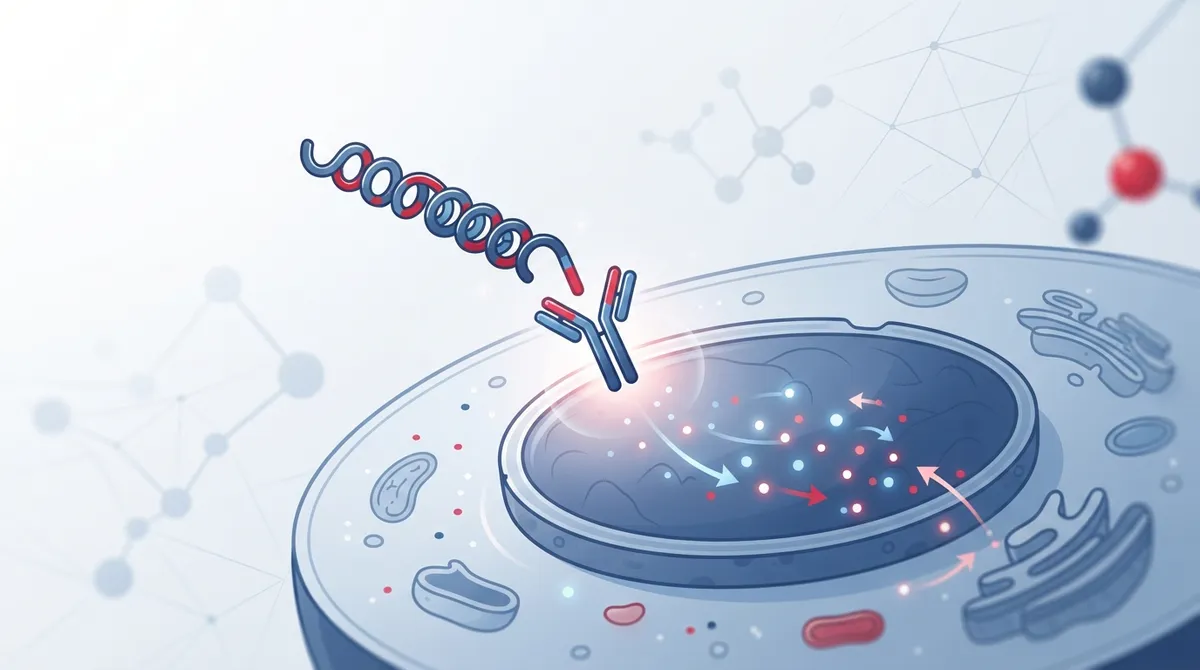
CJC-1295 is a synthetic growth-hormone-releasing hormone (GHRH) analogue. In simple terms, it is a lab-made peptide designed to mimic a natural signal from the brain. That signal tells the pituitary gland to release growth hormone (GH).
Growth hormone then prompts the liver to make insulin-like growth factor 1 (IGF-1). Both hormones play roles in growth, metabolism, and tissue repair. Levels naturally decline with age, which is why some wellness clinics market GH-related peptides for anti-aging.
You may also hear about a version called CJC-1295 with DAC (drug affinity complex). This design is meant to extend how long the peptide stays active in the body. That longer activity is one reason researchers studied it.
Why It Gets So Much Attention
The appeal is easy to understand. Raising GH and IGF-1 sounds like it could help with energy, fat loss, and recovery. But higher hormone levels on a lab test do not automatically mean better health. This difference is the key to evaluating any peptide claim.

Step 1: Check the Regulatory Status
Start with the most important fact. CJC-1295 is not an FDA-approved drug. The FDA has stated that it found no human studies showing the compound works for growth hormone deficiency. It is also not approved for weight loss, muscle gain, or anti-aging.
Some clinics offer it through compounding pharmacies. Compounded drugs are different from FDA-approved drugs. The FDA does not review each compounded preparation for safety, effectiveness, or quality before it is sold. A prescription does not change this fact.
|
Question |
FDA-Approved Drug |
Compounded CJC-1295 |
|---|---|---|
|
FDA review of safety and effectiveness |
Yes, before marketing |
No, not for each preparation |
|
Approved for wellness or anti-aging |
Varies by drug |
No |
|
Standardized quality oversight |
Yes |
Limited |
|
Large human outcome trials |
Required for approval |
Not available |
Step 2: Understand What the Research Actually Shows
The best-known human data comes from small, short studies in healthy adults. The FDA's 2024 compounding review identified three published human studies of CJC-1295 DAC. All three involved healthy people. None tested whether it helps people with growth hormone deficiency.
A 2006 study reported that one dose raised average GH levels roughly 2- to 10-fold for six days or longer. IGF-1 rose about 1.5- to 3-fold for 9 to 11 days. The estimated half-life was about 5.8 to 8.1 days.
These numbers show the drug changes hormone levels. They do not show that people feel better, lose fat, build muscle, or live longer. These are called surrogate measures. They are lab results, not real-world health outcomes.
What the Studies Do Not Show
- No proof of durable improvements in strength, function, or longevity
- No long-term safety data
- No evidence of benefit for weight loss or anti-aging in clinical trials
- No large studies in everyday wellness patients
When a clinic promises dramatic results, ask to see the human clinical evidence. A trustworthy provider will tell you honestly that it is limited.
Step 3: Weigh the Known Risks
Limited research also means limited safety information. The FDA's review highlights several concerns. These include unknown long-term risks, questions about how well the peptide is characterized, possible impurities, and the chance of immune reactions.
The review also notes increased heart rate and systemic vasodilatory reactions, such as flushing. Injection-site reactions were reported in almost all participants in the available CJC-1295 DAC study information.
One Phase 2 trial involved 192 people with HIV-associated lipodystrophy. One participant had a heart attack after the 11th weekly dose. The trial information does not show that CJC-1295 caused it. Still, it is a reminder that cardiovascular safety has not been fully studied.
Who Should Be Extra Cautious
- People with heart conditions or high blood pressure
- Anyone with a history of cancer or a strong family history
- People with diabetes or blood sugar problems
- Those who are pregnant, planning pregnancy, or breastfeeding
- Competitive athletes, since GH-related products may be restricted in sport
Step 4: Compare Marketing Claims With Evidence
Many promotional pages list long benefit lists. Use this table to separate what is claimed from what is supported.
|
Common Claim |
What the Evidence Supports |
|---|---|
|
Boosts growth hormone |
Short-term hormone increases in small studies of healthy adults |
|
Speeds fat loss |
No strong clinical outcome evidence |
|
Builds lean muscle |
Not established in controlled human trials |
|
Reverses aging |
Not supported by clinical outcome data |
|
Improves sleep and recovery |
Not proven in quality human studies |
If your goal is weight loss, there are proven medical options. A supervised program such as medical weight loss uses approved tools and regular monitoring. You can also read about what makes medical weight loss different from dieting.
Step 5: Vet Any Riverview Clinic Carefully
Searching online, you may find directory listings for Riverview clinics that mention CJC-1295 among their peptide offerings. A directory listing is not proof that a product is available today. It also does not confirm that the care is appropriate or compliant with regulations. Always verify details directly with the clinic.
Use this numbered checklist before you commit to anything:
- Confirm the prescriber. Ask who is licensed to prescribe and what their training is.
- Ask about FDA status. A good provider will say plainly that CJC-1295 is not FDA-approved.
- Ask about the source. Find out which pharmacy prepares the product and whether it is licensed.
- Request quality documentation. Ask about purity and sterility testing.
- Review baseline testing. Responsible care includes labs and a full medical history first.
- Discuss monitoring. Ask how side effects and lab changes will be tracked.
- Get costs in writing. Understand all fees before you start.
Be cautious if a clinic pressures you, guarantees results, or skips a medical evaluation. Those are warning signs.
Step 6: Start With Primary Care and Baseline Testing
Before any peptide therapy, the smartest move is a full health review. Fatigue, weight gain, poor sleep, and low motivation have many causes. These include thyroid problems, low vitamin levels, sleep apnea, depression, diabetes, and hormone imbalances. A peptide will not fix a problem that has not been diagnosed.
A primary care visit can check your labs, blood pressure, and risk factors. At InCare, patients can pair this with tools like metabolic breath analysis, body composition analysis, and DNA gene testing. These give you real data about your body instead of guesswork.
If you want to learn more about how peptides fit into care, see our guide on what peptides are and our overview of peptide therapy benefits and safety. For a closer look at this specific compound, read what CJC-1295 actually does for your health.
Step 7: Explore Evidence-Based Alternatives
Many goals people hope to reach with CJC-1295 can be pursued with better-supported methods. Consider these options with your clinician:
- Strength training and protein intake for muscle and metabolic health
- Sleep optimization, including screening for sleep apnea
- Nutrition and weight management guided by a medical team
- Hormone testing to find true deficiencies before treating them
- IV hydration and vitamin support when a real need is identified
Our team can explain options like IV hydration and vitamin drips and help you build a plan around your goals. You can also compare approaches in our article on TRT vs. peptide therapy vs. hormone replacement therapy.
Questions to Bring to Your Appointment
Come prepared. A short list helps you get clear answers:
- Is this product FDA-approved for my goal?
- What human studies support it for people like me?
- What are the most likely side effects?
- How could this interact with my current medications?
- What labs will you run before and during treatment?
- What happens if I want to stop?
If you want a closer look at how local clinics approach this area, our article on peptide therapy clinics in Riverview offers more context. You can also see the clinic's reputation from real patients: read InCare reviews on Google. InCare holds a 4.8 out of 5 rating from more than 350 reviews. For news and updates, follow us on Instagram, Facebook, and TikTok.
Final Thoughts
CJC-1295 peptide therapy in Riverview may sound promising, but the science does not yet support the big claims. The compound raises hormone levels in short studies. It has not been shown to deliver lasting health benefits, and long-term safety is unknown. It remains unapproved by the FDA for wellness use.
The best path is a careful one. Get a full medical evaluation, ask hard questions, and choose proven options first. If you are curious about peptides, talk with a qualified clinician who will give you an honest picture.
Ready to take the next step? Book your visit with InCare to build a personalized, evidence-based plan at our Riverview or Tampa location. Have questions first? Contact our team and we will gladly help.
FAQs
Q: Is CJC-1295 FDA-approved?
A: No. CJC-1295 is not FDA-approved for wellness, anti-aging, weight loss, muscle gain, or growth hormone deficiency. The FDA has noted that no human studies demonstrate its effectiveness for growth hormone deficiency.
Q: What does the research say about CJC-1295 and growth hormone?
A: Small, short-term studies in healthy adults showed that CJC-1295 raised growth hormone and IGF-1 levels. These are lab measures only. They do not prove lasting benefits for health, strength, or longevity.
Q: What are the risks and side effects of CJC-1295?
A: Reported concerns include injection-site reactions, increased heart rate, flushing, possible immune reactions, and product quality questions. Long-term risks are unknown, so a clinician should review your personal health history first.
Q: Is compounded CJC-1295 safe?
A: Compounded drugs are not FDA-approved, and the FDA does not review each preparation for safety, effectiveness, or quality. A prescription and clinician oversight do not make an unapproved peptide FDA-approved.
Q: What should I ask a primary care clinician before considering CJC-1295?
A: Ask about FDA status, supporting human studies, likely side effects, medication interactions, and required lab monitoring. Also ask which proven alternatives could help you reach the same goal.