Key Takeaways
- Kisspeptin-10 (KP-10) is an unapproved investigational peptide without FDA approval, standardized dosing, or long-term safety data, unlike prescription treatments that follow regulated pathways with clinical testing and monitoring.
- Online KP-10 peptide products cannot guarantee purity or accurate dosing and carry serious risks including contamination, hormonal overstimulation, and infection from self-injection without medical supervision.
- Before any hormone treatment, licensed providers must order bloodwork (testosterone, LH, FSH, thyroid), establish a diagnosis, and create a monitoring plan—steps that unregulated peptide purchases skip entirely.
- KP-10 also refers to a Kaiser Permanente insurance plan with a $10 primary-care copay, which is completely unrelated to kisspeptin peptides or hormone therapy and represents a separate insurance benefit question.
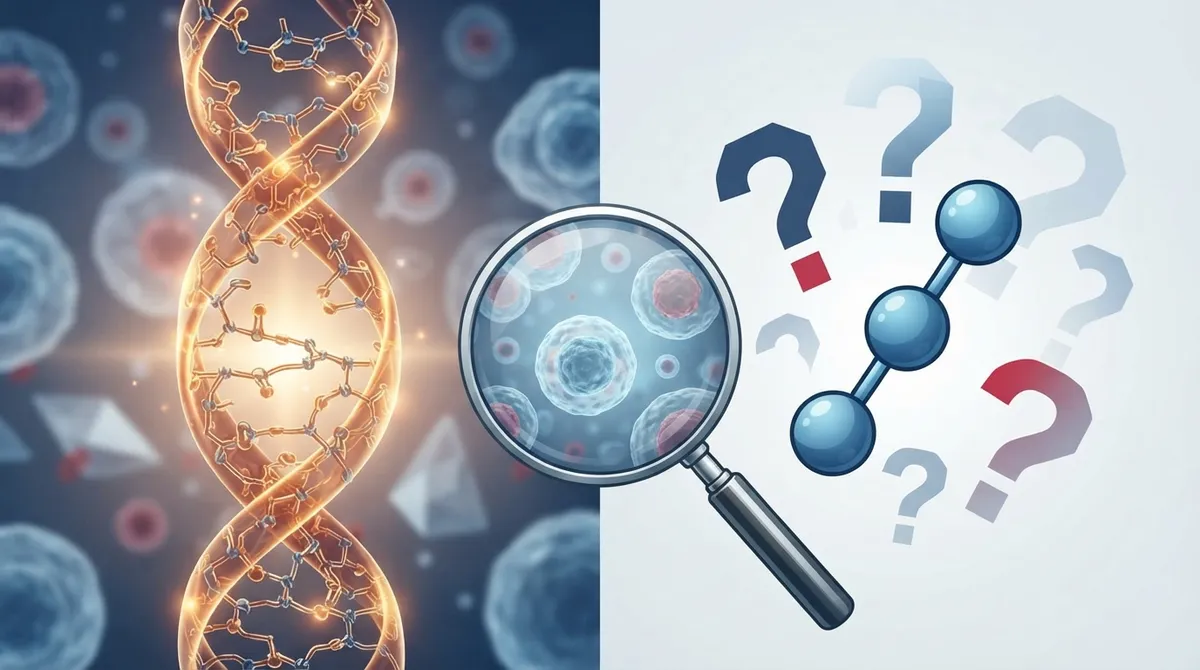
If you have searched "KP-10 vs prescription," you may be trying to sort out two very different things. Some people use "KP-10" to mean kisspeptin-10, an experimental peptide linked to fertility and hormone research. Others use it to describe a Kaiser Permanente health plan with a $10 primary-care copay. Neither meaning should be confused with an actual prescription medication written by a licensed doctor after proper testing.
This confusion matters because your health decisions should rest on facts, not marketing claims from online peptide sellers. Whether you are a busy parent researching hormone health, a wellness-focused professional exploring DNA testing, or someone comparing insurance copays, understanding the real difference between KP-10 and prescription treatment protects your health and your wallet. This guide breaks down what KP-10 actually means, how it compares to FDA-approved prescription care, and what steps to take before starting any hormone-related treatment.

What Does KP-10 Actually Mean?
KP-10 is a confusing term because it has two unrelated meanings in healthcare conversations. Knowing which one applies to your situation is the first step toward making a safe decision.
Kisspeptin-10: The Investigational Peptide
Kisspeptin-10 is a naturally occurring 10-amino-acid peptide fragment derived from the KISS1 gene. It activates a receptor called GPR54, also known as the KISS1 receptor. This activation stimulates signals through the hypothalamic-pituitary-gonadal axis, including gonadotropin-releasing hormone (GnRH), luteinizing hormone (LH), and follicle-stimulating hormone (FSH).
In simple terms, kisspeptin-10 talks to the part of your brain that controls reproductive hormones. Small human studies suggest it can temporarily raise LH and testosterone levels in some people. However, this is not the same as proving it improves fertility, sperm quality, or long-term hormone health. You can read more background in our guide on kisspeptin and its role in fertility.
KP-10 as a Kaiser Permanente Copay Term
In a completely separate context, "KP-10" sometimes refers informally to a Kaiser Permanente insurance plan with a $10 primary-care visit copay. This has nothing to do with peptides or hormone therapy. It is simply a benefit design detail found in a Summary of Benefits and Coverage document. If you are trying to verify plan pricing, our article on how to decode KP-10 copays in your health plan explains this in more detail.
Why KP-10 Is Not the Same as a Prescription Treatment
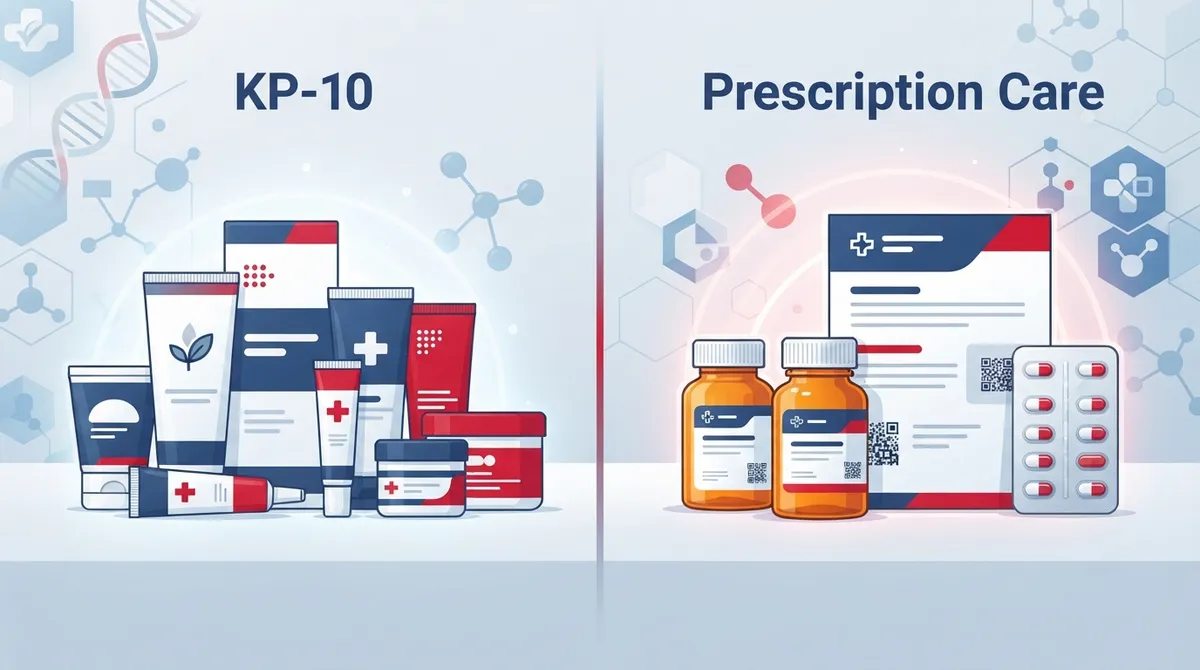
This is the most important distinction to understand. Kisspeptin-10 is not an FDA-approved prescription medication. It is also not a dietary supplement or an established wellness treatment. Many products sold online are labeled "research use only," meaning they were never evaluated for safe human use.
- Kisspeptin-10 has not completed large randomized clinical trials proving safety or effectiveness.
- Products purchased online may lack proper purity testing or accurate dosing information.
- Self-injecting an unregulated peptide creates risk of contamination, incorrect concentration, and unpredictable hormone response.
- There is no established dosing standard, monitoring protocol, or contraindication list approved by regulators.
- Buying from unverified sources means you have no guarantee of what is actually in the vial.
Prescription treatments, by contrast, go through a very different process before reaching your pharmacy.
How Prescription Hormone and Fertility Treatments Are Different
When a doctor prescribes a hormone or fertility medication, it follows a structured, evidence-based pathway. Here is how that process typically works:
Steps Involved in Getting a Legitimate Prescription Treatment
- Complete a physical exam and detailed health history with a licensed provider.
- Undergo bloodwork to check hormone levels, including testosterone, LH, FSH, and thyroid function.
- Discuss symptoms and goals, such as fertility concerns or low testosterone symptoms.
- Receive a diagnosis based on lab results and clinical evaluation.
- Get a treatment plan matched to that diagnosis, such as ovulation-induction medicine, gonadotropins, or testosterone replacement therapy.
- Start treatment with a specific, tested dose and a monitoring schedule.
- Return for follow-up labs to check how your body is responding.
- Adjust the plan as needed based on real data, not guesswork.
This structured approach is very different from ordering an unregulated peptide online and injecting it without medical supervision. If you want to explore legitimate hormone options, our testosterone replacement therapy program follows exactly this kind of evidence-based process.
KP-10 vs Prescription Treatment: A Side-by-Side Comparison
The table below highlights the core differences between experimental kisspeptin-10 and standard prescription hormone care.
|
Factor |
Kisspeptin-10 (KP-10) |
Prescription Hormone Treatment |
|---|---|---|
|
Regulatory Status |
Not FDA approved; often sold as research use only |
FDA approved with established indications |
|
Diagnosis Required |
Usually none; purchased without lab testing |
Requires bloodwork and clinical evaluation |
|
Dosing Standards |
No verified dosing protocol |
Established dosing based on clinical trials |
|
Monitoring |
Typically none |
Regular follow-up labs and provider visits |
|
Evidence Base |
Small, short-term studies only |
Large-scale trials and long-term safety data |
|
Purity Assurance |
Variable; depends on unverified seller |
Pharmacy-grade, quality-controlled manufacturing |
Common Risks of Using Unregulated KP-10 Products
Before considering any peptide product marketed under the KP-10 name, it helps to understand the real risks involved.
- Product purity cannot be verified without third-party lab testing.
- Incorrect reconstitution or dosing can cause unpredictable hormone surges.
- Hormonal overstimulation may worsen an undiagnosed pituitary or thyroid condition.
- People who are pregnant or trying to conceive face unknown risks from unregulated peptides.
- Self-injection without medical guidance increases the chance of infection or improper technique.
These risks are exactly why working with a licensed clinician matters. A qualified provider can order the right labs, interpret your results accurately, and recommend treatment options with a track record of safety.
Understanding the Kaiser Permanente $10 Copay Confusion
If your search for "KP-10 vs prescription" was actually about insurance costs, the answer is simpler. A $10 primary-care copay is separate from prescription drug costs. Prescription charges vary by drug tier, supply length, and your specific plan design.
Before your next visit, it is smart to confirm exactly what your copay covers. Ask these questions:
- Does the $10 copay apply to every primary-care visit, or only certain visit types?
- Are lab tests and screenings billed separately from the visit copay?
- What is the copay or coinsurance for prescription medications under this plan?
- Does this copay apply to specialist visits, or only primary-care appointments?
- Are there deductibles that must be met before the copay rate applies?
Reviewing your Summary of Benefits and Coverage document, or calling your insurer directly, will give you clear answers before you commit to any treatment plan.
What Testing Should Happen Before Any Hormone Treatment
Whether you are concerned about fertility, low testosterone, or general hormone balance, testing should always come first. Skipping this step is one of the biggest mistakes people make when trying unregulated peptides.
Key Labs and Evaluations to Request
- Complete hormone panel, including testosterone, LH, FSH, and estradiol.
- Thyroid function tests, since thyroid issues can mimic hormone imbalance symptoms.
- Comprehensive metabolic panel to check kidney and liver function.
- Semen analysis, if male fertility is a concern.
- Pelvic ultrasound or ovarian reserve testing, if female fertility is a concern.
- Review of current medications and supplements for possible interactions.
At InCare, our DNA gene testing and primary care services give patients in Tampa and Riverview a clear, accurate picture of their hormone health before any treatment decision is made. This approach removes guesswork and replaces it with real data.
Why Working With a Licensed Provider Matters
A primary care doctor or wellness specialist brings something no online peptide seller can offer: medical judgment based on your full health history. This includes checking for interactions with existing conditions, monitoring your response over time, and adjusting treatment safely.
InCare's providers, including our team featured on the providers page, combine lab-based diagnostics with personalized treatment plans. This is very different from buying a research chemical online and hoping for the best. Patients across Tampa and Riverview trust this evidence-based model, which is reflected in our strong reputation; you can visit us on Google — InCare to read real patient experiences.
Questions to Ask Before Starting Any Peptide or Hormone Therapy
Use this list as a starting point during your next consultation:
- What lab results support this specific treatment recommendation?
- Is this medication FDA approved, or is it considered experimental?
- What are the known side effects and how will they be monitored?
- How often will follow-up testing occur during treatment?
- What happens if my hormone levels do not respond as expected?
These questions apply whether you are exploring testosterone therapy, fertility support, or general hormone optimization. For more on evidence-based options, see our overview of peptide therapy in Tampa, which explains which treatments have real clinical support.
Making an Informed Decision
The bottom line is straightforward. Kisspeptin-10 remains an investigational compound without FDA approval, standardized dosing, or long-term safety data. Prescription treatments, by contrast, follow a regulated pathway built on testing, diagnosis, and monitoring. If your search was actually about a Kaiser Permanente $10 copay, that is a separate insurance benefit issue, not a medication choice.
Before trying any peptide product, talk with a licensed provider who can review your labs and medical history. This single step can prevent wasted money, unnecessary risk, and delayed treatment of an underlying condition. You can also follow health tips and clinic updates on Facebook, Instagram, and TikTok for more wellness guidance grounded in real medical practice.
Take the Next Step With Confidence
Choosing between an unregulated peptide and a proper prescription treatment does not have to feel confusing. InCare's team in Tampa and Riverview offers thorough hormone testing, clear explanations, and treatment plans built around your actual lab results. If you are ready to get real answers about your hormone health, reach out to our team today or schedule your appointment now to start with a proper evaluation instead of guesswork.
FAQs
Q: What is KP-10 or kisspeptin-10?
A: Kisspeptin-10 is a 10-amino-acid peptide fragment that activates the KISS1 receptor and can stimulate GnRH, LH, and FSH signaling. It is an investigational compound, not an approved medication, and its long-term safety and effectiveness remain unproven in large studies.
Q: Is kisspeptin-10 FDA approved or available by prescription?
A: No, kisspeptin-10 is not FDA approved and is not dispensed through standard pharmacy prescriptions. Products sold online are typically labeled research use only, meaning they have not been evaluated for safe human use.
Q: Can KP-10 improve fertility, testosterone, or hormone levels?
A: Small studies show kisspeptin can temporarily raise LH and testosterone in some participants, but this does not prove it improves pregnancy rates, sperm quality, or long-term hormone health. Evidence remains limited to short-term, small-scale research.
Q: How does kisspeptin-10 compare with prescription fertility treatment?
A: Prescription fertility treatments have established dosing, safety monitoring, and regulatory approval based on large clinical trials. Kisspeptin-10 lacks this evidence base and is not selected through a standard diagnostic and treatment pathway.
Q: Does KP-10 mean a Kaiser Permanente plan with a $10 copay?
A: In some contexts, yes. KP-10 can informally describe a Kaiser Permanente plan design with a $10 primary-care copayment, which is an insurance benefit detail and has nothing to do with kisspeptin-10 or hormone therapy.