Key Takeaways
- Vitamin C has significantly stronger scientific evidence than glutathione for routine use, with clear daily intake guidelines (75-90 mg for adults) and well-established safety profiles backed by decades of research.
- Vitamin C cannot reliably prevent colds in the general population, though regular use may modestly shorten symptom duration; glutathione has even less evidence for cold prevention or immune support.
- Work with a primary care provider before supplementing either antioxidant, as individual factors like diet, kidney function, medications, and health conditions significantly affect how your body responds.
- High-dose vitamin C (above 2,000 mg daily) can cause diarrhea, nausea, and kidney problems, particularly in people with kidney disease, stone history, or hemochromatosis who should use extra caution.
- Oral glutathione absorption varies widely by formulation and dose with limited research support, while IV therapy is invasive and carries risks; neither should replace a balanced diet or medical treatment.
- Most healthy adults obtain sufficient vitamin C from food sources like citrus fruits, peppers, and broccoli without needing supplements, making dietary intake review the essential first step.
Walk into any wellness clinic today, and you will likely hear about two popular antioxidants: glutathione and vitamin C. Both promise to fight cell damage, support your immune system, and help you feel your best. But they are not the same thing, and choosing the wrong one for your goals can waste money and time. If you are exploring options at a wellness clinic in Tampa or Riverview, understanding these two antioxidants matters more than following the latest trend.
This guide breaks down the science behind glutathione and vitamin C in plain language. You will learn how they work, what the research actually shows, and how a primary care provider can help you decide which one fits your health needs. Whether you are a busy parent, a young professional exploring DNA gene testing, or someone managing a chronic condition, this comparison will help you make an informed choice.

What Is Glutathione?
Glutathione is a small protein your body makes on its own. It is built from three building blocks: glutamate, cysteine, and glycine. Your cells use it to fight oxidative stress and support detox pathways inside the liver.
Unlike vitamin C, glutathione is not something you must get from food. Your body produces it naturally. However, levels can drop due to age, illness, poor diet, or chronic stress. This has led many wellness seekers to explore supplements or IV hydration and vitamin drips as a way to boost their levels.
How Glutathione Works in the Body
Glutathione exists in two forms inside your cells. The active form, called GSH, does the heavy lifting. It neutralizes harmful molecules and helps recycle other antioxidants. When GSH gets used up, your body converts it back using enzymes and nutrients from food.
This recycling process is why a healthy diet matters so much. Without the right building blocks, your body cannot keep glutathione levels steady.
What Is Vitamin C?
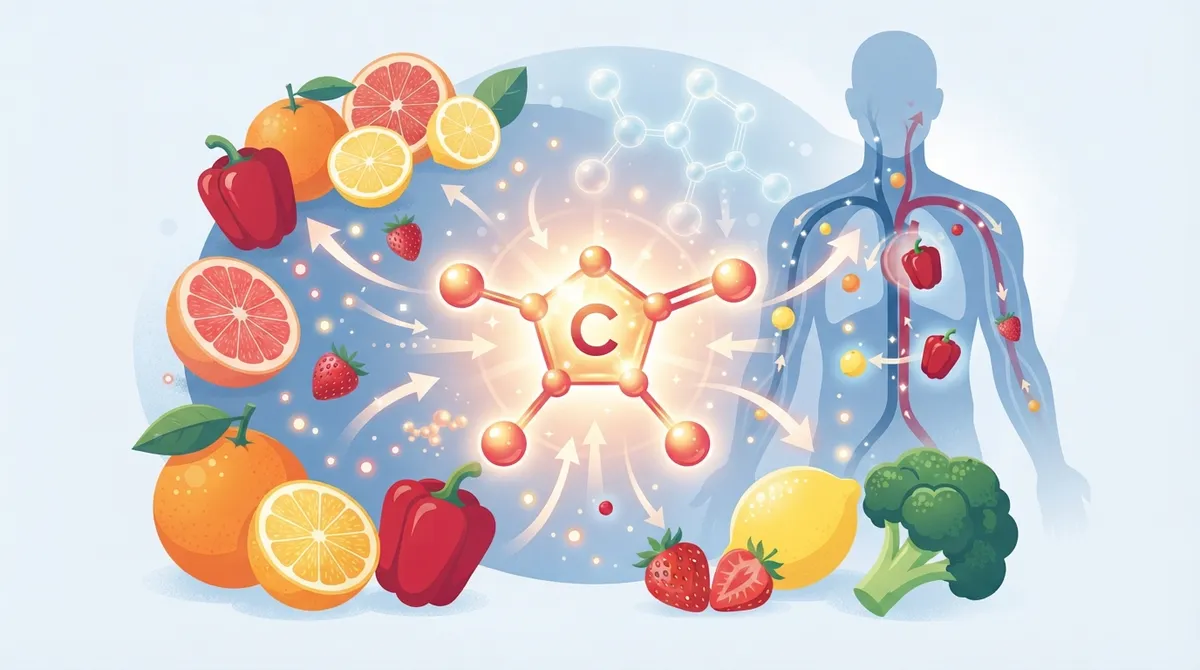
Vitamin C, also called ascorbic acid, is an essential nutrient. Your body cannot make it on its own. You must get it through food or supplements every day.
According to the National Institutes of Health Office of Dietary Supplements (2025), adult men need 90 mg of vitamin C per day, while adult women need 75 mg. People who smoke need an extra 35 mg daily because smoking increases oxidative stress in the body.
How Vitamin C Works in the Body
Vitamin C directly neutralizes certain harmful molecules called reactive oxygen species. It also helps regenerate other antioxidants, including glutathione, once they have been used up. This is one reason the two nutrients often work together rather than against each other.
Good food sources of vitamin C include citrus fruits, bell peppers, strawberries, broccoli, and tomatoes. For most healthy adults, a balanced diet provides enough vitamin C without needing supplements.
Glutathione vs Vitamin C: Key Differences
Understanding how these two antioxidants differ can help you decide which one, if either, deserves a place in your wellness routine. The table below breaks down the main distinctions.
|
Feature |
Glutathione |
Vitamin C |
|---|---|---|
|
Made by the body? |
Yes, naturally produced |
No, must come from diet or supplements |
|
Daily requirement |
Not officially established |
75-90 mg for adults |
|
Main food sources |
Limited direct food sources |
Citrus, peppers, broccoli, berries |
|
Evidence for general wellness |
Limited and inconsistent |
Strong and well-established |
|
Upper safe limit |
Not well defined |
2,000 mg per day from all sources |
|
Common form of use |
Oral supplements or IV therapy |
Food, oral supplements, or IV therapy |
Which One Has Stronger Scientific Support?
Vitamin C has a much stronger evidence base than glutathione for routine use. It is an essential nutrient with clear intake guidelines, known deficiency symptoms, and a well-studied safety profile. Health organizations have decades of research backing its role in immune function and tissue repair.
Glutathione supplementation is different. While some studies show that oral glutathione can raise blood levels, the results vary widely based on dose, formulation, and how well your body absorbs it. There is not enough high-quality evidence to recommend it as a routine wellness supplement for healthy adults.
What the Research Says About Colds and Immunity
Many people take vitamin C hoping to prevent colds. Research summarized by the NIH shows that vitamin C does not reliably prevent the common cold in the general population. However, regular use may modestly shorten how long symptoms last or reduce their severity.
Glutathione has even less evidence for cold prevention or general immune support. Most claims about its benefits come from small studies or animal research rather than large human trials.
Steps to Decide Which Antioxidant Fits Your Needs
Choosing between these two antioxidants should not be a guessing game. Follow these steps to make a smart, informed decision.
- Review your diet first. Most healthy adults get enough vitamin C from food. Check whether you regularly eat citrus fruits, peppers, or leafy greens.
- Consider your risk factors. Smokers, people with limited diets, and those with certain medical conditions may need more vitamin C.
- Talk to a primary care provider. A doctor can evaluate your health history, current medications, and kidney function before recommending any supplement.
- Ask about lab testing. Blood work can sometimes reveal nutrient deficiencies that guide better supplement choices.
- Avoid high-dose products without guidance. Both antioxidants can cause side effects at high doses, especially in people with certain health conditions.
- Reconsider IV therapy claims carefully. IV vitamin C or glutathione should never replace a balanced diet or medical treatment for a diagnosed condition.
Who Should Be Cautious With These Antioxidants?
Not everyone should take high doses of glutathione or vitamin C without medical advice. Certain health conditions and medications can change how your body handles these substances.
- People with kidney disease or a history of kidney stones should be cautious with high-dose vitamin C.
- Those with hemochromatosis, a condition causing iron overload, may face increased risk because vitamin C boosts iron absorption.
- Pregnant or breastfeeding individuals have different nutrient needs and should consult their provider before starting supplements.
- People taking certain medications may experience interactions with high-dose antioxidant supplements.
- Anyone considering IV therapy should have a professional evaluate their overall health first.
Safety Considerations for Both Antioxidants
Safety should always come first when considering any supplement. Here is what current research tells us about potential side effects.
|
Antioxidant |
Common Side Effects |
Who Should Use Caution |
|---|---|---|
|
Vitamin C (high dose) |
Diarrhea, nausea, stomach cramping |
People with kidney disease, hemochromatosis, or stone risk |
|
Glutathione (oral or IV) |
Mild gastrointestinal discomfort |
Those with unknown product quality or unclear dosing |
Pregnancy and lactation also change how much vitamin C your body needs. The NIH reports that pregnant adults need about 85 mg per day, while those breastfeeding need around 120 mg daily. These numbers highlight why individualized guidance matters more than following generic wellness trends.
Oral Supplements vs IV Therapy: What Is the Difference?
Many people confuse oral supplements with IV treatments, but they work very differently in the body. Oral glutathione and vitamin C pass through your digestive system, which limits how much actually reaches your bloodstream. IV therapy delivers nutrients directly into your veins, bypassing digestion entirely.
This does not mean IV therapy is automatically better for everyone. It is an invasive procedure that carries its own risks and should only be used when clinically appropriate. A qualified provider can help determine whether IV hydration and vitamin drips make sense for your specific situation, rather than treating them as a universal wellness fix.
Questions to Ask Before Trying IV Antioxidant Therapy
Before booking an IV session, consider asking your provider these important questions.
- What is the specific health goal this treatment is meant to address?
- Are there safer, less invasive options that could achieve the same result?
- What are the potential risks or side effects for someone with my health history?
- How does this fit into my broader primary care plan?
- Will this interact with any medications I currently take?
Building a Foundation With Primary Care
Antioxidant supplements should never replace the basics of good health. Sleep, a nutrient-dense diet, regular exercise, and routine preventive care remain the foundation of long-term wellness. A trusted primary care provider can help you build a plan that addresses your actual needs rather than chasing trends.
At InCare, our team combines advanced technology with personalized medical expertise to help patients make informed decisions about supplements, nutrition, and overall wellness. Our providers take time to review your health history and current medications before recommending any treatment, whether that involves antioxidant support or a broader wellness plan involving body composition analysis or medical weight loss programs.
Why Individualized Care Matters
No single supplement works the same way for everyone. Your age, medical history, current medications, and lifestyle all affect how your body responds to glutathione or vitamin C. This is why a one-size-fits-all approach rarely works well in wellness care.
A thorough evaluation should look at several factors before recommending any antioxidant therapy.
- Your current diet and typical nutrient intake
- Any existing health conditions, especially kidney or liver issues
- Current medications and possible interactions
- Pregnancy or breastfeeding status
- Specific health goals, such as skin health, energy, or immune support
Patients in Tampa and Riverview who want a science-based approach to wellness can find guidance through InCare's clinic locations, where providers combine lab testing with personalized recommendations rather than generic supplement advice.
Common Myths About Glutathione and Vitamin C
Wellness trends often exaggerate what these antioxidants can do. Here are some common myths worth clearing up.
- Myth: Glutathione cures chronic disease. Current evidence does not support this claim for most conditions.
- Myth: More vitamin C always means better immunity. Excess vitamin C is simply excreted by the body and does not provide added benefit beyond a certain point.
- Myth: IV therapy is always superior to oral supplements. IV treatment carries its own risks and is not automatically more effective for general wellness.
- Myth: Natural means automatically safe. Even naturally occurring substances like glutathione can cause side effects at high doses or with poor-quality products.
Staying informed helps you avoid wasting money on treatments that lack solid scientific backing. Following trusted wellness accounts, including InCare's Facebook and Instagram pages, can help you separate fact from marketing hype. You can also find quick wellness tips on TikTok.
How InCare Supports Your Wellness Goals
InCare combines primary care, urgent care, and advanced wellness services under one roof in Tampa and Riverview, Florida. Our team focuses on prevention and whole-body optimization, using tools like metabolic breath analysis and DNA gene testing to build truly personalized care plans.
Patients consistently rate our clinics highly, and you can visit us on Google — InCare to read real reviews from people who have experienced our approach to comprehensive care. Whether you need guidance on antioxidant supplements or a full wellness evaluation, our providers are ready to help.
Making the Right Choice for Your Health
Glutathione and vitamin C are both valuable antioxidants, but they are not interchangeable. Vitamin C has stronger, more established evidence for daily use, clear dosing guidelines, and a well-known safety profile. Glutathione plays an important role in your body's natural defenses, but supplement research remains limited and inconsistent.
The best approach is not to pick a trendy supplement based on social media claims. Instead, work with a primary care provider who can evaluate your specific health needs, review your diet, and recommend evidence-based options. This ensures you invest your time and money wisely while protecting your long-term health.
Ready to get personalized guidance on antioxidants, nutrition, and whole-body wellness? Book Now to schedule a visit with InCare's experienced team in Tampa or Riverview, and take the next step toward a health plan built specifically for you.
FAQs
Q: Is glutathione better than vitamin C for immunity?
A: Vitamin C has much stronger scientific evidence supporting immune health and daily nutritional needs. Glutathione may play a role in cellular defense, but current research does not support it as a superior immune booster compared to vitamin C for healthy adults.
Q: Can you take glutathione and vitamin C together?
A: Many people take both, and vitamin C may actually help regenerate glutathione once it has been used by the body. However, you should discuss combined use with a primary care provider, especially if you take other medications or have existing health conditions.
Q: Which is better for skin health: glutathione or vitamin C?
A: Both antioxidants are often marketed for skin benefits, but vitamin C has more established research supporting collagen production and skin repair. Glutathione's effects on skin remain less studied, and results vary based on formulation and individual response.
Q: Does oral glutathione work, or is IV glutathione more effective?
A: Oral glutathione may raise blood levels in some studies, but absorption varies widely depending on formulation and dose. IV glutathione bypasses digestion, but it is an invasive treatment that should only be used with professional medical guidance rather than as a routine wellness choice.
Q: What are the side effects and risks of high-dose vitamin C?
A: High doses above the 2,000 mg upper limit can cause diarrhea, nausea, and stomach cramping. People with kidney disease, kidney stone risk, or hemochromatosis should use extra caution since vitamin C can increase iron absorption and strain kidney function.