
Key Takeaways
- CJC-1295 stacked with Ipamorelin is the most common and discussed pairing because they work through different pathways (GHRH and ghrelin receptor), potentially creating a stronger combined growth hormone response than either peptide alone.
- Avoid stacking peptides that work through the same pathway, such as combining two GHRH analogs or two GHRPs together, as this increases side effects without providing additional benefits and requires careful physician guidance.
- All peptide stacking should include baseline lab testing, conservative dosing, and close monitoring through follow-up visits—never order peptides from unregulated online sources due to risks of contamination and incorrect dosing.
- Other CJC-1295 combinations like CJC-1295 + BPC-157 for tissue repair or CJC-1295 + NAD+ for anti-aging exist, but are less standardized and require personalized evaluation based on individual health history and specific wellness goals.
Peptide therapy has become one of the most talked-about topics in wellness care today. Many patients ask their providers about pairing peptides for better results. One question comes up again and again: what is the smartest way to combine CJC-1295 with other peptides? This guide breaks down the most common CJC-1295 stack combinations, explains why clinics discuss them, and shows what patients should know before starting any protocol.
CJC-1295 is often paired with other peptides to support goals like better sleep, faster recovery, and improved body composition. But not every combination is equal, and not every stack is backed by strong research. This article explains the science in simple terms so you can have an informed conversation with your provider. If you live in Tampa or Riverview, Florida, and want to explore peptide therapy safely, InCare's peptide therapy program offers physician-guided care built around your specific health goals.

What Is CJC-1295 and Why Do People Stack It?
CJC-1295 is a peptide known as a growth-hormone-releasing hormone (GHRH) analog. It signals your pituitary gland to release more growth hormone. On its own, it can support recovery, lean muscle, and sleep quality. But many wellness clinics pair it with other peptides to boost these effects further.
Stacking means using two or more peptides together, each working on a different pathway. The idea is that combining peptides may create a stronger, more balanced effect than using just one. This approach is common in wellness and longevity medicine, though it should always happen under the eye of a trained provider.
The Science Behind Peptide Pathways
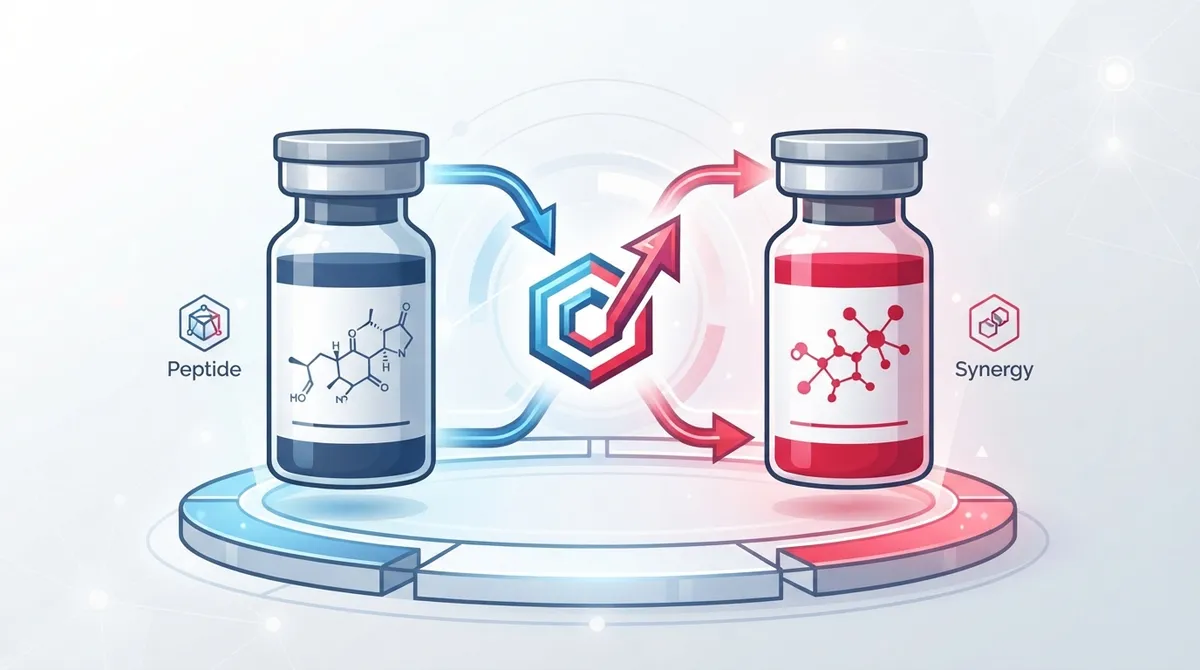
CJC-1295 works through the GHRH pathway. Other peptides, like Ipamorelin, work through a different pathway called the ghrelin receptor. Because these two pathways are different, using them together may create a fuller, more natural growth hormone response. This is the main reason CJC-1295 is so often paired with Ipamorelin in wellness clinics.
The Most Common CJC-1295 Stack Combination
Across peptide and wellness clinic guides, one stack stands out as the most frequently discussed: CJC-1295 combined with Ipamorelin. This pairing is often called the standard growth hormone support stack. Ipamorelin is classified as a growth hormone releasing peptide (GHRP), while CJC-1295 is a GHRH analog. Because they act on separate receptors, many clinicians view this combination as complementary rather than redundant.
Some clinic protocols describe doses such as 200 micrograms of CJC-1295 (without DAC) paired with 200 micrograms of Ipamorelin. However, this is just one example protocol, not a universal formula. Every patient's plan should be personalized based on health history, lab results, and wellness goals.
Why This Pairing Is Popular
- The two peptides work through different biological pathways, which may support a stronger combined effect.
- Clinic guides often describe this stack as producing a growth hormone pulse that is several times larger than either peptide alone, though this figure should be viewed cautiously since it is not confirmed by large clinical trials.
- Both peptides are generally well tolerated when used under medical supervision.
- The combination is widely referenced across current wellness-clinic protocols as a starting point for GH-focused programs.
- Dosing schedules often follow the body's natural hormone rhythms, such as morning or bedtime administration.
Other CJC-1295 Stack Combinations Worth Knowing
While CJC-1295 plus Ipamorelin is the most discussed pairing, some wellness programs explore other combinations depending on a patient's goals. These are less standardized, so it's important to review them with a knowledgeable provider.
- CJC-1295 + BPC-157: Often mentioned for tissue repair and recovery support, especially for active patients or those healing from injury.
- CJC-1295 + NAD+: Sometimes included in broader metabolic and anti-aging wellness plans.
- CJC-1295 + Semaglutide: Occasionally discussed in weight management programs, though this pairing needs careful physician oversight due to differing mechanisms and goals.
- CJC-1295 with DAC vs. without DAC: The DAC version has a longer half-life, meaning less frequent dosing, while the non-DAC version is shorter-acting and often paired more closely with GHRPs like Ipamorelin.
Combinations to Approach With Caution
Not every peptide combination makes sense. Some sources warn against stacking two peptides that work through the same pathway, such as pairing two GHRH analogs or two GHRPs together. Doing so may increase side effects without adding real benefit. This is why professional guidance matters so much when building a peptide plan.
Comparing Common CJC-1295 Stack Combinations
|
Stack Combination |
Primary Goal |
Mechanism Overlap |
Common Use Case |
|---|---|---|---|
|
CJC-1295 + Ipamorelin |
Growth hormone support, sleep, recovery |
No overlap (GHRH + GHRP) |
Standard wellness protocol |
|
CJC-1295 + BPC-157 |
Tissue repair, recovery |
No overlap |
Injury recovery support |
|
CJC-1295 + NAD+ |
Cellular energy, anti-aging |
No overlap |
Metabolic wellness programs |
|
CJC-1295 + another GHRH analog |
Not typically recommended |
Full overlap |
Generally avoided in clinical guidance |
Steps to Approach Peptide Stacking Safely
If you are considering a peptide stack, it helps to follow a clear, careful process. Below is a simple outline many wellness clinics use when evaluating new patients for peptide therapy.
- Complete a full health history review, including current medications and medical conditions.
- Discuss your specific wellness goals, such as recovery, sleep, or body composition.
- Undergo baseline lab testing to check hormone levels and overall health markers.
- Review possible peptide combinations with your provider, including risks and expected outcomes.
- Start with a conservative dose and monitor your response closely.
- Schedule follow-up visits to adjust the plan based on how your body responds.
At InCare, this process is built into every peptide therapy consultation. Providers like Dr. Pramjeet Ahluwalia and the broader InCare provider team take time to review your health background before recommending any peptide protocol.
What Wellness Goals Do CJC-1295 Stacks Typically Support?
Clinics often market CJC-1295 stacks around several wellness themes. It's important to understand that most of these outcomes come from clinical experience and patient reports, not large-scale medical trials. Still, they represent common reasons patients ask about this therapy.
- Better sleep quality and deeper rest cycles
- Support for lean muscle mass and body composition
- Faster recovery after exercise or minor injury
- General anti-aging and cellular wellness support
- Improved energy levels throughout the day
Patients interested in tracking these changes over time may also benefit from body composition analysis, which uses 3D imaging to measure real progress rather than relying on guesswork.
Why Medical Supervision Matters
Peptide stacking is generally considered an off-label wellness strategy. It is not a first-line medical treatment, and results can vary widely between patients. A qualified provider can help you understand realistic expectations, monitor for side effects, and adjust your plan safely over time. This is very different from ordering peptides online without any guidance, which carries real risks including contamination and incorrect dosing.
Frequently Discussed Concerns About Peptide Stacking
Patients often want to know about safety before starting any peptide program. Below are some of the most common concerns raised in clinical settings.
- Side effects: Injection site reactions, headache, and water retention are commonly reported with GH-supporting peptides.
- Sourcing quality: Peptides should only come from a licensed medical provider, never from unregulated online sellers.
- Individual variation: Age, hormone levels, and overall health can all affect how a person responds to a stack.
- Interaction risk: Combining peptides with certain medications requires careful review by a physician.
- Realistic timelines: Most wellness effects take weeks to become noticeable, not days.
For patients managing broader health concerns, working with a primary care provider ensures peptide therapy fits safely into your full health picture. Learn more about InCare's primary care services and how they connect with advanced wellness programs.
How InCare Approaches Peptide Wellness Programs
InCare combines medical expertise with modern technology to build personalized wellness plans. This includes reviewing DNA and gene testing results, metabolic breath analysis, and body composition data before recommending any peptide protocol. This whole-body approach helps ensure that any CJC-1295 stack combination fits your unique biology rather than a one-size-fits-all template.
Patients across Tampa and Riverview trust InCare for this personalized, data-driven approach. You can see what patients say about their experience by visiting InCare on social platforms like Facebook, Instagram, and TikTok, or by checking InCare's reviews on Google, where the clinic holds a strong reputation for attentive, physician-led care.
Building a Plan That Fits Your Life
Every patient's wellness journey looks different. Some are focused on recovery after intense training. Others want support for healthy aging or better sleep. A good wellness provider listens first, then builds a plan around your goals, not a generic template. This is especially true for peptide therapy, where personalization directly affects both safety and results.
Final Thoughts on CJC-1295 Stack Combinations
CJC-1295 stack combinations, especially when paired with Ipamorelin, remain one of the most discussed topics in modern wellness care. While the science behind individual peptides continues to grow, the specific combinations themselves are often built on clinical experience rather than large-scale studies. That makes medical guidance essential for anyone considering this path.
If you want to explore whether a CJC-1295 stack fits your wellness goals, the team at InCare is ready to help you build a safe, personalized plan. Book your peptide therapy consultation today and take the next step toward informed, physician-guided wellness care.
FAQs
Q: What is the best CJC-1295 stack combination for wellness goals?
A: The most commonly discussed stack is CJC-1295 paired with Ipamorelin. These peptides work through different pathways, which may support a stronger combined effect on growth hormone release, sleep, and recovery. The best combination for you depends on your health history and goals, so a personalized consultation is important.
Q: Is CJC-1295 usually stacked with Ipamorelin or BPC-157?
A: CJC-1295 is most often stacked with Ipamorelin as the standard growth hormone support pairing. BPC-157 is sometimes added separately for tissue repair and recovery goals, but it is considered a less standardized addition compared to the CJC-1295 and Ipamorelin combination.
Q: What does CJC-1295 do when combined with Ipamorelin?
A: CJC-1295 signals the pituitary gland through the GHRH pathway, while Ipamorelin works through the ghrelin receptor pathway. Together, they may produce a more complete growth hormone response than either peptide alone, though individual results vary widely.
Q: Are there any risks or side effects of peptide stacking with CJC-1295?
A: Possible side effects include injection site irritation, headache, and water retention. Combining peptides with the same mechanism, such as two GHRH analogs, may increase side effects without added benefit, which is why medical supervision is essential.
Q: Can CJC-1295 be combined with semaglutide or NAD+?
A: Some wellness programs discuss pairing CJC-1295 with NAD+ or semaglutide for broader metabolic and anti-aging goals. These combinations require careful physician oversight since they involve different biological systems and should be tailored to each patient's health profile.