
Key Takeaways
- Your body naturally produces glutathione from three amino acids (cysteine, glycine, glutamate), so focus on lifestyle factors like adequate protein intake, sulfur-rich vegetables (broccoli, garlic, onions), quality sleep, exercise, and quitting smoking rather than supplements.
- Oral glutathione supplements showed only modest short-term increases (30-35%) in one small study, with no proven long-term benefits for disease prevention, immunity, or performance—making lifestyle changes more evidence-based than supplementation.
- Unregulated IV glutathione therapy carries documented risks including allergic reactions, liver injury, and kidney damage; only consider medically supervised IV treatments administered by licensed providers with standardized dosing and medical review.
- Foods containing glutathione (spinach, asparagus, avocado, mushrooms, legumes) vary widely in glutathione content depending on freshness, variety, and cooking method—making direct food sources unreliable for consistent intake.
- Marketing claims that glutathione detoxifies, treats cancer, reverses aging, or lightens skin lack high-quality clinical evidence; consult your primary care provider to distinguish between biochemical plausibility and proven patient outcomes.
- Chronic stress, poor sleep, untreated inflammation, excess sugar, and environmental toxins deplete antioxidant reserves more significantly than most people realize—addressing these root causes often matters more than any single supplement.
Your body makes its own antioxidant, and it does not need a fancy label to work. Natural glutathione is produced inside nearly every cell you have, quietly protecting you from daily wear and tear. If you are curious about supporting this process safely, you are asking the right question at the right time. Many people in Tampa and Riverview are turning away from trendy quick fixes and looking for real, science-backed ways to support their health from the inside out.
This guide breaks down what natural glutathione actually is, how your body makes it, and what habits and foods may help support healthy levels. We will also cover supplements, IV therapy, and the questions you should ask before trying either one. Whether you are managing a busy family schedule, chasing peak performance, or simply want to feel better day to day, understanding this antioxidant can help you make smarter wellness choices.
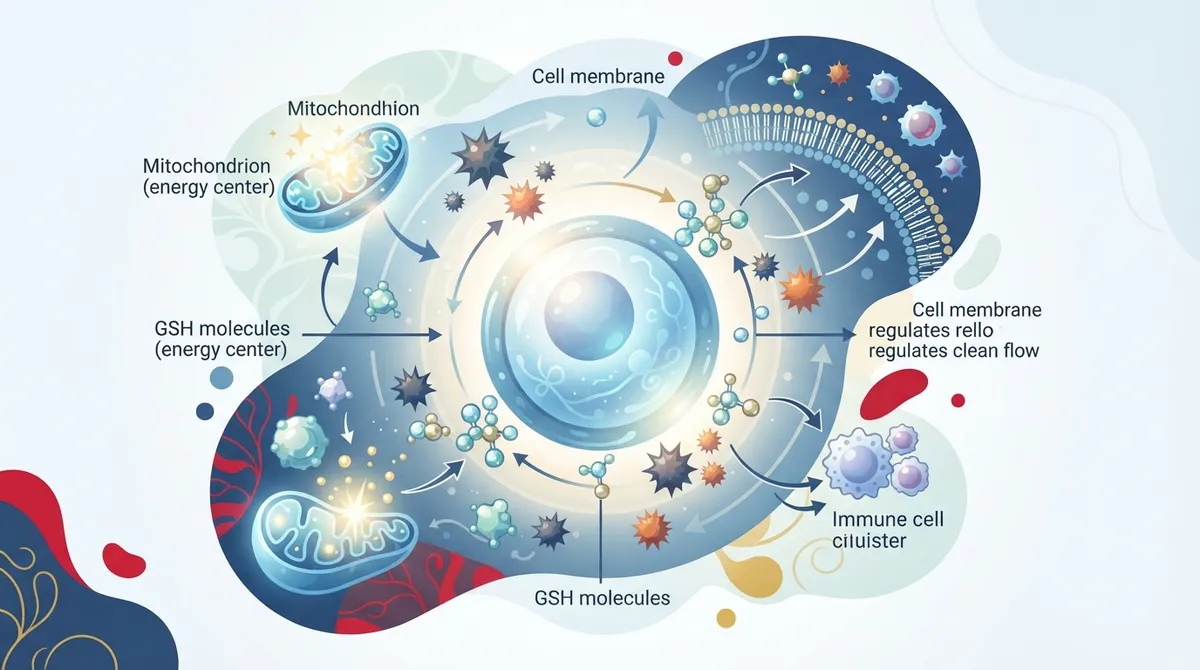
What Is Natural Glutathione and Why Does It Matter
Glutathione (GSH) is an antioxidant your body builds using three amino acids: cysteine, glycine, and glutamate. It exists in almost every cell in your body. Its main job is fighting oxidative stress, which is the cellular damage caused by unstable molecules called free radicals.
This antioxidant also helps your body process certain drugs and compounds. Think of it as part of your body's internal cleanup crew, working around the clock without you noticing. When your glutathione levels are healthy, your cells are better equipped to handle stress, aging, and everyday toxins.
Several factors affect how much glutathione your body produces naturally, including:
- Overall diet and protein intake
- Age (levels tend to drop as you get older)
- Illness, infection, and chronic inflammation
- Alcohol use and smoking
- Exposure to environmental toxins and pollution
- Sleep quality and stress levels
Because so many lifestyle factors play a role, primary care providers often look at the bigger picture rather than focusing on one supplement alone. A wellness visit is a great place to start if you want a full picture of your health, including factors that influence your natural antioxidant defenses.
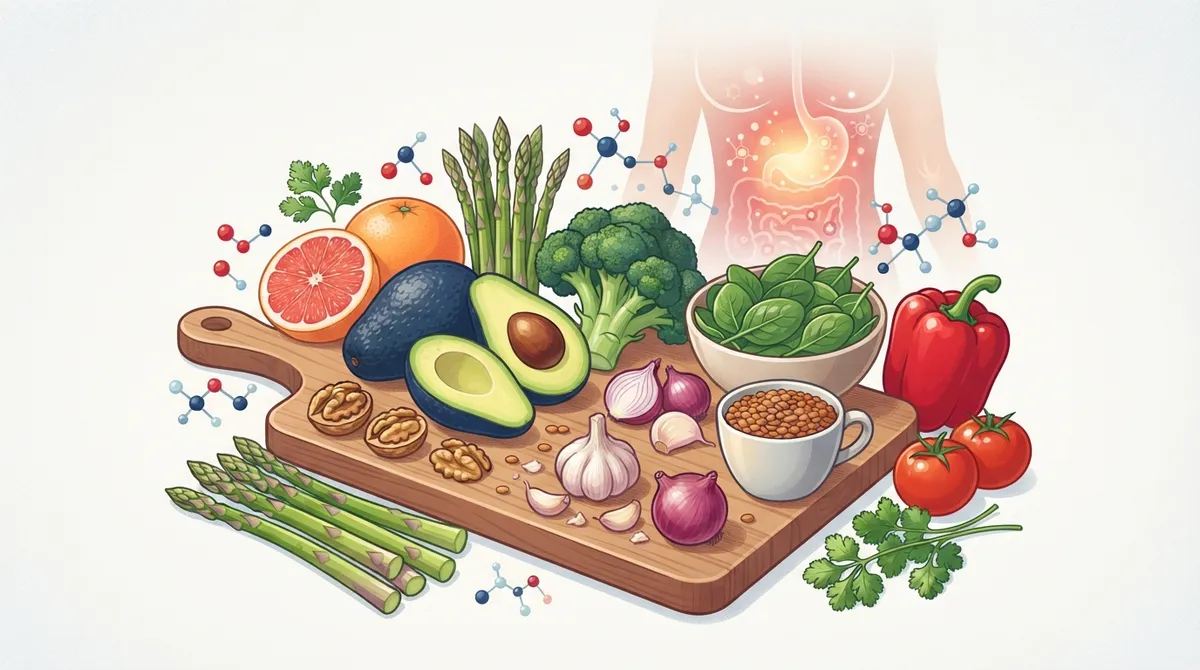
Foods That Support Natural Glutathione Production
You cannot always eat glutathione directly and expect your body to absorb much of it, since digestion breaks proteins down before they reach your cells. However, certain foods give your body the raw materials and support it needs to make more glutathione on its own.
Sulfur-Rich Foods for Building Blocks
Sulfur compounds help your body produce the amino acids used to build glutathione. Good choices include:
- Broccoli, cauliflower, and other cruciferous vegetables
- Garlic and onions
- Brussels sprouts and cabbage
One small pilot study found that eating 250 grams of steamed broccoli increased activity of a glutathione-related enzyme in a group of male smokers. That is a promising sign, but it measures an enzyme response, not proof that broccoli prevents disease on its own.
Protein Sources That Provide Amino Acids
Since glutathione is built from amino acids, adequate protein intake matters. Helpful options include:
- Eggs
- Fish and lean meats
- Dairy products
- Whey protein
- Legumes and beans
- Nuts and seeds
Foods That Naturally Contain Glutathione
Some fruits and vegetables contain glutathione directly, though the amount varies a lot depending on freshness, variety, and how you cook them. Reported sources include spinach, asparagus, avocado, mushrooms, potatoes, tomatoes, and strawberries.
|
Food |
Approximate Glutathione (mg per 100g) |
|---|---|
|
Spinach |
9.62 - 28.90 |
|
Asparagus |
10.73 - 21.80 |
|
Avocado |
10.42 - 20.60 |
|
Legumes (various) |
15 - 37 |
|
Dried mushrooms |
11 - 241 |
Notice the wide range in these numbers. Storage, cooking method, and even the specific variety of the food can change how much glutathione it actually contains.
Lifestyle Habits That Support Healthy Glutathione Levels
Diet is only one piece of the puzzle. Several everyday habits play a bigger role in supporting your body's natural antioxidant defenses than most people realize.
- Quit smoking. Tobacco smoke creates significant oxidative stress and depletes antioxidant reserves over time.
- Limit alcohol intake. Heavy alcohol use is linked to lower glutathione levels and liver strain.
- Exercise regularly. Moderate physical activity supports overall antioxidant balance in the body.
- Prioritize sleep. Poor sleep is tied to increased inflammation and oxidative stress.
- Manage chronic conditions. Untreated illness and ongoing inflammation can drain your natural antioxidant stores.
- Eat a balanced, protein-adequate diet. This gives your body the tools it needs to keep producing glutathione on its own.
These habits are far more firmly supported by research than most glutathione supplements. If you are managing a chronic condition and wondering how it affects your overall wellness, a conversation with your provider about how primary doctors help manage chronic illnesses can be a helpful next step.
Do Glutathione Supplements Actually Work
This is one of the most common questions people ask, and the honest answer is: it depends on what you are hoping to achieve. Some small studies show modest, short-term increases in glutathione measures after supplementation.
One 2015 clinical trial involving 54 healthy adults found daily supplementation raised glutathione levels by about 30 to 35 percent in plasma and blood cells. That sounds impressive, but the study was small and short in duration. It does not prove long-term benefits for disease prevention, immunity, or athletic performance.
Common Supplement Forms
|
Form |
What to Know |
|---|---|
|
Oral capsules/tablets |
Most studies use 250-1,000 mg daily; absorption may be limited |
|
Liposomal glutathione |
Marketed as better absorbed, but strong comparative human evidence is limited |
|
NAC (N-acetylcysteine) |
A precursor sometimes discussed in primary care; not interchangeable with glutathione itself |
|
IV glutathione |
Not a routine wellness treatment; carries documented safety concerns |
Mild stomach upset is the most commonly reported side effect in short-term studies. Serious complications appear uncommon in these limited trials, but long-term safety data remains incomplete.
Is IV Glutathione Therapy Safe
Intravenous glutathione has become trendy in some wellness circles, but it deserves a cautious look. Reports and clinical reviews have raised concerns about severe allergic reactions, liver injury, and kidney damage, especially with compounded products administered without medical oversight.
This does not mean all IV therapy is risky. Standardized, medically supervised IV treatments for hydration and vitamin support, like the options available through IV hydration and vitamin drips, are different from unregulated glutathione injections sold without proper dosing protocols. The key difference is medical oversight, standardized dosing, and a provider who reviews your health history first.
If you are considering any IV therapy, ask these three questions first:
- Who is administering the treatment, and are they medically licensed?
- What is the exact formulation and dose being used?
- Has my provider reviewed my medical history for potential interactions?
Separating Fact From Marketing Claims
Wellness marketing sometimes overstates what glutathione can do. Claims that it detoxifies the body, treats cancer, reverses aging, or safely lightens skin are not backed by high-quality clinical evidence.
A 2025 review of glutathione for skin depigmentation found some studies suggesting reduced melanin or hyperpigmentation, but sample sizes were small and formulations varied widely. The review called for larger, better-controlled trials before drawing firm conclusions.
This is why a trusted primary care relationship matters so much. A knowledgeable provider can help you separate biochemical plausibility, meaning something sounds scientifically reasonable, from proven patient outcomes backed by solid research.
Who Should Talk to a Doctor Before Trying Glutathione Supplements
Not everyone needs to rush out and buy a supplement. In fact, some people should approach this topic with extra caution and professional guidance. Consider talking to your provider first if you:
- Take prescription medications that could interact with supplements
- Have liver or kidney conditions
- Are pregnant or breastfeeding
- Have a history of allergic reactions to supplements or IV treatments
- Are considering high-dose or long-term supplementation
It is also worth noting that selenium, sometimes marketed alongside antioxidant support products, has a tolerable upper intake level of 400 micrograms per day for adults according to the National Institutes of Health. Excess selenium can cause toxicity, so more is not always better when it comes to antioxidant-related supplements.
How InCare Approaches Whole-Body Wellness
At InCare, the goal is never to chase a single trendy supplement. Instead, the focus is on comprehensive, evidence-based care that looks at your whole health picture. This includes nutrition guidance, chronic condition management, and advanced tools like DNA gene testing and body composition analysis to help you understand your unique biology.
Patients across Tampa and Riverview trust InCare for straightforward, honest guidance rather than one-size-fits-all wellness trends. You can visit us on Google — InCare to see what real patients are saying about their experience with our providers, including feedback about the friendly staff and personalized attention that sets the clinic apart.
InCare also stays active on social media, where the team shares practical health tips and updates. You can follow along on Facebook, check out wellness content on Instagram, or catch quick health tips on Tik Tok.
Building a Realistic Plan With Your Provider
If you want to support your body's natural antioxidant systems, here is a simple, realistic approach to discuss at your next visit:
- Get a baseline understanding of your overall health through a primary care checkup.
- Review your diet with a focus on protein adequacy and sulfur-rich vegetables.
- Address lifestyle factors like sleep, alcohol use, and smoking honestly with your provider.
- Ask about relevant screenings, including cancer screenings, since oxidative stress and disease risk are connected topics worth discussing.
- Discuss whether a supplement or precursor like NAC makes sense for your specific situation.
- Avoid unregulated IV glutathione clinics that skip proper medical evaluation.
This step-by-step approach is far more likely to produce meaningful, lasting results than jumping straight to a trendy supplement or injection.
Frequently Overlooked Factors in Antioxidant Health
Many people focus so much on supplements that they overlook simpler, more impactful changes. Consider these often-missed factors:
- Chronic stress increases oxidative burden on the body
- Poor sleep quality reduces the body's natural repair processes
- Untreated inflammation from conditions like gum disease or allergies can add up
- Excess sugar intake contributes to oxidative stress over time
- Environmental exposures, including pollution and certain chemicals, matter more than people realize
Addressing these root causes often does more for your overall antioxidant balance than any single supplement ever could.
Take the Next Step Toward Whole-Body Wellness
Understanding natural glutathione is just one piece of a much bigger wellness puzzle. Real, lasting health comes from a combination of good nutrition, healthy habits, and a trusted medical team who knows your history and goals. Rather than guessing which supplement might help, it makes sense to get personalized guidance from a provider who can look at your complete health picture.
If you are ready to talk about your antioxidant health, chronic disease prevention, or overall wellness goals, our team is here to help. Reach out to our team today to schedule a conversation, or go ahead and book your appointment now to start building a wellness plan that actually fits your life.
FAQs
Q: What is natural glutathione and how does it work in the body?
A: Natural glutathione is an antioxidant your body produces using three amino acids: cysteine, glycine, and glutamate. It helps manage oxidative stress, supports cellular balance, and assists in processing certain drugs and compounds throughout your body.
Q: Which foods naturally contain or support glutathione?
A: Spinach, asparagus, avocado, mushrooms, and legumes contain glutathione directly, though amounts vary widely. Sulfur-rich foods like broccoli, garlic, and onions, along with adequate protein intake, help your body produce more glutathione on its own.
Q: Do oral glutathione supplements actually work?
A: Some small studies show short-term increases in glutathione levels after oral supplementation, with one trial reporting 30 to 35 percent increases in healthy adults. However, evidence does not yet confirm meaningful long-term benefits for disease prevention or performance.
Q: Are glutathione IV drips safe?
A: IV glutathione is not a routine wellness treatment and carries documented risks, including allergic reactions, liver injury, and kidney damage, particularly with unregulated compounded products. Any IV therapy should be administered under proper medical supervision with standardized dosing.
Q: Who should talk to a doctor before trying glutathione supplements?
A: Anyone taking prescription medications, managing liver or kidney conditions, pregnant or breastfeeding, or considering high-dose supplementation should consult a provider first. A primary care visit helps ensure supplements are appropriate and safe for your specific health situation.