Key Takeaways
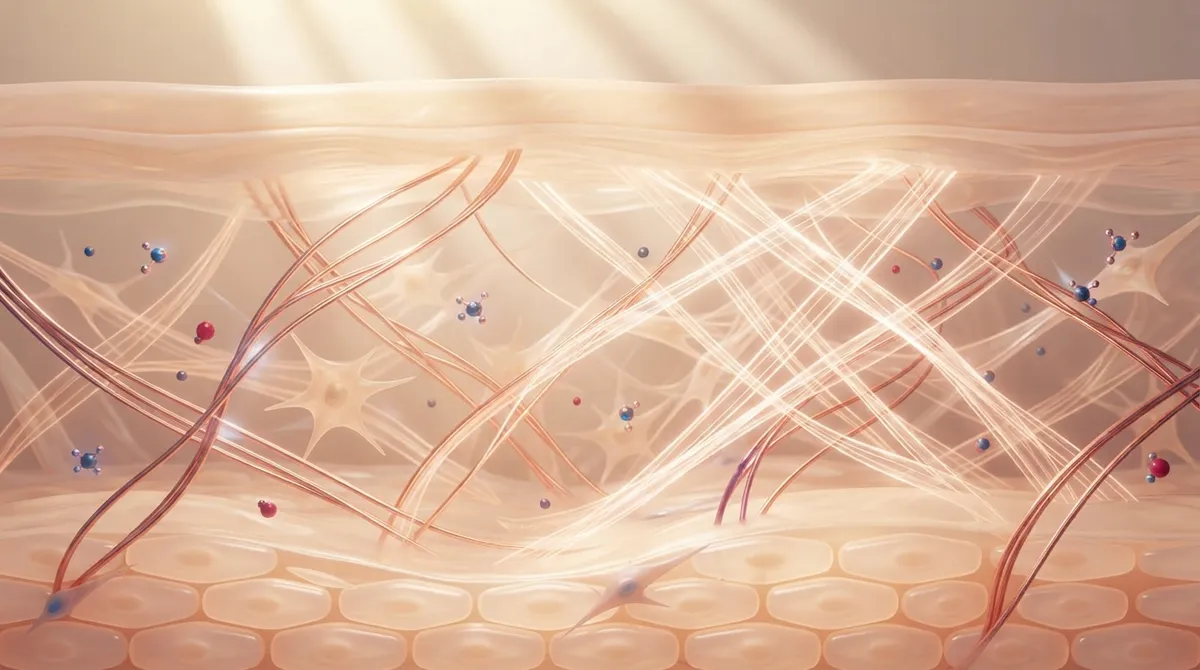
- GHK-Cu is a naturally occurring copper peptide that signals fibroblasts to produce more collagen and elastin, with lab studies showing measurable effects at very low concentrations and one study reporting 70% of women experienced collagen improvement.
- Combining GHK-Cu with low-molecular-weight hyaluronic acid increased collagen IV synthesis by 25.4 times in cell tests and 2.03 times in ex-vivo skin tests, outperforming vitamin C (50%) and retinoic acid (40%) in stimulating collagen production.
- Use GHK-Cu topically for at least 4-8 weeks consistently before expecting results, starting with a patch test, and always pair with daily sunscreen since UV exposure breaks down collagen faster than any other factor.
- GHK-Cu is best suited for adults with early fine lines, those recovering from skin procedures, and individuals seeking prevention-focused care, but should not replace medical evaluation for diagnosed skin conditions.
- While laboratory evidence is strong and small human studies show promise, GHK-Cu lacks large-scale clinical trials; consult a healthcare provider before starting, especially if you have copper sensitivities or existing skin conditions.
- GHK-Cu works alongside broader wellness strategies addressing nutritional gaps, hormonal changes, and overall tissue health rather than as an isolated solution for collagen production.
Skin that looks tired, thin, or lined often points to one thing: slowing collagen production. As we age, our bodies make less of this key protein, and many people turn to serums, supplements, and wellness clinics looking for answers. One ingredient getting real attention right now is GHK-Cu, a copper peptide studied for its ability to support skin repair and stimulate collagen at the cellular level.
If you are a busy professional in Tampa juggling work and family, or someone exploring proactive wellness options for the first time, understanding how GHK-Cu works can help you make smarter choices about your skin and overall health. This guide breaks down the science behind GHK-Cu collagen production, what the research actually shows, and how it fits into a broader primary care and wellness plan. We will also cover safety, realistic expectations, and how a personalized approach at a clinic like InCare can help you separate hype from evidence.
What Is GHK-Cu and Why Does It Matter for Collagen?
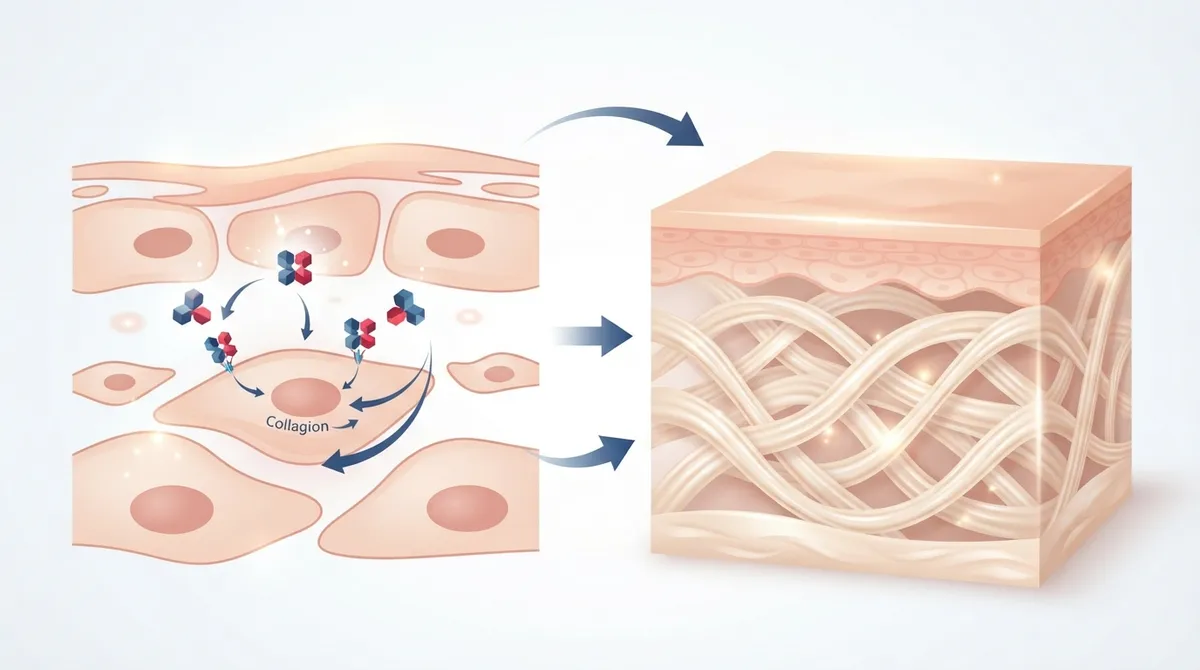
GHK-Cu is a small copper-binding peptide that occurs naturally in the human body. Levels of this peptide tend to drop as people age, which may partly explain why skin becomes thinner and less elastic over time. Researchers have studied GHK-Cu for decades because of its role in tissue repair and its ability to interact with skin cells called fibroblasts.
Fibroblasts are the cells responsible for making collagen and elastin, the proteins that keep skin firm and flexible. When GHK-Cu binds to these cells, it appears to send signals that encourage them to produce more of these structural proteins. This is why GHK-Cu has become a popular ingredient in topical skincare and a topic of interest in wellness circles focused on healthy aging.
The Science Behind Collagen Stimulation
Laboratory studies using human dermal fibroblasts have shown some compelling results. Here is what the research has found so far:
- GHK-Cu increased collagen and elastin production in fibroblast cultures at very low concentrations, including 0.01, 1, and 100 nanomolar doses.
- The collagen-stimulating effect reportedly begins around 10^-12 M and peaks near 10^-9 M, according to reviewed research summaries.
- A 2018 review found that topical GHK-Cu can activate collagen-related pathways involved in wound healing and tissue remodeling.
- A 2023 study found that combining GHK-Cu with low-molecular-weight hyaluronic acid increased collagen IV synthesis by 25.4 times in cell tests and 2.03 times in ex-vivo skin tests.
- A 2015 review noted measurable collagen changes after just one month of topical use in thigh-skin biopsy studies.
These findings suggest that GHK-Cu has a real, measurable effect on collagen at the cellular level. However, most of this evidence comes from lab and small-scale human studies, not large clinical trials. That distinction matters when setting realistic expectations.
How GHK-Cu Compares to Other Collagen-Boosting Ingredients
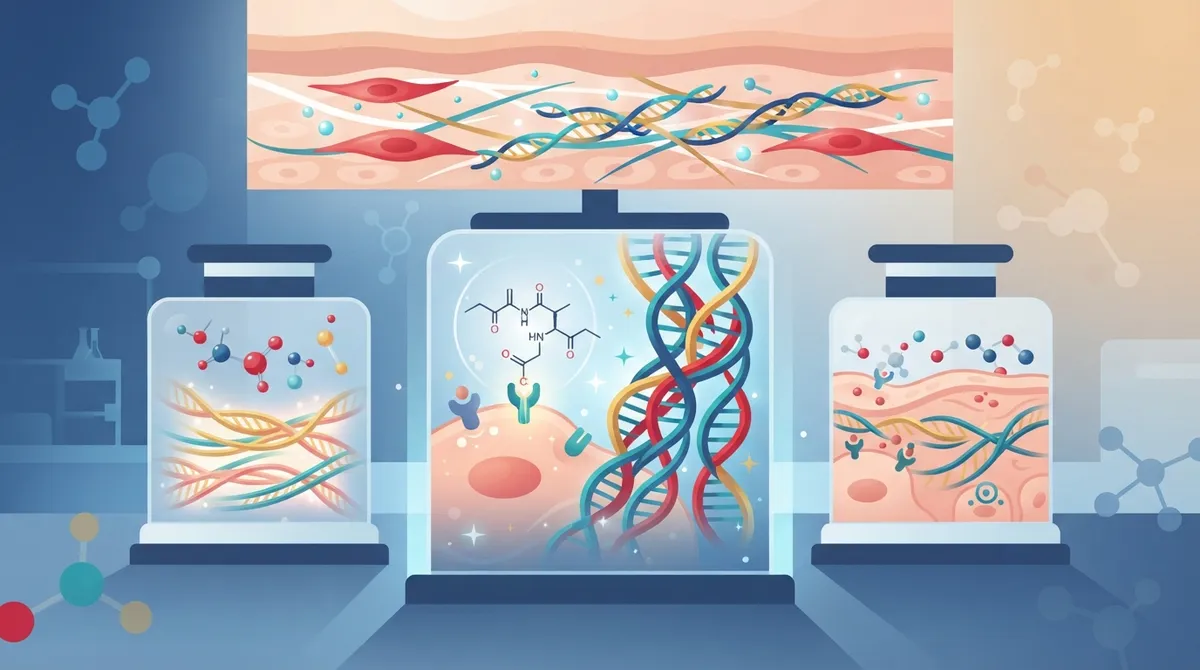
Many people ask whether GHK-Cu is better than more familiar options like vitamin C or retinoic acid. A frequently cited human topical study offers a useful comparison.
|
Ingredient |
Percentage of Women With Increased Collagen Production |
Primary Mechanism |
|---|---|---|
|
GHK-Cu Cream |
70% |
Copper peptide signaling to fibroblasts |
|
Vitamin C Cream |
50% |
Antioxidant support for collagen synthesis |
|
Retinoic Acid Cream |
40% |
Cell turnover and gene expression changes |
This comparison suggests GHK-Cu may outperform two well-known skincare ingredients in stimulating collagen. Still, results vary by formulation, skin type, and how consistently a product is used. No single ingredient works the same way for everyone, which is why a personalized wellness plan matters more than chasing the latest trend.
How to Use GHK-Cu Safely: A Step-by-Step Approach
If you are considering GHK-Cu for skin health or as part of a broader wellness routine, following a structured approach can help you get better results while staying safe.
- Talk to a healthcare provider first. Before adding any peptide-based product to your routine, discuss your goals and health history with a qualified provider. This is especially important if you have copper sensitivities or existing skin conditions.
- Start with topical formulations. Most available research on GHK-Cu focuses on topical creams and serums rather than injectable forms, so this is typically the safer starting point for skin-focused goals.
- Patch test before full application. Apply a small amount to your inner arm and wait 24 to 48 hours to check for irritation or allergic reaction.
- Use consistently for at least four to eight weeks. Collagen remodeling takes time. Studies showing measurable change often involved at least a month of regular use.
- Pair with sun protection. UV exposure breaks down collagen faster than almost anything else, so daily sunscreen use supports whatever gains you make with GHK-Cu.
- Monitor your skin's response. Track changes in texture, firmness, and any irritation. Adjust frequency or concentration based on how your skin responds.
- Reassess with a wellness professional periodically. A follow-up visit can help confirm whether your routine is working or whether adjustments are needed.
Following these steps in order helps reduce the risk of irritation while giving the peptide enough time to show measurable results.
Who Might Benefit from GHK-Cu Collagen Support?
GHK-Cu is not a one-size-fits-all solution, but certain groups may find it particularly useful as part of a broader skin and wellness strategy.
- Adults noticing early signs of fine lines or reduced skin elasticity
- Individuals recovering from minor skin injuries or procedures who want to support tissue repair
- People interested in proactive, prevention-focused skin care rather than reactive treatments
- Those already using retinol or vitamin C who want to explore complementary options
- Wellness-focused patients building a broader plan that includes DNA gene testing or body composition analysis to understand their unique biology
Because GHK-Cu affects tissue remodeling, it is generally discussed in cosmetic and regenerative wellness contexts rather than as a standard treatment for diagnosed medical conditions.
Is GHK-Cu Safe? What to Know Before Starting
Topical GHK-Cu is generally considered well-tolerated in the concentrations studied in dermatology research. That said, safety still depends on formulation quality, individual skin sensitivity, and proper use.
|
Safety Consideration |
What to Know |
|---|---|
|
Skin Irritation |
Rare but possible, especially at higher concentrations |
|
Copper Sensitivity |
Individuals with known copper allergies should avoid use |
|
Product Quality |
Formulation and purity vary widely between brands |
|
Long-Term Data |
Most studies are short-term; long-term safety data is limited |
|
Medical Supervision |
Recommended for those with existing skin conditions or on other treatments |
Because GHK-Cu is not classified as a standard medical therapy for collagen deficiency, it should not replace evidence-based dermatologic care when a diagnosed skin condition is present. A conversation with a knowledgeable provider can help you understand where it fits into your overall plan.
Beyond Skin: Why Collagen Health Connects to Whole-Body Wellness
Collagen is not just about appearance. It plays a role in joint health, wound healing, and even gut lining integrity. This is why many patients exploring GHK-Cu are also interested in broader preventive health strategies.
A comprehensive wellness visit can help identify whether declining collagen production is linked to nutritional gaps, hormonal changes, or other underlying factors. Services like IV hydration and vitamin drips can support overall tissue health, while a metabolic breath analysis can reveal how your body is using nutrients that support repair processes. For patients also dealing with hair thinning, exploring hair restoration options alongside skin-focused peptide interest can be part of a coordinated anti-aging strategy.
Building a Personalized Plan With Primary Care
Rather than trying isolated products, many patients benefit from a structured, medically guided approach. At InCare, providers combine advanced diagnostics with practical guidance to help patients set realistic goals. Whether you are curious about peptide-based skincare or want a full picture of your health, starting with a primary care visit creates a foundation for informed decisions.
Patients in Tampa and Riverview have shared positive experiences with the personalized attention they receive. You can visit us on Google — InCare to read reviews from real patients about their care experience. Many also follow along on Facebook and Instagram for wellness tips and clinic updates, or check out short-form content on TikTok for quick health insights.
Common Mistakes to Avoid With GHK-Cu Use
Even a promising ingredient can underperform if used incorrectly. Keep these points in mind:
- Do not expect overnight results. Collagen remodeling takes weeks, not days.
- Avoid combining too many active ingredients at once, which can irritate skin and mask which product is actually helping.
- Do not skip sunscreen. Unprotected UV exposure can undo collagen gains quickly.
- Be cautious of unregulated or poorly sourced peptide products sold online without clear quality testing.
- Do not use GHK-Cu as a substitute for medical evaluation if you have a diagnosed skin condition or concerning changes in your skin.
Ranking the Evidence: How Strong Is the Research?
When evaluating any wellness ingredient, it helps to rank the strength of supporting evidence. Here is a simple breakdown for GHK-Cu:
- Laboratory (in vitro) studies: Strongest and most consistent evidence, showing clear collagen and elastin stimulation in fibroblast cultures.
- Ex-vivo skin studies: Solid supporting evidence, including the 2023 study on GHK-Cu paired with hyaluronic acid.
- Small human topical trials: Promising but limited in scale, such as the study comparing GHK-Cu to vitamin C and retinoic acid creams.
- Large-scale clinical trials: Currently lacking, meaning long-term, large-population data is still needed.
This ranking shows that while GHK-Cu has a credible scientific basis, it is still an emerging area of wellness research rather than an established medical standard.
Frequently Considered Questions Before Starting GHK-Cu
Before adding any new peptide to your wellness routine, it helps to have a clear picture of your current health status. A visit focused on cancer screening or a general wellness check can rule out underlying issues that might affect how your skin responds to treatment. Providers such as those featured on the InCare providers page can offer guidance tailored to your specific skin and health goals.
Patients managing weight alongside skin concerns may also want to explore medically supervised weight loss programs, since body composition changes can influence skin elasticity and collagen needs over time.
Moving Forward With Confidence
GHK-Cu collagen production research offers a genuinely promising direction for people interested in skin health and healthy aging. The laboratory data is strong, the mechanism is well-documented, and early human studies show encouraging results compared to established ingredients like vitamin C and retinoic acid. Still, this is an evolving area, and using GHK-Cu wisely means pairing enthusiasm with realistic expectations and professional guidance.
Whether you are exploring peptide-based skincare for the first time or looking to build a comprehensive wellness plan around prevention and whole-body health, working with a trusted clinic makes the process simpler and safer. Our team at InCare locations in Tampa and Riverview can help you understand where GHK-Cu and other advanced wellness tools fit into your personal health picture. Reach out to our team today to ask questions, or book your appointment now to start building a plan that supports your skin and your whole-body health for years to come.
FAQs
Q: What is GHK-Cu and how does it work for collagen production?
A: GHK-Cu is a naturally occurring copper-binding peptide that signals skin cells called fibroblasts to produce more collagen and elastin. Laboratory studies show this effect occurs even at very low concentrations, making it a well-studied ingredient for skin repair and tissue remodeling.
Q: Does GHK-Cu actually increase collagen in human skin?
A: Yes, evidence from human topical studies shows measurable increases in collagen production, with one study reporting collagen improvement in 70 percent of women using GHK-Cu cream. Most supporting data comes from smaller studies, so results can vary by individual and formulation.
Q: Is GHK-Cu better than retinol or vitamin C for collagen support?
A: In one comparative study, GHK-Cu outperformed both vitamin C and retinoic acid creams in stimulating collagen production. However, each ingredient works through a different mechanism, so combining approaches under professional guidance may offer more balanced results.
Q: Are GHK-Cu peptides safe for topical use?
A: Topical GHK-Cu is generally well-tolerated based on available research, though individuals with copper sensitivities should avoid it. Consulting a healthcare provider before starting any new peptide product is recommended, especially if you have existing skin conditions.
Q: Is GHK-Cu recommended in primary care or only cosmetic wellness settings?
A: GHK-Cu is most commonly discussed in cosmetic and regenerative wellness settings rather than as a standard primary care treatment. It is not considered a substitute for evidence-based dermatologic care, but it can be part of a broader, medically guided wellness plan.