Key Takeaways
- Retatrutide is not FDA-approved as of September 2026 and should only be accessed through legitimate clinical trials, not compounding pharmacies or online sellers, which pose serious health risks.
- Phase 3 trial data shows retatrutide reduces HbA1c by 1.7-2.0 percentage points and body weight by 11.5-16.8% over 40 weeks, with low severe hypoglycemia risk when used alone, but long-term safety data remains incomplete.
- Common side effects are digestive-related (nausea, diarrhea, constipation, vomiting), generally mild to moderate, and gradual dose titration can help minimize these effects during real-world use.
- Currently approved treatments like metformin, semaglutide, and tirzepatide remain the safest options for hyperglycemia management today, combined with personalized nutrition, activity plans, and regular monitoring by a healthcare provider.
If you have type 2 diabetes and follow health news, you may have heard about retatrutide. Headlines call it a breakthrough for blood sugar and weight loss. But what does that actually mean for your care right now? This guide explains what retatrutide is, what the newest studies show, and why working with a trusted primary care team still matters most in September 2026.
At InCare, our providers stay current on emerging diabetes treatments so patients get honest, science-based guidance. Whether you live near our Tampa office or our Riverview clinic, understanding retatrutide can help you make smarter choices about your blood sugar management today, while staying realistic about what remains unapproved and unproven for everyday use.
What Is Retatrutide and How Does It Work?
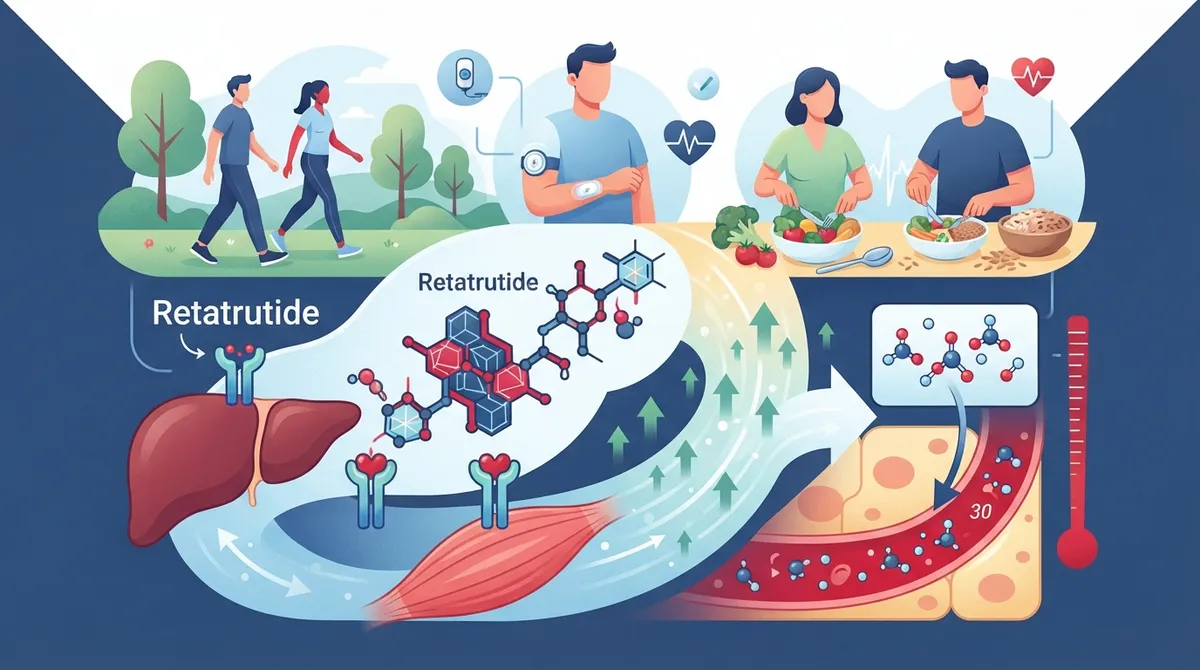
Retatrutide is an investigational medicine made by Eli Lilly. It is given as a once-weekly injection. Unlike older diabetes drugs that target one hormone pathway, retatrutide acts on three: GIP, GLP-1, and glucagon receptors. This is why some researchers call it a "triple agonist."
These three hormone pathways work together in the body. GIP and GLP-1 help your pancreas release insulin at the right times. This process depends on your current blood sugar level, which lowers the risk of dangerously low glucose. The glucagon-receptor activity may also raise energy use, which supports weight loss alongside better glucose control.
This combination is different from older single-target drugs. It's part of a growing class of therapies also seen in GLP-1 based treatments like semaglutide and dual-acting options such as tirzepatide. Retatrutide aims to go one step further by adding a third hormone target.

Retatrutide Is Not Yet FDA-Approved
This is the most important fact to understand. As of September 2026, retatrutide has not been approved by the FDA for type 2 diabetes or for weight loss. It should not be prescribed, compounded, sold, or purchased for regular patient care outside of an official clinical trial.
Some online sellers may offer "research-grade" retatrutide. These products are not regulated, not tested for purity, and not safe for medical use. Using them outside a monitored trial puts your health at serious risk. If you're looking for real hyperglycemia management today, current FDA-approved treatments remain the safest path forward.
What the Latest Clinical Trial Data Shows
The most relevant study for people with type 2 diabetes is called TRANSCEND-T2D-1. This Phase 3 trial enrolled 537 adults with type 2 diabetes. Most had blood sugar levels not well controlled by diet and exercise alone. Their starting HbA1c values ranged from about 7.0% to 9.5%.
Researchers tested three retatrutide doses—4 mg, 9 mg, and 12 mg—against a placebo over 40 weeks. Here is what the topline results showed:
|
Measure |
Reported Result |
|---|---|
|
HbA1c reduction |
Approximately 1.7 to 2.0 percentage points |
|
Body weight reduction |
Approximately 11.5% to 16.8% over 40 weeks |
|
Severe hypoglycemia signal |
None identified in monotherapy use |
|
Discontinuation due to side effects |
Roughly 2% to 5% of participants |
These numbers are encouraging. But they come from a controlled trial setting with close medical supervision. Real-world results, once the drug is approved and used more broadly, may look different. Long-term data on heart, kidney, and overall safety are still being gathered.
Does Retatrutide Cause Low Blood Sugar?
One common question patients ask is whether retatrutide causes hypoglycemia. In the diabetes trial results reported so far, there was no clear signal of severe low blood sugar when retatrutide was used alone. Most hypoglycemia events were linked to patients also taking insulin or sulfonylureas, not retatrutide by itself.
This matters for future primary-care use. If retatrutide becomes approved, clinicians would need to watch glucose levels closely in patients who use insulin or other blood-sugar-lowering drugs alongside it. Doses of those other medicines might need to be lowered to avoid problems.
Common Side Effects to Know About
Every new diabetes medicine comes with tradeoffs. For retatrutide, the most frequently reported side effects are digestive in nature. Based on Phase 3 safety data, expect these patterns:
- Nausea, especially during dose increases
- Diarrhea and general stomach upset
- Constipation
- Vomiting, more common at higher doses
These effects were generally mild to moderate in trials. Still, they were a top reason some participants stopped treatment. If retatrutide reaches primary care settings in the future, doctors will likely use slow, gradual dose increases. This step-by-step approach — known as titration — helps the body adjust and lowers the chance of severe stomach problems or dehydration.
How Retatrutide Compares to Approved Treatments
Many patients want to know how retatrutide stacks up against medicines already available today. Here's a simple comparison based on current data:
|
Treatment |
Approval Status |
Hormone Targets |
Reported Weight Loss |
|---|---|---|---|
|
Metformin |
FDA-approved |
Not hormone-based |
Minimal |
|
Semaglutide |
FDA-approved |
GLP-1 |
Moderate to significant |
|
Tirzepatide |
FDA-approved |
GIP + GLP-1 |
Significant |
|
Retatrutide |
Investigational only |
GIP + GLP-1 + Glucagon |
Potentially higher (trial data) |
Notably, retatrutide's obesity-focused studies (the TRIUMPH program) have reported weight loss approaching or exceeding 25% to 28% at higher doses in adults without diabetes. However, this data should not be read as proof of glucose-control benefits or long-term safety for people managing diabetes specifically.
Steps for Managing Hyperglycemia Right Now
While retatrutide remains unavailable outside trials, you still have proven options for controlling blood sugar today. Here is a practical approach many InCare patients follow:
- Get a full metabolic workup. This includes HbA1c, fasting glucose, kidney function, and lipid panels to understand your starting point.
- Review current medications. Your provider may adjust metformin, GLP-1 agents, SGLT2 inhibitors, or insulin based on your needs.
- Build a nutrition and activity plan. Diet and exercise remain foundational, even alongside medication.
- Schedule regular follow-ups. Blood sugar management works best with consistent monitoring, not one-time fixes.
- Ask about weight management support. Excess weight often worsens insulin resistance, so a coordinated weight loss program can improve glucose control too.
Our primary care team also uses tools like body composition analysis and metabolic breath analysis to get a clearer picture of how your metabolism is functioning, which helps guide smarter treatment decisions.
Who Might Be Eligible for a Retatrutide Clinical Trial?
Some patients ask about joining a trial to access retatrutide earlier. Eligibility typically depends on factors like:
- Diagnosis of type 2 diabetes with a specific HbA1c range
- Age and general health status
- Current medication regimen
- Willingness to attend frequent monitoring visits
If you're interested in trial participation, talk to your primary care provider first. They can help you understand the risks, the commitment involved, and whether a trial fits your health goals. This is not a shortcut around FDA approval — it's a structured, monitored path with real oversight.
Why Working With a Primary Care Team Still Matters
New diabetes drugs get a lot of attention. But managing hyperglycemia well depends on more than any single medication. It requires ongoing monitoring, personalized adjustments, and a provider who knows your full health history.
At InCare, our providers, including Dr. Naveen Paddu, Dr. Pramjeet Ahluwalia, and Dr. Teshy John, take a whole-body approach to diabetes and metabolic health. We also offer cancer screenings, DNA gene testing, and IV hydration therapy as part of a broader wellness strategy, not just isolated treatments.
We understand many patients feel overwhelmed by conflicting information online. That's why we focus on clear, honest guidance rather than hype. You can also follow our updates and patient education content on Facebook, Instagram, and TikTok as we continue to share the latest in diabetes and wellness care.
What to Watch For in the Coming Months
Retatrutide's story is still being written. Here's what to expect as more data becomes available:
- Additional Phase 3 results covering longer treatment periods
- Cardiovascular and kidney outcome data from ongoing safety studies
- FDA review timelines, which typically take many months after trial completion
- Updated clinical guidelines once (and if) approval happens
Until then, patients should be cautious about compounded or unregulated versions marketed online. These products carry real risks, including inconsistent dosing, contamination, and lack of any clinical oversight.
Take Control of Your Blood Sugar Today
You don't need to wait for a future drug to start improving your health. Effective, FDA-approved options exist right now, and a personalized plan can make a real difference in your daily life. Our team also welcomes patients who want a second opinion on their current diabetes management approach.
Many of our Riverview and Tampa patients have shared their experiences, and you can visit us on Google — InCare to read reviews from people managing similar health goals. If you're ready to talk with a provider about blood sugar management, weight loss, or general wellness, reach out to our team directly or schedule your appointment online today.
FAQs
Q: What is retatrutide, and how could it help manage hyperglycemia?
A: Retatrutide is an investigational once-weekly injectable medicine that targets three hormone receptors: GIP, GLP-1, and glucagon. In clinical trials, it has shown meaningful reductions in HbA1c and body weight, but it is not yet approved for routine use.
Q: Is retatrutide FDA-approved for type 2 diabetes or obesity?
A: No, as of September 2026, retatrutide is not FDA-approved for any use. It remains an investigational drug that should only be accessed through legitimate clinical trials, not through compounding pharmacies or online sellers.
Q: How much can retatrutide lower HbA1c?
A: In the Phase 3 TRANSCEND-T2D-1 trial, retatrutide reduced HbA1c by approximately 1.7 to 2.0 percentage points across different doses over 40 weeks. Higher doses generally produced larger reductions, though results vary by individual.
Q: Does retatrutide cause hypoglycemia when used alone or with insulin?
A: Trial data shows a low hypoglycemia risk when retatrutide is used without insulin or sulfonylureas. However, combining it with these medications may increase the risk, so close monitoring and dose adjustments would be important in future clinical use.
Q: Can patients obtain retatrutide through a primary-care clinic or compounding pharmacy?
A: No, retatrutide should not be prescribed, compounded, or purchased outside an approved clinical trial. Any product marketed this way outside of regulated trials carries serious safety risks and lacks FDA oversight.