
Key Takeaways
- KP-10 has no FDA approval for any medical condition and remains investigational only; buying unregulated online products risks infections, allergic reactions, and unpredictable hormone changes from unverified doses.
- KP-10 activates GnRH neurons to trigger LH and FSH release, making it a research tool for studying reproductive hormone function rather than a general energy booster or anti-aging treatment.
- Schedule a primary care visit for proper hormone testing (LH, FSH, testosterone, estrogen) and get specialist referrals based on diagnosed conditions instead of self-treating with research peptides.
- Kisspeptin compounds show early promise as gentler IVF ovulation triggers with potentially lower ovarian hyperstimulation risk, but this remains in research phases requiring reproductive endocrinology specialists.
- Whole-body factors like poor sleep, high stress, and weight gain disrupt the same reproductive hormone pathways that KP-10 targets, making lifestyle changes often more effective than experimental compounds.
- Seek medical evaluation promptly for hormone symptoms lasting months, including irregular periods, fertility struggles, low libido, unexplained fatigue, or delayed puberty in teenagers.
You may have seen KP-10, or kisspeptin-10, mentioned in online wellness forums or fertility support groups. It sounds exciting: a natural body compound tied to hormones, reproduction, and puberty. But before you consider it, you need real facts, not hype. This guide explains what KP-10 clinical use actually means today, what the research shows, and why a proper medical evaluation matters more than any peptide product.
At InCare, our providers in Tampa and Riverview see patients every week who are confused about hormone health, fertility struggles, or low energy. Understanding where KP-10 fits, and where it does not, can help you make smarter, safer choices about your care.
What Is KP-10 and Why Does It Matter for Hormone Health
KP-10, short for kisspeptin-10, is a small piece of a larger protein made in your body. It contains 10 amino acids, which is why researchers call it a decapeptide. It comes from the KISS1 gene, the same gene that produces a longer version called kisspeptin-54.
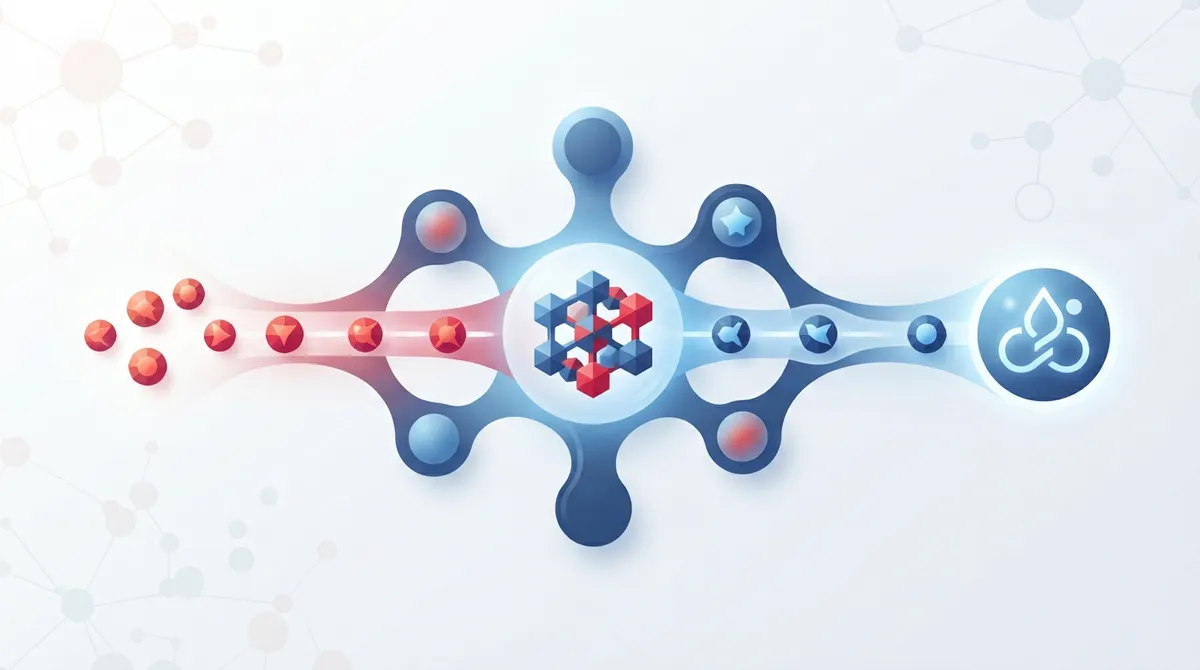
KP-10 works by activating a receptor called KISS1R, also known as GPR54. This receptor sits on nerve cells in the brain that release a hormone called GnRH. Think of KP-10 as a key that unlocks a very specific door in your hypothalamus.
- KP-10 activates KISS1R receptors on GnRH neurons
- GnRH release triggers the pituitary gland to release LH and FSH
- LH and FSH then signal the ovaries or testes to produce sex hormones
- This entire chain is called the hypothalamic-pituitary-gonadal axis
Because of this pathway, KP-10 is closely tied to reproductive health rather than everyday wellness. It is not a general energy booster or an anti-aging shortcut. It is a specific biological signal researchers use to study fertility and hormone function.

How Researchers Use KP-10 in Clinical Studies
Scientists have used KP-10 mostly as a research tool. They give it to study participants through an IV or a shot under the skin. Then they measure how much LH rises in response.
This response can tell researchers whether a patient's GnRH neurons and pituitary gland are still working properly. It is similar to knocking on a door to see if anyone answers. If LH rises quickly, the system is responsive. If it does not, that points to a deeper problem in the hormone pathway.
Common Research Applications for KP-10
- Testing hypothalamic-pituitary-gonadal axis function in research settings
- Studying hypogonadotropic hypogonadism, a condition of low sex hormones
- Exploring functional hypothalamic amenorrhea in women who have stopped having periods
- Investigating delayed puberty in adolescents
- Researching male and female infertility causes
- Testing kisspeptin compounds as a possible IVF ovulation trigger
These are all investigational uses. None of them represent an approved, routine treatment you can walk into a clinic and receive as standard care today.
KP-10 and IVF: A Promising but Unproven Idea
One of the more talked-about research areas involves in vitro fertilization. Standard IVF protocols often use a hormone called hCG to trigger the final egg maturation before retrieval. Researchers wondered if kisspeptin compounds, including KP-10 and kisspeptin-54, could work as a gentler alternative.
The theory is simple. Kisspeptin may create a shorter, more natural LH surge. This shorter surge could potentially lower the risk of ovarian hyperstimulation syndrome, a serious complication of fertility treatment.
This idea is still in early research phases. Choosing the right trigger shot and IVF protocol requires a reproductive endocrinology specialist, not a general wellness plan. If you are exploring fertility treatment, ask your primary care provider for a referral to a qualified specialist who can walk you through proven options.
Is KP-10 Approved for Any Medical Treatment
This is the most important question, and the answer is straightforward. There is no FDA-approved KP-10 drug for general use. There is no standard dosing chart your doctor can pull up and prescribe from.
|
Category |
Current Status |
|---|---|
|
FDA Approval |
Not approved for any indication |
|
Standard Dosing Protocol |
Does not exist in mainstream medicine |
|
Primary Care Prescription |
Not available as a routine treatment |
|
Research Studies |
Small Phase 1 and Phase 2 human trials |
|
Common Sources Online |
Labeled research-use-only, not for humans |
Products sold online labeled as "research peptides" are not medicine. They are not tested for purity, dosage accuracy, or safety in humans. Buying and injecting these products yourself carries real risk, including infections, allergic reactions, and unpredictable hormone swings.
Comparing KP-10 to Other Hormone-Related Approaches
It helps to see how KP-10 stacks up against approaches that are actually used in clinical care today.
|
Approach |
Approval Status |
Typical Use |
|---|---|---|
|
KP-10 (kisspeptin-10) |
Investigational only |
Research probe of hormone axis function |
|
Testosterone Replacement Therapy |
FDA-approved forms available |
Diagnosed low testosterone in men |
|
Standard Fertility Medications |
FDA-approved forms available |
Ovulation induction, IVF protocols |
|
Hormone Panel Testing |
Routine clinical lab test |
Diagnosing hormone imbalances |
If you are dealing with low testosterone symptoms, you have real, approved options. Learn more about testosterone replacement therapy or explore how TRT for men over 40 can restore energy safely under medical supervision.
Steps to Take If You Suspect a Hormone Problem
Instead of searching for research peptides online, follow a safer path. Here is how the process typically works at a primary care clinic.
- Schedule a visit to discuss your symptoms, whether that is fatigue, irregular periods, low libido, or fertility struggles
- Complete a physical exam and share your full medical history
- Get bloodwork done to check LH, FSH, testosterone, estrogen, and thyroid levels
- Review results with your provider to identify the root cause
- Receive a referral to an endocrinologist or fertility specialist if needed
- Discuss FDA-approved treatment options based on your specific diagnosis
- Follow up regularly to track hormone levels and adjust treatment as needed
This step-by-step approach protects your health while still addressing the real problem behind your symptoms. A annual wellness visit is often a great starting point if you have not had a checkup in a while.
Signs You Should See a Doctor About Hormone Symptoms
Many hormone problems get ignored for months or years because symptoms feel vague. Watch for these signs:
- Missed or irregular periods for more than three months
- Trouble getting pregnant after a year of trying
- Low sex drive that has lasted several months
- Unexplained fatigue that does not improve with rest
- Delayed puberty in a teenager compared to peers
- Sudden changes in body composition or muscle mass
Any of these signs deserve a real conversation with a healthcare provider. Do not wait until symptoms become severe.
Risks of Self-Treating With Research-Grade Peptides
It can be tempting to try a shortcut when you feel desperate for answers, especially with fertility or energy concerns. But self-injecting unregulated KP-10 products carries real dangers.
- No way to confirm the actual dose or purity of the product
- Risk of injection site infections from unsterile handling
- Possible blood pressure changes or headache
- Nausea and unpredictable hormone responses
- Dangerous interactions if you are pregnant or have a hormone-sensitive condition
- No medical supervision to catch problems early
Reported side effects in small clinical studies have generally been mild and short-lived. But those studies happened under strict medical supervision with controlled doses. That safety net does not exist when you buy a product online and inject it yourself at home.
Why Primary Care Is Your Best Starting Point
Your primary care provider is trained to evaluate hormone symptoms properly. They can order the right tests, interpret results, and connect you with a specialist when needed. This coordinated approach beats guessing with unproven products every time.
At InCare, our providers take time to listen to your full health picture before recommending any path forward. Whether you are dealing with fertility questions, low energy, or hormone imbalance symptoms, we start with proper testing and a clear diagnosis.
Our team also offers advanced tools like DNA gene testing and body composition analysis to give you a fuller picture of your health beyond a single hormone reading.
What to Expect During a Hormone Evaluation Visit
If you book an appointment to discuss hormone concerns, here is what usually happens:
- Your provider asks detailed questions about your symptoms and their timeline
- You discuss your family history and any medications you currently take
- Blood tests are ordered to measure key reproductive hormones
- Additional screening may be recommended based on your age and symptoms
- You return for a follow-up to review lab results together
- A personalized plan is created, which may include lifestyle changes, medication, or specialist referral
This process takes the guesswork out of hormone health. It also means any treatment you receive has actually been studied and approved for your specific condition.
Frequently Overlooked Connections: Fertility and Whole-Body Health
Hormone health rarely exists in isolation. Poor sleep, high stress, and weight changes can all throw off the same hormone pathways that KP-10 research targets. This is why a whole-body approach matters more than chasing a single peptide.
Our weight loss programs are designed with hormone health in mind, since excess weight can disrupt reproductive hormone signals in both men and women. Addressing weight, sleep, and stress often improves fertility markers without any experimental compound at all.
Curious readers can also explore our related article on kisspeptin and its role in fertility for a deeper dive into the science.
Trusting InCare for Hormone and Fertility Guidance
Choosing where to get answers about hormone health matters. InCare has built a reputation across Tampa and Riverview for combining modern technology with honest, evidence-based medical advice. We will never recommend an unproven treatment just because it sounds trendy.
Patients consistently share positive feedback about our approach. You can read what real patients say by visiting Visit us on Google — InCare to see reviews from people who have gone through similar hormone health journeys. You can also follow our updates and patient education content on Facebook, Instagram, and TikTok.
Final Thoughts on KP-10 Clinical Use
KP-10 represents genuinely interesting science. It has helped researchers understand how the brain controls reproductive hormones. But interesting research is not the same as an approved treatment you can safely try at home.
If you are struggling with fertility, irregular periods, low libido, or delayed puberty concerns, skip the research peptide shortcuts. Talk to a provider who can order proper testing and guide you toward treatments that are actually proven safe and effective.
Ready to get real answers about your hormone health? Reach out to our team today or schedule your visit now to start your evaluation with a provider who puts your safety first.
FAQs
Q: Is kisspeptin-10 FDA approved for clinical use?
A: No, KP-10 has no FDA-approved indication for any condition. It remains an investigational research compound studied mainly as a probe of hormone axis function, not an approved medicine you can be prescribed.
Q: Can KP-10 treat low testosterone or hypogonadism?
A: KP-10 has been studied in early-phase research for hypogonadotropic hypogonadism, but it is not an established primary-care treatment. Approved options like testosterone replacement therapy remain the standard clinical approach for diagnosed low testosterone.
Q: Is it safe to buy or inject research-grade KP-10 for wellness or libido?
A: No, this is not recommended. Research-grade products sold online are labeled for laboratory use only, meaning they are not tested for human safety, dosing accuracy, or purity, and self-injection carries real health risks.
Q: Is KP-10 used in IVF to trigger ovulation?
A: Kisspeptin compounds, including KP-10, have been explored as a possible alternative to standard IVF triggers because they may create a shorter LH surge. This remains a specialist, protocol-dependent research area, not a routine IVF standard.
Q: Can a primary care clinician prescribe KP-10?
A: No standard clinical dosing protocol exists, so primary care providers cannot prescribe KP-10 as a routine treatment. Instead, they can order hormone testing and refer patients to endocrinology or fertility specialists when appropriate.