
Key Takeaways
- Asparagus, spinach, and avocado are the top glutathione-rich foods with 313-349 nanomoles per gram, but digestive enzymes break down most dietary glutathione before absorption, limiting direct benefit.
- Your body naturally produces glutathione from amino acids (cysteine, glycine, glutamate), so eating lean protein, eggs, fish, and legumes may support production more effectively than high-glutathione foods alone.
- Light steaming preserves more glutathione than boiling, but food safety matters more than perfect nutrient retention—eating more vegetables overall, prepared safely, is the priority.
- Oral glutathione supplements showed 30-35% increases in blood glutathione levels in one study, but food sources don't produce the same measurable results due to poor absorption.
- A balanced diet including cruciferous vegetables (broccoli, cauliflower), fresh fish, colorful fruits, and healthy fats supports whole-body wellness better than focusing on glutathione alone.
- No official daily glutathione target exists, and claims about dramatic detox or disease-reversal benefits exceed current scientific evidence—consult a provider before major dietary changes, especially with chronic illness.
Your body makes a powerful antioxidant called glutathione every single day. It helps protect your cells and supports your natural detox systems. Many people search for ways to boost it through food, hoping to feel better, look younger, or fight off illness. If you are curious about glutathione rich foods and want facts you can trust, this guide breaks down what science actually shows.
At InCare, our providers in Tampa and Riverview help patients build eating habits that support whole-body health. This article explains which foods contain glutathione, how your body uses them, and what a smart eating pattern looks like. We will also cover common myths so you know what really works.
What Is Glutathione and Why Does It Matter
Glutathione (GSH) is an antioxidant your body produces naturally. It is made from three amino acids: glutamate, cysteine, and glycine. This molecule helps keep your cells balanced and supports enzyme systems that protect against damage.
Unlike vitamin C or vitamin D, glutathione is not something you must get from food. Your liver and other tissues make it on their own. However, certain foods contain glutathione directly or provide the building blocks your body needs to produce more of it.
How Glutathione Works in the Body
- Helps neutralize harmful molecules called free radicals
- Supports the liver's natural detox processes
- Plays a role in immune system function
- Helps recycle other antioxidants like vitamins C and E
- Supports healthy aging at the cellular level
Top Glutathione Rich Foods to Know
Research shows certain foods contain higher amounts of glutathione than others. A well-known 2019 review measured glutathione levels in fresh produce and found some clear standouts.
Foods With the Highest Glutathione Content
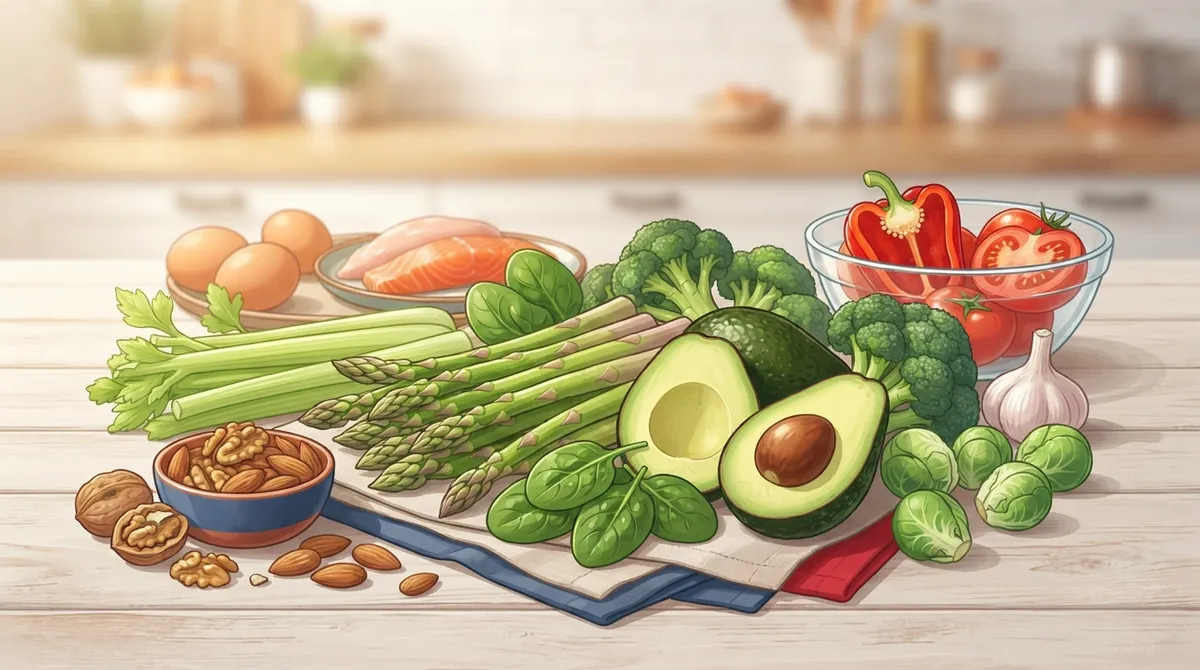
- Asparagus — One of the richest sources, with about 349 nanomoles per gram in fresh samples
- Avocado — Contains roughly 339 nanomoles per gram, plus healthy fats
- Spinach — Comes in around 313 nanomoles per gram when fresh
- Cucumber — Provides a moderate amount, near 123 nanomoles per gram
- Tomato — Offers about 64 nanomoles per gram
- Strawberry — Contains close to 39 nanomoles per gram
- Broccoli — Lower in direct glutathione but rich in supportive compounds
A more recent 2026 review reported similar findings using different units. Dried mushrooms ranged from 11 to 241 milligrams per 100 grams. Legumes ranged from 15 to 37 milligrams. Spinach, asparagus, avocado, and zucchini also showed strong values. Keep in mind these numbers vary based on freshness, growing conditions, and how the food was tested.
Foods With Moderate Glutathione Levels
|
Food |
Approximate Range (mg per 100g) |
|---|---|
|
Broccoli and Brussels sprouts |
1.90 to 10.00 |
|
Carrots and tomatoes |
5.90 to 7.50 |
|
Strawberries, grapefruit, cantaloupe |
6.10 to 6.90 |
|
Zucchini |
8.40 to 11.40 |
These numbers are helpful for understanding food composition. However, they should not be used to create a specific daily dose. No official daily target for dietary glutathione currently exists.
Foods That Support Your Body's Own Glutathione Production
Since your body makes glutathione from amino acids, protein-rich foods matter just as much as high-glutathione produce. Lean meats, fish, eggs, dairy, nuts, and seeds all supply cysteine, glycine, and glutamate.
Best Protein Sources for Glutathione Support
- Fresh fish and seafood
- Eggs
- Lean poultry
- Legumes like lentils and chickpeas
- Nuts and seeds
- Low-fat dairy products
Cruciferous vegetables deserve special attention too. Broccoli, cauliflower, cabbage, and Brussels sprouts contain sulforaphane. This compound may help activate your body's natural antioxidant pathways, according to the 2019 dietary review published on PMC. The evidence here is stronger at the mechanism level than for treating any specific disease.
Does Cooking Destroy Glutathione in Food
This is one of the most common questions patients ask. The short answer is that cooking method matters, but food safety should always come first.
Cooking Tips to Preserve Nutrients
- Choose light steaming over long boiling when possible
- Avoid overcooking vegetables until they are mushy
- Eat a mix of raw and cooked produce for variety
- Store fresh produce properly to slow nutrient loss
- Buy vegetables as fresh as possible for peak content
Steaming may help retain more glutathione than boiling in water, since some nutrients leach out into the cooking liquid. That said, raw food is not automatically better. Some vegetables release more beneficial compounds when lightly cooked. The bigger goal is eating more vegetables overall, prepared safely.
Can Food Actually Raise Your Glutathione Levels
This question has a more complicated answer than many wellness articles suggest. The amount of glutathione measured in a food does not tell you how much reaches your bloodstream.
Digestive enzymes break down much of the glutathione you eat before it gets absorbed. A 2023 review on oral glutathione absorption noted that gastrointestinal breakdown limits how much intact glutathione your body actually uses. This is why researchers believe cysteine availability may matter more than glutathione content alone.
What the Research Shows About Supplements
A 2019 randomized, placebo-controlled trial studied 54 healthy nonsmoking adults over six months. Participants took either 250 or 1,000 milligrams of oral glutathione daily. The high-dose group saw approximately 30 to 35 percent increases in glutathione levels within red blood cells, plasma, and lymphocytes.
This trial studied a concentrated supplement, not food. It does not prove that eating glutathione-rich foods produces the same results. It also does not confirm any specific disease-prevention benefit. If you are curious whether supplements or food-based approaches fit your health goals, our providers can walk you through the evidence during a primary care visit.
Building a Glutathione-Supportive Eating Pattern
Rather than focusing on one "superfood," most experts recommend a broad, balanced diet. This approach supports your whole body, not just one antioxidant pathway.
Practical Foods to Include Regularly
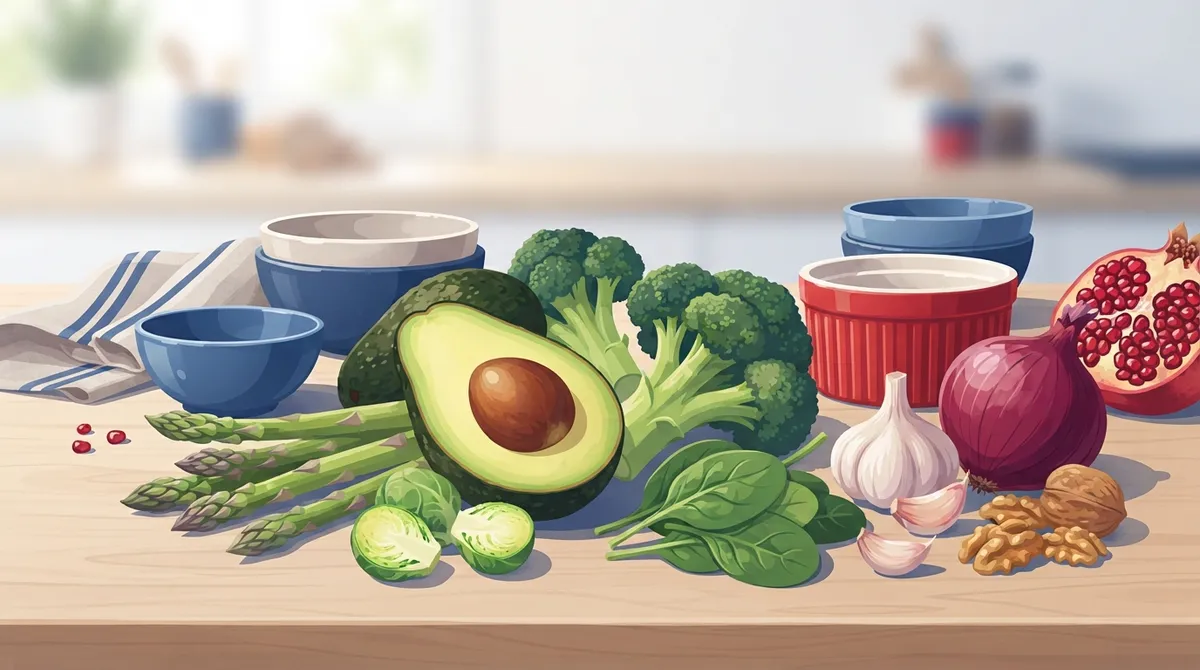
- Asparagus, spinach, and avocado several times a week
- Cucumber and green beans as easy snack options
- Lean protein at most meals for amino acid support
- Brassica vegetables like broccoli and cauliflower
- Colorful fruits rich in polyphenols
- Fresh herbs, spices, and green tea
- Omega-3-rich fish two or three times weekly
This pattern lines up with general guidance for heart and metabolic health, not just antioxidant support. It is a realistic, sustainable way to eat rather than a strict detox plan.
Comparing Food Sources to Supplements and IV Therapy
Patients often ask how food compares to glutathione supplements or IV treatments. Each option has a different role.
|
Approach |
What It Offers |
Considerations |
|---|---|---|
|
Glutathione-rich foods |
Nutrients, fiber, and general dietary quality |
Absorption of dietary glutathione is limited |
|
Oral supplements |
Concentrated, measurable dosing |
May still face digestive breakdown |
|
IV therapy |
Bypasses digestion entirely |
Should be done under medical supervision |
For patients interested in exploring options like IV hydration and vitamin drips, our clinical team can review your health history first. Food-based strategies are generally the safest starting point for most people, and they support overall wellness beyond just one antioxidant.
Who Should Talk to a Doctor Before Changing Their Diet
Most healthy adults can safely add more vegetables, lean protein, and fruit to their meals. However, some situations call for a conversation with a clinician first.
Groups That Should Seek Medical Guidance
- People managing chronic illness such as diabetes or kidney disease
- Individuals with liver conditions
- Pregnant or breastfeeding women
- Patients on restrictive diets or with malnutrition concerns
- Anyone considering high-dose supplements or IV treatments
- People taking medications that could interact with major dietary shifts
If any of these apply to you, scheduling a visit with a primary care provider is a smart first step. Our physicians, including Dr. Pramjeet Ahluwalia and Dr. Naveen Paddu, can help you build a plan that fits your specific health needs.
How InCare Supports Whole-Body Wellness
InCare takes a personalized approach to nutrition and preventive health. Our team combines lab testing, body composition analysis, and DNA gene testing to understand what your body actually needs. This goes far beyond generic diet advice.
Whether you live near our Tampa location or our Riverview clinic, our providers can help you sort fact from fiction when it comes to wellness trends. We also offer medical weight loss programs and metabolic breath analysis for patients who want a deeper look at how their body processes nutrients.
Many of our patients follow us on Facebook and Instagram for wellness tips and clinic updates. You can also check out patient experiences and see Tik Tok content covering common health questions. For local reviews and directions, feel free to visit us on Google — InCare and see what current patients are saying about their visits in Tampa and Riverview.
Simple Steps to Start Today
You do not need a complicated plan to begin eating more glutathione-supportive foods. Small, consistent changes tend to work better than short-term fixes.
- Add one serving of asparagus, spinach, or avocado to your meals this week
- Swap boiled vegetables for lightly steamed ones when possible
- Include a lean protein source at breakfast, lunch, and dinner
- Choose fresh produce over heavily processed snacks
- Schedule a wellness visit to discuss your personal nutrition needs
These steps support your overall health, not just one antioxidant pathway. Over time, they contribute to better energy, digestion, and long-term wellness.
Final Thoughts on Glutathione Rich Foods
Glutathione rich foods like asparagus, spinach, avocado, and mushrooms can be a valuable part of a healthy diet. However, no single food or supplement replaces the value of a balanced eating pattern paired with professional medical guidance. Current research shows that food quality matters, but claims about dramatic detox or disease-reversal benefits go beyond what science currently supports.
If you want personalized advice about nutrition, weight management, or advanced wellness testing, our team at InCare is ready to help. We proudly serve patients across Tampa and Riverview with evidence-based, whole-body care. Ready to take the next step? Book your appointment today and start building a nutrition plan that actually works for your body.
FAQs
Q: What are the best glutathione rich foods to eat every day?
A: Asparagus, spinach, avocado, and mushrooms consistently rank among the highest sources based on food composition studies. Adding a mix of these foods regularly, along with lean protein, supports both direct glutathione intake and your body's own production.
Q: Does cooking reduce glutathione in vegetables?
A: Cooking method does affect nutrient levels, and prolonged boiling can cause more loss than light steaming. Food safety should still come first, and eating a variety of raw and cooked vegetables is a practical, balanced approach.
Q: Can eating glutathione rich foods actually raise levels in my body?
A: Human evidence on this topic remains limited, since digestive enzymes break down much of the glutathione found in food before it is absorbed. A varied diet still supports amino acid availability, which your body needs to produce its own glutathione.
Q: Are glutathione supplements better than eating whole foods?
A: Supplements provide a measured, concentrated dose, while food offers broader nutritional benefits like fiber and vitamins. Most clinicians recommend starting with food-based strategies and discussing supplements with a provider if additional support is needed.
Q: Is glutathione helpful for liver health or detoxification?
A: Glutathione plays a supporting role in the body's natural detox enzyme systems, but it is not a standalone treatment for liver disease. Anyone with liver concerns should speak with a primary care provider before making major dietary or supplement changes.