Key Takeaways
- Kisspeptin is a brain protein that acts as a master switch controlling puberty, fertility, and metabolism by signaling GnRH neurons to release reproductive hormones LH and FSH.
- The discovery originated unexpectedly from 1996 cancer research on melanoma cells, with the breakthrough linking kisspeptin to reproductive function coming in 2003 through human and animal studies.
- Kisspeptin neurons act as an energy checkpoint in the hypothalamus; low body energy from dieting, stress, or over-exercise can reduce kisspeptin signaling and disrupt menstrual cycles or delay puberty.
- Kisspeptin is not FDA approved for clinical use, and repeated dosing causes tachyphylaxis (reduced effectiveness within two weeks), making it investigational only in small-scale human trials.
- Understanding kisspeptin pathways helps primary care providers explain hormone-related symptoms like irregular periods, infertility, and metabolic issues, enabling better personalized care plans.
- Unregulated online kisspeptin products pose safety risks including purity concerns, unknown immune reactions, and lack of medical supervision, making consultation with licensed providers essential before trying peptide therapies.
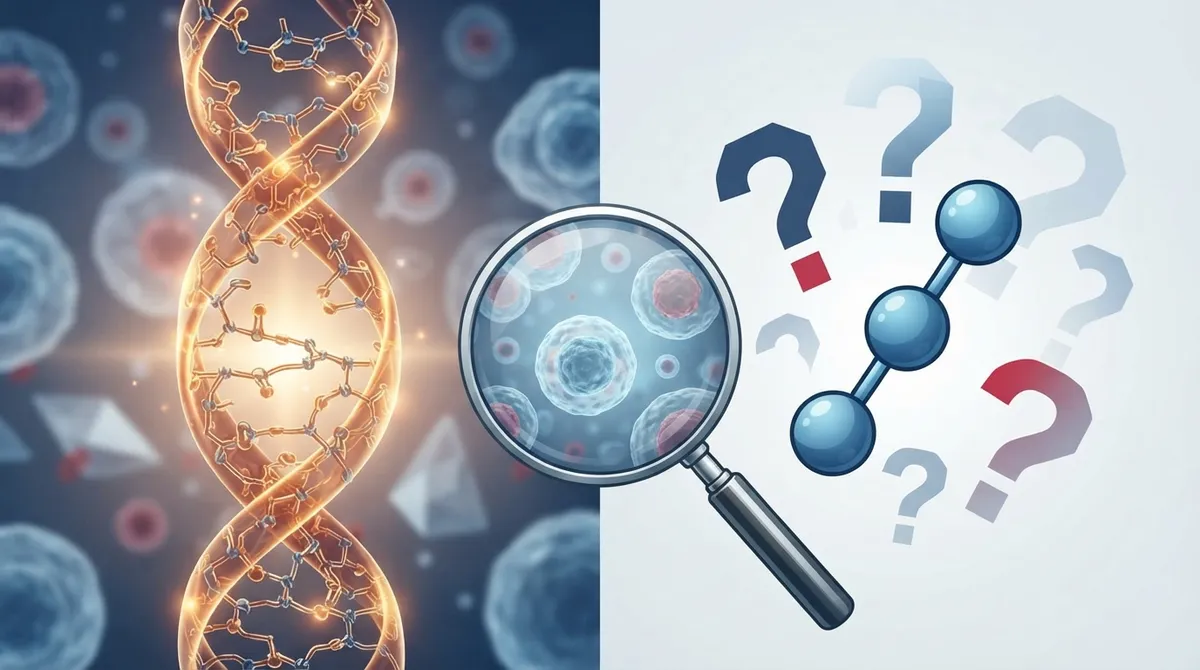
Your body sends out hidden signals every day. These signals control your growth, your fertility, and even your appetite. One of the most important signals scientists have ever found is called kisspeptin. The kisspeptin discovery changed how doctors understand puberty, fertility, and metabolism. If you have ever wondered why your hormones seem out of balance, this discovery holds part of the answer.
At InCare, our team stays current on emerging science like this. We believe patients deserve clear, honest information about new research, not hype. This guide breaks down the kisspeptin discovery in simple terms. You will learn its history, its role in your body, and why it matters for primary care and wellness today.
What Is Kisspeptin and Why Does It Matter
Kisspeptin is a small protein made in your brain. Scientists call these small proteins peptides. Kisspeptin acts like a messenger. It tells other brain cells when to release key reproductive hormones.
This messenger plays a major role in puberty, fertility, and even how your body senses your energy levels. Without kisspeptin, your reproductive system would not work properly. This is why the kisspeptin discovery is seen as such a big deal in medical science.
The Basic Function of Kisspeptin
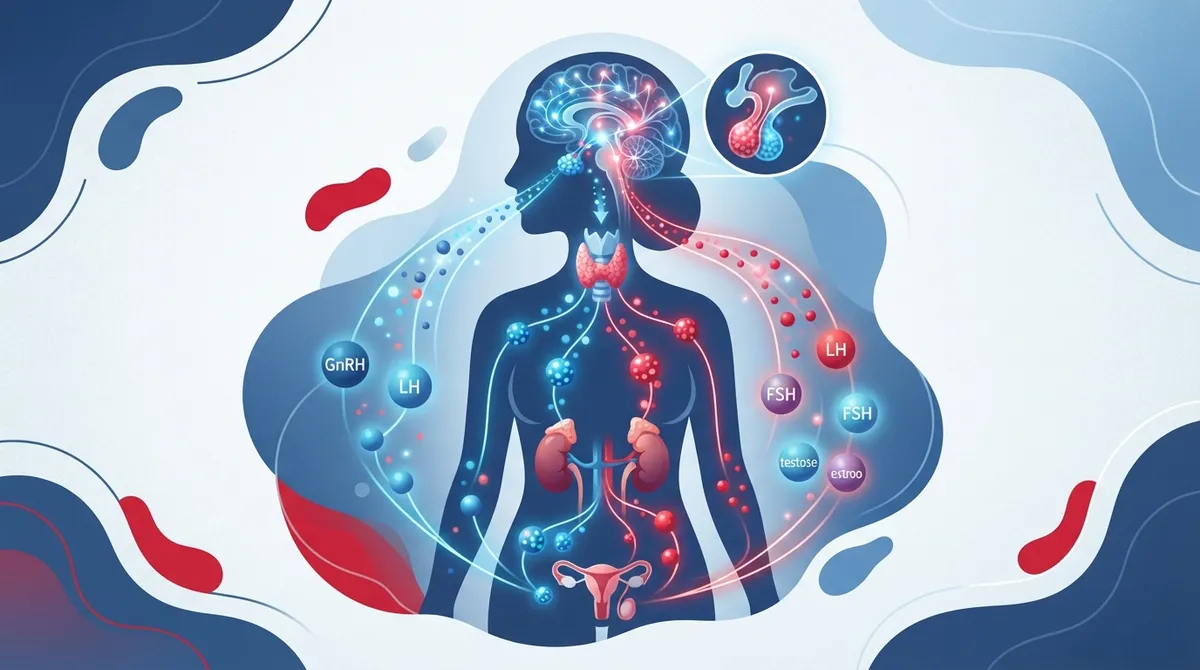
Kisspeptin talks to nerve cells in the brain called GnRH neurons. GnRH stands for gonadotropin-releasing hormone. These cells then signal the pituitary gland to release two more hormones: LH and FSH.
LH and FSH control your ovaries or testes. They manage your menstrual cycle, sperm production, and sex hormone levels. This chain reaction all starts with kisspeptin.
The History Behind the Kisspeptin Discovery
The story of kisspeptin starts in an unexpected place. It was not first found by fertility researchers. It was found by cancer scientists.
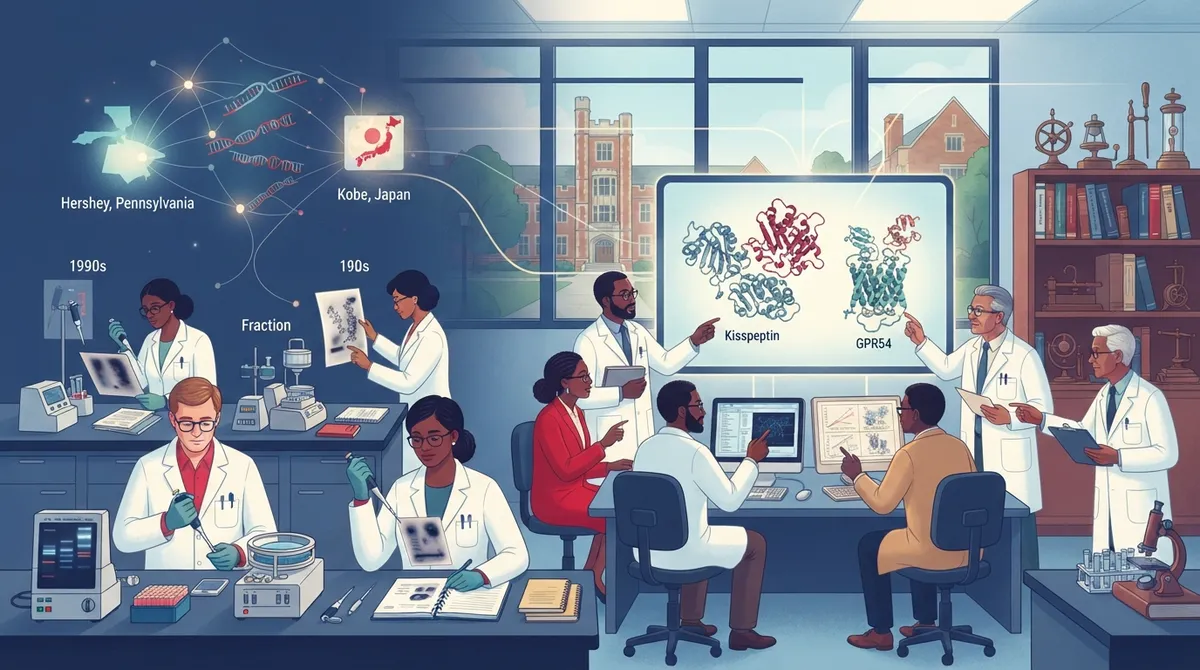
- 1996: Researchers studying human melanoma cells discovered a new gene. They named it KISS1. This name comes from Hershey, Pennsylvania, where the research took place. At first, scientists thought KISS1 only stopped cancer from spreading.
- 2001: Scientists found that KISS1 makes small proteins called kisspeptins. These proteins bind to a receptor called GPR54, later renamed KISS1R. This receptor had been a mystery for years before this link was made.
- 2003: This is the year everything changed. Human and animal studies showed that problems with KISS1 or KISS1R caused serious reproductive issues. Researchers realized kisspeptin was a master switch for puberty and fertility.
This timeline shows how one gene went from a cancer study to a hormone breakthrough. It is a great example of how scientific discovery often takes unexpected turns.
Different Forms of Kisspeptin
Kisspeptin is not just one single molecule. It comes in several forms, each with a different length.
- Kisspeptin-54: The longest form, made up of 54 amino acids
- Kisspeptin-14: A shorter, processed version
- Kisspeptin-13: Another short form found in research
- Kisspeptin-10: A minimal fragment used mostly in lab studies
All these forms share a similar active end piece. This piece is what activates the KISS1R receptor. Scientists still study which form works best and how long its effects last.
How Kisspeptin Connects to Fertility and Puberty
The kisspeptin discovery helped explain why puberty starts when it does. It also helped explain some causes of infertility. This matters greatly for patients trying to understand their reproductive health.
Kisspeptin neurons sit in a part of the brain called the hypothalamus. These neurons respond to signals from the body, including sex hormones and energy stores. This is why body weight and nutrition can affect your menstrual cycle or fertility.
Kisspeptin and Pregnancy
Interestingly, kisspeptin levels rise dramatically during pregnancy. A 2003 study found much higher levels of this peptide in pregnant women compared to non-pregnant women. This suggests the placenta plays a role in producing kisspeptin, though researchers are still studying exactly why this happens.
Kisspeptin and Energy Balance
Your body needs enough energy to support reproduction. Kisspeptin neurons act like a checkpoint. If your body senses low energy, it can reduce kisspeptin signaling. This can delay puberty or disrupt monthly cycles.
This connection explains conditions like functional hypothalamic amenorrhea. This happens when extreme dieting, stress, or over-exercise stops a woman's period. Researchers believe reduced kisspeptin activity may be part of the cause. If you are dealing with cycle irregularities, a visit for primary care can help identify the root issue.
Comparing Kisspeptin Forms and Their Research Status
|
Kisspeptin Form |
Amino Acid Length |
Common Use in Research |
Clinical Approval Status |
|---|---|---|---|
|
Kisspeptin-54 |
54 |
Human pharmacology studies |
Not FDA approved |
|
Kisspeptin-14 |
14 |
Animal and cell studies |
Not FDA approved |
|
Kisspeptin-13 |
13 |
Early receptor research |
Not FDA approved |
|
Kisspeptin-10 |
10 |
Minimal receptor-activating fragment |
Not FDA approved |
Why This Discovery Matters for Primary Care and Wellness
You might wonder why a hormone pathway found in a lab matters to your everyday health. The truth is, understanding kisspeptin helps doctors see the bigger picture of your hormone health.
Many patients come to a clinic with symptoms that seem unrelated. Irregular periods, low energy, trouble losing weight, and fertility struggles can all trace back to hormone signaling. Kisspeptin research gives doctors new tools to understand these connections.
Conditions Linked to Kisspeptin Signaling
- Delayed or early puberty in children and teens
- Functional hypothalamic amenorrhea in women
- Certain types of infertility in men and women
- Some hypogonadal disorders affecting hormone production
- Metabolic issues tied to energy balance and reproduction
It is important to note these are areas of ongoing research. Kisspeptin is not yet a standard treatment offered in most clinics. However, understanding the science helps your provider design better care plans using approved tools and testing.
What This Means During Your Visit
When you visit a wellness clinic, your provider may ask about your cycle, energy levels, weight changes, and stress levels. These questions help build a picture of your hormone health. Tools like DNA gene testing and body composition analysis can add helpful data to this picture.
Understanding pathways like kisspeptin also helps explain why weight loss programs often address more than just diet. Hormones and energy balance play a huge role in body weight and reproductive health.
Steps to Take If You Suspect a Hormone Imbalance
If you think your hormones might be out of balance, here is a simple path forward.
- Track your symptoms. Write down changes in your cycle, energy, weight, or mood.
- Schedule a visit with a trusted provider who can review your full health history.
- Ask about basic hormone testing, including LH, FSH, and thyroid levels.
- Discuss lifestyle factors like sleep, stress, and nutrition that affect hormone signaling.
- Follow up regularly to track progress and adjust your care plan as needed.
This process helps your provider find the real cause of your symptoms. It also avoids jumping to unproven treatments before ruling out simple explanations.
Current Research Status: What We Know and What We Don't
It helps to separate solid facts from early-stage research. The table below breaks this down clearly.
|
What We Know |
What Remains Unclear |
|---|---|
|
Kisspeptin activates GnRH neurons |
Ideal dosing for human treatment |
|
Kisspeptin rises sharply in pregnancy |
Long-term safety of repeated use |
|
Kisspeptin links energy status to fertility |
Best delivery method for therapy |
|
Short-term studies show general tolerability |
FDA approval timeline, if any |
Small studies have tested kisspeptin-54 in women with hypothalamic amenorrhea. One trial found that twice-daily doses lost effectiveness within about two weeks. This is called tachyphylaxis, meaning the body stops responding as strongly over time. Less frequent dosing seemed to preserve the effect longer in later studies. This shows why more research is still needed before any product could become standard care.
Risks of Unregulated Kisspeptin Products
Because kisspeptin is not FDA approved for general use, some products sold online raise safety concerns. Here is what to watch for.
- Purity issues from unregulated manufacturing
- Unknown risk of immune reactions to synthetic peptides
- Lack of dosing guidelines backed by strong clinical trials
- No guarantee of what is actually inside the product
- Absence of medical supervision during use
If you are curious about peptide therapies in general, it is safer to speak with a licensed provider first. Learn more about how clinics like ours approach peptide therapy in Tampa using safe, supervised protocols.
How InCare Approaches Hormone and Wellness Care
InCare focuses on whole-body health, not quick fixes. Our providers in Tampa and Riverview combine lab testing, imaging, and personalized plans to understand what is really happening in your body.
We do not offer kisspeptin as a treatment, since it remains investigational. But we do offer many tools to support your hormone health and overall wellness. These include IV hydration and vitamin drips, cancer screenings, and metabolic breath analysis to track how your body uses energy.
Our patients often share their experience on social media and review platforms. You can follow our updates on Facebook and Instagram, or check out helpful wellness tips on Tik Tok. You can also see what real patients say by visiting InCare on Google.
Why Location Matters for Your Care
Whether you live near our Riverview clinic or our Tampa office, having a local provider matters. Local care means faster appointments, easier follow-ups, and a team that understands your community's needs. Many of our patients start with a general wellness visit before addressing more specific hormone concerns.
To see what real patients experience, you can visit us on Google — InCare and read their reviews. Our 4.8 rating comes from years of consistent, personal care.
Common Myths About Kisspeptin
Misinformation spreads fast online, especially about new hormone science. Let's clear up a few myths.
- Myth: Kisspeptin is an approved fertility drug. Fact: It is still investigational and not FDA approved for routine use.
- Myth: Kisspeptin supplements can boost testosterone overnight. Fact: No proven supplement form exists for safe home use.
- Myth: More kisspeptin always means better fertility. Fact: Studies show repeated dosing can actually reduce its effect over time.
- Myth: Kisspeptin only matters for women. Fact: It also plays a role in male puberty and sperm production.
Understanding the real science helps you make safer choices about your health. Always talk to a licensed provider before trying any new therapy, especially one still under study.
Moving Forward with Confidence
The kisspeptin discovery is one of the most exciting stories in modern hormone science. It started with cancer research and turned into a key to understanding fertility, puberty, and metabolism. While kisspeptin therapy is not yet available for everyday use, the science behind it helps doctors give you better, more informed care today.
If you have concerns about your hormones, fertility, or overall wellness, do not wait to get answers. Our team is ready to listen and build a plan made just for you. Reach out to our care team today or schedule your appointment online to start your journey toward better hormone health.
FAQs
Q: What is kisspeptin and how was it discovered?
A: Kisspeptin is a brain protein that controls key reproductive hormones. It was first found in 1996 during cancer research, then linked to fertility signaling in 2003 through human and animal studies.
Q: Why was KISS1 originally studied as a cancer gene?
A: Researchers first identified KISS1 while studying melanoma cells. They found it stopped the cancer from spreading, which is why they named it a metastasis-suppressor gene before its hormone role was known.
Q: Can kisspeptin treat infertility or hypothalamic amenorrhea?
A: Kisspeptin shows promise in small research studies for these conditions, but it is not an approved or standard treatment. More clinical trials are needed before it becomes routine care.
Q: Is kisspeptin FDA approved or available by prescription?
A: No, kisspeptin is not FDA approved and is not a standard prescription product. Current research remains in small, short-term human trials rather than large-scale approved treatments.
Q: Does kisspeptin play a role in weight management?
A: Kisspeptin neurons respond to your body's energy levels, linking nutrition and body weight to reproductive hormone signals. This connection is studied, but it is not yet used as a direct weight-loss treatment.