

Key Takeaways
- Darier disease (keratosis follicularis) is a rare inherited condition caused by ATP2A2 gene mutations, not the common keratosis pilaris, and requires proper diagnosis to ensure correct treatment strategy.
- There is no cure for Darier disease, but daily moisturizing, gentle cleansing, loose clothing, sun protection, and trigger identification through a symptom diary significantly reduce flares and symptoms.
- Oral retinoids like acitretin or isotretinoin help nearly 90% of patients with widespread disease, but require strict medical supervision, regular blood work monitoring, and strict pregnancy prevention due to serious birth defect risks.
- Common triggers include heat, sweating, friction from tight clothing, sun exposure, skin infections, and stress; keeping a detailed symptom diary helps identify personal patterns within weeks to prevent flares.
- Contact a clinician immediately if you notice increasing redness, pus, honey-colored crusts, strong odor, fever, or painful grouped blisters, as these signs indicate skin infection requiring prompt antibiotics or antivirals.
- Primary care providers can confirm diagnosis, start basic treatment, monitor infections, and coordinate specialist referrals, while dermatology is needed for uncertain diagnoses, widespread disease, or consideration of oral retinoids and procedures.
Rough, scaly bumps that keep coming back can be frustrating. They can also be painful, itchy, and hard to explain to others. Many people who search for "keratosis follicularis treatment" are looking for answers about a skin condition that is rare, often misunderstood, and easy to confuse with something else.
Keratosis follicularis is the older name for Darier disease. It is an inherited skin disorder that causes thick, crusty, sometimes inflamed patches. It is not the same as keratosis pilaris, the common "chicken skin" on the arms and thighs. There is no cure for Darier disease, but good care can reduce flares, ease symptoms, and protect your skin from infection.
This guide explains what the condition is, how it is diagnosed, and which treatments are available in 2026. It also shows how a primary care team can help you manage it day to day, and when it is time to see a dermatologist.
What Is Keratosis Follicularis?
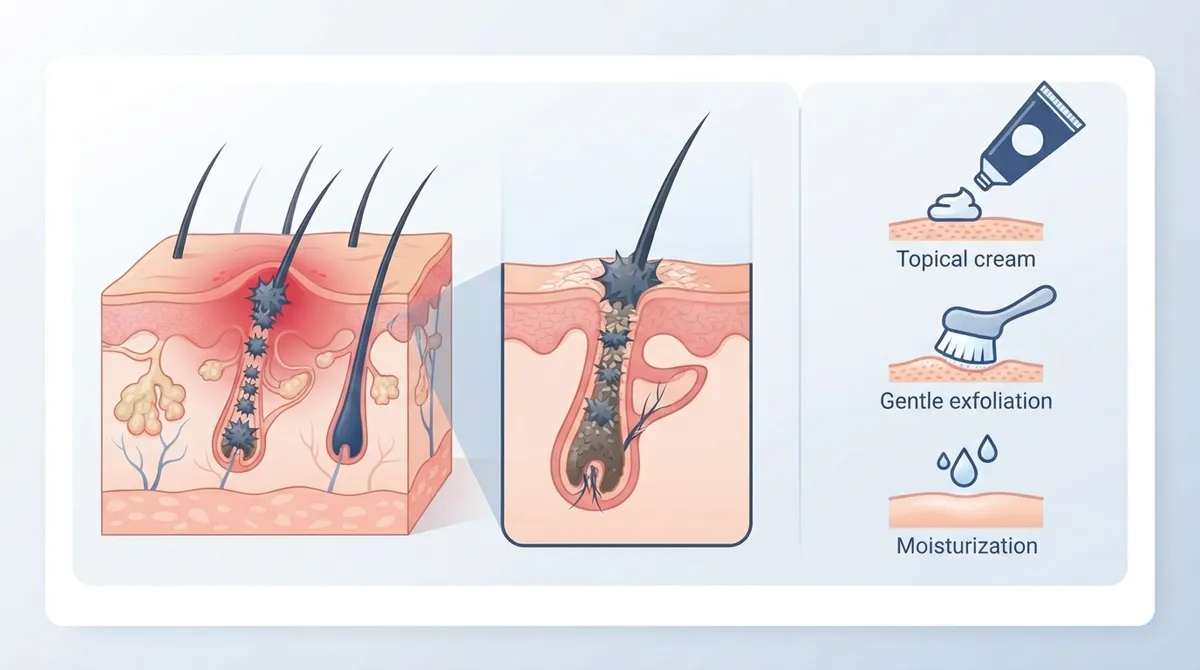
Keratosis follicularis, also called Darier disease, is a rare genetic skin disorder. It is caused by changes in a gene called ATP2A2. This gene helps skin cells stick together and mature the right way. When it does not work well, the skin builds up thick, rough, greasy-looking bumps.
The bumps often appear in oily areas of the body. Common spots include:
- The chest and upper back
- The scalp, forehead, and ears
- The neck and skin folds, such as the armpits and groin
- The backs of the hands and the nails
The lesions may be skin-colored, brown, or yellowish. They can crust over, smell unpleasant, or become sore. Nail changes are also common. These include v-shaped notches at the tip, white or red streaks, and thin, brittle nails.
Darier disease is rare. A 2026 consensus review reports estimates ranging from about 1 in 12,000 to 3.8 per 100,000 people, depending on the study and population. Symptoms often begin in the teen years or early adulthood and tend to come and go over a lifetime.

Keratosis Follicularis vs. Keratosis Pilaris: Why the Difference Matters
The names sound alike, so people often mix them up. They are very different conditions. Knowing which one you have is the first step toward the right plan.
|
Feature |
Keratosis Follicularis (Darier Disease) |
Keratosis Pilaris |
|---|---|---|
|
How common |
Rare |
Very common |
|
Cause |
Inherited gene change (ATP2A2) |
Keratin plugging hair follicles |
|
Typical look |
Greasy, crusty, thickened patches |
Small, dry, rough bumps |
|
Common areas |
Chest, back, scalp, skin folds |
Upper arms, thighs, cheeks |
|
Symptoms |
Itching, odor, soreness, flares |
Mostly cosmetic, mild dryness |
|
Nail changes |
Often present |
Not typical |
|
Outlook |
Lifelong, with flares and quiet periods |
Often improves with age |
If your bumps are painful, crusted, smelly, or spreading to skin folds, do not assume it is simple dryness. Get it checked by a clinician.
What Triggers a Darier Disease Flare?
Flares are common, and many people can link them to certain triggers. Learning your own pattern is one of the most useful steps you can take. Frequent triggers include:
- Heat and sweating: Hot weather, intense exercise, and tight clothing can make symptoms worse.
- Friction: Rubbing from straps, waistbands, or rough fabrics can irritate the skin.
- Sun exposure: Too much ultraviolet light can set off a flare in some people.
- Skin infection: Bacteria, yeast, or viruses can worsen the rash.
- Certain medicines and stress: Some people notice flares during illness or high stress.
A simple symptom diary helps. Note the date, the weather, your activity, and any new products or medicines. Share it with your doctor. Patterns often show up within a few weeks.
How Is Keratosis Follicularis Diagnosed?
Doctors usually diagnose Darier disease from the look of the skin, nail changes, and family history. Because it is inherited, a parent, sibling, or child may have similar signs, though they can be mild.
When the diagnosis is unclear, your clinician may suggest:
- A full skin and nail exam to look at the pattern and location of the lesions.
- A skin biopsy, where a small sample is checked under a microscope.
- Genetic testing to look for changes in the ATP2A2 gene.
- Swabs or cultures if infection is suspected.
A primary care visit is a smart place to start. Your provider can assess your symptoms, rule out look-alike conditions, and refer you to a dermatologist when needed. If you want to learn how a thorough first visit works, see our guide on what a primary care physician does.
Keratosis Follicularis Treatment Options
There is no cure, so treatment aims to calm the skin, ease symptoms, prevent infection, and limit flares. Your plan depends on how mild or severe the condition is and where it appears. Evidence for many treatments is limited, so care is tailored to each person.
Everyday Skin Care and Trigger Control
For mild disease, simple habits often make a big difference. Most plans start here:
- Apply a fragrance-free moisturizer (emollient) every day.
- Use gentle cleansers and lukewarm water instead of hot showers.
- Wear loose, soft, breathable clothing, especially in skin folds.
- Stay cool, and rinse and dry well after sweating.
- Use broad-spectrum sunscreen and limit time in strong sun.
These steps are low risk and support every other treatment. Florida's heat and humidity can make flares harder to manage, so cooling habits matter even more for people in Tampa and Riverview.
Topical Treatments
Creams and ointments are the next step for patches that stay thick or bothersome. A clinician may suggest:
- Keratolytics (such as urea or salicylic acid) to soften and thin scale.
- Topical retinoids to help normalize skin cell growth. These can irritate the skin, so they should be used with guidance.
- Short courses of topical corticosteroids for inflamed, red, or itchy areas.
- Antiseptic washes or targeted antibiotics and antifungals when infection is likely.
Use these products as directed. Overuse of irritating creams can make the skin worse.
Oral Retinoids for Widespread or Stubborn Disease
When the disease is widespread or does not respond to creams, a dermatologist may prescribe oral retinoids such as acitretin or isotretinoin. A 2023 clinical review reports that oral retinoids helped nearly 90% of patients with worsening disease. That figure comes from limited clinical literature, so it should not be read as a guaranteed result.
These medicines need careful medical supervision:
- They can cause dry skin and lips, joint aches, and changes in blood tests.
- Regular monitoring, including blood work, is usually needed.
- They are highly teratogenic, meaning they can cause serious birth defects. Pregnancy prevention and counseling are essential for anyone who could become pregnant.
Never take or share these drugs without a prescriber's oversight.
Procedures for Localized, Resistant Lesions
For small areas that do not improve, a specialist may consider procedures such as ablative laser treatment or dermabrasion. These options are used selectively. Newer approaches, including biologic medicines, are mostly supported by case reports so far and are not routine care.
How to Tell Whether a Flare Is Infected
People with Darier disease get skin infections more often because the skin barrier is weaker. Quick action prevents bigger problems. Contact a clinician if you notice:
- Increasing redness, warmth, or swelling
- Pus, honey-colored crusts, or a strong new odor
- Fever or feeling unwell
- Rapidly worsening pain
Pay special attention to painful, grouped blisters or open sores. These can signal a herpes simplex infection, which needs prompt assessment and antiviral treatment. If you need fast evaluation, same-day urgent care can help you get answers without a long wait.
The Role of Primary Care in Managing Darier Disease
A rare skin condition is easier to manage when one team keeps the full picture. Primary care can help in several ways:
- Confirming the likely diagnosis and ruling out similar rashes.
- Starting basic treatment and teaching trigger control.
- Spotting and treating infections early.
- Coordinating referrals to dermatology when disease is extensive or uncertain.
- Monitoring medicine safety, including labs when retinoids are used.
- Supporting overall health, including mood and sleep, which can suffer with a visible skin condition.
Coordinated care also helps you avoid gaps between providers. Learn more about this approach in our article on fragmented care vs. coordinated care.
At InCare, our team combines personalized primary care with modern tools to build a plan that fits your life. Our providers take time to review your history, your triggers, and your goals. Patients across Tampa and Riverview can also see what others say by reading reviews when they visit us on Google — InCare.
When to See a Dermatologist
Primary care is a strong starting point, but some situations call for a skin specialist. Ask for a dermatology referral if:
- The diagnosis is uncertain or a biopsy is needed.
- The rash is widespread, painful, or keeps returning.
- Creams and gentle care are not working.
- You and your doctor are considering oral retinoids or procedures.
- You have frequent infections or flares that affect work, sleep, or daily life.
Your primary care provider can send records, photos, and your symptom diary so the specialist starts with a clear picture.
Living Well With a Chronic Skin Condition
Darier disease is lifelong, but many people live full, active lives with the right plan. A few steps can help you stay ahead of symptoms:
- Keep a regular skin care routine, even when your skin looks clear.
- Plan summer activities around heat, shade, and cooling breaks.
- Keep up with checkups so small problems are caught early.
- Talk openly about how the condition affects your mood and confidence.
- Ask family members to be checked if they have similar skin or nail signs.
Staying on top of your general health also supports your skin. Routine visits, vaccines, and screenings are part of whole-body care. See what a yearly visit includes in our guide to what happens during an annual physical exam.
You can also follow our team for health tips on Instagram, Facebook, and TikTok.
Conclusion
Keratosis follicularis treatment is about steady, personalized care. There is no cure, but daily skin care, smart trigger control, targeted creams, and, when needed, specialist-guided medicines can bring real relief. The key is getting the right diagnosis first and acting quickly when signs of infection appear.
If you are dealing with stubborn, crusty, or painful skin bumps, you do not have to figure it out alone. Book Now with InCare to start a clear plan, or contact our team with questions. We offer in-person visits in Tampa and Riverview, plus virtual appointments for added convenience.
FAQs
Q: Is keratosis follicularis the same as keratosis pilaris?
A: No. Keratosis follicularis, also called Darier disease, is a rare inherited skin disorder with crusty, greasy patches. Keratosis pilaris is a very common, mild condition that causes small, rough bumps on the arms and thighs.
Q: Can keratosis follicularis be cured?
A: There is no cure for Darier disease at this time. Treatment focuses on easing symptoms, preventing infection, and reducing flares through skin care, topical medicines, and, for severe cases, specialist-prescribed oral retinoids.
Q: What triggers Darier disease flare-ups?
A: Common triggers include heat, sweating, friction from clothing, strong sunlight, and skin infections. Keeping a symptom diary can help you and your clinician spot your personal patterns and prevent flares.
Q: When are oral retinoids used for Darier disease?
A: A dermatologist may prescribe oral retinoids such as acitretin or isotretinoin for widespread or persistent disease that does not respond to creams. They require regular monitoring and strict pregnancy prevention because they can cause serious birth defects.
Q: When should I see a doctor about a Darier disease flare?
A: See a clinician if you notice spreading redness, pus, a new odor, fever, or painful grouped blisters, as these can signal infection. You should also seek care if the rash is widespread or not improving with basic skin care.


