Key Takeaways
- Informed patients are significantly more likely to adhere to treatment plans, take medications correctly, and recognize warning signs early, leading to measurable improvements in outcomes like blood pressure control and cardiovascular risk reduction.
- Effective health education must be tailored to individual patients' literacy levels, learning styles, and real-world barriers—using plain language, visual aids, and actionable steps rather than complex medical terminology.
- Modern primary care clinics use digital tools like patient portals, text reminders, and advanced diagnostic visualizations to reinforce education and allow patients to review information at their own pace outside appointments.
- Health literacy—the ability to find and understand health information—directly impacts treatment adherence and hospital readmission rates; primary care providers play a critical role in closing this gap through clear communication.
- Prepare for appointments by writing down questions in advance, requesting written materials or digital resources, and following up through patient portals to maximize the value of limited appointment time.
- Educational needs vary significantly across life stages, from young adults establishing preventive baselines to older adults managing multiple chronic conditions, requiring clinics to adapt their teaching approach for stronger patient relationships.
Walking out of a doctor's visit with more questions than answers is a common frustration. Many patients leave appointments unsure how to manage a new diagnosis or use a prescribed medication correctly. This gap is exactly why health education for educational purposes has become a core part of modern primary care, not just an afterthought. At clinics like InCare, education is woven into every visit, from routine checkups to advanced wellness screenings.
Understanding what educational purposes means in a clinical setting can help you get more value from every appointment. It also helps you know what questions to ask and what information you deserve to receive. This article breaks down how health education works in primary care, why it matters, and how it directly improves your health outcomes.

What Does Educational Purposes Mean in Primary Care?
In a primary care setting, educational purposes refers to the information, guidance, and skills-building that clinicians provide to help patients understand their health. This includes explaining diagnoses in plain language, teaching self-management skills, and clarifying treatment options. The goal is simple: help patients make informed decisions about their own care.
The World Health Organization identifies patient education as a key component of safer, higher-quality primary care. Rather than treating education as optional, it is considered a core function of the primary care model, alongside diagnosis and treatment. This means every visit, whether for a primary care checkup or a wellness consultation, should include a learning component.
Why Patient Education Is a Clinical Priority
Health systems worldwide have shifted toward empowering patients rather than simply issuing instructions. This shift matters because informed patients tend to follow treatment plans more closely and catch problems earlier. Three key reasons explain why clinics prioritize education:
- Patients who understand their condition are more likely to stick with treatment plans and medication schedules.
- Clear education reduces confusion that can lead to missed follow-up appointments or medication errors.
- Informed patients recognize warning signs earlier, which supports timely intervention before problems worsen.

How Health Education Improves Patient Outcomes
Research backs up the value of education in primary care settings. A systematic review of health education interventions in primary care found measurable improvements in daily physical activity and cardiovascular risk factors. Patients who received structured education saw better blood pressure numbers, healthier lipid profiles, and lower overall cardiovascular risk scores.
These findings show that education is not just a nice extra. It produces measurable, trackable results. When a provider takes time to explain how blood pressure medication works or why a certain diet supports heart health, patients are more likely to make lasting changes.
Key Benefits of Wellness Education for Patients
- Better understanding of chronic conditions like diabetes, hypertension, and high cholesterol
- Improved medication adherence and fewer dosing errors
- Increased confidence in managing day-to-day health decisions
- Higher satisfaction with the overall care experience
- Stronger ability to recognize early warning signs of serious illness
- Greater engagement in preventive services like cancer screening and annual wellness visits
Examples of Educational Purposes in a Primary Care Clinic
Education happens in many forms throughout a typical clinic visit. Some of it is verbal, some is written, and increasingly, some is delivered through digital tools and apps. Below is a breakdown of common educational touchpoints you might encounter during a visit.
Educational TouchpointPurposeExampleDiagnosis explanationHelp patients understand their conditionExplaining what elevated A1C levels mean for diabetes riskMedication counselingImprove adherence and reduce errorsReviewing how and when to take a new prescriptionPreventive screening guidanceEncourage early detectionDiscussing recommended screening ages for cancer screeningsLifestyle coachingSupport behavior changeGuidance during a weight loss consultationTest result interpretationClarify data from advanced testingExplaining results from DNA gene testing
How Technology Supports Modern Health Education
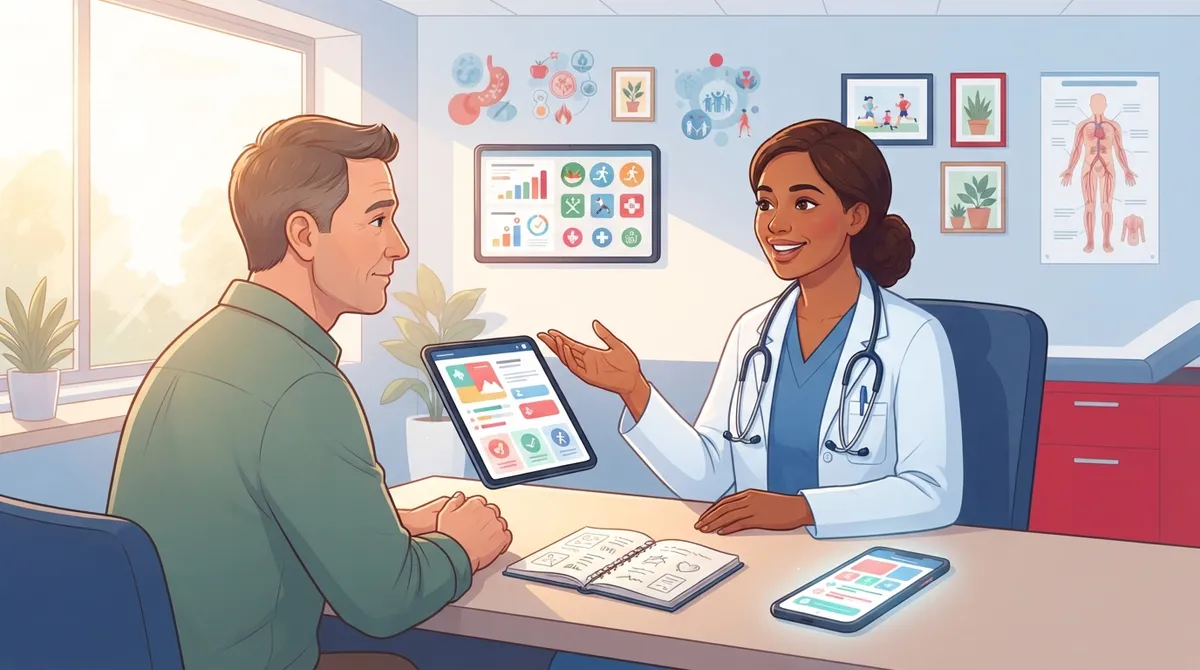
Many clinics now use digital tools to reinforce what patients learn during in-person visits. Patient portals, text reminders, and visual health trackers all serve an educational purpose. These tools help patients review information at their own pace instead of relying solely on memory.
Advanced diagnostic tools also play a teaching role. Services like metabolic breath analysis and body composition scans give patients visual, easy-to-understand data about their own bodies. Seeing real numbers tends to make health education more memorable than verbal advice alone.
How Primary Care Supports Preventive Health Education
Prevention is one of the biggest reasons primary care exists. Instead of waiting for a problem to become serious, primary care teams use education to help patients catch issues early. This proactive approach saves both money and long-term health complications.
The Centers for Disease Control and Prevention notes that effective health education should teach functional health information, shape healthy attitudes, and build practical skills. This framework applies just as well to adult wellness visits as it does to school health programs. Below are the main components of preventive education used in most primary care settings.
Core Components of Preventive Education
- Teaching patients to recognize early symptoms that require medical attention
- Explaining screening schedules based on age, gender, and family history
- Providing lifestyle guidance around diet, exercise, and sleep
- Reviewing family medical history to identify genetic risk factors
- Offering follow-up resources so patients can continue learning after their visit
This is also where services like urgent care intersect with education. Even a same-day visit for an infection or injury includes teaching moments, such as how to care for a wound or when symptoms indicate a need for further testing.
What Makes Health Education Effective in Primary Care?
Not all education is equally effective. The best health education is tailored to the individual, considering their literacy level, learning style, and real-world barriers. A patient juggling three jobs needs different guidance than a retiree with more flexible time.
Effective health education typically includes these characteristics:
- Uses plain language instead of complex medical terminology
- Matches the patient's reading level and preferred communication style
- Provides practical, actionable steps rather than vague advice
- Includes visual aids or written materials for later reference
- Allows time for questions and clarification during the visit
- Connects education to the patient's specific goals, such as weight management or hormone balance
Health Literacy and Its Connection to Primary Care
Health literacy refers to a person's ability to find, understand, and use health information to make decisions. Low health literacy is linked to poorer health outcomes and higher hospital readmission rates. Primary care providers play a critical role in closing this gap by simplifying complex medical information.
Clinics that prioritize health literacy tend to see better patient engagement across services, from IV hydration therapy to advanced screenings. When patients understand why a treatment matters, they are more likely to follow through with the recommended plan.
Comparing Educational Approaches Across Wellness Services
Different wellness services require different educational strategies. The table below highlights how education is tailored across a few common service areas at a modern wellness clinic.
Service AreaEducational FocusTypical FormatWeight Loss ProgramsNutrition, exercise, medication guidanceOne-on-one coaching, written meal plansDNA Gene TestingGenetic risk interpretationResult review sessions, printed reportsHair RestorationTreatment expectations and aftercareIn-person consultation, follow-up instructionsCancer ScreeningRisk factors and screening frequencyVerbal counseling, screening schedules
Steps to Get the Most Out of Educational Guidance at Your Next Visit
You can take an active role in your own health education. Preparing ahead of time helps you absorb more information during a limited appointment window. Consider these steps before your next visit.
- Write down your questions in advance so you don't forget them during the appointment.
- Ask your provider to explain any term or result you don't fully understand.
- Request written materials or digital resources you can review later at home.
- Bring a list of current medications and supplements for accurate counseling.
- Follow up through a patient portal if new questions arise after your visit.
Providers such as those featured in InCare's provider directory are trained to walk patients through this process step by step. This includes physicians like those profiled on the Pramjeet Ahluwalia MD and Naveen Paddu MD pages, who emphasize clear communication during every visit.
Why Choose a Clinic That Prioritizes Education
Choosing a clinic that values education means choosing a partner in your long-term health, not just a place for quick fixes. Clinics that build education into every visit tend to see stronger patient satisfaction and better follow-through on treatment plans. This is especially important for families managing multiple health needs at once.
InCare, with locations in Tampa and Riverview, structures its care model around this principle. Patients consistently highlight the clarity and attentiveness of the staff, which reflects in the clinic's strong 4.8 out of 5 rating on Google. You can visit us on Google — InCare to read detailed patient experiences firsthand.
Educational Support Across the Patient Lifespan
Health education needs change as patients age and their health priorities shift. A young adult exploring preventive screenings has different questions than a senior managing multiple chronic conditions. Below are common educational needs by life stage.
- Young adults: guidance on preventive screenings and establishing a baseline health record
- Growing families: education on childhood milestones and preventive care schedules
- Working adults: chronic disease management and stress-related health guidance
- Older adults: medication management and fall prevention strategies
Clinics that adapt their teaching style to these life stages tend to build stronger, longer-lasting patient relationships. This adaptability is part of what defines high-quality, person-centered primary care.
Staying Connected Between Visits
Education doesn't stop when you leave the exam room. Many clinics now extend learning opportunities through social channels and digital content. Following a clinic's Facebook page, Instagram account, or TikTok channel can provide ongoing tips between appointments.
This kind of continuous education helps reinforce what you learn during in-person visits. It also keeps you updated on new services, seasonal health reminders, and general wellness tips relevant to your care plan.
Take the Next Step Toward Better Health Understanding
Educational purposes in primary care are about more than handing out pamphlets. They represent a commitment to helping patients understand their bodies, their risks, and their options. This understanding leads to better decisions, stronger adherence to treatment, and improved long-term outcomes.
If you're ready to experience a primary care visit built around clear communication and personalized guidance, our team is here to help. Book your appointment today or reach out to our team with any questions about our services in Tampa or Riverview.
FAQs
Q: What does educational purposes mean in primary care?
A: In primary care, educational purposes refers to the information and guidance providers give patients to help them understand their health conditions, treatments, and prevention strategies. This includes explaining diagnoses in plain language, teaching self-management skills, and clarifying medication instructions. The goal is to empower patients to make informed decisions about their own care.
Q: Why is patient education important in primary care and wellness?
A: Patient education improves medication adherence, increases satisfaction with care, and helps patients recognize warning signs earlier. Studies show that education-focused interventions in primary care improve outcomes like blood pressure and cardiovascular risk scores. Without clear education, patients are more likely to misunderstand treatment plans or delay necessary care.
Q: How does health education improve patient outcomes?
A: Health education improves outcomes by helping patients understand why treatments matter and how to follow them correctly. Research shows measurable improvements in physical activity levels and cardiovascular risk factors among patients who receive structured health education. This translates to fewer complications and better long-term disease management.
Q: What are examples of educational purposes in a primary care clinic?
A: Common examples include explaining lab results, reviewing new prescriptions, discussing preventive screening schedules, and providing lifestyle coaching during weight loss consultations. Clinics also use visual tools like body composition scans to make health data easier to understand. These touchpoints occur throughout nearly every type of visit, from routine checkups to specialized wellness services.
Q: How is health literacy connected to primary care education?
A: Health literacy refers to a patient's ability to understand and use health information effectively. Primary care providers support health literacy by simplifying medical terminology and tailoring explanations to each patient's needs. Stronger health literacy is directly linked to better treatment adherence and improved overall health outcomes.