Key Takeaways
- Sublingual administration bypasses first-pass liver metabolism, allowing medications like nitroglycerin to reach peak blood levels within minutes—critical for emergencies where speed matters.
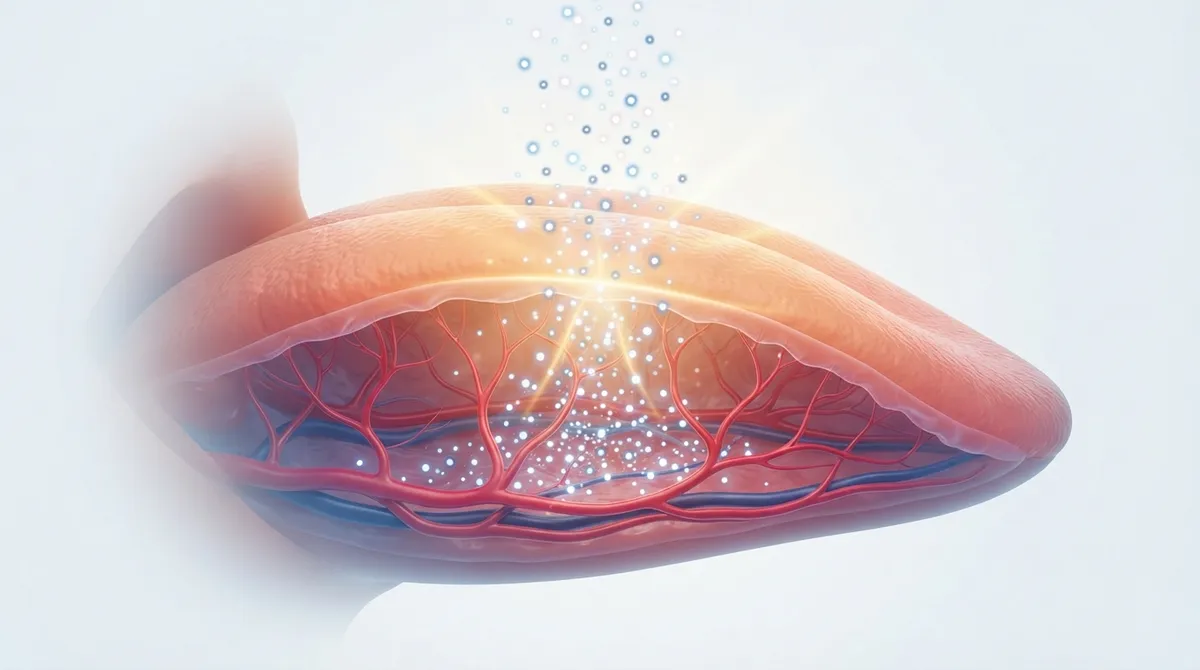
- The tissue under your tongue contains a rich network of blood vessels and thin mucous membrane, enabling direct bloodstream absorption without digestive breakdown, making it ideal for fast-acting drugs.
- Sublingual immunotherapy (SLIT) offers a needle-free, at-home alternative to allergy shots for building tolerance to allergens, though effectiveness varies by individual and allergen type.
- Sublingual vitamins like B12 may provide better bioavailability for patients with digestive disorders, reduced stomach acid, or difficulty swallowing traditional pills.
- Research is exploring needle-free sublingual vaccine administration and faster-acting treatments for anxiety and hormone therapies, potentially expanding treatment options beyond current medications.
- Sublingual delivery works differently from buccal administration—sublingual (under tongue) absorbs faster for emergency medications, while buccal (cheek-gum) provides slower, sustained release for extended treatments.
Many patients feel a small tablet under their tongue and wonder what actually happens next. This simple habit, known as sublingual administration, plays a bigger role in modern healthcare than most people realize. From fast-acting heart medications to allergy drops used at home, the sublingual route offers a direct path into the bloodstream that traditional pills cannot match.
At InCare, patients across Tampa and Riverview often ask how different medication routes affect their treatment plans. Understanding sublingual delivery can help you make smarter choices about your care, whether you are managing allergies, heart health, or exploring new wellness options with your primary care provider. This guide breaks down what sublingual means, how it works, and why it matters for your health.

What Does Sublingual Mean in Medicine?
The word sublingual simply means "under the tongue." In healthcare, it describes a way of taking medicine by placing it under your tongue instead of swallowing it. The tablet, drop, or spray dissolves there and gets absorbed directly into your bloodstream.
This method skips the usual digestive process. Instead of traveling through your stomach and intestines, the medicine enters your blood through the thin tissue under your tongue. This tissue is packed with tiny blood vessels, making it an efficient entry point for certain drugs.
Why the Under-the-Tongue Area Works So Well
The area under your tongue has a few unique features that make it ideal for drug absorption. These include:
- Thin mucous membrane that allows quick penetration
- Rich network of blood vessels close to the surface
- Direct access to the bloodstream without digestive breakdown
- Moist environment that helps tablets dissolve fast
Because of these traits, some medications can start working within minutes. This speed matters most in situations where every second counts, such as sudden chest pain or severe allergic reactions.

How Sublingual Medication Works in the Body
When you place a sublingual tablet under your tongue, it begins dissolving almost immediately. The active ingredients pass through the mucous membrane and enter small blood vessels called capillaries. From there, the medicine joins your general blood circulation.
This process bypasses something called first-pass metabolism. Normally, when you swallow a pill, your liver processes it before it reaches the rest of your body. This process can break down a portion of the drug, reducing how much actually works. Sublingual administration avoids this step entirely.
The Science Behind Faster Absorption
Research published through the National Institutes of Health explains that sublingual and buccal routes can provide faster absorption and better patient compliance compared to standard oral pills. This is especially useful for drugs that need to act quickly or that lose potency when broken down by the liver.
For example, nitroglycerin, a medication used for chest pain, can reach peak levels in the blood within minutes when taken sublingually. Captopril, a blood pressure medication, shows similar rapid results. These fast response times can make a real difference during medical emergencies.
Common Sublingual Medications Used in Primary Care
Several medications commonly used in primary care and wellness settings are designed for sublingual use. Here is a look at how they compare:
Medication TypeCommon UseWhy Sublingual Route Is ChosenNitroglycerinChest pain reliefRapid onset needed for angina symptomsCaptoprilBlood pressure controlFast absorption improves emergency responseAllergy immunotherapy tabletsAllergic rhinitis treatmentConvenient at-home dosing without injectionsCertain vitamins (B12, D3)Nutrient supplementationBetter absorption for some patients
Each of these examples shows why doctors choose the sublingual route. It is not about preference alone. It is about matching the drug delivery method to the patient's specific medical need.
Sublingual Immunotherapy for Allergies
One of the most talked-about sublingual treatments in wellness care today is sublingual immunotherapy, often called SLIT. This treatment helps people with allergies build tolerance to specific allergens like pollen or dust mites.
Instead of getting weekly allergy shots at a clinic, patients place a tablet or drop under their tongue at home. Over time, repeated exposure to small amounts of the allergen can reduce symptoms like sneezing, congestion, and itchy eyes.
Benefits of Sublingual Immunotherapy
SLIT has grown in popularity because it offers several advantages over traditional allergy shots:
- Self-administration at home reduces the need for frequent office visits
- No needles are involved, making it a good option for people who fear injections
- Treatment can fit more easily into busy schedules
- It may be used as an add-on therapy for allergic asthma linked to dust mites
- Many patients find it more convenient for long-term allergy management
However, SLIT is not a guaranteed fix for everyone. A 2011 primary care trial involving children with house dust mite allergies found that SLIT was not more effective than a placebo for reducing rhinitis symptoms in that particular study. The treatment was still considered safe, but results can vary based on the individual and the allergen involved.
Is Sublingual Immunotherapy Right for You?
Deciding whether SLIT fits your treatment plan depends on several factors. A conversation with your primary care provider can help clarify whether this option makes sense for your specific allergies and lifestyle.
Questions to Discuss With Your Doctor
Before starting sublingual immunotherapy, consider asking your provider these questions:
- What allergens are causing my specific symptoms?
- How long will treatment take before I notice improvement?
- Are there any side effects I should watch for?
- Can this therapy work alongside other allergy medications I already use?
- Is this a good fit for my asthma or respiratory concerns?
Getting clear answers before starting any new treatment helps set realistic expectations. Your care team at InCare can walk through your medical history and allergy triggers to build a plan that fits your needs.
Sublingual vs Buccal Administration: What Is the Difference?
People sometimes confuse sublingual and buccal medication routes. While both avoid swallowing, they are not the same thing. Understanding the difference can help you follow your doctor's instructions correctly.
FeatureSublingual RouteBuccal RoutePlacementUnder the tongueBetween cheek and gumAbsorption SpeedGenerally fasterSlightly slower, more sustainedCommon UsesEmergency heart medications, allergy dropsExtended-release pain relief, hormone therapyBlood Vessel DensityVery highModerate
Both routes offer benefits over standard swallowed pills, but the choice depends on how quickly the medication needs to act and how long it should stay active in the body.
Can Vitamins and Supplements Be Taken Sublingually?
Yes, many vitamins and supplements now come in sublingual form. Vitamin B12 is one of the most common examples, especially for people with absorption issues related to digestive conditions or age-related changes.
Sublingual vitamins may offer better bioavailability for certain nutrients, meaning more of the vitamin actually reaches your bloodstream. This can be particularly helpful for patients exploring options through IV hydration and vitamin drip therapy or other wellness-focused treatments designed to support energy and overall health.
Who Might Benefit From Sublingual Supplements
Certain groups of patients may find sublingual vitamins especially useful:
- Individuals with digestive disorders that limit nutrient absorption
- Older adults with reduced stomach acid production
- People who have difficulty swallowing traditional pills
- Those looking for faster results from daily supplementation
If you are curious about how sublingual supplements might fit into your wellness routine, discussing options with a knowledgeable provider is a smart first step.
Emerging Research on Sublingual Delivery Methods
The interest in sublingual and buccal drug delivery continues to grow within the medical community. According to a review published on ScienceDirect, researchers are studying these routes not just for existing medications but for new applications, including vaccines.
Interest in sublingual vaccine administration has increased significantly in recent years, with several preclinical studies published over the past decade. This growing area of research could eventually expand how vaccines and other treatments are delivered, offering needle-free options for certain immunizations.
Why This Matters for Future Wellness Care
As research advances, sublingual delivery may become more common for a wider range of treatments. Potential future applications include:
- Needle-free vaccine options for common illnesses
- Faster-acting treatments for anxiety or panic symptoms
- Improved delivery for hormone therapies
- Better options for patients who struggle with traditional pill forms
Staying informed about these developments helps patients have more productive conversations with their healthcare providers about treatment options.
How InCare Supports Your Medication and Wellness Needs
Choosing the right medication delivery method is just one part of a larger health picture. At InCare, our team takes time to understand your full health history before recommending any treatment, including sublingual options when appropriate.
Whether you need help managing allergies, exploring weight loss programs, or want a full cancer screening as part of your preventive care plan, our providers combine medical expertise with modern technology to give you answers you can trust. Patients in Tampa and Riverview count on us for straightforward, personalized care.
Our providers, including those featured on our physician team pages, take a whole-body approach to wellness. This means looking beyond a single symptom to understand what is really driving your health concerns, whether that involves allergies, hormone balance, or nutrient deficiencies.
What to Expect During a Visit
When you visit InCare to discuss medication options like sublingual therapies, here is what typically happens:
- A detailed review of your current symptoms and medical history
- Discussion of treatment goals and lifestyle considerations
- Explanation of available options, including sublingual, oral, or injectable forms
- A personalized plan based on your specific needs
- Follow-up scheduling to track your progress over time
This step-by-step process ensures you understand why a specific treatment route was chosen for your care, rather than receiving a one-size-fits-all prescription.
Making an Informed Decision About Your Treatment
Sublingual medication offers real benefits for certain conditions, especially when speed matters or when avoiding injections is a priority. But it is not automatically the best choice for every situation. The right method depends on the specific drug, your health history, and your personal preferences.
Patients interested in learning more about allergy treatment, vitamin therapy, or other wellness services can explore our Tampa and Riverview locations to find the option that fits their schedule. Many patients also follow our updates and patient stories on Facebook and Instagram for helpful health tips throughout the year.
For those who want a closer look at real patient experiences, you can also visit us on Google — InCare to read reviews from people who have trusted our team with their care. Our 4.8-star rating reflects the personalized attention patients receive at every visit.
Take the Next Step With InCare
Understanding how sublingual medication works can help you feel more confident about your treatment options, whether you are managing allergies, heart health, or exploring vitamin therapy. Our providers are here to guide you through every choice with clear explanations and a focus on your long-term wellness.
If you have questions about sublingual treatments, allergy management, or any other primary care need, our team is ready to help. Reach out to our care team today or schedule your appointment online to start building a healthcare plan that truly fits your life.
FAQs
Q: What does sublingual mean in medicine?
A: Sublingual means placing medication under the tongue so it dissolves and absorbs directly into the bloodstream. This route bypasses digestion and can lead to faster results compared to swallowing a pill.
Q: How does sublingual medication work?
A: The tissue under the tongue contains many small blood vessels close to the surface. As the medication dissolves, it passes through this tissue and enters the bloodstream directly, avoiding the digestive system and liver processing.
Q: What is sublingual immunotherapy for allergies?
A: Sublingual immunotherapy, or SLIT, involves placing allergy tablets or drops under the tongue to build tolerance to allergens like pollen or dust mites over time. It offers a needle-free, at-home alternative to traditional allergy shots.
Q: Is sublingual immunotherapy effective and safe?
A: SLIT is generally considered safe for most patients, though effectiveness can vary. Some studies show strong symptom improvement, while others found results similar to a placebo, so discussing your specific case with a provider is important.
Q: What is the difference between sublingual and buccal administration?
A: Sublingual medication is placed under the tongue and typically absorbs faster, while buccal medication is placed between the cheek and gum and often provides a slower, more sustained release.