Key Takeaways
- Retatrutide is a triple-receptor agonist targeting GLP-1, GIP, and glucagon simultaneously, unlike approved drugs that target only one or two receptors, enabling it to reduce appetite, improve blood sugar control, and increase calorie burning through multiple pathways.
- Clinical trials showed retatrutide produced 24-28% average weight loss over 48-80 weeks, substantially higher than single-receptor drugs, but remains investigational and not FDA-approved as of 2026.
- Retatrutide is 8.9 times more potent at the GIP receptor than the body's natural GIP, and glucagon activation may increase energy expenditure and fat breakdown, distinguishing it from tirzepatide which only targets GLP-1 and GIP.
- Serious side effects including dysesthesia (abnormal skin sensations) occurred in 20.9% of patients at the highest dose versus 0.7% on placebo, highlighting safety concerns that have delayed FDA approval.
Weight loss drugs are changing fast. If you follow health news, you may have heard about a new medicine called retatrutide. Patients often ask their primary care doctor about it. They want to know how it works and if it is safe. This article explains the retatrutide mechanism of action in plain language, so you can have an informed talk with your care team.
At InCare, our providers in Tampa and Riverview stay current on new treatments in weight loss and metabolic health. We believe patients deserve clear, honest information. This is true even when a drug is still being studied and is not yet approved. Let's break down what retatrutide is, how it works, and what it might mean for your health goals.
What Is Retatrutide?
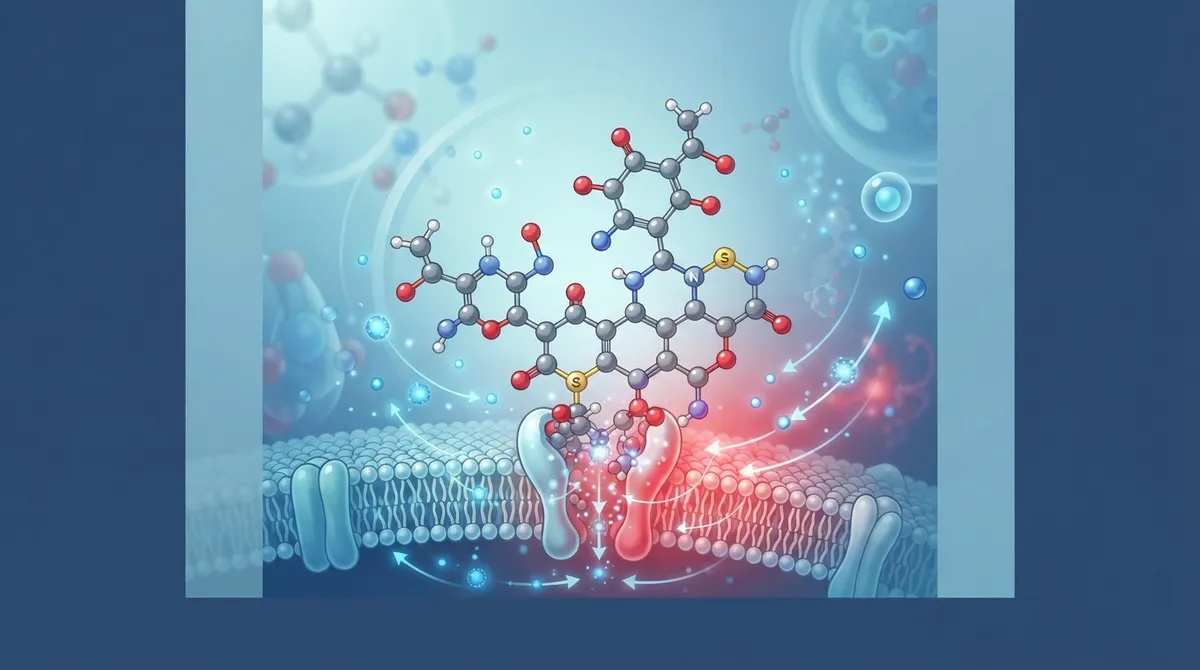
Retatrutide, also known by its research name LY3437943, is a new type of injectable medicine. It is given once a week. Scientists designed it to act on three different hormone receptors at the same time. This makes it different from many current weight loss drugs, which usually target only one or two receptors.
It is important to know that retatrutide is still investigational. This means it is not yet approved by the FDA for weight loss, diabetes, or any other use. You cannot get a legal prescription for it right now. Any product sold online claiming to be retatrutide should be treated with caution, since its safety and true contents cannot be confirmed outside of controlled trials.
The Three Receptors Retatrutide Targets
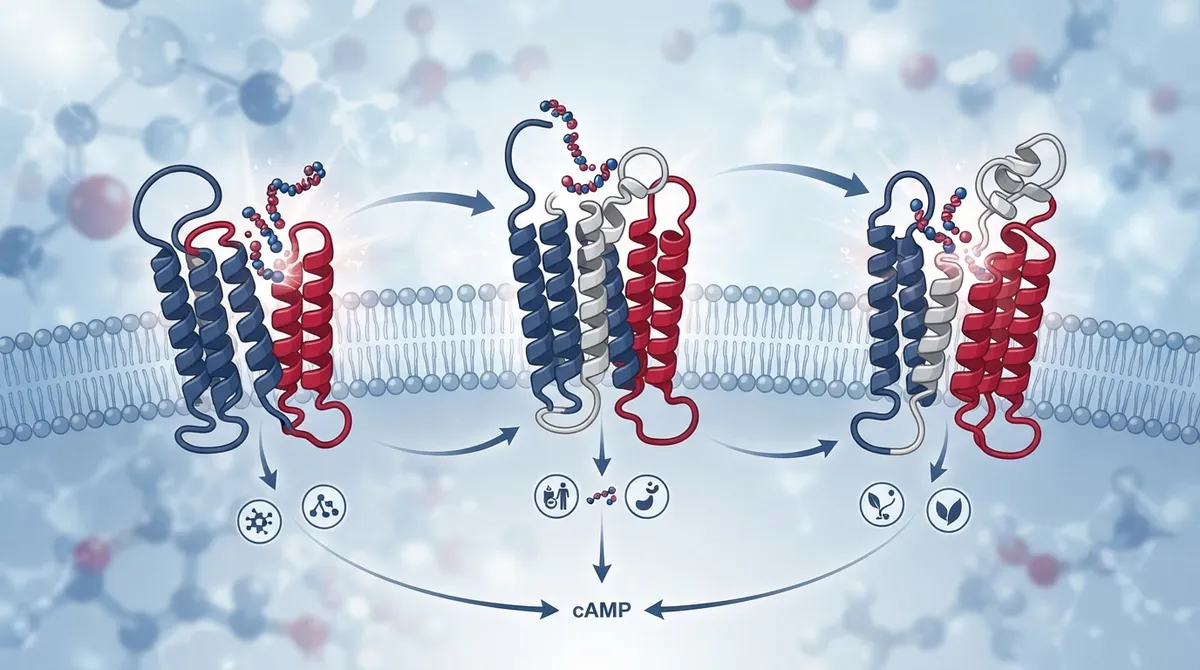
To understand the retatrutide mechanism of action, you need to know about three natural body signals: GLP-1, GIP, and glucagon. Each one plays a different role in hunger, blood sugar, and energy use.
GLP-1 Receptor Activation
GLP-1 stands for glucagon-like peptide-1. This hormone is already the target of several approved weight loss and diabetes medicines. When retatrutide activates the GLP-1 receptor, it can:
- Reduce appetite by sending "fullness" signals to the brain
- Slow down how fast food leaves the stomach, helping you feel satisfied longer
- Help the body release insulin when blood sugar is high
- Lower glucagon release, which can help control blood sugar spikes
These effects work together to reduce how much a person eats and to help manage blood sugar more steadily throughout the day.
GIP Receptor Activation
GIP stands for glucose-dependent insulinotropic polypeptide. This hormone works alongside GLP-1 but through a separate pathway. Research published in the New England Journal of Medicine found that retatrutide is about 8.9 times more potent at the human GIP receptor compared to the body's natural GIP. This strong GIP activity may help improve how the body handles insulin and nutrients.
Scientists are still studying exactly how much GIP activity adds to the weight loss seen with retatrutide. But it appears to support and strengthen the effects already produced by GLP-1 activation.
Glucagon Receptor Activation
This is the piece that sets retatrutide apart from many other weight loss drugs. Glucagon is a hormone that usually raises blood sugar. But when combined with GLP-1 and GIP activity, glucagon receptor activation may offer benefits beyond blood sugar control. These possible benefits include:
- Increased energy expenditure, meaning the body may burn more calories at rest
- Greater fat breakdown, especially stored body fat
- Reduced fat buildup in the liver
- A counterbalance to some of the blood-sugar-raising effects glucagon can have alone
This triple-receptor approach is why some researchers call retatrutide a "triple agonist." The goal is to combine appetite reduction, blood sugar control, and higher calorie burning into one medicine.
How These Mechanisms Work Together for Weight Loss
The combined action of these three hormone pathways is designed to attack weight gain from several angles at once. Instead of only reducing hunger, retatrutide may also help the body burn more energy and manage fat storage more efficiently.
In a phase 2 clinical trial published in 2023, the highest dose of retatrutide led to about 24.2% average weight loss after 48 weeks. Later phase 3 trial data have shown even larger results. The TRIUMPH-4 trial reported about 28.7% average weight loss at 68 weeks in adults with obesity and knee osteoarthritis. Topline results from the TRIUMPH-1 trial, announced in May 2026, showed around 28.3% average weight loss at 80 weeks in adults with weight-related health problems.
These numbers are notable, but they come from controlled research settings. Real-world results can vary. It's also worth noting that a phase 3 report found skin sensations called dysesthesia in about 20.9% of people taking the highest dose, compared to just 0.7% on placebo. This shows why closely watching side effects during any drug trial is so important.
Retatrutide vs. Other GLP-1 Medicines
Many patients want to know how retatrutide compares to already-approved treatments like semaglutide and tirzepatide. Here is a simple breakdown:
|
Medicine |
Receptors Targeted |
FDA Status (2026) |
Key Feature |
|---|---|---|---|
|
Semaglutide |
GLP-1 only |
Approved for diabetes and weight loss |
Well-studied, widely prescribed |
|
Tirzepatide |
GLP-1 and GIP |
Approved for diabetes and weight loss |
Dual-receptor action |
|
Retatrutide |
GLP-1, GIP, and glucagon |
Investigational, not yet approved |
Triple-receptor action, still in trials |
If you're curious about how these existing therapies work, you can read more about how semaglutide works as GLP-1 therapy or learn about tirzepatide's mechanism of action in more detail.
Does Retatrutide Help With Blood Sugar and Type 2 Diabetes?
Because retatrutide activates GLP-1 and GIP receptors, it has strong effects on blood sugar control. A phase 3 trial called TRANSCEND-T2D-1 reported about 16.8% average weight loss at 40 weeks in participants with type 2 diabetes who took the 12 mg dose. This suggests the drug may offer real benefits for people managing both weight and blood sugar issues.
However, since retatrutide remains investigational, it should not be used outside of approved clinical trials. If you have type 2 diabetes and want to explore your current treatment options, a visit to a primary care provider can help you understand what is available and appropriate for your situation right now.
Safety and Side Effects to Know
Every new medicine comes with questions about safety. Because retatrutide affects three hormone systems, doctors are watching closely for side effects. Common concerns reported in trials include:
- Nausea and stomach upset, similar to other GLP-1 medicines
- Injection site reactions
- Unusual skin sensations, seen more often at higher doses
- Possible effects on heart rate and other body systems still being studied
Long-term safety data, including effects on the heart and other organs, are still being gathered. This is one major reason the FDA has not yet approved retatrutide for any use. Patients should never buy products labeled "retatrutide" from unregulated online sellers. These products may not contain what they claim, and their purity and dosing cannot be trusted.
Why Talk to a Primary Care Provider About Weight Loss Options
Even though retatrutide is not yet available by prescription, there are proven, FDA-approved options that may fit your needs today. A qualified weight loss program built around your health history can help you make real progress now, instead of waiting on a drug that is still years away from approval.
At InCare, our providers, including Dr. Pramjeet Ahluwalia and Dr. Naveen Paddu, take time to review your goals, labs, and medical history before recommending a plan. We also offer tools like body composition analysis and metabolic breath analysis to track your progress with real data, not guesswork.
What This Means for Patients in Tampa and Riverview
Interest in new weight loss science is growing fast among our patients in the Tampa Bay area. Many people ask about retatrutide after reading about it online or seeing it discussed on social media. We think it's smart to stay curious, but also to be careful. New drugs need years of testing before they're proven safe for everyday use.
If you want to understand your options for medically supervised weight loss, our team can walk you through what is currently approved and what fits your specific health picture. You can also follow our updates on Facebook and Instagram for the latest information on new treatments as they become available. Many patients also check out our TikTok page for simple, easy-to-follow health tips.
Frequently Asked Questions About Retatrutide
Before booking an appointment, many patients want quick answers. Below we address the most common questions about this investigational drug.
Curious how a personalized weight loss plan could work for you? Our team at InCare is ready to review your health history and goals to build a plan that fits your life. You can also reach out to our team with any questions about current treatment options, or go ahead and schedule your visit today to get started. To see what real patients say about their experience, you can also visit us on Google — InCare.
FAQs
Q: How does retatrutide work in the body?
A: Retatrutide activates three hormone receptors at once: GLP-1, GIP, and glucagon. This combination is designed to lower appetite, improve blood sugar control, and possibly increase how many calories the body burns each day.
Q: What are the three receptors targeted by retatrutide?
A: Retatrutide targets the GLP-1 receptor, the GIP receptor, and the glucagon receptor. Each one plays a different role in appetite, insulin release, and energy use, and together they may produce stronger effects than single-receptor drugs.
Q: How is retatrutide different from semaglutide and tirzepatide?
A: Semaglutide targets only the GLP-1 receptor, while tirzepatide targets both GLP-1 and GIP receptors. Retatrutide adds a third target, the glucagon receptor, which may support higher energy expenditure and fat metabolism.
Q: Is retatrutide FDA-approved or available by prescription?
A: No. As of 2026, retatrutide remains investigational and is not approved by the FDA for any condition. It is not available through routine prescription, and products sold online under this name carry uncertain safety and quality.
Q: Can patients obtain retatrutide outside a clinical trial?
A: Retatrutide should only be used within approved clinical trials at this time. Products marketed as retatrutide outside of research settings may have unclear ingredients, unreliable dosing, and unknown safety risks.