Key Takeaways
- Your brain remains adaptable throughout your entire life—the adult brain continues forming new neural connections based on daily habits, learning, and experiences, regardless of age.
- Regular physical activity is one of the most proven ways to support brain health; even brisk walking most days improves memory, mood, and cognitive resilience.
- Not all brain changes are beneficial—chronic stress and unmanaged pain create harmful maladaptive patterns, making early screening and intervention essential to prevent long-term decline.
- Quality sleep is critical for brain function as it consolidates memories and clears waste products; poor sleep directly undermines learning, recovery, and the benefits of other healthy habits.
- Learning new skills forces your brain to build fresh neural pathways more effectively than repeating familiar tasks; pairing this with stress management and social connection maximizes brain adaptation.
- Monitor for warning signs like persistent memory lapses, concentration problems, mood changes, or slow recovery from injury—early discussion with a healthcare provider prevents small issues from becoming serious concerns.
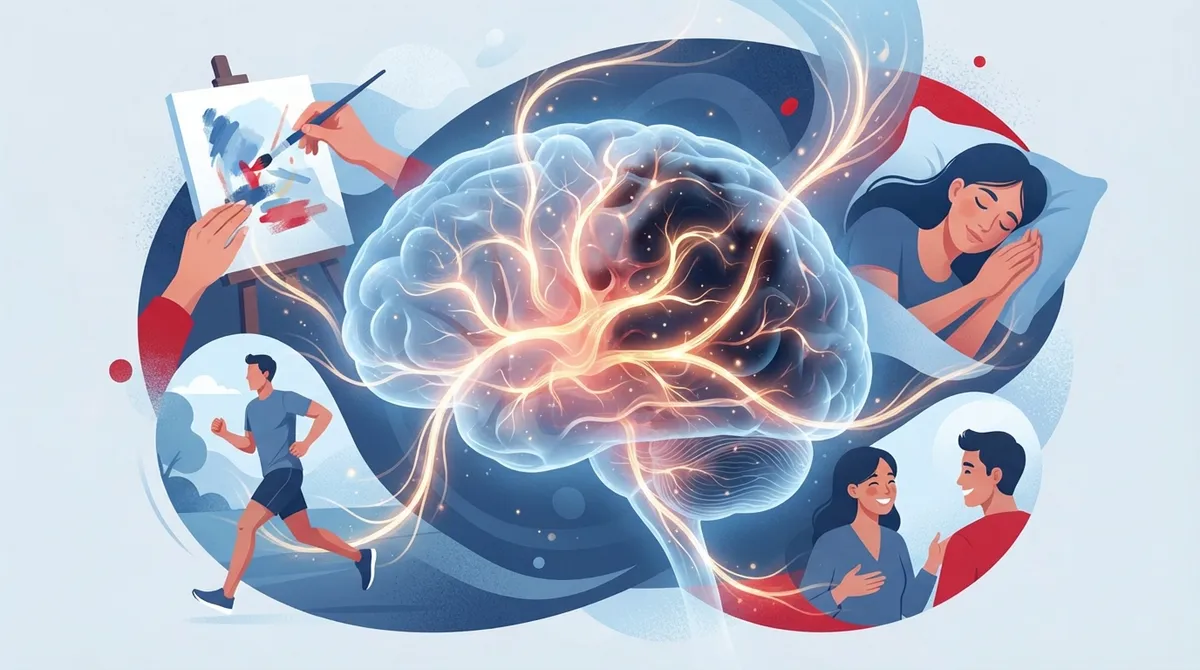
Your brain is not fixed. It changes every day based on what you do, eat, and think. This process is called neuroplasticity, and it plays a huge role in how well you age, recover, and think clearly. Whether you are a busy parent juggling work and kids, or someone focused on long-term wellness, understanding neuroplasticity can help you make smarter health choices starting today.
For years, scientists believed the brain stopped changing after childhood. That idea is outdated. Research now shows the adult brain keeps forming new connections throughout life. This matters for anyone recovering from illness, managing stress, or simply trying to stay sharp as they age. At InCare, our providers in Tampa and Riverview view brain health as a core part of whole-body wellness, not an afterthought.

What Is Neuroplasticity in Simple Terms
Neuroplasticity is your brain's ability to reorganize itself. It builds new pathways between nerve cells based on experience, learning, and even injury. Think of it like a road system that can add new routes when old ones get blocked.
This ability is not limited to children or young adults. According to the National Institutes of Health, the adult brain retains real capacity for structural and functional change across the entire lifespan. That means your habits today can still shape your brain tomorrow.
Two Main Types of Brain Change
- Structural neuroplasticity: physical changes in brain connections and gray matter
- Functional neuroplasticity: the brain shifting tasks from damaged areas to healthy ones
- Adaptive changes: helpful adjustments that support learning and recovery
- Maladaptive changes: unhelpful shifts that can worsen pain, anxiety, or poor habits
Not all brain change is good. Chronic stress or unmanaged pain can create maladaptive patterns. This is why primary care providers often screen for these issues early, before they become harder to reverse.

Why Neuroplasticity Matters for Your Health
Brain health connects to nearly every part of your wellness journey. It affects memory, mood, stress response, and even how well you manage chronic conditions like diabetes or high blood pressure.
The stakes are significant. The World Health Organization estimates 1.3 billion people worldwide live with a significant disability, and many of these conditions involve brain-based rehabilitation. Dementia alone affected an estimated 55 million people globally in 2023. These numbers show why brain health deserves attention long before problems appear.
Neuroplasticity and Recovery After Injury
Stroke remains one of the largest causes of disability worldwide. The Global Burden of Disease study reported about 12.2 million new strokes in 2021, along with 143 million years of healthy life lost to stroke-related disability. Neuroplasticity is the reason many stroke survivors regain movement, speech, and independence over time.
Rehabilitation programs use this brain flexibility on purpose. Physical therapy, speech therapy, and cognitive exercises all aim to help the brain rebuild lost skills through repeated practice. This is also why prompt urgent care and follow-up primary care matter after any injury involving the brain or nervous system.
Everyday Habits That Support Brain Health
You do not need special equipment to support neuroplasticity. Simple daily habits make a real difference over time. Here are the most well-supported strategies from current research.
1. Move Your Body Regularly
Physical activity is one of the most consistent supports for brain health. Regular exercise is linked to better memory, mood, and overall brain resilience, according to guidance from Harvard Health Publishing. Even brisk walking most days of the week can help.
2. Prioritize Quality Sleep
Sleep is when your brain consolidates memories and clears out waste products. Poor sleep interrupts this process and can slow down learning and recovery. Adults who struggle with sleep often benefit from a conversation with their healthcare provider about underlying causes.
3. Challenge Your Mind With New Skills
Learning something unfamiliar, like a language or musical instrument, forces the brain to build new connections. This is more effective than repeating tasks you already know well.
4. Manage Chronic Stress
High, prolonged stress can shrink areas of the brain tied to memory and increase activity in regions tied to fear and anxiety. Stress management is not just good for your mood. It protects your brain's ability to adapt in helpful ways.
5. Stay Socially Connected
Social interaction stimulates multiple brain regions at once. Isolation, on the other hand, is linked to faster cognitive decline in older adults.
Steps to Build a Brain-Healthy Routine
Building new habits works best with a clear plan. Follow these steps to start supporting your brain health today.
- Schedule a wellness visit to assess your current health baseline
- Add 20 to 30 minutes of physical activity most days of the week
- Set a consistent sleep schedule, aiming for seven to nine hours nightly
- Pick one new skill or hobby to practice weekly
- Reduce screen time before bed to protect sleep quality
- Track stress levels and use simple techniques like deep breathing
- Discuss any memory or mood concerns with your primary care provider
These steps work together. Skipping sleep, for example, can undo the benefits of exercise on brain health. A well-rounded approach gives the best results.
How Neuroplasticity Fits Into Primary Care and Wellness
Brain health is increasingly part of routine primary care conversations. Providers now discuss behavior change, chronic disease management, and mental health through the lens of how the brain adapts over time.
Life StageNeuroplasticity FocusCommon Wellness SupportYoung Adults (18-25)Building strong cognitive habits earlySleep coaching, stress management, gene testingBusy Families (22-35)Balancing brain health with daily demandsPreventive screenings, weight management, family primary careMidlife Adults (36-55)Protecting cognitive reserveBody composition analysis, chronic disease managementOlder Adults (55+)Supporting recovery and slowing declineRehabilitation support, coordinated primary care
At InCare, this approach connects directly to services like weight loss programs, DNA gene testing, and IV hydration therapy. Each of these services supports the body systems that keep your brain functioning well, from stable blood sugar to proper hydration.
Non-Drug Approaches Gaining Attention
Researchers are exploring several non-pharmacologic strategies to support healthy brain adaptation. These include:
- Structured cognitive training programs
- Physical rehabilitation combined with mental exercises
- Virtual reality tools for stroke and injury recovery
- Non-invasive brain stimulation techniques under medical supervision
These approaches are still developing, and results vary based on the person and condition. They work best when guided by a knowledgeable healthcare provider who understands your full health picture.
Comparing Helpful vs. Harmful Brain Adaptations
Adaptive (Helpful) ChangesMaladaptive (Harmful) ChangesImproved memory after learning a new skillChronic pain pathways that intensify over timeFaster recovery of movement after stroke therapyAnxiety loops reinforced by avoidance behaviorBetter focus from consistent sleep habitsReduced attention span from chronic sleep deprivationStronger stress resilience from regular exerciseHeightened stress response from prolonged inactivity
The goal of good wellness care is simple: encourage the helpful changes and reduce the harmful ones. This is why regular checkups matter, even when you feel fine.
Common Signs Your Brain Health May Need Attention
It helps to know when to seek support. Consider scheduling a visit with your primary care provider if you notice any of the following:
- Frequent memory lapses that interrupt daily tasks
- Trouble concentrating that lasts more than a few weeks
- Persistent low mood or high stress that feels unmanageable
- Sleep problems that do not improve with basic changes
- Difficulty recovering movement or speech after an injury
These symptoms do not always mean something serious is wrong. But they are worth discussing with a provider who can evaluate your full health picture, not just isolated symptoms.
Why Choose InCare for Whole-Body Brain Health Support
InCare combines primary care, advanced screenings, and wellness services under one roof in Tampa and Riverview. This matters because brain health rarely stands alone. It connects to blood pressure, blood sugar, sleep quality, and hormone balance.
Our providers, including Dr. Pramjeet Ahluwalia and Dr. Naveen Paddu, take time to understand your full history before recommending a plan. This personalized approach helps identify small issues before they grow into bigger health concerns.
Patients consistently rate their experience highly, and you can visit us on Google — InCare to read real reviews from people across Tampa and Riverview. You can also follow health tips and updates on our Facebook and Instagram pages, or catch quick wellness insights on TikTok.
Building a Long-Term Brain Health Plan
Supporting neuroplasticity is not a one-time fix. It is an ongoing part of your overall health strategy, similar to managing weight or blood pressure. Small, consistent choices add up over months and years.
- Get a baseline wellness assessment to understand your starting point
- Set realistic goals for sleep, movement, and stress reduction
- Revisit your plan every few months with your care provider
- Adjust habits based on new symptoms or life changes
- Stay consistent even when progress feels slow
This kind of steady, guided approach tends to produce better long-term results than short bursts of effort. Your primary care team can help you stay on track and catch issues early.
Take the Next Step for Your Brain and Body
Neuroplasticity shows that your brain has real capacity to adapt, heal, and grow stronger at any age. The habits you build now, from better sleep to regular movement, shape how well your brain functions for years to come. Pairing these habits with regular primary care checkups gives you the best chance at long-term cognitive health.
If you are ready to take a proactive approach to your brain and overall wellness, our team at InCare is here to help. Reach out to our care team today to discuss your health goals, or go ahead and schedule your appointment now at our Tampa or Riverview location.
FAQs
Q: What is neuroplasticity in simple terms?
A: Neuroplasticity is the brain's ability to reorganize itself by forming new connections between nerve cells. It happens in response to learning, experience, injury, or environmental changes, and it continues throughout your entire life, not just in childhood.
Q: Can neuroplasticity help with recovery after stroke or brain injury?
A: Yes. Neuroplasticity allows the brain to shift certain functions to healthy areas after damage from a stroke or injury. This is the foundation for many rehabilitation strategies, including physical therapy, speech therapy, and cognitive exercises used in recovery programs.
Q: What lifestyle habits improve neuroplasticity?
A: Regular physical activity, quality sleep, learning new skills, and managing stress are among the most well-supported habits for healthy brain adaptation. Staying socially connected also plays an important role in maintaining cognitive resilience as you age.
Q: Does exercise increase neuroplasticity?
A: Research consistently links regular physical activity to better brain health and improved cognitive function. While exact effects vary by person and exercise type, movement is considered one of the most reliable ways to support adaptive brain change.
Q: How is neuroplasticity used in primary care or wellness programs?
A: Primary care providers often use neuroplasticity concepts when guiding behavior change, chronic disease management, and mental health support. Wellness programs may also incorporate sleep coaching, stress management, and cognitive activities to support long-term brain health.