
Key Takeaways
- KPV is a three-amino-acid peptide derived from α-MSH that may block the NF-κB inflammatory pathway in cells, but no human clinical trials have confirmed its safety or effectiveness for any condition.
- Despite promising lab and animal studies, KPV lacks FDA approval, established human dosing guidelines, and any registered clinical trials, making it an investigational compound rather than a proven therapy.
- Products sold online as KPV vary widely in form (injectable, oral, nasal, topical) with no quality control, sterility guarantees, or proof these routes are interchangeable or safe.
- Before considering KPV, consult your primary care provider about proven inflammation-management strategies like anti-inflammatory diet, exercise, and evidence-based treatments for your specific condition.
- Red flags when evaluating KPV products include disease cure claims without clinical support, dismissal of 'research use only' labels, lack of third-party testing, and pressure to buy in bulk.
- Unregulated KPV products carry real risks including infection from non-sterile injectables, unknown drug interactions, missing long-term safety data, and potential contaminants from inconsistent suppliers.
Peptides like KPV have become a hot topic in wellness circles, showing up in online forums, social media ads, and even some clinic menus. If you have searched for how does KPV work, you have likely found a mix of bold claims and confusing science. This guide breaks down what KPV actually is, what research shows so far, and why speaking with a primary care provider matters before trying any peptide product.
At InCare, we believe patients deserve clear, honest information about emerging wellness trends. Our team in Tampa and Riverview helps patients sort fact from marketing hype so they can make safe choices about their health. This article explains the science behind KPV, its limits, and what questions to ask before considering any peptide therapy.
What Is KPV and Where Does It Come From
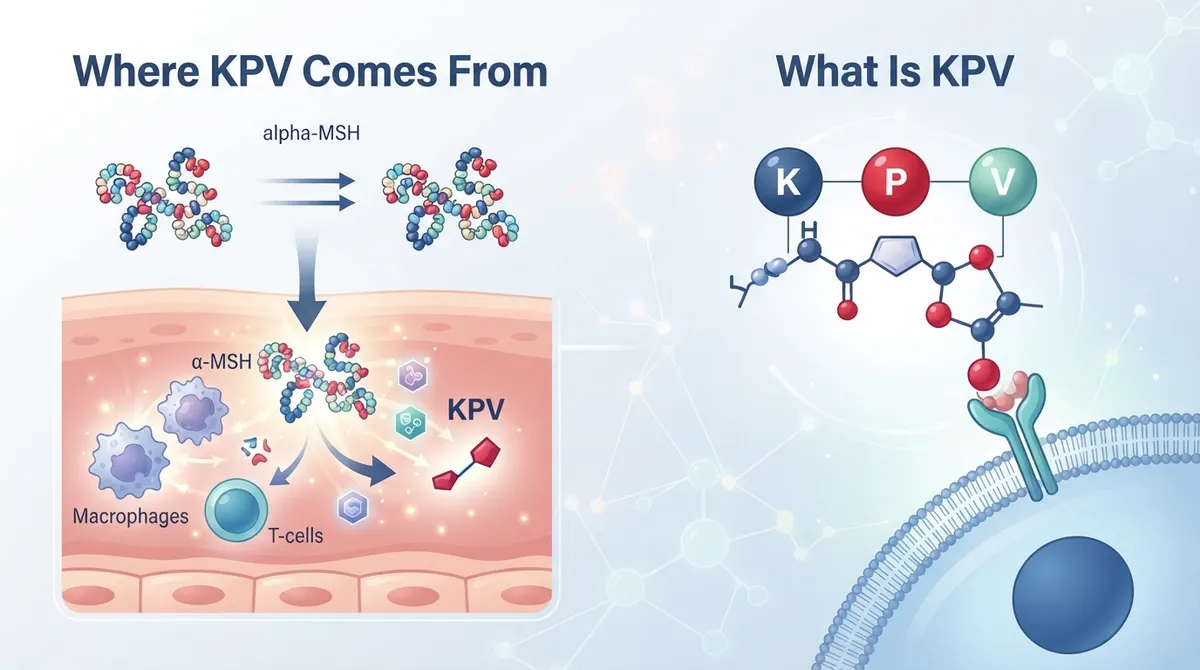
KPV is a small peptide made of just three amino acids: lysine, proline, and valine. These three letters give the peptide its name. It comes from a larger hormone called alpha-melanocyte-stimulating hormone, or α-MSH, which the body naturally produces.
Specifically, KPV represents the tail end of that hormone, amino acids 11 through 13. Researchers isolated this small fragment to study whether it carries any of the parent hormone's effects on its own, particularly around inflammation.
Key Facts About KPV's Structure
- KPV is a synthetic tripeptide, meaning it is built in a lab, not extracted from the body.
- It mirrors the C-terminal sequence of α-MSH, a hormone tied to skin pigmentation and immune regulation.
- Unlike full-length α-MSH, KPV does not appear to cause noticeable skin darkening.
- Its small size may let it enter cells more easily than larger peptides.
How Does KPV Work in the Body
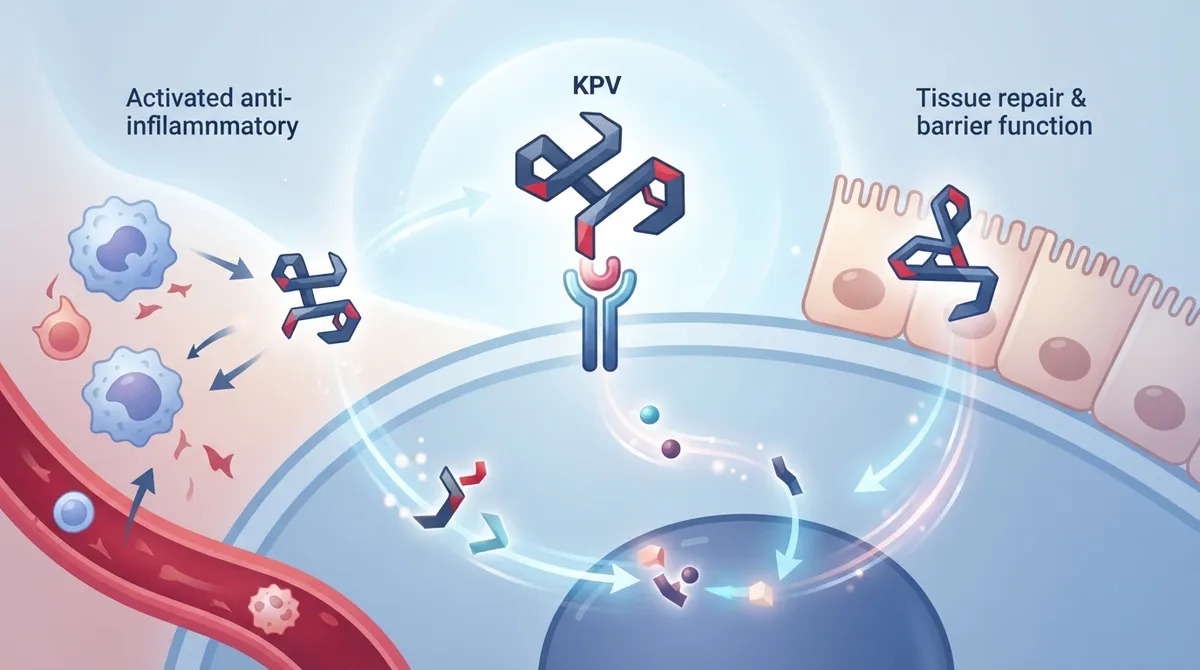
The honest answer is that scientists do not fully understand the mechanism yet. Most of what we know comes from lab dishes and animal studies, not large human trials. Here is what current research suggests about how does KPV work at a cellular level.
Possible Anti-Inflammatory Pathway
Laboratory studies suggest KPV may calm inflammation by blocking a protein pathway called NF-κB. This pathway acts like an alarm system that turns on inflammatory genes when the body senses stress or injury. When researchers exposed human cells to KPV, it appeared to stop a specific piece of that alarm system, called p65/RelA, from moving into the cell nucleus where it triggers inflammation.
A mechanistic study published in 2012 found this effect in human bronchial epithelial cells, the tissue lining the airways. The peptide seemed to interrupt the inflammatory signal before it could cause damage. However, this was cell-based research, not a study in living patients.
Does KPV Use Melanocortin Receptors
Full-length α-MSH works mainly through melanocortin receptors, a group of docking sites on cells that control pigmentation and some immune responses. Interestingly, KPV does not seem to rely heavily on these same receptors. Some researchers believe it may act more directly inside the cell, or it may interfere with interleukin-1β signaling, another inflammatory messenger. The exact pathway remains unresolved and is still being studied.
Animal Model Findings
Preclinical studies in mice have tested KPV in models of intestinal inflammation, peritonitis, and skin irritation. Some of these studies reported reduced inflammatory cell buildup after KPV exposure. A 2003 study comparing KPV to other melanocortin-based peptides found that its effects differed from typical receptor agonists, adding to the mystery around its true mechanism.
|
Research Area |
Model Type |
Reported Finding |
Year |
|---|---|---|---|
|
Inflammatory signaling |
Human bronchial cells |
Blocked p65/RelA nuclear movement |
2012 |
|
General anti-inflammatory activity |
In-vitro and animal |
Reduced inflammation markers; mechanism unclear |
2008 review |
|
Inflammatory cell accumulation |
Mouse models |
Reduced buildup; differed from MC receptor agonists |
2003 |
|
Human clinical trials |
None registered |
No controlled efficacy or safety data |
Ongoing gap |
What the Research Does Not Show
It is important to separate lab findings from proven medical treatments. Despite promising cell and animal data, there are no registered human clinical trials confirming that KPV safely or effectively treats any condition in people.
Common Gaps in the Evidence
- No established human dosing guidelines exist for any route of use.
- No clinical trials have tested KPV for inflammatory bowel disease, eczema, asthma, or chronic pain in humans.
- Toxicity data in humans remains largely unavailable, as noted in a 2008 review in Endocrine Reviews.
- Products sold online vary widely in form, including injectable, oral, nasal, and topical versions, with no proof these are interchangeable.
- KPV is not approved by the FDA as a drug or supplement, meaning quality control standards may not apply.
A recent industry review titled The FDA Panel Voted Yes on KPV Last Week. The Human Trials Did Not highlights this exact concern: enthusiasm sometimes outpaces the actual clinical evidence. Patients should treat KPV as an investigational compound, not a proven therapy.
Is KPV Legal or FDA Approved
KPV is not an FDA-approved medication. Many products marketed online are labeled research use only, which means they are not authorized for use in people. A research label is not the same as medical clearance, and using these products outside of clinical supervision carries real risk.
Why Product Quality Matters
- Sterility cannot be guaranteed in unregulated products, raising infection risk with injectable forms.
- Purity varies between suppliers, and some products may contain contaminants.
- Dosing is inconsistent because there is no standard human dose established by research.
- Interactions with existing medications are largely unknown and unstudied.
- Pregnancy and long-term safety data are missing entirely.
Injectable vs Oral vs Nasal vs Topical KPV
One common question is whether one form of KPV works better than another. The honest answer is that no clinical comparison exists to confirm which route is superior, safer, or even effective at all.
|
Route |
Claimed Use |
Evidence Level |
Key Concern |
|---|---|---|---|
|
Injectable |
Systemic anti-inflammatory effect |
Preclinical only |
Sterility and infection risk |
|
Oral |
Gut-related inflammation |
Animal models only |
Peptide breakdown in digestion |
|
Nasal spray |
Rapid absorption claims |
No human data |
Unverified dosing and purity |
|
Topical |
Localized skin inflammation |
Limited cell studies |
Absorption not well studied |
Why Talk to a Primary Care Provider Before Trying KPV
Because the evidence base is thin, any decision about peptides like KPV should start with a conversation with a licensed healthcare provider. A knowledgeable clinician can help you understand realistic expectations and potential risks.
Steps to Take Before Considering KPV
- Discuss your symptoms and health goals with a primary care doctor first.
- Ask about proven, evidence-based treatments for your specific condition.
- If you are already using KPV, be honest about the source, route, and dose.
- Request blood work or screening to check for underlying issues driving inflammation.
- Avoid stopping prescribed medications in favor of unproven peptides.
Our providers, including those featured on our providers page, take time to review any supplements or peptides patients are using. This helps us build a complete picture of your health and avoid unwanted interactions. You can learn more about our approach to peptide therapy in Tampa and how we evaluate new wellness trends responsibly.
KPV and Chronic Inflammation: What Patients Should Know
Chronic inflammation is linked to many conditions, including heart disease, joint pain, and digestive disorders. It makes sense that a compound claiming anti-inflammatory action would attract attention. However, proven strategies for managing inflammation already exist and have far more human research behind them.
Evidence-Based Alternatives Worth Discussing
- Anti-inflammatory diet changes reviewed with your doctor.
- Regular movement and exercise programs tailored to your needs.
- Prescription treatments for diagnosed conditions like inflammatory bowel disease or eczema.
- Comprehensive lab testing to identify inflammation markers accurately.
- Weight management support, since excess weight can drive chronic inflammation.
If you are managing ongoing inflammation, our primary care team can help create a personalized plan grounded in established medical evidence rather than unverified peptide claims.
How InCare Approaches Emerging Wellness Trends
Patients often come to us curious about the newest peptide, supplement, or biohack trending online. We take these questions seriously and evaluate them against current medical literature before making any recommendations. Our goal is to protect your health while keeping you informed.
For patients interested in general wellness optimization, we also offer services like DNA gene testing, body composition analysis, and IV hydration and vitamin drips, all of which have clearer safety profiles and more established use in wellness care. These options can complement your overall health plan while research on newer peptides like KPV continues to develop.
Many patients also want reassurance that any physician-supervised peptide discussion happens in a licensed clinical setting. You can review physician bios such as Dr. Naveen Paddu and Dr. Pramjeet Ahluwalia to see the credentials behind the guidance you receive.
Frequently Searched Questions About KPV Safety
Beyond the science, many readers want practical safety guidance before considering any peptide product. Here are important reminders drawn from current research and regulatory guidance.
Red Flags to Watch For
- Products claiming to cure specific diseases without any clinical trial support.
- Sellers who dismiss the research use only label as a technicality.
- Lack of third-party lab testing or certificates of analysis.
- Pressure to buy in bulk or commit to long-term subscriptions.
- No willingness to discuss risks, side effects, or drug interactions.
If you see these warning signs, it is best to pause and speak with a trusted healthcare provider before proceeding. Our team can also be reached through our contact page if you have specific questions about wellness trends you have encountered.
Bringing It All Together
So, how does KPV work? Based on current evidence, it appears to interact with inflammatory signaling pathways in cells, possibly through NF-κB and interleukin-1β mechanisms, but the full picture remains incomplete. Animal and cell studies show promise, yet no controlled human trials confirm that KPV is safe or effective as a treatment for any condition.
Patients considering KPV or any similar peptide should approach the topic with healthy skepticism and open communication with their healthcare team. Reliable wellness decisions come from evidence, not marketing claims. Our community often shares their experiences and questions with us on Facebook, Instagram, and TikTok, where we try to keep the conversation grounded in science.
If you want to discuss KPV, inflammation management, or any other wellness goal with a qualified provider, our Tampa and Riverview locations are ready to help. Patients across the area continue to choose InCare because we combine advanced technology with honest, evidence-based guidance, and you can see what our community says by visiting our InCare location on Google.
Ready to get personalized answers about peptides, inflammation, or your overall wellness plan? Book your appointment today and take the next step toward informed, science-backed care.
FAQs
Q: What is KPV peptide and what is it used for?
A: KPV is a small three-amino-acid peptide derived from a natural hormone called alpha-melanocyte-stimulating hormone. Researchers are studying it for possible anti-inflammatory effects, but it has no approved medical use in humans at this time.
Q: How does KPV reduce inflammation?
A: Laboratory studies suggest KPV may block a signaling pathway called NF-κB, which normally triggers inflammatory responses in cells. This effect has been observed in cell cultures and animal models, but the exact mechanism is not fully understood and has not been confirmed in humans.
Q: Is KPV FDA approved or legal to use as a treatment?
A: KPV is not approved by the FDA as a drug or supplement. Many products are labeled research use only, meaning they are not authorized for administration to patients outside of research settings.
Q: Are there human clinical trials showing that KPV works?
A: No registered interventional human clinical trials currently confirm KPV's safety or effectiveness. Most available evidence comes from cell-based studies and animal research, which cannot be directly applied to human treatment decisions.
Q: Can KPV help with inflammatory bowel disease, eczema, or gut health?
A: Some animal studies have explored KPV in models of intestinal inflammation, but there is no clinical evidence confirming it treats inflammatory bowel disease, eczema, or other conditions in humans. Patients should discuss proven treatment options with a primary care provider instead.