Key Takeaways
- Ipamorelin is not FDA-approved for any human medical condition; the FDA concluded in October 2024 that compounded versions lack established safety, citing concerns about impurities, immune reactions, and missing safety data for subcutaneous injections used in wellness clinics.
- The only major human clinical trial of ipamorelin (Phase 2 for postoperative ileus with 114 participants) failed to meet its primary efficacy endpoint, meaning no robust peer-reviewed evidence supports claims about weight loss, muscle gain, or anti-aging benefits.
- Ipamorelin activates the GHS-R1a receptor to signal the pituitary gland to release growth hormone, which differs from direct GH therapy by theoretically preserving the body's natural feedback loop, but this distinction does not establish proven safety or effectiveness for wellness goals.
- Critical research gaps remain: no established contraindications for patient groups, no verified drug interaction data, no standardized monitoring protocols for long-term use, and no safety data specific to subcutaneous administration, making ipamorelin use essentially an uncontrolled experiment.
- Compounded peptides like ipamorelin lack the rigorous testing required for FDA-approved drugs, and consistency between batches cannot be guaranteed, meaning patients cannot assume compounded versions meet the same safety standards as regulated medications.
- Before considering any peptide therapy, ask your provider if it is FDA-approved, what clinical evidence supports it for your specific goal, what known risks exist, whether safer proven alternatives exist, and how your progress will be monitored.
Wellness clinics across Tampa and Riverview field questions about growth hormone peptides almost every week. Patients scroll social media, see bold claims about anti-aging peptides, and want to know if the science holds up. Ipamorelin is one of the most talked-about compounds in this space, but the honest answer about how it works is more complicated than most marketing suggests.
This guide breaks down the biology behind ipamorelin in plain language. You will learn what happens inside the body when this peptide is introduced, what research actually supports, and where the evidence runs thin. If you are exploring wellness options, understanding the real science matters more than trendy claims. A licensed primary care provider can help you separate fact from hype before you make any decisions about your health.
What Is Ipamorelin?
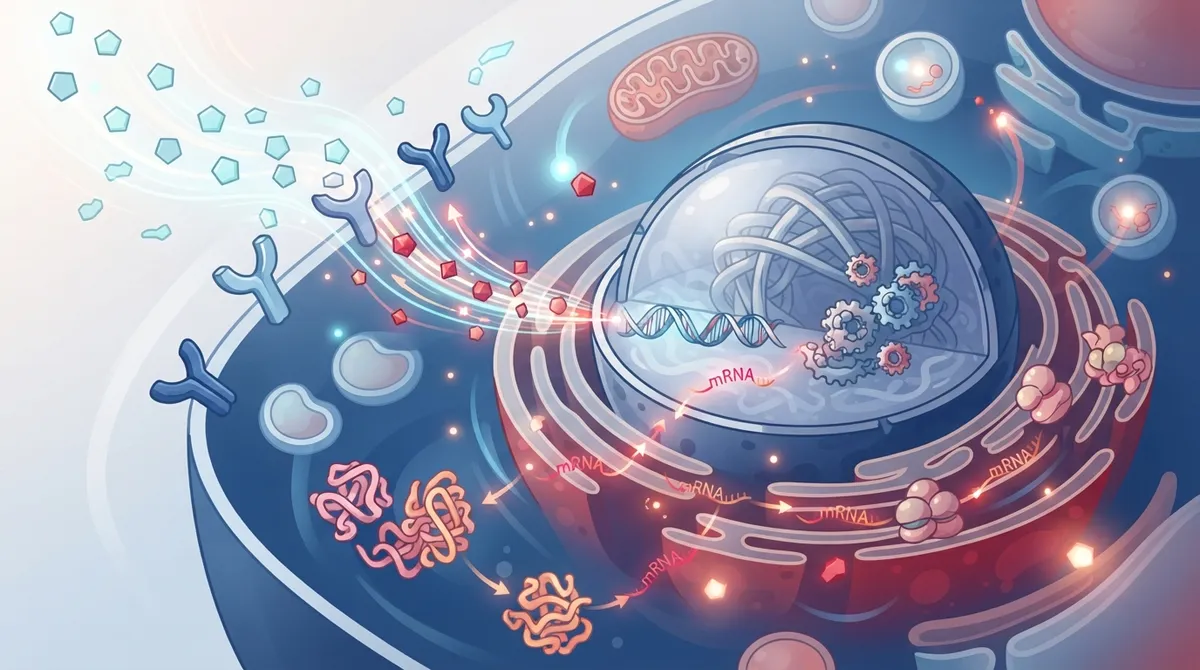
Ipamorelin is a man-made peptide built from five amino acids. Scientists call this type of molecule a pentapeptide because of its short chain length. It belongs to a class of compounds known as growth hormone secretagogues, which means it can trigger the body to release its own growth hormone (GH).
Unlike injecting synthetic GH directly, ipamorelin works by nudging the pituitary gland to do the job naturally. This distinction matters a lot when comparing it to other hormone treatments. It is important to note that ipamorelin is not approved by the FDA for any medical use in humans, and it should not be confused with treatments that have gone through full regulatory review.
How Does Ipamorelin Work at the Cellular Level?
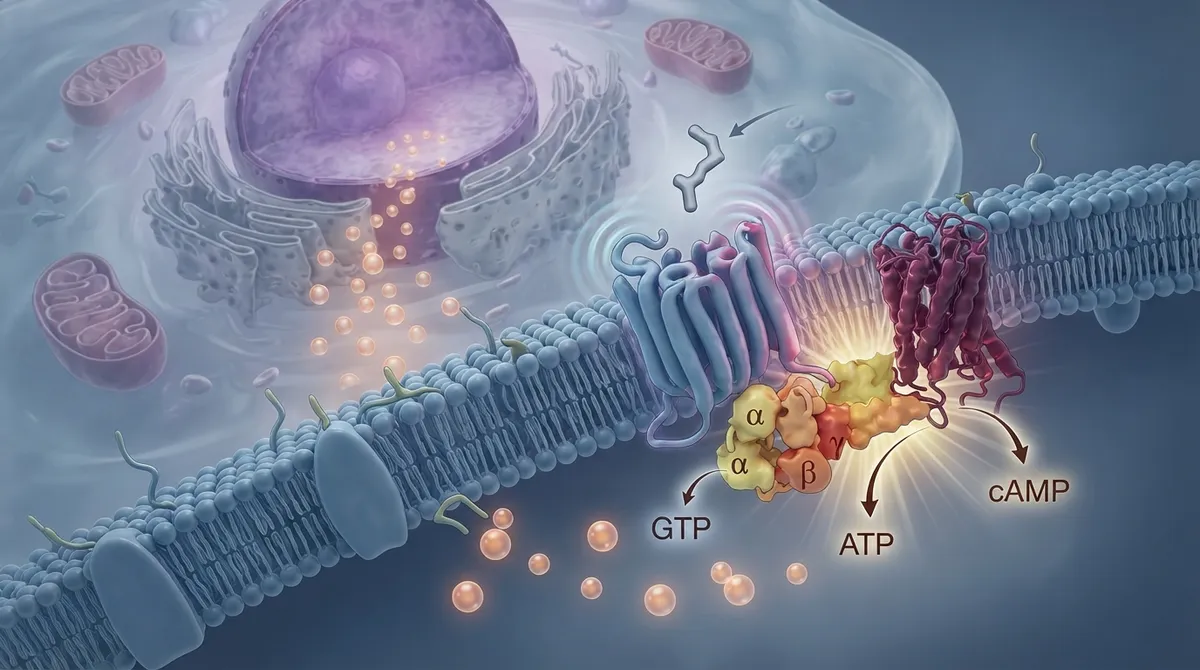
To understand how does ipamorelin work, you need to look at a receptor called GHS-R1a, also known as the ghrelin receptor. This receptor normally responds to ghrelin, the hormone that signals hunger and helps regulate energy balance.
Ipamorelin activates this same receptor. When it binds to GHS-R1a, it sends a signal to the pituitary gland telling it to release stored growth hormone. Early research suggests this action is fairly selective, meaning it may not trigger large spikes in other hormones like cortisol or prolactin in the small studies conducted so far.
Here is a simple breakdown of the process:
- Ipamorelin enters the bloodstream and travels to receptor sites
- It binds to the GHS-R1a receptor found in the pituitary gland
- This binding signals the pituitary to release growth hormone
- Growth hormone then circulates through the body
- GH can stimulate the liver to produce insulin-like growth factor 1 (IGF-1)
- IGF-1 mediates many of the downstream effects linked to growth and tissue repair
This chain of events sounds straightforward, but the size and long-term impact of these effects have not been established in reliable human trials for wellness purposes.
Growth Hormone Release Versus Direct GH Therapy
A common misunderstanding is that stimulating GH release is the same as taking growth hormone itself. It is not. When you trigger your own pituitary gland to release GH, your body still controls the timing and amount, at least in theory. Direct GH therapy bypasses this natural regulation entirely.
This difference is one reason wellness marketers promote peptides like ipamorelin as a gentler alternative. But gentler does not mean proven safe or effective. The clinical evidence supporting ipamorelin for wellness goals such as fat loss, muscle gain, or anti-aging remains very limited.
|
Factor |
Ipamorelin (GH Secretagogue) |
Direct Growth Hormone Therapy |
|---|---|---|
|
Mechanism |
Stimulates pituitary to release GH |
Introduces GH directly into bloodstream |
|
FDA Approval Status |
Not approved for human use |
Approved for specific diagnosed conditions |
|
Natural Feedback Loop |
Partially preserved |
Bypassed |
|
Human Safety Data |
Limited and route-specific gaps exist |
Well established under medical supervision |
What Does the Research Actually Show?
Most of what we know about ipamorelin comes from early pharmacology studies, not large-scale human trials focused on wellness outcomes. The main clinical research effort looked at something entirely different: postoperative ileus, a temporary slowdown of bowel function after surgery.
A Phase 2 clinical trial studied intravenous ipamorelin for this condition. The trial, listed under identifier NCT00672074, included 114 participants. According to review findings, the treatment did not meet its primary efficacy endpoint. This means the study failed to prove ipamorelin worked better than a placebo for the condition it was designed to treat.
No robust, peer-reviewed clinical trials currently support claims that ipamorelin improves body composition, sleep quality, or slows aging in humans. Claims you see online about these benefits should be treated as unproven marketing rather than established science.
Is Ipamorelin FDA-Approved?
No. Ipamorelin has never received FDA approval for any human medical condition. This is a critical fact that often gets buried in wellness advertising.
In October 2024, the FDA's Pharmacy Compounding Advisory Committee reviewed available data on compounded ipamorelin. The committee concluded that current information does not establish safety for compounded versions of this peptide. Their report raised several specific concerns:
- Peptide impurities or aggregation during compounding
- Immunogenicity, meaning the body's immune system may react unpredictably
- Serious adverse events reported during intravenous use in a postoperative study
- Lack of safety data specific to subcutaneous administration, which is how most wellness clinics offer it
This means that even if a provider offers ipamorelin, there is no guarantee it meets FDA-reviewed standards for quality, dosing, or effectiveness. Patients considering any peptide therapy should ask hard questions before moving forward.
Why Selectivity Claims Need Context
Some early studies suggest ipamorelin has a more selective action compared to other growth hormone secretagogues. This means it may cause less disruption to cortisol, ACTH, or prolactin levels than similar compounds.
However, this finding comes from limited studies conducted many years ago. It should not be interpreted as proof of long-term safety. Growth hormone and IGF-1 signaling affect multiple organs and metabolic pathways throughout the body. Without larger, longer trials, the true risk profile remains unclear.
Potential Risks and Unknowns
Because GH and IGF-1 influence so many body systems, any substance that increases their activity deserves careful scrutiny. Right now, the following gaps exist in ipamorelin research:
- No established contraindications for specific patient groups
- No verified drug interaction data for common medications
- No standardized monitoring protocol for long-term wellness use
- No confirmed adverse-effect profile beyond limited early studies
- No safety data specific to the subcutaneous injections used in most wellness settings
These gaps mean that anyone considering ipamorelin is essentially participating in an uncontrolled experiment. This is why speaking with a licensed clinician before trying any unapproved peptide matters so much. If you have symptoms you believe relate to hormone levels, energy, or metabolism, bring them to a trusted provider who can evaluate your full health picture.
How Compounded Peptides Differ From FDA-Approved Medications
Compounding pharmacies create custom versions of medications, often without the same rigorous testing required for FDA-approved drugs. When it comes to ipamorelin, this distinction is especially important.
The FDA has specifically flagged certain bulk drug substances used in compounding as presenting significant safety risks. Ipamorelin falls into this gray area where oversight is limited and consistency between batches cannot be guaranteed. Patients should never assume that a compounded peptide has been tested the same way an FDA-approved medication has been tested.
What Should You Ask Before Considering Any Peptide Therapy?
If you are exploring wellness treatments involving peptides, come prepared with specific questions for your provider:
- Is this treatment FDA-approved, or is it compounded and unregulated?
- What clinical evidence supports its use for my specific goal?
- What are the known risks and how will my provider monitor for them?
- Are there safer, proven alternatives that address the same health concern?
- How will my provider track my progress and adjust the plan if needed?
A trustworthy clinic will answer these questions directly and never pressure you into a treatment without full transparency. This approach reflects the kind of evidence-based care patients deserve when navigating wellness clinic services.
Proven Alternatives for Common Wellness Goals
Many people turn to peptides like ipamorelin hoping to improve energy, body composition, or overall vitality. Fortunately, there are well-studied paths toward these same goals that carry stronger safety records.
For patients focused on weight management, physician-supervised weight loss programs use evidence-based strategies tailored to individual metabolism and health history. For those curious about their body composition and metabolic health, tools like body composition analysis and metabolic breath analysis provide accurate, data-driven insights without relying on unapproved compounds.
Patients interested in personalized health insights can also explore DNA gene testing to understand genetic predispositions related to metabolism, aging, and disease risk. These tools offer measurable, science-backed data that can guide smarter health decisions.
Why Working With a Primary Care Team Matters
Wellness trends move fast, but good medical advice should never be rushed. A qualified primary care team can review your full medical history, run appropriate lab work, and help you understand whether any peptide therapy fits your situation responsibly.
At InCare, patients in Tampa and Riverview benefit from providers who prioritize transparency and evidence over trends. If you are curious about hormone health, metabolic optimization, or general wellness strategies, our team can walk you through what current research actually supports. You can also learn more about our approach through our peptide therapy guidance, which outlines how our clinic approaches these conversations responsibly.
Many patients also value seeing real feedback from other members of the community. You can visit us on Google — InCare to read reviews from patients who have worked with our Tampa and Riverview teams on primary care and wellness goals. We also share educational content and patient stories on Facebook, Instagram, and Tik Tok, where our providers break down complex health topics in simple terms.
Making an Informed Decision
Understanding how does ipamorelin work requires looking past marketing claims and focusing on what science actually confirms. The peptide does activate a real biological pathway involving the ghrelin receptor and growth hormone release. But the leap from that basic mechanism to safe, effective wellness benefits has not been proven in solid human research.
The Phase 2 trial for postoperative ileus failed to meet its goal. The FDA has raised safety concerns about compounded versions. Route-specific data for subcutaneous use, the most common method in wellness clinics, remains especially thin. These facts matter for anyone considering this treatment.
Before trying ipamorelin or any similar peptide, talk with a licensed medical provider who can review your health history and explain realistic risks and benefits. Whether your goals involve weight management, energy, or overall wellness, a personalized plan backed by real evidence will always serve you better than an unproven trend.
Ready to talk with a provider about your wellness goals in a way that prioritizes your safety? Reach out to our team today or schedule your appointment online to start a conversation grounded in real science, not hype.
FAQs
Q: How does ipamorelin work in the body?
A: Ipamorelin activates the ghrelin receptor, GHS-R1a, which signals the pituitary gland to release stored growth hormone. This growth hormone can then stimulate the liver to produce IGF-1, a hormone linked to tissue growth and repair. However, the size and safety of these effects in wellness settings have not been established through solid human research.
Q: Is ipamorelin FDA-approved for any use?
A: No, ipamorelin is not FDA-approved for any human medical condition. In October 2024, FDA advisory materials concluded that available information does not establish safety for compounded ipamorelin, citing concerns like impurities, immune reactions, and limited safety data for common injection routes.
Q: Does ipamorelin help with weight loss or muscle gain?
A: There is no robust, peer-reviewed clinical evidence supporting ipamorelin for weight loss, muscle gain, or anti-aging in humans. The main clinical trial studied a different condition, postoperative ileus, and did not meet its primary efficacy goal.
Q: What are the risks of using ipamorelin?
A: Because ipamorelin affects growth hormone and IGF-1 signaling, it can influence multiple body systems, but reliable data on side effects, interactions, and long-term risks is lacking. FDA materials also flagged concerns about peptide impurities and limited safety data for subcutaneous use in wellness settings.
Q: How is ipamorelin different from prescription growth hormone therapy?
A: Ipamorelin works by stimulating the body's own pituitary gland to release growth hormone, while prescription GH therapy introduces growth hormone directly into the bloodstream. Prescription GH therapy has FDA approval for specific diagnosed conditions, while ipamorelin does not have this regulatory backing.