Key Takeaways
- BPC-157 is not FDA-approved and lacks large-scale human clinical trials; most evidence comes from animal studies, not confirmed human treatments, making its safety and effectiveness unestablished.
- Subcutaneous injection delivers the peptide into fatty tissue beneath the skin for slow absorption, but without FDA oversight there are no standardized dosing protocols or quality control standards across suppliers.
- Before considering BPC-157, ask your provider about peptide source quality, their medical credentials, known risks, human clinical trial support, and evidence-based alternatives for your specific health goals.
- Pregnant individuals, those with autoimmune conditions, cancer patients, and people on blood thinners should avoid unproven peptide treatments and consult primary care providers instead.
More people in Tampa and Riverview are asking about BPC-157 subcutaneous injections. This peptide has become a popular topic in wellness circles. People want to know if it can help with healing, pain, and recovery. But before trying any new treatment, you need real facts, not just internet hype.
At InCare, we believe in helping patients make smart, informed choices. This guide breaks down what BPC-157 subcutaneous injection actually means, what science says, and what questions you should ask before considering it. Whether you are a busy parent, a fitness-focused millennial, or someone exploring advanced wellness options, this article gives you the clear, honest information you deserve.

What Is BPC-157 and Why Is It Getting Attention?
BPC-157 is a peptide, a small chain of amino acids. Researchers have studied it mostly in animal models. Early lab studies suggest it might support healing in tendons, ligaments, muscles, and even the gut lining.
This peptide has become one of the most-searched therapeutic compounds in the United States. That popularity comes from strong interest in sports and fitness communities. Over the past 10 to 15 years, anecdotal use has grown quickly, according to a 2026 narrative review of the topic.
But here is the key point: strong consumer interest does not equal strong clinical proof. Much of what we know comes from animal studies, not large human trials.
The Proposed Mechanisms Behind BPC-157
Scientists believe BPC-157 may work through several biological pathways:
- Supporting angiogenesis, or the growth of new blood vessels
- Boosting fibroblast activity, which helps build new tissue
- Aiding collagen repair in damaged areas
- Influencing nitric oxide signaling for blood flow
- Modulating inflammatory responses in the body
These mechanisms sound promising. But most of this evidence comes from cell studies and animal research. Human data remains limited, and doctors should always be honest about that gap.

What Does Subcutaneous Injection Actually Mean?
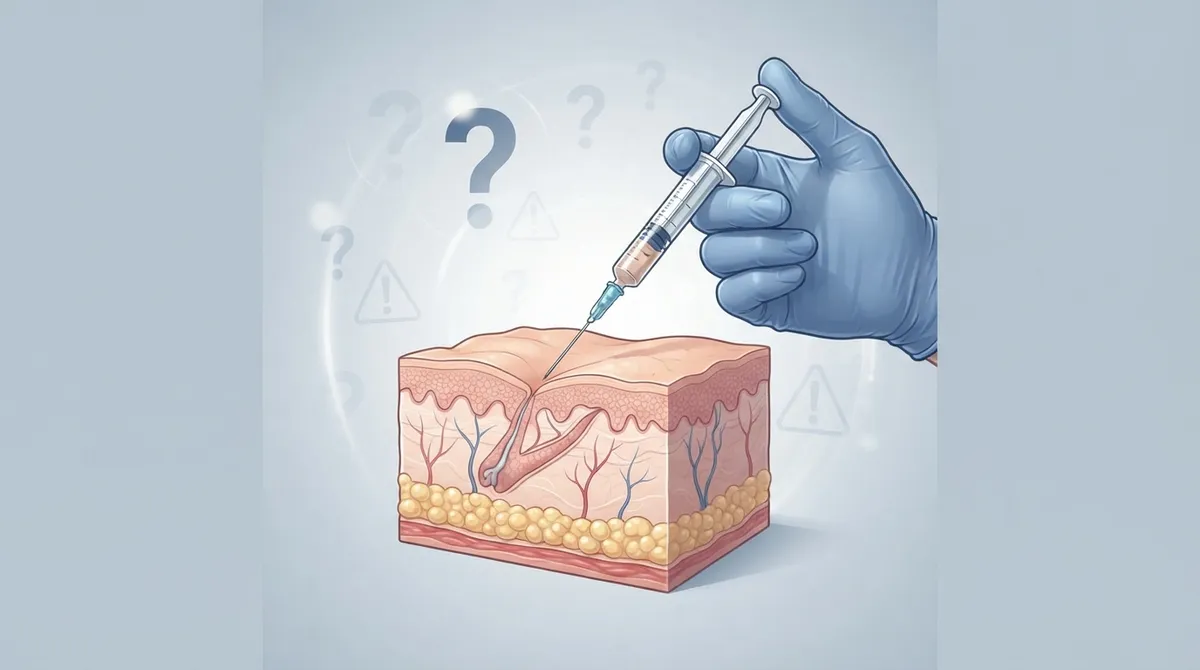
Subcutaneous means "under the skin." A subcutaneous injection places the peptide into the fatty tissue layer beneath the skin, rather than the muscle or bloodstream directly.
Wellness clinics often describe this method as useful for musculoskeletal concerns. The idea is that the peptide can slowly absorb into the body from this tissue layer. This differs from oral use, which many believe reduces effectiveness due to digestion.
How Is BPC-157 Injected Subcutaneously?
The general process people describe in wellness settings includes:
- Cleaning the injection site with an alcohol swab
- Pinching a small area of skin to create a fold
- Inserting a thin needle at the correct angle
- Slowly pushing the plunger to deliver the solution
- Removing the needle and applying light pressure
This is a general overview only. Because BPC-157 is not FDA-approved for these uses, there is no standardized medical protocol. Anyone considering peptide use should speak with a licensed provider first, not rely on online instructions.
What Are People Using BPC-157 Subcutaneous Injection For?
Wellness clinics and online communities often mention several possible uses:
- Tendon and ligament support after strain or injury
- Muscle recovery following intense exercise
- General inflammation concerns
- Gut health and digestive comfort
- Performance and recovery goals in athletes
Some preclinical models also show potential benefits for stomach and intestinal lining protection. This has led some people to ask about BPC-157 for gut health or inflammatory bowel concerns. However, these findings come from animal studies, not confirmed human treatments.
What the Research Actually Shows
It's important to separate hope from proof. Here is a simple table showing where the evidence currently stands.
Area of InterestType of EvidenceStrength of EvidenceTendon and ligament healingAnimal studiesPreclinical onlyMuscle recoveryAnimal and cell studiesPreclinical onlyGut lining protectionAnimal modelsPreclinical onlyKnee pain (intra-articular use)Small human studyLimited, not conclusiveLarge-scale human safety dataNone completedNot established
A small study cited in a 2025 review suggested that intra-articular BPC-157 injections may help certain types of knee pain. But this single study is not enough to support routine clinical use. No large, well-controlled human trial has confirmed BPC-157's safety or effectiveness.
Is BPC-157 FDA Approved?
No. BPC-157 is not approved by the FDA for any medical condition. This means its use in primary care or wellness settings is considered off-label and investigational.
This matters because FDA approval involves rigorous testing for safety and effectiveness. Without that process, dosing guidelines, long-term safety data, and quality control standards are not standardized. Patients should approach any clinic offering this peptide with careful, informed questions.
Key Questions to Ask Before Considering BPC-157
If you are exploring peptide therapy, ask these important questions first:
- What is the source and quality of the peptide being used?
- Is the provider a licensed medical professional?
- What are the known risks and side effects?
- Is this treatment supported by human clinical trials?
- What alternative, evidence-based options exist for my goals?
A trustworthy primary care provider will walk through these questions honestly, without overselling unproven treatments.
What Are the Possible Side Effects?
Because human research is limited, the full side effect profile of BPC-157 is not well documented. However, general injection-related risks can include:
- Injection site redness or irritation
- Swelling or mild discomfort at the injection area
- Risk of infection if proper technique is not used
- Unknown long-term effects due to lack of large studies
- Possible interactions with other medications or supplements
Because there is no FDA oversight, product quality can also vary widely between suppliers. This adds another layer of risk for anyone considering this peptide outside a supervised medical setting.
Comparing Peptide Therapy Approaches
Many patients ask how BPC-157 compares to other wellness-focused therapies offered at clinics. Here is a general comparison for context.
Therapy TypeEvidence LevelFDA StatusCommon GoalBPC-157 injectionPreclinical, limited human dataNot approvedRecovery, inflammation supportIV hydration therapyEstablished clinical useStandard medical practiceHydration, nutrient supportDNA gene testingEstablished scientific basisAvailable as wellness toolPersonalized health insightMedical weight loss programsStrong clinical evidenceFDA-approved medications availableSustainable weight management
This table shows why it helps to talk with a provider about your full range of options. Services like IV hydration and vitamin drips or DNA gene testing have more established evidence bases and can support your wellness goals safely.
Why Talking to a Primary Care Provider Matters
Peptide therapy sits in a gray area of medicine. That is exactly why guidance from a knowledgeable provider is so important. A good clinic will not just sell you a trend. They will explain the science, the risks, and the alternatives clearly.
At InCare, our providers, including Dr. Naveen Paddu, Dr. Pramjeet Ahluwalia, and Dr. Teshy John, focus on evidence-based care first. If you are curious about peptide therapy, we recommend starting with a full conversation about your health history and goals.
Who Should Be Cautious About BPC-157?
Certain groups should be especially careful before considering any unproven peptide treatment:
- Pregnant or breastfeeding individuals
- People with autoimmune conditions
- Those currently managing cancer or in cancer screening follow-up
- Patients on blood thinners or other complex medication regimens
- Anyone without a clear diagnosis for their symptoms
If you fall into any of these categories, a full evaluation through primary care or a cancer screening visit is a safer first step than starting an unproven injection.
What Should You Do Instead of Self-Treating?
Instead of trying to research and inject peptides on your own, consider these safer, structured steps:
- Schedule a full wellness visit to discuss your health goals
- Ask about evidence-based options for pain, recovery, or metabolism
- Request lab work or body composition analysis to understand your baseline health
- Discuss FDA-approved treatments that match your specific condition
- Follow up regularly to track progress and adjust your plan
This structured approach protects your health while still helping you move toward your wellness goals. Many patients at our Tampa and Riverview locations appreciate having a clear, guided plan instead of guesswork.
Where Does BPC-157 Fit in the Bigger Wellness Picture?
BPC-157 is part of a growing interest in peptide therapy across the wellness industry. Many patients are also exploring related options through our peptide therapy program in Tampa. These conversations should always happen with a licensed provider who can explain both the potential and the limits of current science.
Wellness trends move fast on social media. You can follow ongoing health tips and updates from InCare on Facebook, Instagram, and TikTok. These channels share real, practical health information, not just hype.
Why Patient Education Matters More Than Ever
The rise of peptide interest shows how important patient education has become. People deserve honest answers, not marketing claims. That is why InCare focuses on clear communication backed by current research.
Our approach blends technology with real medical expertise. From metabolic breath analysis to personalized weight loss programs, every service is grounded in data, not trends alone.
Final Thoughts on BPC-157 Subcutaneous Injection
BPC-157 subcutaneous injection remains an interesting but unproven area of wellness medicine. Animal studies show promise for healing and recovery. But human trials are still limited, and the FDA has not approved this peptide for medical use.
If you are considering peptide therapy, the smartest first step is a conversation with a trusted provider. Our patients consistently rate their experience highly, and you can see what real patients say when you visit us on Google — InCare.
Ready to talk through your options with a team that puts your safety first? Reach out to our care team today or book your appointment now to start a personalized, evidence-based wellness plan at InCare in Tampa or Riverview.
FAQs
Q: What is BPC-157 subcutaneous injection used for?
A: BPC-157 subcutaneous injection is discussed in wellness settings for tendon, ligament, and muscle recovery, as well as gut health support. These uses are based mainly on animal research, and human evidence remains limited and unconfirmed.
Q: Is BPC-157 safe?
A: Safety has not been fully established through large human clinical trials. Because it is not FDA-approved, dosing standards and long-term safety data are not well defined, so caution and medical guidance are essential.
Q: Is BPC-157 FDA approved?
A: No, BPC-157 is not FDA-approved for any medical use. Its use in wellness or primary care settings is considered off-label and investigational, meaning it falls outside standard, approved medical treatment.
Q: What are the side effects of BPC-157 injections?
A: Reported concerns include injection site irritation, swelling, and infection risk from improper technique. Because human research is limited, the complete side effect profile and long-term risks are not fully known.
Q: Does BPC-157 help with tendon or ligament healing?
A: Preclinical animal studies suggest possible benefits for tendon and ligament repair through mechanisms like collagen support and reduced inflammation. However, no large human trials confirm these effects in people.