Key Takeaways
- Tirzepatide is injected subcutaneously into the fatty layer under skin, not muscle; prefilled pens are simpler than vial-based injections, but both require proper technique to ensure consistent absorption and avoid bruising or poor dosing.
- Rotate injection sites weekly among three approved areas (abdomen, thigh, upper arm), staying at least one inch from the previous site and avoiding the navel area, to prevent skin irritation and scar tissue buildup.
- For prefilled pens, hold the injection button until you hear a click and count several seconds; for vial draws, measure doses in units, remove air bubbles by tapping the syringe, and inject at a 90-degree angle into a pinched skin fold.
- If you miss a weekly dose, you can still inject within four days of the scheduled date; if more than four days pass, skip that dose and resume your normal weekly schedule without doubling up.
- Avoid common mistakes like reusing injection sites consecutively, skipping alcohol swabs, injecting through clothing, or rushing the pen injection before it completes; disposal must go into FDA-cleared sharps containers immediately.
- Medical supervision with dose tracking, body composition monitoring, and regular check-ins helps catch technique errors early and ensures you stay on track with consistent weekly injections.
Starting tirzepatide can feel overwhelming, especially if you have never given yourself a shot before. Whether you are a busy parent squeezing in a weekly dose between school drop-offs or a young professional managing your health on your own, knowing the correct injection technique matters. Mistakes in injection technique can lead to bruising, poor absorption, or inconsistent dosing that slows your progress. This guide breaks down exactly how tirzepatide injections work, step by step, so you feel confident every time.
At InCare, our Tampa and Riverview teams help patients start tirzepatide safely as part of a supervised weight loss program. We walk every patient through proper technique before they ever take a dose home. Below, we cover pen devices, compounded vial methods, injection sites, and the safety steps that protect your skin and your results.

What Is Tirzepatide and How Is It Given?
Tirzepatide is a once-weekly injectable medication used for chronic weight management and blood sugar control. It is given by subcutaneous injection, meaning it goes into the fatty layer just under the skin, not into muscle. This method allows the medication to absorb slowly and work throughout the week.
Branded pen products like Zepbound are supplied as prefilled, single-use pens. Some patients use compounded tirzepatide from a vial, which requires a syringe. Both methods are effective, but the steps differ significantly. Always follow the exact instructions your provider gives you for your specific product.
Why Injection Technique Matters
- Poor technique can cause bruising, redness, or lumps under the skin
- Injecting into muscle instead of fat can change how fast the drug absorbs
- Inconsistent technique may lead to uneven dosing week to week
- Reusing the same spot too often can cause skin irritation over time
- Air bubbles or incorrect draws can reduce the dose you actually receive

Best Places to Inject Tirzepatide
The three approved injection sites for tirzepatide are the abdomen, the front or outer thigh, and the back of the upper arm. Rotating between these sites helps prevent skin irritation and scar tissue buildup. Many patients find the abdomen easiest to reach and see, which is why it is the most commonly used site.
Site Rotation Guidelines
- Choose a different spot within the same general area each week
- Stay at least one inch away from your last injection site
- Avoid areas with scars, stretch marks, or irritated skin
- Give a used site several weeks of rest before injecting there again
- Keep a simple log or calendar to track which site you used last
Injection SiteProsConsiderationsAbdomenEasy to see and reach, common siteAvoid the two-inch area around the navelThighGood alternative for rotationFront or outer thigh works bestUpper ArmUseful for rotation varietyMay need help from another person
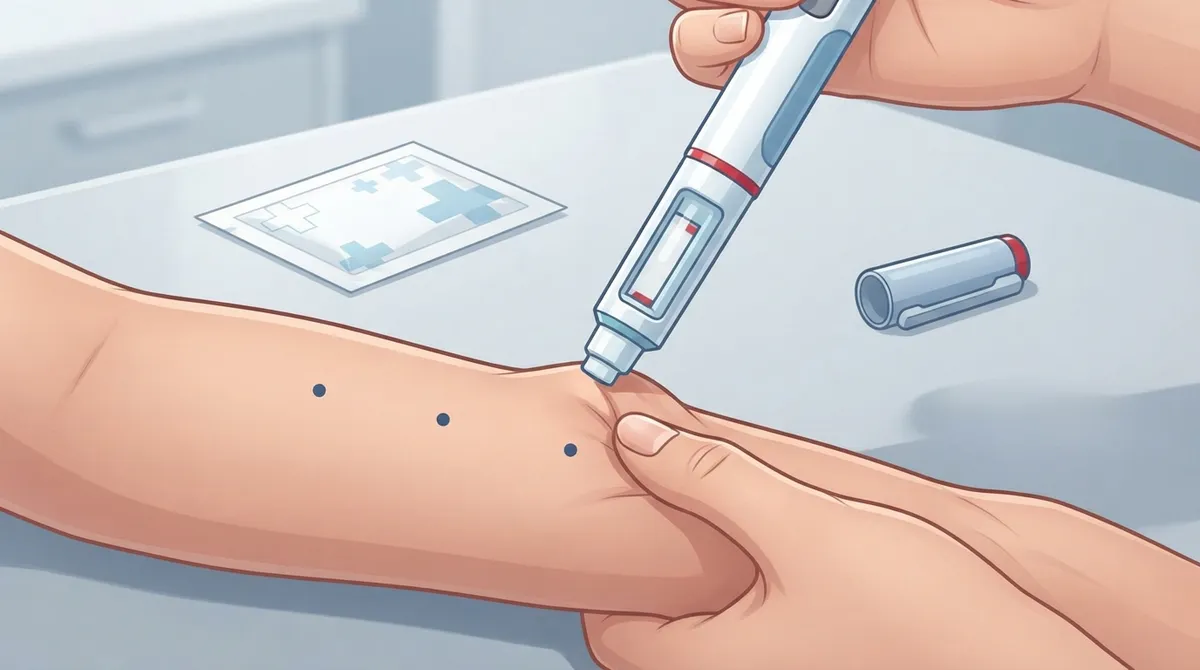
How to Inject Tirzepatide With a Prefilled Pen
Pen devices are designed to make injections simple and nearly foolproof once you learn the steps. Most branded tirzepatide pens deliver the dose automatically once triggered, which reduces user error compared to manual syringes.
Step-by-Step Pen Injection Process
- Wash your hands thoroughly with soap and water
- Check the pen label to confirm it is the correct dose and has not expired
- Let the pen sit at room temperature for about 30 minutes if it was refrigerated
- Clean the chosen injection site with an alcohol swab and let it air dry
- Remove the pen cap and place the pen flat against your skin
- Unlock the pen if your device requires this step
- Press and hold the injection button until you hear or feel a click
- Continue holding the pen in place for several seconds to ensure full delivery
- Remove the pen and dispose of it immediately in a sharps container
Most pen manufacturers indicate the injection is complete once the plunger is fully visible and the click has occurred. This process typically takes just a few seconds per dose.
How to Inject Compounded Tirzepatide From a Vial
Compounded tirzepatide requires a slightly different process because you must draw the medication into a syringe yourself. Precision matters here, since dosing is measured in units rather than a fixed pen click.
Vial and Syringe Method
- Wash your hands and gather your vial, syringe, and alcohol swabs
- Clean the rubber stopper on the vial with an alcohol swab
- Draw air into the syringe equal to your prescribed dose
- Insert the needle into the vial and push the air inside
- Turn the vial upside down and slowly withdraw your prescribed dose
- Check the syringe for air bubbles and tap gently to remove them
- Clean your chosen injection site with an alcohol swab and let it dry
- Pinch a fold of skin and insert the needle at the recommended angle
- Push the plunger slowly until the syringe is empty, then withdraw
- Dispose of the needle and syringe in an approved sharps container
Compounded products are commonly measured with a U-100 insulin syringe. As a general reference, 2.5 mg often equals 25 units, and 5 mg often equals 50 units, though this depends on the concentration your pharmacy provides. Always confirm your exact unit measurement with your prescribing clinician before your first dose.
Pen vs. Vial: Key Differences
FeaturePrefilled PenCompounded VialDose MeasurementPreset by manufacturerManually drawn in unitsNeedle HandlingHidden or minimal exposureVisible needle throughout processLearning CurveSimple, few stepsRequires more practice and precisionAir Bubble RiskLowHigher, requires manual checking
What Angle Should You Use?
For most patients with an average amount of body fat, a 90-degree angle straight into a pinched fold of skin works well. If you are very lean, a 45-degree angle may be safer to avoid reaching muscle tissue. Your provider can help you determine which angle fits your body type best during your initial visit.
Common Mistakes to Avoid
- Injecting into the same spot week after week
- Skipping the alcohol swab step before injecting
- Injecting through clothing instead of directly on clean skin
- Rushing the pen injection and removing it before the dose finishes
- Reusing needles or syringes more than once
- Ignoring visible air bubbles in a manually drawn syringe
What to Do If You Miss a Dose or See Air Bubbles
If you miss your weekly tirzepatide dose, most guidance allows you to take it within four days of the missed date. If more than four days have passed, skip that dose and resume your regular schedule the following week. Never double up to make up for a missed injection.
If you notice air bubbles in a vial-drawn syringe, gently tap the syringe barrel to move bubbles to the top before injecting. Push the plunger slightly to release the air before administering your dose. Small air bubbles are generally not dangerous with subcutaneous injections, but removing them helps ensure accurate dosing.
Sharps Disposal and Safety
Needles and syringes should always be treated as single-use items. Dispose of them in an FDA-cleared sharps container immediately after use to reduce the risk of needlestick injuries. Many pharmacies and clinics, including our InCare locations, can guide you on proper sharps disposal options in your area.
Why Medical Supervision Matters
Starting an injectable medication without guidance increases the risk of technique errors and missed warning signs. A supervised program pairs your injections with regular check-ins, body composition tracking, and side effect monitoring. This approach helps you stay on track and adjust your plan as your body responds.
Our providers, including Dr. Pramjeet Ahluwalia and Dr. Naveen Paddu, work closely with patients throughout their weight loss journey. If you are curious how tirzepatide compares to other options, our guide on tirzepatide vs. semaglutide breaks down the differences in detail. You can also review our tirzepatide dosage guide to understand how your plan may change over time.
Building Injection Confidence Over Time
Most patients feel nervous during their first one or two injections. By the third or fourth week, the process usually becomes quick and routine. Practicing good habits early, like consistent site rotation and proper disposal, sets you up for long-term success.
Tips for Staying Consistent
- Set a weekly reminder on your phone for the same day and time
- Store your pens or vials according to the label instructions
- Keep alcohol swabs and sharps containers stocked ahead of time
- Bring questions to your follow-up visits rather than guessing
- Follow our team on Instagram or Facebook for wellness tips between appointments
For general reference on medication safety and injectable therapies, the U.S. Food and Drug Administration and the Centers for Disease Control and Prevention both publish helpful patient safety resources. Always pair outside research with direct guidance from your prescribing clinician.
Ready to Start Your Weight Loss Journey?
Learning how to inject tirzepatide correctly is easier with hands-on training from a medical team that knows your health history. Our Tampa and Riverview clinics offer personalized weight loss programs that include injection training, dosage planning, and ongoing support. You can also check out what current patients say by visiting our InCare location on Google before your first appointment.
If you are ready to get started, schedule your appointment today and let our team guide you through every step of your tirzepatide journey. You can also reach out to our team with any questions before your visit.
FAQs
Q: How do you inject tirzepatide step by step?
A: Clean the injection site with an alcohol swab, let it dry, then place the pen flat against the skin or insert the syringe needle into a pinched fold of skin. Press and hold the pen button until it clicks, or slowly push the syringe plunger for vial-based doses. Dispose of the needle immediately in a sharps container after use.
Q: Where is the best place to inject tirzepatide?
A: The abdomen, thigh, and upper arm are the approved injection sites for tirzepatide. Most patients prefer the abdomen because it is easy to see and reach. Rotating between these three areas each week helps prevent skin irritation.
Q: Can tirzepatide be injected into the thigh, stomach, or arm?
A: Yes, all three sites are approved for subcutaneous tirzepatide injections. Rotating between them reduces the risk of skin irritation and lumps forming under the skin. Your provider can help you determine which sites work best for your body type.
Q: How do you inject compounded tirzepatide from a vial?
A: Clean the vial stopper, draw air into the syringe equal to your dose, and inject that air into the vial. Then withdraw the prescribed dose, check for air bubbles, and inject into a cleaned, pinched area of subcutaneous tissue. Compounded doses are often measured in insulin units, so confirm your exact measurement with your prescriber.
Q: What should you do if you miss a tirzepatide dose or see air bubbles?
A: If you miss a dose, most guidance allows administration within four days of the scheduled date. If more than four days have passed, skip that dose and resume your normal weekly schedule. For air bubbles in a syringe, gently tap the barrel to move bubbles upward and release them before injecting.