
Key Takeaways
- Verify the treating clinician's Florida license through the state licensing board, confirm it is active, and check for any disciplinary history before booking.
- Ask whether each peptide is FDA-approved for your specific condition; compounded products are not FDA-reviewed for safety, effectiveness, or quality.
- Walk away from clinics offering 'research use only' products, unverified online-sourced injectables, guaranteed results, or a peptide stack before any medical assessment.
- A reputable clinic starts with medical history, medication review, and testing, and explains the evidence and risks honestly rather than promising anti-aging or performance outcomes.
- Get pricing, follow-up monitoring, lab plans, and refund terms in writing directly from the practice, since directory listings are not independent endorsements.
- Establish a primary care relationship first, since fatigue, poor sleep, and weight gain often have causes like thyroid issues or low vitamins that peptides won't fix.
Peptide therapy is a hot topic in wellness right now. Search for a reputable peptide clinic in Tampa and you will find dozens of ads promising faster recovery, better sleep, and more energy. That is a lot of noise. How do you know which clinic is safe, honest, and run by real medical professionals?
This is a fair question, especially in 2026. The word "peptide" covers many different substances. Some are FDA-approved medicines for specific conditions. Others are marketed for wellness with limited human research behind them. Clinic ads are a starting point for questions, not proof of quality or results.
This guide shows you what to look for. You will learn how to verify a clinician's license, what to ask about sourcing and safety, and which warning signs should make you walk away. Whether you are a busy parent, a health-minded professional, or someone new to wellness care, you will leave with a clear checklist. You will also see why a primary care foundation matters before you start any peptide plan.

What Does "Reputable" Really Mean for a Peptide Clinic?
A reputable peptide clinic puts medicine first and marketing second. That means a licensed clinician evaluates you, explains the evidence honestly, and monitors you over time. It does not mean a flashy website or a big social media following.
Here is what separates a trustworthy clinic from a risky one:
- Clinician-led care: A licensed physician or qualified provider reviews your history before recommending anything.
- Honest evidence: The clinic tells you when research is limited instead of promising results.
- Transparent sourcing: Staff can explain where products come from and why they are legal to use.
- Follow-up care: There is a plan for monitoring, lab work, and handling side effects.
- No guarantees: Real medicine never promises anti-aging miracles or guaranteed outcomes.
If a clinic skips these basics, treat that as a red flag. Your health deserves better than a sales pitch.
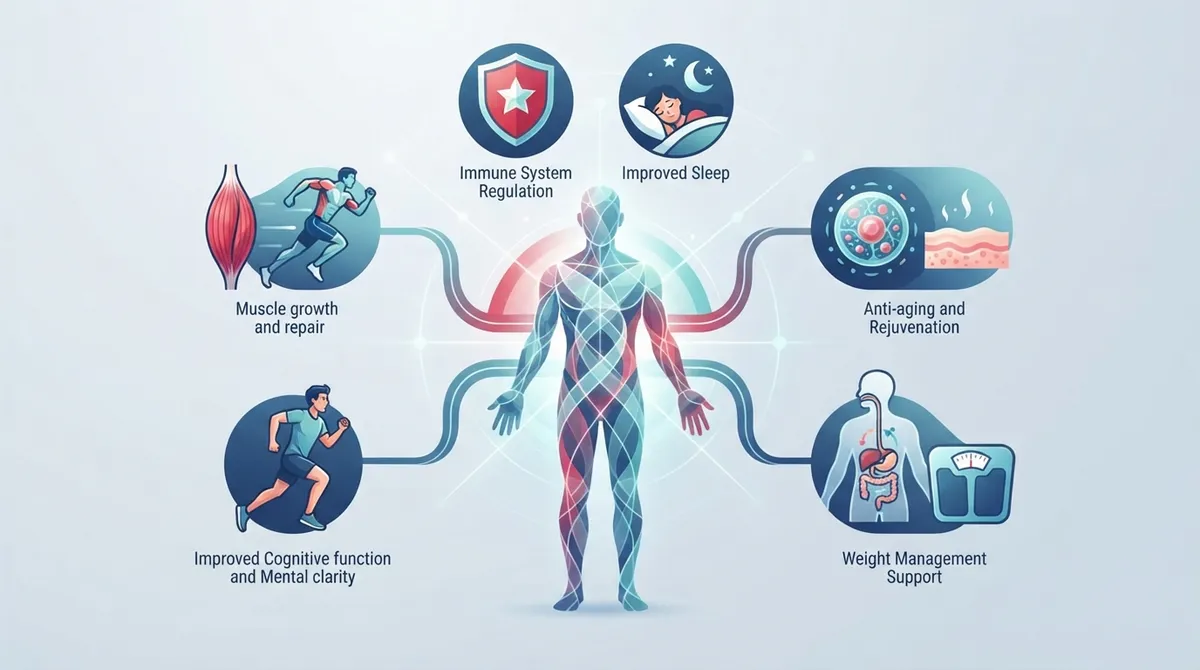
Why Peptide Therapy Is Not One Single Treatment
Many people think "peptide therapy" means one product. It does not. Peptides are short chains of amino acids, and the category includes very different substances with very different levels of proof.
Some peptides are FDA-approved medicines. These went through formal review for safety and effectiveness for a specific condition and a specific route of use. Other peptides sold in wellness settings are not FDA-approved, and some have only limited human safety data.
This matters because a clinic's marketing claims are not clinical proof. A clinic that lumps every peptide together is not being straight with you. A trustworthy provider will explain each substance on its own terms.
FDA-Approved vs. Compounded: A Key Difference
Compounded drugs are made by a pharmacy for an individual patient. They are not FDA-approved. The FDA does not review them for safety, effectiveness, or quality before they are marketed.
The FDA has also raised safety concerns about certain peptides used in compounding. These include possible immune reactions, impurities, and limited human safety data. Compounding is also subject to legal limits. So a good clinic should explain the legal basis for any product it offers, rather than imply that every peptide is routinely available.
|
Factor |
FDA-Approved Drug |
Compounded Product |
|---|---|---|
|
FDA review for safety and effectiveness |
Yes, before marketing |
No |
|
Approved for a specific condition |
Yes |
No |
|
Quality review by FDA before sale |
Yes |
No |
|
Key question to ask |
Is it approved for my condition? |
What is the legal basis and pharmacy source? |
How to Verify a Peptide Clinic in Tampa: A Step-by-Step Checklist
Follow these steps before you book any peptide consultation. They take less than an hour and can protect your health.
- Identify the treating clinician. Ask who will evaluate you, who prescribes, and who monitors your care.
- Check the Florida license. Look up the clinician through the relevant Florida licensing board. Confirm the license is active and review any disciplinary history.
- Ask about the assessment. A real visit starts with medical history, current medications, goals, and relevant testing.
- Ask about FDA status. For each peptide, ask if it is FDA-approved for your condition and the way it will be used.
- Ask about sourcing. Find out which pharmacy supplies the product and why its use is legal.
- Ask about follow-up. Learn how side effects are handled and how often you will be monitored.
- Confirm costs in writing. Get pricing, policies, and refund terms directly from the practice.
Directory listings and clinic websites are not independent endorsements. Always confirm current services, clinician identity, and pricing with the practice itself.
Warning Signs of a Risky Peptide Provider
Some red flags are easy to spot once you know them. Walk away if you see any of these:
- Products labeled "research use only" or "not for human consumption."
- Injectable products sourced from unverified online sellers.
- Promises of healing, anti-aging, or performance results without strong human evidence.
- A one-size-fits-all "peptide stack" offered before any medical assessment.
- No clear answer about who the prescriber is.
- Pressure to buy packages up front.
Injectable peptides carry real risks. Examples include injection-site problems, possible immune reactions, and contamination from poor-quality products. These risks are higher when products come from sources that no one can verify.
Questions to Ask Before You Start Treatment
Bring a short list of questions to your first visit. A reputable clinic will welcome them. A weak clinic will dodge them.
Questions About Safety
- What are the known risks of this specific peptide?
- What does the human research actually show?
- How will you monitor me, and what labs will you order?
- What should I do if I have a reaction?
Questions About the Product
- Is this FDA-approved, or is it compounded?
- Which pharmacy prepares it, and how is quality checked?
- Is it labeled for human use?
Questions About Cost and Fit
- What is the total monthly cost, including visits and labs?
- What happens if the treatment is not working?
- Is there a simpler or better-proven option for my goal?
There is no reliable, independently verified figure for typical peptide pricing in Tampa. Prices vary by product, provider, and plan. That is another reason to ask for written quotes.
Why a Primary Care Foundation Matters
Peptides should never be the first step in your health plan. Fatigue, poor sleep, weight gain, and slow recovery can have many causes. Thyroid problems, low vitamin levels, sleep apnea, blood sugar issues, and medication side effects all come to mind.
A primary care physician can look at the full picture. That includes your labs, your history, and any other conditions. This helps you avoid spending money on a peptide when the real fix is something simpler. It also helps keep you safe if you take other medicines.
This approach fits many readers well. Busy young families need efficient, whole-family care. Tech-savvy professionals want data-driven answers. High-income wellness seekers want advanced testing backed by medical oversight. Women and Gen Z adults without an established doctor often need a place to start. A clinic that offers primary care alongside advanced wellness services serves all of these groups.
How InCare Approaches Peptide Conversations in Tampa
InCare is a personalized healthcare clinic that combines modern technology with medical expertise. The practice serves patients in Tampa and Riverview. Its model starts with prevention and whole-body optimization, not quick fixes.
At InCare, peptide questions fit inside a larger care plan. Patients can explore DNA gene testing, metabolic breath analysis, and body composition tracking to get a clearer picture of their health first. Many people also start with primary care to review labs and medications before considering any advanced therapy.
You can learn more about how InCare handles this topic in our guide to peptide therapy in Tampa. For a safety-focused overview, read our peptide therapy benefits and safety guide. You can also meet the care team on the providers page, including Dr. Naveen Paddu, so you know exactly who is guiding your care.
Patient feedback matters too. InCare holds a 4.8 out of 5 rating on Google across 359 reviews. You can see what InCare patients say on Google and judge for yourself. You can also follow the clinic on Instagram and Facebook for updates, or watch short wellness tips on TikTok.
What to Expect at a Peptide Consultation
A solid consultation feels like a medical visit, not a sales call. Here is what a good first appointment looks like:
- Medical history review: You discuss conditions, past surgeries, and family history.
- Medication and supplement review: The clinician checks for interactions.
- Goal setting: You explain what you want to improve, such as energy, recovery, or weight.
- Testing: Labs or other tests may be ordered to find root causes.
- Evidence discussion: The provider explains what is proven, what is not, and the risks.
- Plan and follow-up: You get a clear plan, cost estimate, and monitoring schedule.
You should leave feeling informed, not pressured. If a clinic recommends a peptide stack within minutes and without testing, that is not a medical standard of care.
Comparing Your Options: A Quick Decision Guide
|
Your Situation |
Smart First Step |
|---|---|
|
No regular doctor |
Book a primary care visit and baseline labs |
|
Weight concerns |
Ask about physician-guided weight loss options with proven evidence |
|
Low energy or fatigue |
Rule out sleep, thyroid, and nutrient issues first |
|
Curious about peptides |
Request an evidence-based consultation with a licensed clinician |
|
Interested in prevention |
Consider cancer screening and gene testing |
Final Thoughts: Choose Care, Not Hype
Finding a reputable peptide clinic in Tampa comes down to a few simple ideas. Look for licensed clinicians, honest talk about evidence, clear sourcing, and real follow-up. Avoid products with "research use only" labels and anyone who guarantees results.
Start with the big picture of your health. A strong primary care relationship protects you and helps you choose treatments that make sense. If you want a team that blends technology, prevention, and personal attention, InCare is a strong place to begin.
Ready to talk through your options with a licensed provider? Book your visit with InCare today, or contact our team with any questions. You can also reach the clinic at 813-553-3330.
FAQs
Q: How do I find a reputable peptide clinic in Tampa?
A: Start by verifying the treating clinician's Florida license through the state licensing board. Then confirm that the clinic begins with a medical assessment, explains the evidence honestly, and can name the pharmacy source for each product. Avoid any clinic that guarantees results.
Q: Are peptide therapies FDA-approved?
A: It depends on the peptide. Some are FDA-approved for specific conditions, while many wellness-marketed peptides are not. Compounded products are not FDA-approved and are not reviewed by the FDA for safety, effectiveness, or quality before marketing.
Q: What questions should I ask a peptide clinic before treatment?
A: Ask who prescribes and monitors your care, whether each peptide is FDA-approved for your condition, and which pharmacy supplies it. Also ask about known risks, lab monitoring, follow-up, and the total cost in writing.
Q: How can I verify a Florida clinician's license?
A: Use the relevant Florida licensing board's online lookup to confirm that the clinician's license is active. You can also review any disciplinary history there. If a clinic will not name its prescriber, treat that as a warning sign.
Q: Why should I see a primary care doctor before starting peptides?
A: Symptoms like fatigue, poor sleep, or weight gain often have causes that peptides will not fix. A primary care physician can review labs, medications, and overall health first, which helps keep treatment safe and appropriate.