Key Takeaways
- Cysteine is the rate-limiting amino acid for glutathione synthesis, making it the critical bottleneck your body struggles to obtain enough of through diet alone.
- A nutrient-dense diet with protein, cruciferous vegetables, allium vegetables, and whey protein should be your foundation before considering supplements like NAC or GlyNAC.
- GlyNAC showed modest results in research: it didn't significantly raise glutathione in healthy older adults overall, but did help those with high oxidative stress and low baseline glutathione levels.
- Address root causes of oxidative stress first—smoking, poor sleep, uncontrolled blood sugar, and chronic inflammation—as these often matter more than any single supplement.
- GlyNAC benefits faded within 12 weeks after stopping, demonstrating that consistent use is required and long-term safety data remains limited for everyday wellness use.
- IV glutathione marketed for detox and anti-aging lacks solid evidence and isn't a standard primary care therapy; any supplementation should be discussed with your provider first.
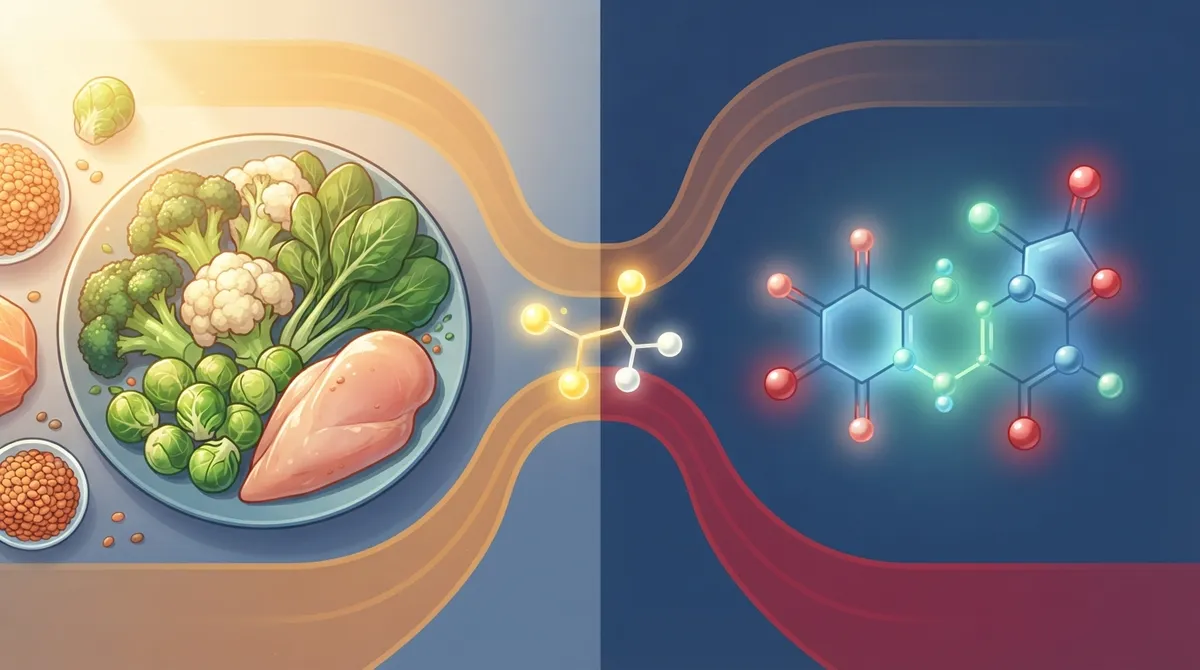
Your body makes its own antioxidant every single day. It's called glutathione, and it happens inside your cells without you noticing. But as people search for ways to feel younger, fight fatigue, and support long-term health, a big question keeps coming up: can supplements like GlyNAC actually outperform good nutrition when it comes to glutathione synthesis? Or is a healthy diet still the smarter first step? This comparison breaks down what science actually shows, so you can make an informed choice with your primary care team.
At InCare, patients across Tampa and Riverview often ask about antioxidants, detox trends, and wellness supplements they've seen online. Understanding glutathione synthesis, and separating fact from marketing hype, can help you make smarter decisions about your health. This article compares two common approaches: supporting glutathione through diet and lifestyle versus using targeted supplements like NAC and GlyNAC.
What Is Glutathione Synthesis?
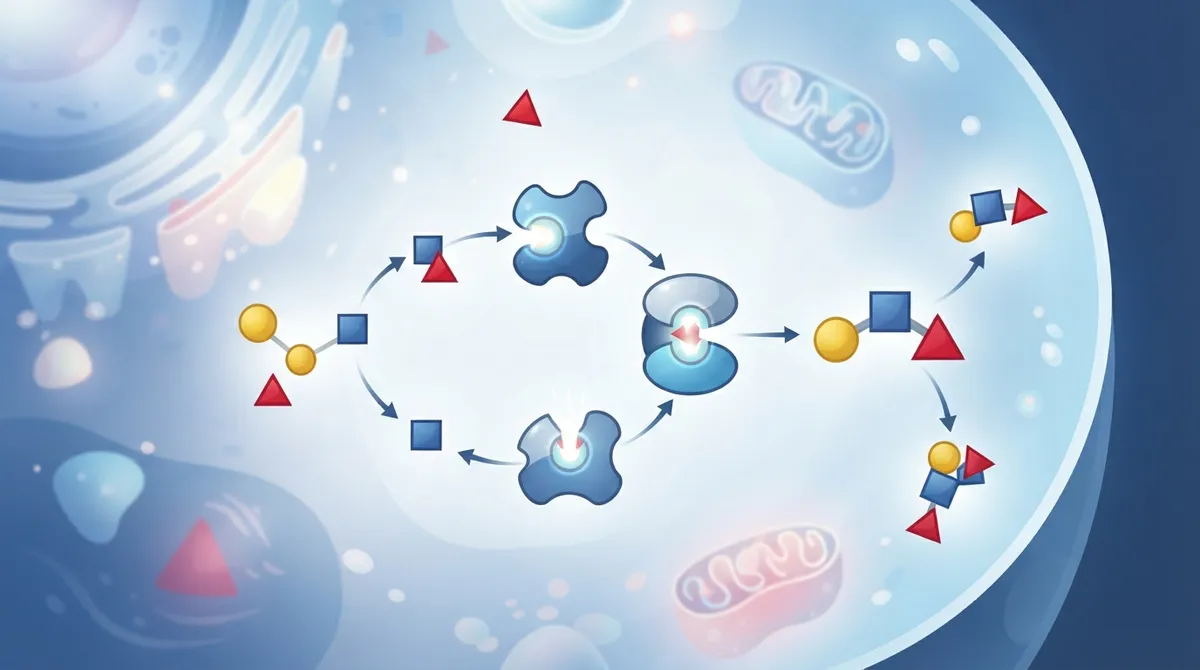
Glutathione is a small protein-like molecule made inside your cells. It's built from three amino acids: glutamate, cysteine, and glycine. Doctors sometimes call it the body's "master antioxidant" because it plays a role in so many processes.
The process of making glutathione happens in two steps. First, an enzyme called glutamate-cysteine ligase (GCL) joins glutamate and cysteine together. Then, another enzyme called glutathione synthetase adds glycine to complete the molecule. Both steps require energy from your cells.
Cysteine is often the hardest ingredient for your body to get enough of. This is why many wellness approaches focus on boosting cysteine levels through diet or supplements.
Why Glutathione Matters for Your Health
Glutathione does more than just neutralize harmful molecules. Here is what this antioxidant helps with inside your body:
- Neutralizing reactive oxygen species and peroxides that can damage cells
- Keeping proteins in your cells working correctly
- Helping your liver break down toxins and certain medications
- Recycling other antioxidants, including vitamin C and vitamin E
- Supporting your immune system's normal function
- Maintaining balance in your body's oxidative stress levels
Low glutathione has been linked to aging, chronic inflammation, and metabolic disease. However, a low reading on a lab test isn't automatically a diagnosis. It's one piece of a larger health picture that your primary care provider can help interpret.
Diet and Lifestyle: The Foundation Approach
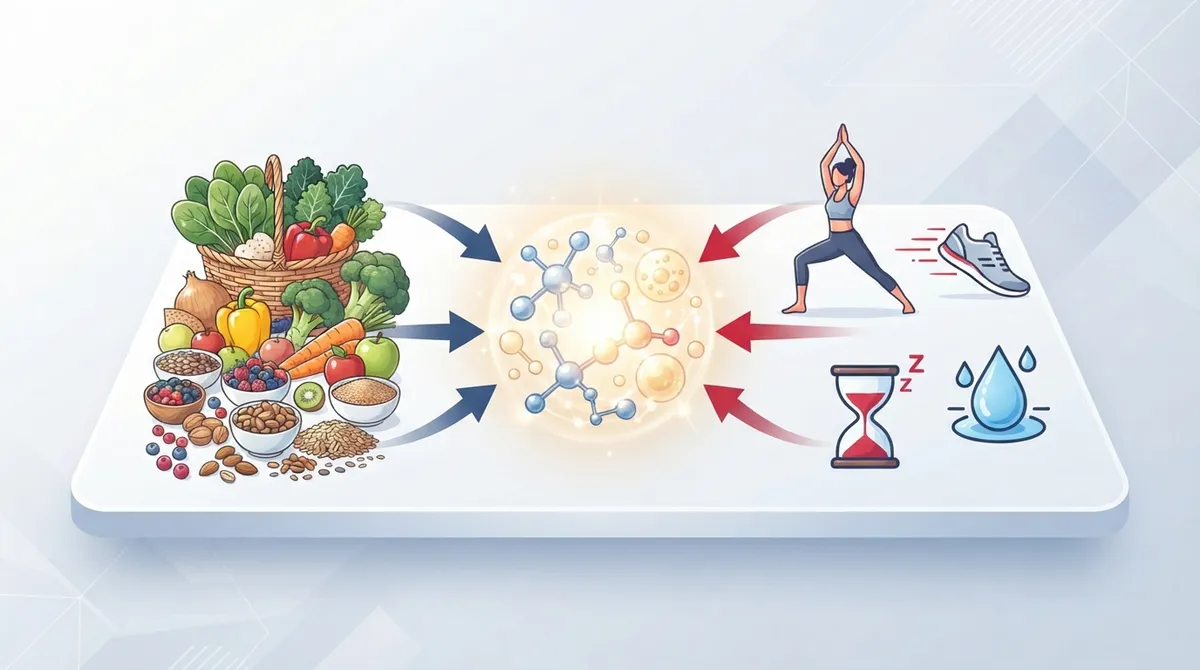
Before turning to supplements, most doctors recommend looking at nutrition and daily habits first. Your body needs raw materials to build glutathione, and food is the most natural source.
Foods That Support Glutathione Production
Certain foods provide the amino acids and nutrients your body uses for glutathione synthesis. Consider adding these to your weekly meals:
- Protein-rich foods like eggs, poultry, fish, and legumes for amino acid building blocks
- Cruciferous vegetables such as broccoli, cauliflower, and Brussels sprouts
- Allium vegetables including garlic and onions, which contain sulfur compounds
- Whey protein, which is naturally rich in cysteine
- Nuts and seeds for additional micronutrient support
- Leafy greens that supply glutamate and other cofactors
No single food acts as a cure for low glutathione. Instead, a consistent, nutrient-dense diet supports your body's natural antioxidant systems over time.
Lifestyle Factors That Affect Oxidative Stress
Several everyday habits influence how much oxidative stress your body faces, which in turn affects glutathione demand. These include:
- Smoking and secondhand smoke exposure
- Heavy or frequent alcohol use
- Poor sleep quality and chronic sleep deprivation
- Uncontrolled blood sugar or diabetes
- Chronic inflammation from untreated conditions
- Aging, which naturally reduces antioxidant capacity over time
Addressing these root causes often matters more than any single supplement. A wellness visit is a good time to discuss these factors with your provider.
Supplements: NAC and GlyNAC Explained
Supplements are the second approach people consider, especially when diet and lifestyle changes aren't enough or when someone has higher oxidative stress. The two most researched options are NAC and GlyNAC.
What Is NAC?
N-acetylcysteine, or NAC, is a supplement form of cysteine. It's been used in hospitals for decades, most notably to treat acetaminophen overdose and to help loosen mucus in certain lung conditions. NAC supplies the cysteine your body needs for the first step of glutathione synthesis.
What Is GlyNAC?
GlyNAC combines glycine and NAC together. The idea is simple: give the body both amino acids needed for the second step of glutathione production, not just one. This combination has drawn attention in recent research, particularly for older adults.
Comparing the Evidence: Diet vs. Supplements
The table below summarizes what current research suggests about each approach, based on published clinical trials and reviews.
|
Approach |
Mechanism |
Evidence Strength |
Best Suited For |
|---|---|---|---|
|
Whole-food diet |
Supplies glutamate, cysteine, glycine naturally |
Strong for general health, limited direct glutathione trials |
Everyone as a baseline strategy |
|
NAC alone |
Provides cysteine, the rate-limiting amino acid |
Well established for specific medical uses |
Selected clinical situations under medical guidance |
|
GlyNAC combination |
Provides both glycine and cysteine together |
Promising but still developing, mixed results |
Older adults or those with high oxidative stress, under supervision |
|
Oral glutathione supplements |
Attempts to supply glutathione directly |
Variable absorption, inconsistent results |
Not routinely recommended without guidance |
What the Research Actually Shows
A randomized controlled trial of 114 healthy older adults tested GlyNAC over two weeks at different doses. The main finding was surprising: GlyNAC did not significantly raise circulating glutathione compared to a placebo in the overall group.
However, a smaller subgroup with higher oxidative stress and lower starting glutathione did show improvement with medium and high doses. This finding was exploratory, meaning it needs more research before it applies broadly.
A separate 24-week study found more encouraging results. Older adults who took GlyNAC saw improvements in glutathione status, inflammation markers, physical function, and even some cognitive measures. But these benefits faded within 12 weeks after stopping the supplement, which shows that consistent use matters and long-term safety data is still limited.
Ranking the Options: A Practical Approach
Based on current evidence, here is a reasonable order to consider when thinking about glutathione support:
- Start with diet and lifestyle changes, since these support overall health beyond just antioxidant levels
- Address underlying conditions like diabetes, chronic inflammation, or poor sleep that increase oxidative stress
- Discuss NAC with your doctor if you have a specific medical indication or higher oxidative stress markers
- Consider GlyNAC only under medical supervision, especially if you are an older adult with measurable oxidative stress
- Approach oral or liposomal glutathione supplements with caution, since bioavailability varies widely between products
- Avoid intravenous glutathione marketed as a cure-all detox or anti-aging treatment without solid evidence
This order isn't about ranking supplements as "better" or "worse." It reflects how much evidence supports each option and how much medical oversight it typically requires.
Who Should Consider Supplementation?
Not everyone needs to think about glutathione supplements. Certain groups may benefit more from a conversation with their doctor about oxidative stress and antioxidant support:
- Older adults, since glutathione production tends to decline with age
- People with poorly controlled diabetes or metabolic disease
- Individuals with chronic inflammatory conditions
- Those with a history of heavy alcohol use or smoking
- People recovering from certain infections or illnesses
- Patients working through a structured weight loss or metabolic optimization program
Testing glutathione levels isn't a routine part of most primary care visits, and a low result alone doesn't mean you need supplements. Your provider can help interpret any findings alongside your full health picture, including options like DNA gene testing or body composition analysis for a more complete view.
Safety Considerations Before Starting Any Approach
Both dietary changes and supplements come with things to think about before you start. Keep these factors in mind:
- Kidney or liver disease may affect how your body processes cysteine and other amino acids
- Asthma patients should discuss NAC carefully, since it can affect airways in some cases
- Pregnancy and breastfeeding require extra caution with any new supplement
- Medication interactions are possible, especially with blood thinners or certain psychiatric medications
- Gastrointestinal side effects like nausea can occur with higher doses of NAC or GlyNAC
- Product quality varies widely, so third-party testing matters if you choose a supplement
Short-term studies have shown GlyNAC is generally well tolerated in older adults over a few weeks. But short-term tolerability doesn't prove long-term safety or the right dose for everyday wellness use.
Why Intravenous Glutathione Isn't a Routine Recommendation
IV glutathione has become popular in some wellness circles, often marketed as a detox or skin-brightening treatment. At this time, it is not considered a standard, evidence-based primary care therapy. Claims about detoxification, anti-aging, or immune boosting through IV glutathione go beyond what current research supports.
This doesn't mean all IV hydration and vitamin therapy options lack value. Many patients use IV therapy for hydration, electrolyte balance, or specific vitamin needs under medical guidance. The key is working with a provider who sets realistic expectations rather than overselling results.
How InCare Approaches Antioxidant and Wellness Support
At InCare, providers focus on the full picture of your health before recommending any supplement strategy. This means reviewing your diet, screening for chronic conditions, and discussing realistic goals rather than chasing trends. Our providers, including Dr. Naveen Paddu, Dr. Pramjeet Ahluwalia, and Dr. Teshy John, work with patients throughout Tampa and Riverview to build personalized wellness plans grounded in evidence.
Whether you're curious about metabolic breath analysis, cancer screening, or simply want a second opinion on a wellness trend you saw online, our team can walk you through what's backed by research and what isn't. Patients often mention how approachable our staff is; you can visit us on Google — InCare to read what other patients have shared about their experience.
We also share educational content and patient tips on Facebook, Instagram, and TikTok, so you can stay informed between visits.
Making the Right Choice for Your Health
So which wins: GlyNAC or diet alone? The honest answer is that neither works in isolation. A nutrient-dense diet builds the foundation every cell needs. Supplements like NAC or GlyNAC may offer added support for specific people, particularly older adults or those with measurable oxidative stress, but they are not a substitute for addressing the root causes of poor health.
The smartest path is a personalized one. That means working with a primary care provider who can review your health history, order appropriate testing, and help you decide if supplementation makes sense for your situation. Fad-driven wellness trends often promise more than the science supports, so a grounded, evidence-based approach protects both your health and your wallet.
If you want a personalized plan for antioxidant support, metabolic health, or overall wellness optimization, our team is ready to help. Reach out to our care team to schedule a consultation, or go ahead and book your appointment online today to start building a health plan backed by real evidence.
FAQs
Q: What is glutathione synthesis and why is it important for health?
A: Glutathione synthesis is the body's process of building this antioxidant from three amino acids: glutamate, cysteine, and glycine. It matters because glutathione helps neutralize harmful molecules, supports the immune system, and assists the liver in breaking down toxins and medications.
Q: Does NAC increase glutathione levels?
A: NAC supplies cysteine, which is often the amino acid your body struggles to get enough of for glutathione production. It has established medical uses, including treating acetaminophen toxicity, though its effects on glutathione in healthy adults vary by individual and dose.
Q: What is GlyNAC, and is it safe for healthy adults?
A: GlyNAC combines glycine and NAC to supply both amino acids needed for glutathione synthesis. Research shows it was well tolerated over short study periods in older adults, but long-term safety and appropriate dosing for general wellness use are still being studied.
Q: Which foods naturally support glutathione production?
A: Protein-rich foods, sulfur-containing vegetables like garlic and broccoli, and whey protein all supply the building blocks needed for glutathione synthesis. No single food treats a glutathione deficiency, but a nutrient-dense diet supports your body's natural antioxidant systems.
Q: Are oral or liposomal glutathione supplements effective?
A: Oral glutathione absorption varies significantly by formulation and individual, according to research from the National Institutes of Health. Because evidence remains inconsistent, these supplements should be discussed with a primary care provider before use rather than assumed to work uniformly.