Key Takeaways
- Glutathione is not an approved cancer treatment and should never replace standard oncology care like chemotherapy or radiation, which have strong clinical evidence supporting their effectiveness.
- Some small studies suggest glutathione may reduce nerve damage from platinum-based chemotherapy drugs like cisplatin, but evidence remains limited to narrow situations and requires medical supervision.
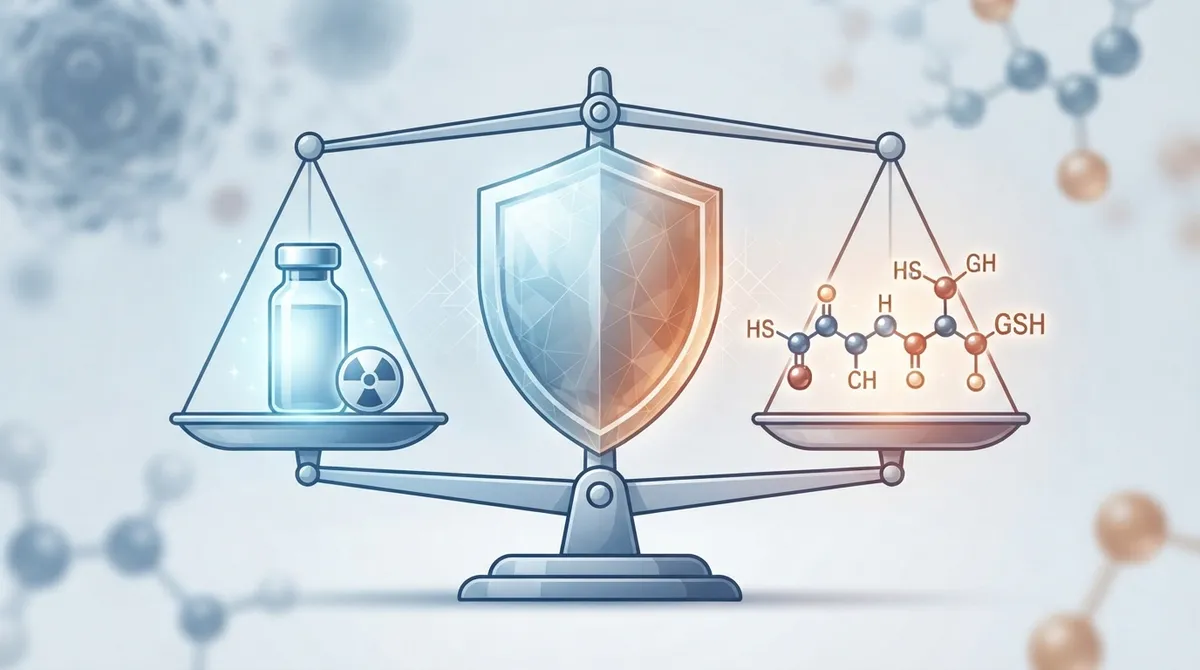
- Glutathione may create a harmful double-edged sword: while it reduces oxidative stress, some cancer cells use high glutathione levels to protect themselves, potentially making them more resistant to treatment.
- Before considering glutathione, consult your oncology team about drug interactions, kidney and liver function, product quality, administration method, and timing relative to treatment cycles.
- IV glutathione has been studied more than oral forms in cancer research, but even IV studies remain small and inconsistent, with no evidence it improves overall survival rates or prevents cancer.
- Prevention and early detection through cancer screening remain far more proven strategies for improving cancer outcomes than any single supplement or wellness intervention.
Patients facing cancer treatment often search for ways to feel better during chemotherapy or radiation. Glutathione has become a popular topic in wellness circles, with claims ranging from reducing nerve pain to boosting immunity. But how does this antioxidant actually compare to standard oncology care? Understanding the real evidence matters, especially when your health is on the line.
This article breaks down what glutathione can and cannot do for cancer patients. We will look at the science, the limits of current research, and how primary care providers can help you make informed choices. If you are exploring wellness options alongside cancer treatment, this guide offers the clarity you need before making any decisions.

What Is Glutathione and Why Does It Matter?
Glutathione (GSH) is a natural antioxidant made inside your body. It comes from three building blocks: cysteine, glutamate, and glycine. This molecule helps control oxidative stress and supports your body's natural detox processes.
Every cell in your body relies on glutathione to stay balanced. It helps neutralize harmful molecules called free radicals. Many wellness clinics offer glutathione through IV hydration and vitamin drips as part of broader health optimization plans.
However, it is important to understand one key fact: glutathione is not an approved cancer treatment. It is not a cure, and it should never replace medical oncology care.
Glutathione vs. Standard Cancer Treatment: The Core Comparison
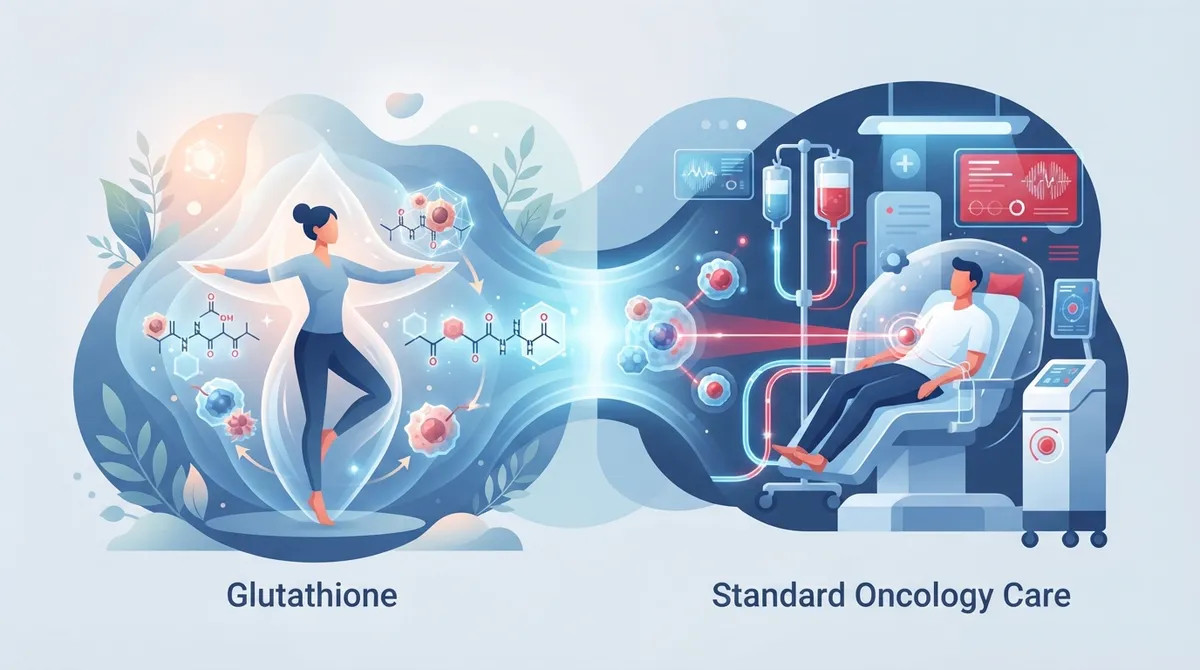
When people ask about "glutathione for cancer support," they are usually comparing it to standard treatments like chemotherapy or radiation. These are two very different things with different goals.
|
Factor |
Standard Cancer Treatment |
Glutathione Support |
|---|---|---|
|
Purpose |
Kill or shrink cancer cells |
Support antioxidant balance |
|
FDA Approval for Cancer |
Yes, for specific therapies |
No |
|
Evidence Level |
Strong, large clinical trials |
Limited, small studies |
|
Role in Care |
Primary treatment |
Possible complementary support |
|
Medical Supervision Required |
Always |
Always |
This table shows why glutathione should never be viewed as a replacement. It may play a small supporting role in some cases, but only when guided by your healthcare providers and oncology team.
The Science Behind Glutathione and Chemotherapy Side Effects
Some small studies have looked at whether glutathione can reduce certain side effects of chemotherapy. The results are mixed and often depend on the specific drug used.
What the Research Shows
A 2023 review found that clinical evidence for glutathione reducing treatment toxicity remains limited. The strongest evidence, though still narrow, involves platinum-based chemotherapy drugs like cisplatin.
- Some trials suggest glutathione may reduce nerve damage (neuropathy) from cisplatin
- A few studies point to possible kidney protection during platinum chemotherapy
- Most trials are small and use different methods, making results hard to compare
- No studies show glutathione improves overall survival rates
- There is no reliable evidence it prevents cancer from developing
Key Statistics to Know
Numbers help put this research into perspective. Here are some important data points from recent reviews:
- A 2023 review identified 106 active clinical trials involving glutathione across many health conditions, but only 12 involved cancer
- None of those 12 cancer trials tested glutathione alone as a definitive cancer treatment
- A systematic review of 19 antioxidant trials included only 7 that studied glutathione specifically
- In one trial, 58% of patients using glutathione completed chemotherapy compared to 39% in the control group
- Two of six glutathione trials showed statistically significant reductions in neurotoxicity, with strong p-values of 0.0001 and 0.01
These numbers show promise in narrow situations. But they also confirm that broad claims about glutathione curing or preventing cancer are not supported by science.
Why Cancer Care Requires Extra Caution
Glutathione's relationship with cancer cells is complicated. This is one reason oncologists remain cautious about recommending it widely.
The Double-Edged Sword Problem
Many cancer treatments work by creating oxidative stress that damages tumor cells. Glutathione's job is to reduce oxidative stress in the body. This creates a possible conflict.
Some tumors use high glutathione levels to protect themselves from damage. This can make cancer cells more resistant to treatment. A 2024 review found preclinical evidence linking elevated glutathione activity to more aggressive behavior in some breast, lung, and melanoma cancer models.
These are lab findings, not proof of harm in humans. But they explain why doctors want careful oversight before anyone uses glutathione during cancer treatment.
What This Means for Patients
The effect of glutathione may depend on several factors:
- The specific type of cancer being treated
- Which chemotherapy or treatment regimen is used
- The dose and timing of glutathione supplementation
- Whether it is given orally, intravenously, or through other methods
- The patient's overall health and organ function
This complexity is exactly why self-treating with glutathione supplements without medical guidance carries real risks.
Oral vs. IV Glutathione: Does the Method Matter?
People often ask if the way glutathione is taken changes its effectiveness. This is a fair question with an important answer.
|
Method |
Absorption |
Common Use |
Cancer Evidence |
|---|---|---|---|
|
Oral Supplements |
Low, broken down in digestion |
General wellness |
Very limited |
|
Intravenous (IV) |
High, direct bloodstream delivery |
Clinical trials, wellness clinics |
Some small trials, mostly platinum chemo |
|
Nebulized |
Variable |
Respiratory support research |
No reliable cancer evidence |
Intravenous glutathione has been studied more than oral forms in cancer-related research. This is partly because IV delivery bypasses digestion, allowing higher blood levels. Still, even IV studies remain small and are not enough to support routine use for all cancer patients.
What Should You Ask Before Considering Glutathione?
If you or a loved one is undergoing cancer treatment and interested in glutathione, preparation matters. Here is a step-by-step approach to take before making any decisions.
- Talk to your oncology team first, before starting any supplement
- Ask if glutathione could interact with your specific chemotherapy drugs
- Request information about your kidney and liver function, since these organs process glutathione
- Discuss the source and quality of any glutathione product being considered
- Clarify the route of administration, whether oral, IV, or another method
- Ask about the timing relative to your treatment cycles
- Confirm there are no known allergies or sensitivities to ingredients
- Request follow-up monitoring if you do proceed with supplementation
This process protects your safety while keeping your cancer treatment plan on track. A knowledgeable primary care team can help coordinate this conversation with your oncologist.
The Role of Primary Care in Cancer Support Decisions
Primary care providers play an important role in your overall health picture, even during cancer treatment. They are often the first point of contact for wellness questions.
How InCare Approaches Whole-Body Wellness
At InCare, our approach centers on personalized, evidence-based care. Our team includes providers like Naveen Paddu, MD, Pramjeet Ahluwalia, MD, and Teshy John, MD, who understand the importance of coordinating care across specialties.
We also offer cancer screening services to help catch potential issues early. Prevention and early detection remain the most proven strategies for improving cancer outcomes, far more reliable than any single supplement.
If you have questions about wellness options during or after cancer treatment, our team can help you think through the evidence and coordinate safely with your oncology providers. Patients in Tampa and Riverview trust InCare for thoughtful, science-based guidance, and you can see what our community says by visiting us on Google — InCare.
Beyond Glutathione: Comprehensive Wellness Support
Cancer treatment takes a toll on the whole body. Primary care and wellness services can support patients in other meaningful ways.
- IV hydration therapy to help manage dehydration during treatment
- Nutritional guidance to support strength and energy levels
- Body composition tracking to monitor changes during treatment
- DNA gene testing for personalized health insights
- Coordinated care between primary care and oncology specialists
These services do not replace cancer treatment. Instead, they support your body's resilience through a difficult time. Learn more about how DNA gene testing can offer personalized health insights that complement your care plan.
Common Myths About Glutathione and Cancer
Misinformation spreads quickly online. Let's clear up some common myths with facts from current research.
|
Myth |
Fact |
|---|---|
|
Glutathione cures cancer |
No evidence supports this claim |
|
IV glutathione prevents cancer |
No reliable studies confirm this |
|
All antioxidants help during chemo |
Effects vary by type and treatment |
|
Glutathione is always safe with chemo |
Some tumors may use it for protection too |
|
More glutathione is always better |
Dosing must be guided by a doctor |
Understanding these facts helps you make safer, more informed choices. Always verify claims with your healthcare provider rather than relying on social media or unverified sources.
When Antioxidants May Interfere With Treatment
Not all supplements pair well with cancer therapies. A 2023 review found no randomized controlled trials supporting glutathione or N-acetylcysteine for drug-induced liver injury in oncology patients.
This finding highlights an important gap. While glutathione shows some promise for platinum-related neuropathy, it lacks strong evidence for other treatment side effects like liver toxicity. This is another reason why professional guidance matters more than general wellness trends.
Preclinical research also shows scientists studying the opposite approach: depleting tumor glutathione to make cancer cells more vulnerable to treatment. This is investigational and not something patients should attempt to replicate using supplements at home.
How to Build a Safe Wellness Plan During Cancer Care
If you want to explore complementary wellness options, here is a responsible path forward.
- Schedule a conversation with your oncologist about any supplement interest
- Bring a list of all current medications and supplements to every appointment
- Ask your primary care provider to help coordinate communication between specialists
- Request lab work to check kidney and liver function before starting anything new
- Choose reputable, quality-tested products if supplementation is approved
- Monitor for any side effects and report them immediately
- Reassess your plan regularly as treatment progresses
This step-by-step approach keeps your safety as the top priority while still allowing space for informed wellness choices.
Frequently Asked Questions Patients Ask Their Care Team
Many patients want quick, clear answers before their appointments. Below are some of the most common questions we hear.
- Can glutathione help with chemotherapy side effects?
- Is glutathione safe to take during radiation therapy?
- Does IV glutathione prevent cancer from returning?
- What blood tests should I get before starting glutathione?
- How do I know if a supplement is high quality?
Your care team can walk through each of these questions using your specific health history and treatment plan. For general wellness guidance, you can also follow updates from our team on Facebook or Instagram for helpful health tips.
Final Thoughts on Glutathione and Cancer Support
Glutathione is a fascinating molecule with real biological importance. But when it comes to cancer support, the science remains limited and highly specific. It is not a treatment, cure, or prevention strategy. At best, it may offer narrow benefits for certain chemotherapy side effects, and only under careful medical supervision.
Your safest path forward is open communication with both your oncology team and your primary care provider. Understanding the real evidence protects you from wasted time, money, and potential health risks.
If you want to discuss wellness options alongside your cancer care plan, our team at InCare is here to help you navigate the science safely. You can also check trends and community health tips on TikTok for accessible wellness education.
Ready to talk through your options with a trusted primary care team? Reach out to our team today or schedule your appointment now to start a conversation grounded in real science and personalized care.
FAQs
Q: Can glutathione help with chemotherapy side effects?
A: Some small studies suggest glutathione may reduce nerve damage from platinum-based chemotherapy drugs like cisplatin. However, evidence remains limited and results vary between studies, so this should only be considered under medical supervision.
Q: Is glutathione safe to take during chemotherapy or radiation therapy?
A: Safety depends on your specific cancer type, treatment regimen, and overall health. Glutathione may interact with certain therapies, so you must discuss it with your oncology team before starting any supplement.
Q: Does intravenous glutathione treat or prevent cancer?
A: No, there is no reliable evidence that glutathione treats or prevents cancer. It should never replace surgery, chemotherapy, radiation, or other evidence-based cancer treatments.
Q: What evidence supports glutathione for cisplatin-related neuropathy?
A: A few small clinical trials found reduced neurotoxicity in patients receiving glutathione during cisplatin treatment, with some results showing statistical significance. However, these studies were small and inconsistent, so broader recommendations cannot be made.
Q: When should I talk to my doctor about stopping antioxidant supplements before treatment?
A: You should discuss any supplement use, including antioxidants, with your oncology team well before starting treatment. Timing matters because some antioxidants may affect how certain therapies work.