
Key Takeaways
- Oral glutathione can raise body stores at 250-1000 mg daily, but health benefits for healthy adults are limited; it shows more promise for specific conditions like type 2 diabetes and cystic fibrosis.
- IV glutathione may raise levels faster than oral forms but carries more safety concerns and requires medical supervision, while oral supplements have stronger evidence and safety data.
- Glutathione for skin brightening shows mixed results with individual variation; oral forms appear more promising than IV, but long-term safety data remains limited.
- Daily oral glutathione at recommended doses (250-1000 mg) appears well-tolerated in healthy adults, but pregnant women, those with asthma, and people on liver-affecting medications should use caution.
- Liposomal or micellar glutathione formulations may offer a middle ground between oral and IV delivery with better absorption and tolerability compared to standard oral supplements.
- Medical guidance is essential before starting glutathione; a provider should review your health history, medications, and goals to determine if it's appropriate and which delivery method works best for you.
If you have searched for ways to fight aging, boost energy, or brighten your skin, you have likely come across glutathione. It shows up in supplement aisles, wellness clinics, and social media wellness feeds across Tampa and Riverview. But does glutathione actually work, or is it just another trendy supplement with big promises and little proof? This article breaks down the science, compares delivery methods, and helps you decide if glutathione belongs in your wellness routine.
Glutathione is a natural antioxidant made by your body. It plays a role in detoxification, immune function, and cell repair. As we age, or face illness and stress, glutathione levels can drop. This has led many people to try supplements, IV drips, and topical creams to restore their levels. The real question is whether these methods actually raise glutathione and produce measurable health benefits. At InCare, our providers help patients understand which wellness therapies are backed by evidence and which ones need more caution.
What Is Glutathione and Why Does It Matter?
Glutathione is often called the body's "master antioxidant." It helps protect cells from damage caused by free radicals. It also supports the liver in removing toxins and helps the immune system function properly.
Your body naturally produces glutathione. However, factors like poor diet, chronic stress, aging, and illness can lower your levels. This has created strong interest in supplementation, especially among wellness-focused individuals looking to slow aging or improve overall health.
Key Roles of Glutathione in the Body
- Neutralizing free radicals and reducing oxidative stress
- Supporting liver detoxification processes
- Helping maintain a healthy immune response
- Assisting in cell repair and regeneration
- Playing a role in skin health and pigmentation
Does Glutathione Work? What the Research Shows
The short answer is: it depends on the form, the dose, and your health condition. Research on oral glutathione supplements shows mixed results for healthy adults, but more promising outcomes for people with certain medical conditions.
A 2019 randomized trial involving 54 non-smoking adults found that both 250 mg and 1000 mg daily doses of oral glutathione increased the body's glutathione stores over six months. This suggests that oral supplementation can work, at least in terms of raising levels in the blood and tissues.
However, a separate trial found no meaningful improvement in oxidative stress markers among healthy people taking glutathione. This means that while levels may rise, the actual health benefit for someone who is already healthy may be limited.
Where Glutathione Shows the Most Promise
- Type 2 diabetes management, where some trials reported reduced oxidative damage and improved HbA1c levels
- Cystic fibrosis support, as part of broader treatment plans
- Stomach conditions linked to Helicobacter pylori infection
- Recovery support after transient cerebral ischemic attacks
- Certain neurodegenerative disease management strategies
A 2026 review noted that oral glutathione may offer real benefits in these specific conditions, though more large-scale studies are still needed. This is an important distinction. Glutathione is not a one-size-fits-all miracle supplement, but it may serve as a helpful addition to a broader treatment plan under medical guidance.
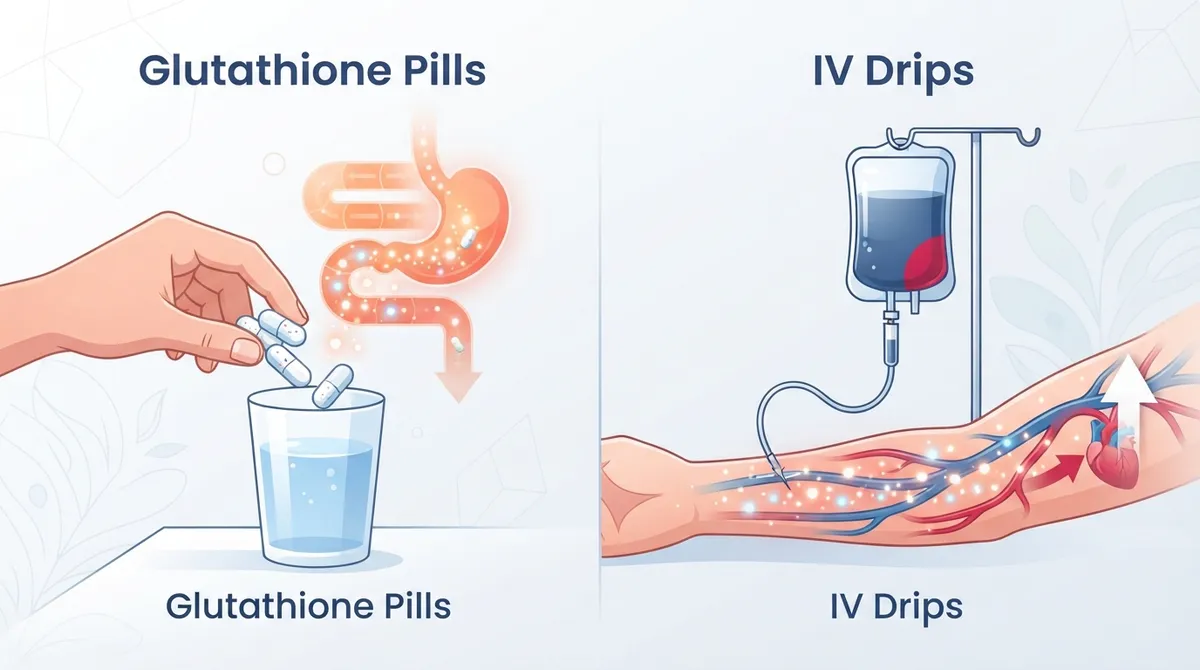
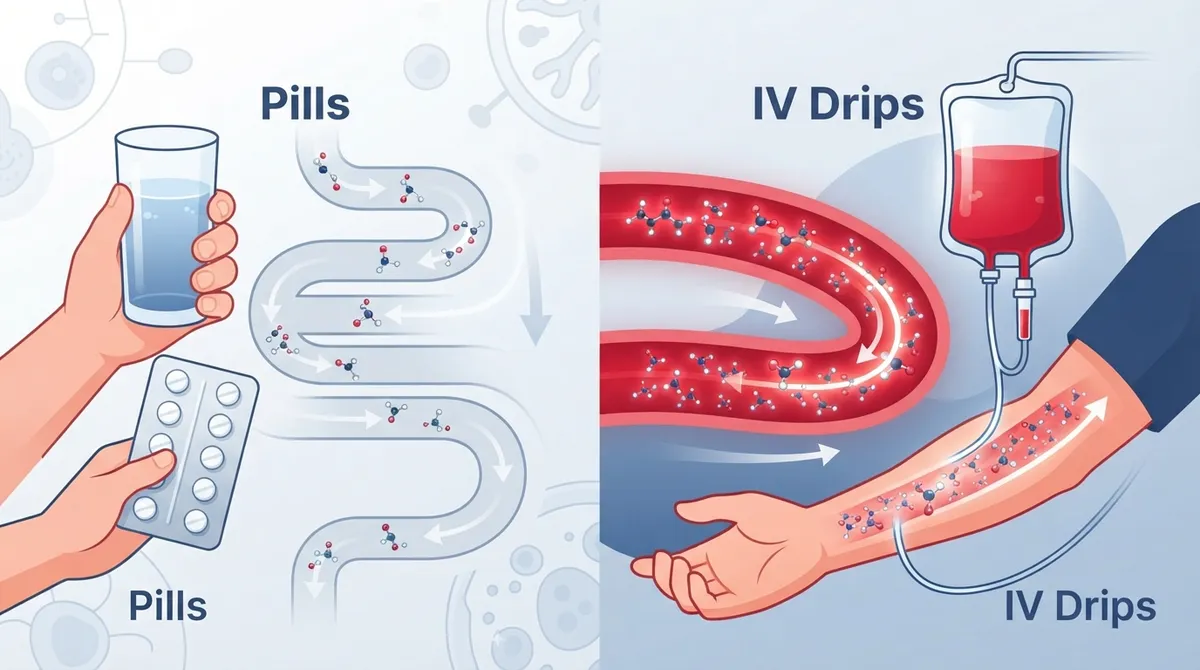
Oral Glutathione vs. IV Glutathione: A Closer Look
One of the biggest questions patients ask is whether oral supplements or IV therapy work better. Each method has distinct advantages and limitations.
|
Factor |
Oral Glutathione |
IV Glutathione |
|---|---|---|
|
Absorption Speed |
Slower, passes through digestion |
Immediate, enters bloodstream directly |
|
Convenience |
Easy to take at home |
Requires clinical supervision |
|
Cost |
Generally lower |
Typically higher per session |
|
Safety Oversight |
Minimal monitoring needed |
Requires medical supervision |
|
Evidence Base |
Growing, especially for specific conditions |
Limited, with more safety concerns noted |
Recent reviews caution against routine use of IV glutathione without medical oversight. While IV delivery may raise levels faster, the safety profile is less established compared to oral forms. A newer option, liposomal or micellar glutathione, may offer a middle ground. A 2026 study found that 600 mg per day of a micellar glutathione formulation was well tolerated in healthy adults over 30 days, with no significant changes in common safety markers.
Glutathione for Skin Brightening: Does It Really Work?
Many wellness seekers turn to glutathione hoping for brighter, more even-toned skin. This is one of the most searched uses of the supplement, especially among people exploring advanced wellness options.
A dermatology review published in 2026 reported that oral glutathione can reduce melanin levels in some patients. Topical forms showed improvements in skin texture, while IV use carried more safety concerns and less consistent results.
What Studies Say About Skin Effects
- A 2017 study found that 250 mg per day influenced skin properties in middle-aged women
- Oral forms appear more promising for melanin reduction than IV forms
- Topical applications may improve skin texture with fewer risks
- Long-term safety and effectiveness data remain limited
- Results vary widely between individuals
If skin brightening is your main goal, it is worth discussing realistic expectations with a medical provider before starting any glutathione regimen. Not every patient responds the same way, and safety should always come first.
Is Glutathione Safe to Take Every Day?
For most healthy adults, oral glutathione supplements appear to be well tolerated when taken at recommended doses. Studies using doses between 250 mg and 1000 mg per day did not report major safety concerns over several months of use.
That said, daily supplementation should still be discussed with a healthcare provider, especially if you have existing health conditions, take other medications, or are considering higher doses. This is particularly true for IV glutathione, where safety oversight matters more.
Who Should Be Cautious With Glutathione Supplements
- Pregnant or breastfeeding women without medical guidance
- People with asthma, since some reports link inhaled glutathione to bronchospasm
- Individuals on medications that affect liver function
- Patients considering IV glutathione without proper medical supervision
- Anyone using unregulated or unverified glutathione products
How to Decide If Glutathione Is Right for You
Before starting any supplement, it helps to understand your personal health goals and current health status. Glutathione may offer real value for people managing certain chronic conditions, but it is not a universal solution for wellness or anti-aging.
A good first step is a wellness consultation with a primary care provider who can review your health history, current medications, and specific goals. This is especially important if you are considering advanced wellness services like DNA gene testing or body composition analysis to get a fuller picture of your health before adding new supplements.
Questions to Ask Before Starting Glutathione
- What is my specific health goal for taking this supplement?
- Do I have any underlying conditions that could affect safety?
- Is oral, topical, or IV delivery best for my situation?
- What dose and formulation has the best evidence for my goal?
- How will I track whether it is actually working?
Why Medical Guidance Matters for Wellness Supplements
The wellness supplement market is full of bold claims and limited regulation. This makes it easy for patients to spend money on products that may not deliver real results, or worse, may carry unknown risks.
Working with a primary care and wellness clinic gives you access to evidence-based advice rather than marketing promises. At InCare, our team reviews the latest research and helps patients understand what is realistic, what is not, and how supplements like glutathione fit into a broader primary care plan. This approach protects your health while still allowing you to explore advanced wellness options responsibly.
Our providers, including those featured on our providers page, take time to review your full health picture. This includes lab work, current medications, and lifestyle factors before recommending any supplement or therapy. This kind of personalized guidance is part of what makes comprehensive care different from simply picking up a bottle at a store.
Other Wellness Services That Support Whole-Body Health
Glutathione is just one piece of a larger wellness picture. Many patients pair antioxidant support with other services designed to optimize overall health and energy levels.
Popular Wellness Services to Consider Alongside Glutathione
- IV hydration and vitamin drips for hydration and nutrient support
- Medical weight loss programs for sustainable results
- Metabolic breath analysis to understand how your body burns energy
- Cancer screenings for early detection and peace of mind
- Hair restoration treatments for those noticing thinning hair
Many patients in Tampa and Riverview turn to InCare because these services are offered under one roof, with providers who coordinate care rather than treating each service in isolation. This whole-body approach is especially valuable for busy professionals and families who want efficient, evidence-based wellness care.
What Sets InCare Apart for Wellness-Focused Patients
Choosing where to explore supplements like glutathione matters just as much as choosing the supplement itself. InCare combines the expertise of licensed medical providers with modern wellness technology, so patients get more than guesswork.
Our clinics in Tampa and Riverview offer everything from urgent care to advanced wellness testing, all in a setting built around convenience and trust. You can learn more about our team and approach on our about us page, or find the location nearest you through our locations page.
Patients often mention our supportive staff and thorough care when leaving reviews. You can visit us on Google — InCare to see feedback from real patients in the Tampa and Riverview communities. We also share wellness tips and updates through our Facebook page, Instagram account, and TikTok channel, giving patients more ways to stay informed between visits.
Final Thoughts on Glutathione
So, does glutathione work? The evidence suggests it can raise glutathione levels in the body, and it may offer real benefits for people managing specific health conditions like type 2 diabetes or certain digestive issues. For healthy adults seeking general anti-aging or skin benefits, the results are less consistent and still being studied.
The safest and smartest approach is to talk with a medical provider before starting glutathione, whether in pill, topical, or IV form. A knowledgeable provider can help you set realistic expectations and choose the method most likely to work for your specific goals.
If you are curious about glutathione or other advanced wellness services, our team is ready to help you make an informed decision. Reach out to our team today to discuss your health goals, or book your wellness consultation now at one of our Tampa or Riverview locations.
FAQs
Q: Does glutathione actually work as a supplement?
A: Oral glutathione supplements can raise the body's glutathione stores, according to several clinical trials. However, the health benefits appear stronger for people with specific conditions like type 2 diabetes rather than for general wellness use in healthy adults.
Q: Is oral glutathione effective compared with IV glutathione?
A: Oral glutathione has a growing body of supportive research and a stronger safety profile for regular use. IV glutathione may raise levels faster, but recent reviews caution against routine IV use without medical supervision due to safety concerns.
Q: Does glutathione help with skin brightening or whitening?
A: Some studies show that oral glutathione can reduce melanin levels and improve certain skin properties. Results vary between individuals, and long-term safety and effectiveness data are still limited, so expectations should be realistic.
Q: Is glutathione safe to take every day?
A: Doses between 250 mg and 1000 mg per day have been studied for several months without major safety concerns in healthy adults. Daily use should still be reviewed with a healthcare provider, especially for those with existing medical conditions.
Q: Who should not take glutathione supplements?
A: People with asthma, pregnant or breastfeeding women, and those on medications affecting liver function should use caution and consult a provider first. Anyone considering IV glutathione should only do so under proper medical supervision.