Key Takeaways
- FDA has not approved glutathione infusion therapy for wellness, detoxification, energy, or skin lightening; ask clinics directly about product sourcing and compounding standards before treatment.
- Research on IV glutathione is limited with small studies and inconsistent methods; a 2025 review found insufficient evidence to recommend routine IV glutathione for healthy adults seeking energy, immunity, or anti-aging benefits.
- IV glutathione carries documented safety risks including nausea, allergic reactions, anaphylaxis, and potential liver/kidney damage; a 2019 FDA report documented hospitalization from a contaminated compounded product with bacterial endotoxin levels five times the safe limit.
- Claims of permanent skin lightening through IV glutathione lack clinical proof; a 2025 review found any lightening effect was temporary (fading within six months), with 32% of participants experiencing adverse events including liver dysfunction.
- Before receiving glutathione infusion therapy, avoid treatment if you are pregnant, breastfeeding, have liver/kidney conditions, or are seeking unproven cosmetic results; require thorough medical history review and informed consent from a licensed physician.
- Evidence-based wellness alternatives like DNA gene testing, body composition analysis, and annual preventive checkups provide stronger foundations for personalized health plans than unproven IV infusions.
Wellness clinics across Tampa and Riverview are seeing more patients ask about glutathione infusion therapy. Marketing claims promise clearer skin, more energy, and better detox. But what does the science actually say? This guide breaks down the facts so you can make an informed choice with your primary care provider.
Glutathione infusion therapy involves putting liquid glutathione directly into your bloodstream through an IV line. This antioxidant occurs naturally in your body. It plays a real role in cell health. But injecting extra amounts through an IV is a different story than what your body makes on its own. Before you book a session, it helps to understand the evidence, the risks, and how a trusted clinic like InCare approaches these treatments with care and honesty.
What Is Glutathione and Why Does It Matter?
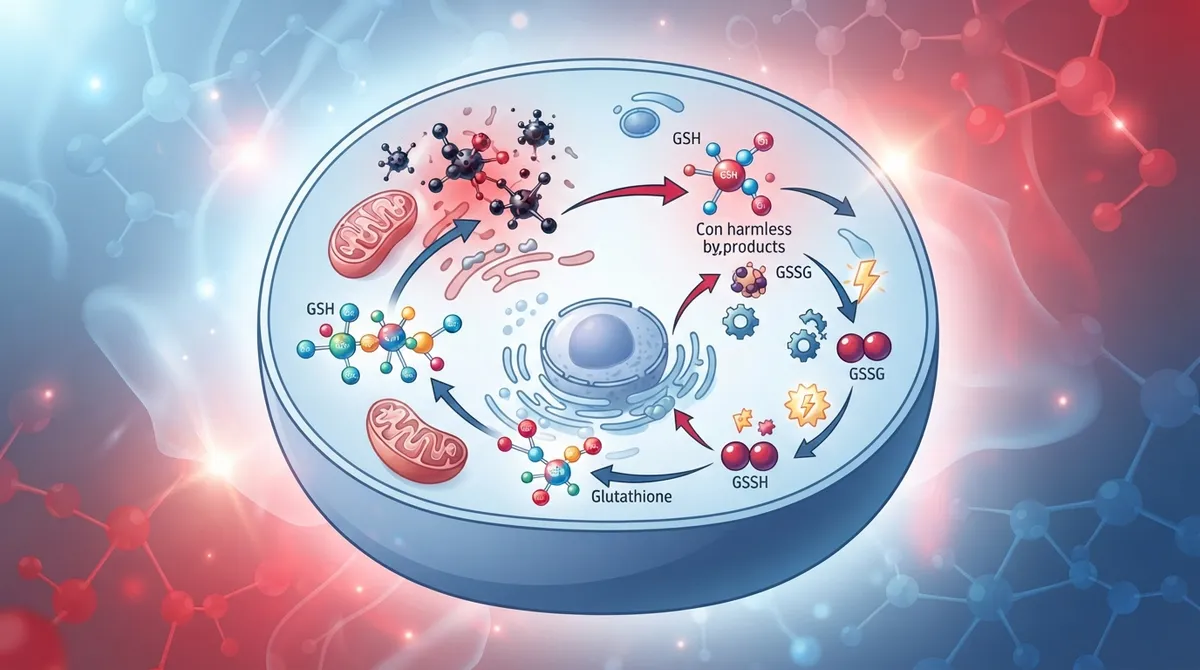
Glutathione is a small molecule your body makes on its own. It is built from three building blocks: glutamate, cysteine, and glycine. Your cells use it to fight off damage and support detox pathways in the liver.
This natural role sounds impressive. But here is the key point: having a job inside your body does not mean that adding more through an IV will improve your health. Many wellness clinics market glutathione infusions for things science has not fully proven yet.
Common Reasons Patients Ask About Glutathione Infusions
- General antioxidant support and cell protection
- Boosting energy and fighting fatigue
- Supporting the immune system
- Speeding up recovery after workouts
- Detoxing the body from toxins
- Lightening skin tone or reducing dark spots
Most of these uses fall outside what the treatment was designed for. That means they are considered off-label. Off-label does not always mean unsafe, but it does mean the evidence is thinner than many advertisements suggest.

Is Glutathione Infusion Therapy FDA-Approved?
This is one of the most common questions patients bring to their primary care visit. The answer is straightforward: the FDA has not approved glutathione as a general wellness infusion. It is also not approved as an injectable treatment for lightening skin.
Some clinics use compounded glutathione products. Compounding pharmacies mix custom medications for specific patient needs. But compounding is not the same thing as FDA approval. The rules around compounded sterile injectables are stricter for a reason, and quality can vary between suppliers.
Why This Distinction Matters
|
Term |
What It Means |
What It Does Not Mean |
|---|---|---|
|
FDA-Approved |
Product went through formal safety and effectiveness review |
Does not apply to general wellness glutathione IVs |
|
Compounded |
Custom-mixed by a licensed pharmacy under specific rules |
Not the same as FDA approval or guaranteed safety |
|
Off-Label Use |
Using a substance for a purpose beyond its studied use |
Not automatically dangerous, but lacks strong proof |
If a clinic offers glutathione infusion therapy, ask direct questions about where the product comes from and how it is tested. A responsible provider will answer clearly and never dodge the question.
What Does the Research Actually Show?
The honest answer is: not much yet. Studies on IV glutathione tend to be small. They often use different doses and forms. Many only track patients for a short time.
This means there is not enough solid proof to recommend routine IV glutathione for healthy adults. This applies whether the goal is more energy, stronger immunity, better detox, or slowing aging. A 2025 review looked closely at glutathione research and found the same pattern: limited data, inconsistent methods, and short follow-up periods.
Steps a Responsible Clinic Should Follow Before Treatment
- Confirm exactly what the patient hopes to achieve with therapy
- Review full medical history and current medications
- Discuss evidence-based alternatives that may work better
- Explain openly what is known and what remains uncertain
- Obtain clear, informed consent before any infusion begins
- Use a licensed clinician and a properly regulated compounding source
This process protects patients from vague promises and puts real medical judgment first. It is the same standard you should expect from any primary care visit, whether the topic is a vitamin drip or a routine checkup.
Safety Concerns With IV Glutathione
Every IV treatment carries some risk. Glutathione infusions are no exception. Understanding these risks helps you weigh whether the treatment fits your health goals.
Possible Side Effects
- Nausea and vomiting
- Stomach discomfort
- Headache and dizziness
- Redness or irritation at the injection site
- Allergic reactions, including rare but serious anaphylaxis
- Bronchospasm, or sudden tightening of the airways
- Possible strain on the liver or kidneys
- Damage to the liver, kidneys, or nervous system
- Severe allergic reactions
- Stevens-Johnson syndrome, a rare but dangerous skin reaction
- Risk of infection transmission through injection
- Possible kidney stones when combined with injectable vitamin C
Given this evidence, claims of safe, permanent skin lightening through IV glutathione should be viewed with real caution.
Who Should Avoid Glutathione Infusion Therapy?
Certain patients face higher risk from this treatment. A thorough review of your health history is essential before any decision is made.
Situations That Call for Extra Caution
- Pregnant or breastfeeding patients, due to limited safety data
- Anyone with known allergies to glutathione or related compounds
- Patients with existing liver or kidney conditions
- People currently taking medications that affect the liver
- Anyone seeking the treatment purely for unproven cosmetic claims
If you fall into any of these groups, a conversation with your doctor matters more than ever. This is exactly the kind of nuanced decision that benefits from a full annual wellness visit rather than a quick walk-in session.
How to Evaluate a Wellness Clinic Offering This Therapy
Not all clinics handle glutathione infusion therapy the same way. Some cut corners. Others follow strict medical protocols. Knowing what to look for protects your health and your wallet.
Questions to Ask Before You Book
- Where does the compounded glutathione come from, and is the source regulated?
- What credentials does the clinician have who will administer the IV?
- Will someone review my full medical history before treatment?
- What side effects should I watch for, and who do I call if something feels wrong?
- Is there a clear informed consent process before I sign anything?
A clinic that welcomes these questions is one worth trusting. A clinic that brushes them off is a warning sign. This is why InCare emphasizes physician oversight and transparent communication for every wellness treatment, including IV hydration and vitamin drips.
A Smarter Path to Whole-Body Wellness
Instead of chasing trendy IV treatments with thin evidence, many patients get better results from a broader wellness plan. This might include body composition analysis, DNA gene testing, or a metabolic breath analysis to understand what your body truly needs.
These tools give real, measurable data. They help your care team build a plan around your actual biology, not just marketing trends. Pairing this data with routine cancer screening and preventive checkups builds a stronger foundation for long-term health than a single infusion ever could.
Comparing Approaches to Wellness Optimization
|
Approach |
Evidence Level |
Best For |
|---|---|---|
|
Glutathione IV Infusion |
Limited, mostly off-label |
Patients under direct medical supervision only |
|
DNA Gene Testing |
Strong, personalized data |
Understanding health risks and predispositions |
|
Body Composition Analysis |
Strong, measurable tracking |
Tracking fitness and metabolic progress |
|
Annual Wellness Visit |
Well-established medical standard |
Preventive care and early detection |
If weight management is part of your goals, InCare also offers physician-guided weight loss programs built on proven methods rather than trends.
Why Physician Guidance Makes the Difference
Wellness trends move fast. Medical evidence moves slower and more carefully. That gap is exactly where patients can get hurt if they are not careful. A clinic staffed by real physicians, like Dr. Naveen Paddu, Dr. Pramjeet Ahluwalia, or Dr. Teshy John at InCare, brings medical judgment to every wellness decision.
You can learn more about the physicians behind these decisions on the providers page, or explore InCare's locations in Tampa and Riverview to find the option that fits your schedule. Patients who want to see real feedback from others can also visit us on Google — InCare to read reviews before booking.
InCare also stays active on social platforms where patients can see behind-the-scenes wellness education. Follow along on Facebook, Instagram, and Tik Tok for tips grounded in real medical expertise, not just trends.
Making an Informed Decision
Glutathione infusion therapy is not automatically dangerous, and it is not automatically effective either. The truth sits in the middle. It requires a doctor who reviews your history, explains the uncertainty honestly, and only proceeds with your full understanding.
If you are curious about glutathione infusion therapy or want to explore other proven wellness options, the team at InCare is ready to walk you through your choices with honesty and care. Reach out to our team to ask questions, or schedule your wellness consultation today and take the next step toward whole-body health built on real evidence.
FAQs
Q: What is glutathione infusion therapy and how does it work?
A: Glutathione infusion therapy delivers liquid glutathione directly into the bloodstream through an IV line. Glutathione is a natural antioxidant your body already produces, but IV delivery bypasses digestion and puts it straight into circulation. Despite this direct method, strong evidence supporting broad wellness benefits remains limited.
Q: Is IV glutathione FDA-approved for wellness, detoxification, energy, or skin lightening?
A: No, the FDA has not approved glutathione as a general wellness infusion or as an injectable skin-lightening treatment. Some clinics use compounded versions under specific pharmacy rules, but compounding is not equivalent to FDA approval. Patients should ask clinics directly about product sourcing and quality standards.
Q: How safe are glutathione IV treatments, and what side effects can occur?
A: Reported side effects include nausea, headache, dizziness, injection-site reactions, and in rare cases, serious allergic reactions like anaphylaxis. IV administration also carries risks tied to venous access, infection, and product contamination. A 2019 FDA report documented adverse events, including hospitalization, linked to a contaminated compounded product.
Q: Does intravenous glutathione lighten skin permanently?
A: Current evidence does not support permanent skin lightening from IV glutathione. A 2025 review found any cosmetic effect was often temporary, fading within about six months after stopping treatment. The same review noted serious safety concerns, including liver dysfunction and anaphylaxis in some patients.
Q: How can patients evaluate the safety and quality of a wellness clinic offering glutathione infusions?
A: Ask where the compounded glutathione comes from and whether the source follows regulated compounding standards. Confirm that a licensed clinician reviews your full medical history before any treatment begins. A trustworthy clinic will explain both the benefits and the uncertainties honestly, rather than making broad promises.